



Sol System
The Sol System is one of the most influential solar systems in the Milky Way, with four intergalactic superpowers and two more in emergence. Earth and Neptune are the only two planets without native peoples, as both humans and neptunians have gone extinct in the last hundred years.
Jupiter, Saturn, and Mars claim the majority of the two asteroid belts in the Sol System, and collectively, thousands of planets in the Milky Way and beyond. Mercury, an emerging superpower, holds half of the seats at the Sol Council, protecting the solar system from impending threats. Venus has made a mark on the culture of the galaxy, while Uranus strives to grow their newly founded stellar empire beyond the Milky Way.
Planets
Mercury
To cope with the sizzling surface temperatures, most life on Mercury can be found within the lush cave systems deep underground. Rushing waterfalls, verdant rainforests, all surviving thanks to titanic rock pillars holding up the cavern ceilings.
Mercury has played an important role in the internal politics of the Sol System for quite some time. Mercurians run half of the Sol Council, an organisation of sixty individuals working on a contingency plan in case of inter-galactic conflict in the near future, as threats are closing in.
Mercury is a hotbed of valuable resources, and the rest of the galaxy knows it. Karkhala and the oanie have presented a significant interest in Mercury, going so far as to passively threaten to initiate war over mercurian resources.
Venus

Venusian culture is a cornerstone of inter-galactic society.
Many traditional practices of venusian peoples have been adopted by the masses throughout space. It's a testament to the planet's impact on the Milky Way as a whole.
Few other planets rival Venus with their cultural influence. Venusian language, entertainment, fashion, they are all popular throughout the galaxy.
Venus is the designated oasis of the Sol System. With a staggering five native sophonts, collectively referred to as venusians, the planet attracts billions of tourists annually to experience the diverse spread of cultures.
With just over fifteen billion people on the planet, Venus is the third most populated planet in the Sol System, behind Saturn with sixty-two billion, and Jupiter, with seventy billion.
These cultures, particularly fashion, have seeped into the wider population throughout space. Venusian glasswear is now a staple of haute couture in the Greater Oasis.
Stellamancy is one of the most practiced schools of magic on Venus. It has a massive historical impact, an incredibly important part of the legacy of many venusian empires. The Aphroditian Empire and its rulers were particularly interested in star magic, and tampering with these forces led to its collapse.
Earth
Earth is currently under jovian rule. It was inhabited by saurians 140 million years ago, and humans up until the last century. While saurians never made a huge impact on the planet they called home, the human species had transformed a significant portion of it into urban landscapes. Where forests and other green lands once lay, concrete oceans were formed.
Earth and the human species are a part of modern schooling for our newer generations. We teach our children to take care of the environments; Earth is an example of what happens when you take the soil you live on for granted.
Pollution nearly destroyed Earth, but thanks to a virus lying dormant in the outskirts of the Sol System, all ten billion humans died out. Only one managed to escape, David Tennason, though sadly he passed away just several years ago.
The Jovian Earth Council has led the charge with deciding how to best utilise Earth as part of the Jovian Empire. Most members of the council area leaning towards transforming Earth into a nature reserve, off-limits beyond a handful of scientists. Others believe it is better suited to becoming an industrial host, with power plants and factories across the entire globe. Due to its size in comparison to Jupiter, Earth does not offer much.
Mars
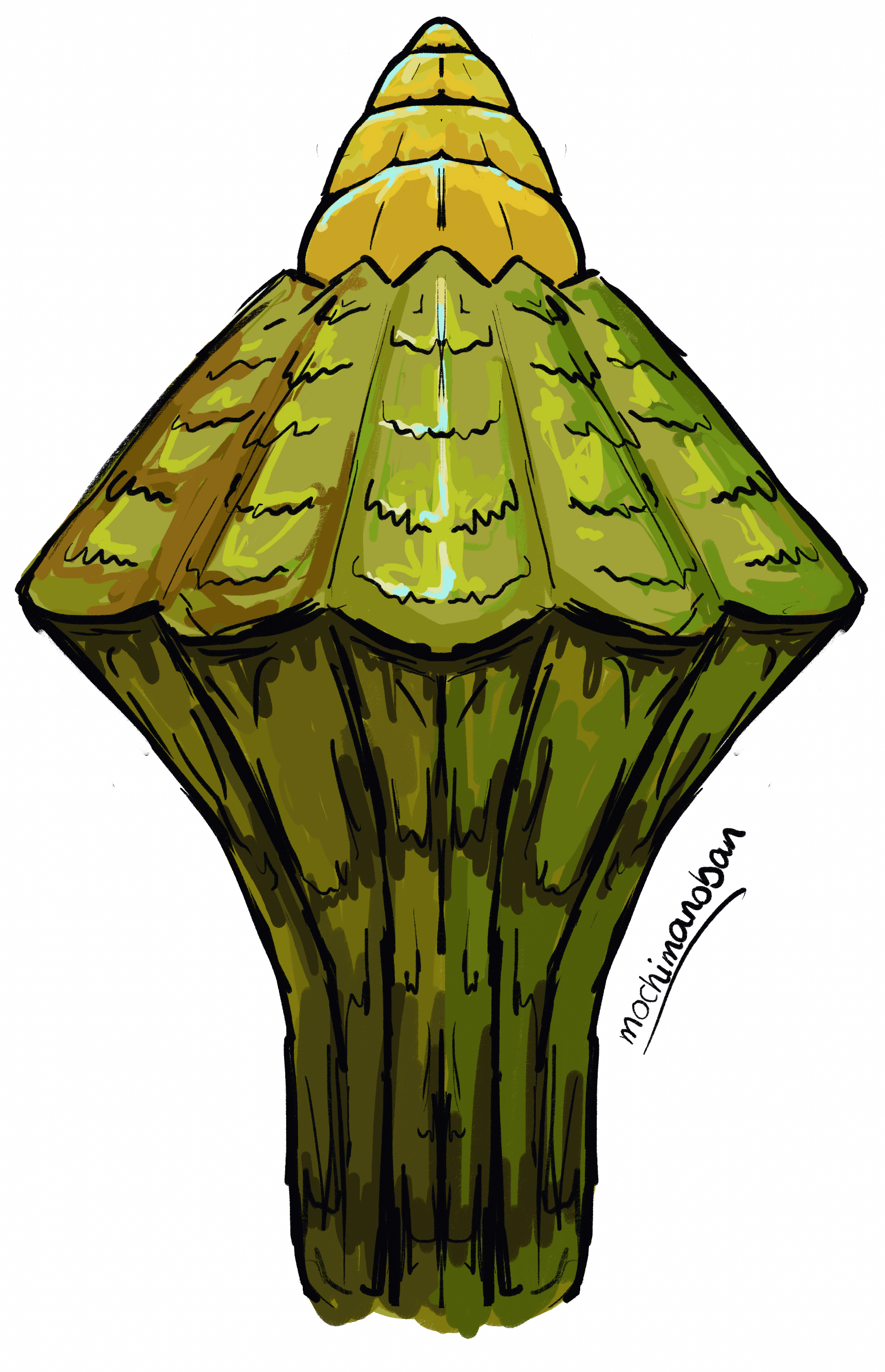
In recent years, Mars has undergone a massive ecological restoration project. Following the human extinction, the people of Mars were quick to tighten legislation around non-renewable energy sources and working towards a more environmentally friendly way of life.
The red planet is famed for its mudlands. This no-mans land is populated with mud pirates, riding bronzewood ships decked out with all manner of weaponry. Elsewhere, megacities dominate the skyline. Iridescent lights beaming from skyscrapers cut through the clouds.
The Martian Empire spans nearly three hundred planets in the Greater Oasis and the Spotlights, two oases in the Milky Way. They also occupy much of the Jovimartian Asteroid Belt, which they share with Jupiter.
Jupiter

Critically endangered aurvadic whales breach through Jupiter's Edge, a speck of purple against the dull brown gas giant. Jovians are one of the strongest peoples in the Milky Way, capable of lifting nearly four hundred times their body weight, which is roughly one and a half tonnes.
This brute strength has put them on the map as one of the deadliest civilisations in the galaxy. Thankfully, the Jovian Empire prefers to take legislative action to conquer and claim new planets. Despite this, Jupiter has engaged in numerous major conflicts since their ventures into space, mostly against Mars, engaging in four conflicts over territory disputes of the Jovimartian Asteroid Belt.
The Jovian Empire also prefers to claim entire solar systems as opposed to individual planets. This gives them more freedom with the space surrounding planets, and any asteroid belt, labyrinth sea, astral sea, or any other region that comes along with the star they orbit. The Empire mostly resides in the Lesser Field where many entire systems still lay unclaimed.
Saturn
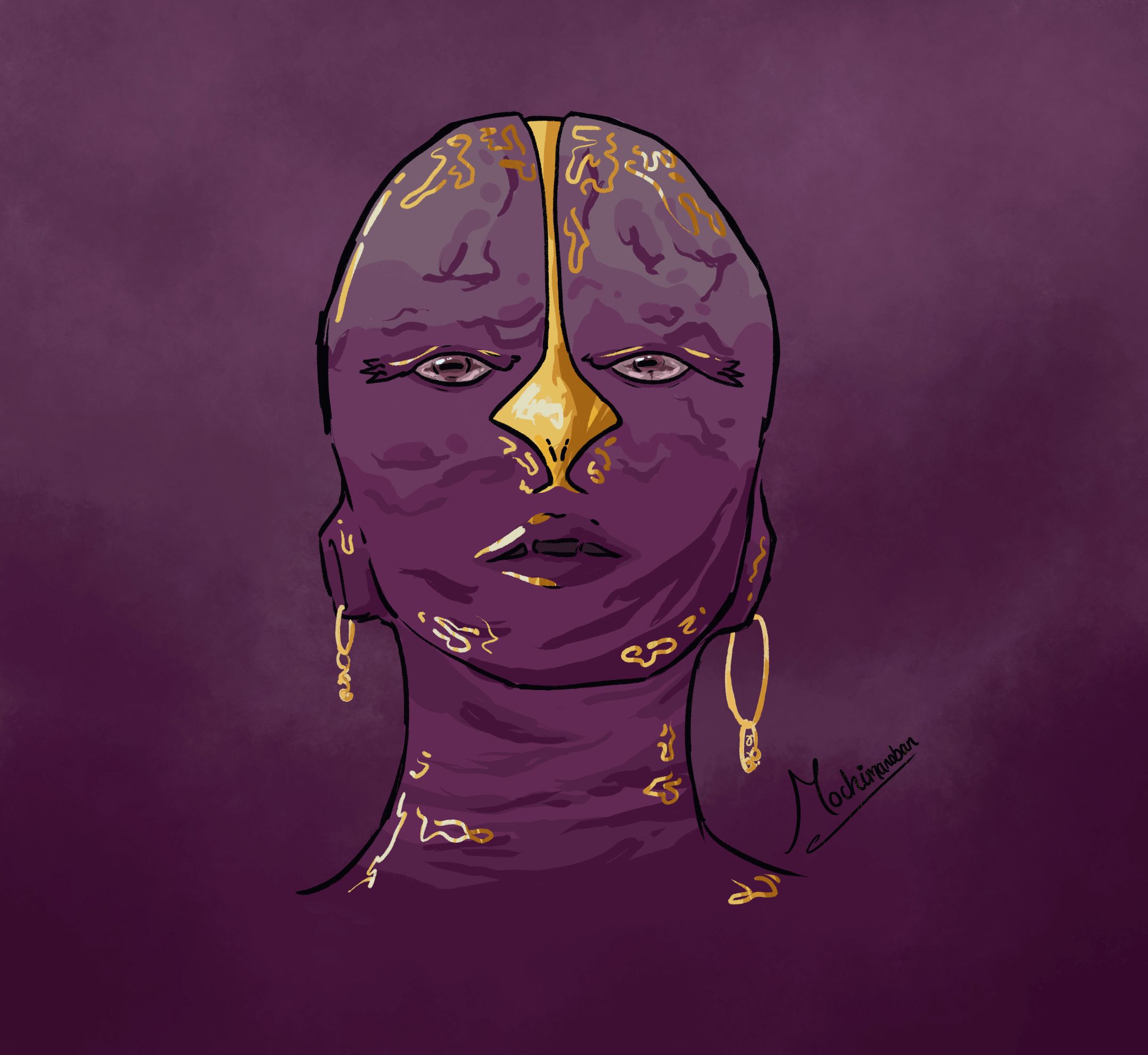
Saturnians have played a massive role in the Colonisation of the Lesser Field. They are fierce, intelligent, and a highly advanced species, having turned their home planet and its moons into a powerhouse of productivity.
In neighbouring space colonies and solar systems, Saturn is referred to as the Pink Delight. It shares this name with a brand of chocolate - a soft, sweet pink exterior, revealing something much darker underneath.
Saturn hides its devilish tendencies by performing "pranks" on other planets and empires. While other civilisations are distracted trying to recover their most prized cultural landmarks that vanished overnight, the Saturnian Empire plunders planet after planet in the Lesser Field.
Saturn itself is a paradise. While its ninety-one moons hold all of the empire's industrial plants, the planet itself is reserved exclusively for housing its sixty-two billion inhabitants. Giant bulb cities float around in Saturn's dense atmosphere, barging through dust clouds and destroying any floating islands in their pathways.
Uranus
As the newest formed empire, Uranus is still finding its place in the social web of the galaxy. They intend to travel beyond, looking to claim regions outside of the Milky Way. Having already invented faster-than-light travel far quicker than a typical civilisation would, they have set their sights on the Andromeda Galaxy.
Uranus itself sits far below freezing. Coupled with its wind speeds, the atmosphere of Uranus is intolerable for most. Even its native lifeforms struggle to survive. Uranians live at the very core of the planet where the harsh climates subside, and it took nearly four hundreds years to design a ship capable of breaking through the planet's surface and into the depths of space.
Neptune
Neptune lies under martian rule, and while they do not occupy this planet, its resources are being harvested and exported to other empires across the galaxy. Neptunian ice, ichor, and a whole host of other resources all possess magical qualities - while martians are generally averse to most magics, they have recognised its value and are earning a considerable profit by selling it.
While Neptune is classified as an ice giant, the frozen storms conceal a massive oceanic core, twice the diameter of Earth. These polar waters are home to gigantic megafauna.
Related Articles
| Atlas | Ash Field · Atigeo Sea · Chrihaia Lake · Endless Tower · Ison Copper Mine
| ||
|---|---|---|---|
| Biota | Atigean Clam · Clam-Eyed Fish · Fire Frog · Fire Noodle · Firepede · Firewood Beetle · Frogfish · Helsaurus · Mayhem Fish · Sawshark · Thermal Carp · Thorn-backed Thrasher | ||
| Cultures | Hell's Holiday | ||
| Misc | Hell · Hell Notes |









Effing yes!
<333