




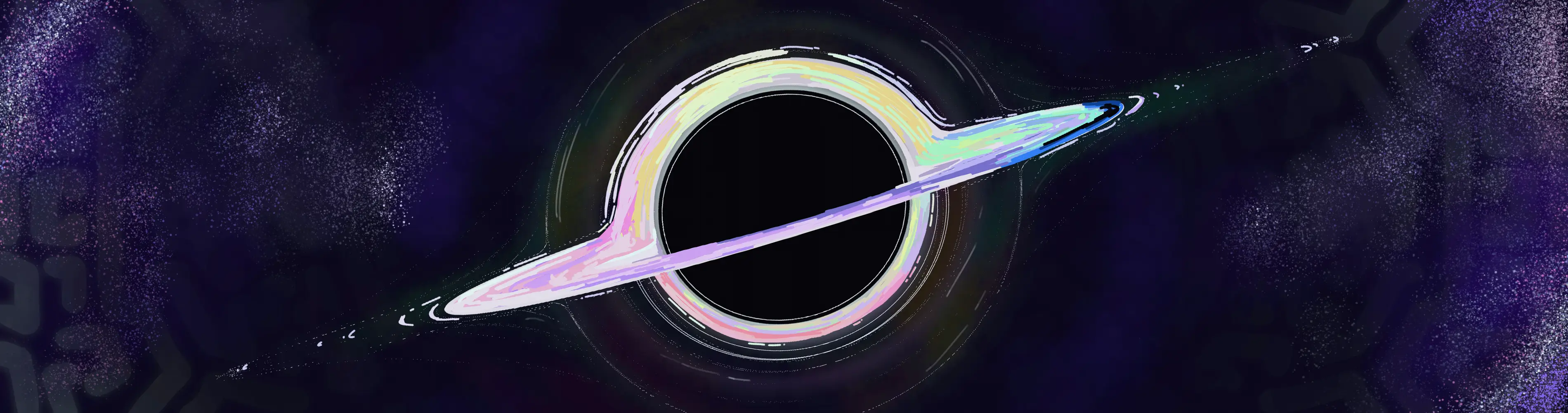
Plankton
Plankton are organisms, of all sizes, that are unable to propel themselves and therefore drift through the air, space, water, or any other liquid or gas. They typically make up the foundations of marine and cosmic ecosystems. An individual plankton is referred to as a plankter.
Plankton is classified by its size, its habitat, and its magical makeup.
Classification by Habitat

Amassing in the skies in their trillions is aeroplankton. Plankton are microscopic lifeforms, so small they cannot propel themselves against currents, be it water, wind, or magic.
Aeroplankton is present on pretty much any planet, floating in the atmosphere while life carries on as normal. On a handful, aeroplankton is a serious issue.
Planktonic storms are the result of an atmosphere dense with aeroplankton. A single storm can kill millions of organisms, by clogging the respiratory system.
The composition of aeroplankton varies by planet, depending on what other organisms exist. Fungi and plant spores, small organisms such as polyps or tiny invertebrates, bacteria, protists, mosses, algaes, may all be aeroplankton.
In the depths of space, cosmoplankton is almost always the only available food source. The most common method of feeding is filtration, creatures of gigantic proportions designed to take in tonnes upon tonnes of cosmoplankton.
The makeup of cosmoplankton is highly regional. Certain bacteria, protists, microscopic larva and spores may only be found around certain planets or solar systems. The Greater Oasis is known for its high spore count, with diseases like spacespores more common in these areas.
Pyroplankton is a collection of miniscule organisms found in deeper waters on some planets. The organisms are laced with pyromagis, a special type of magis found rarely in environments, and even rarer in organisms. Pyroplankton form when plankton/zooplankton, pyromagis and extreme depths all collide. The deeper the plankton exist, the stronger effect the pyromagis has on the plankton, which aligns with the distance from the core of the planet.
The size of the planet will affect where pyroplankton is present: on Osao, this plankton can be found anywhere deeper than three hundred metres deep, while on Masacauro, pyroplankton is found only on the ocean beds. The more pyroplankton that is present in the water, the more it heats up said water. The Mesopelagic Zone on Osao is known for being warmer than the Epipelagic Zone above it.
Related Articles
| Atlas | Ash Field · Atigeo Sea · Chrihaia Lake · Endless Tower · Ison Copper Mine
| ||
|---|---|---|---|
| Biota | Atigean Clam · Clam-Eyed Fish · Fire Frog · Fire Noodle · Firepede · Firewood Beetle · Frogfish · Helsaurus · Mayhem Fish · Sawshark · Thermal Carp · Thorn-backed Thrasher | ||
| Cultures | Hell's Holiday | ||
| Misc | Hell · Hell Notes |




Comments