
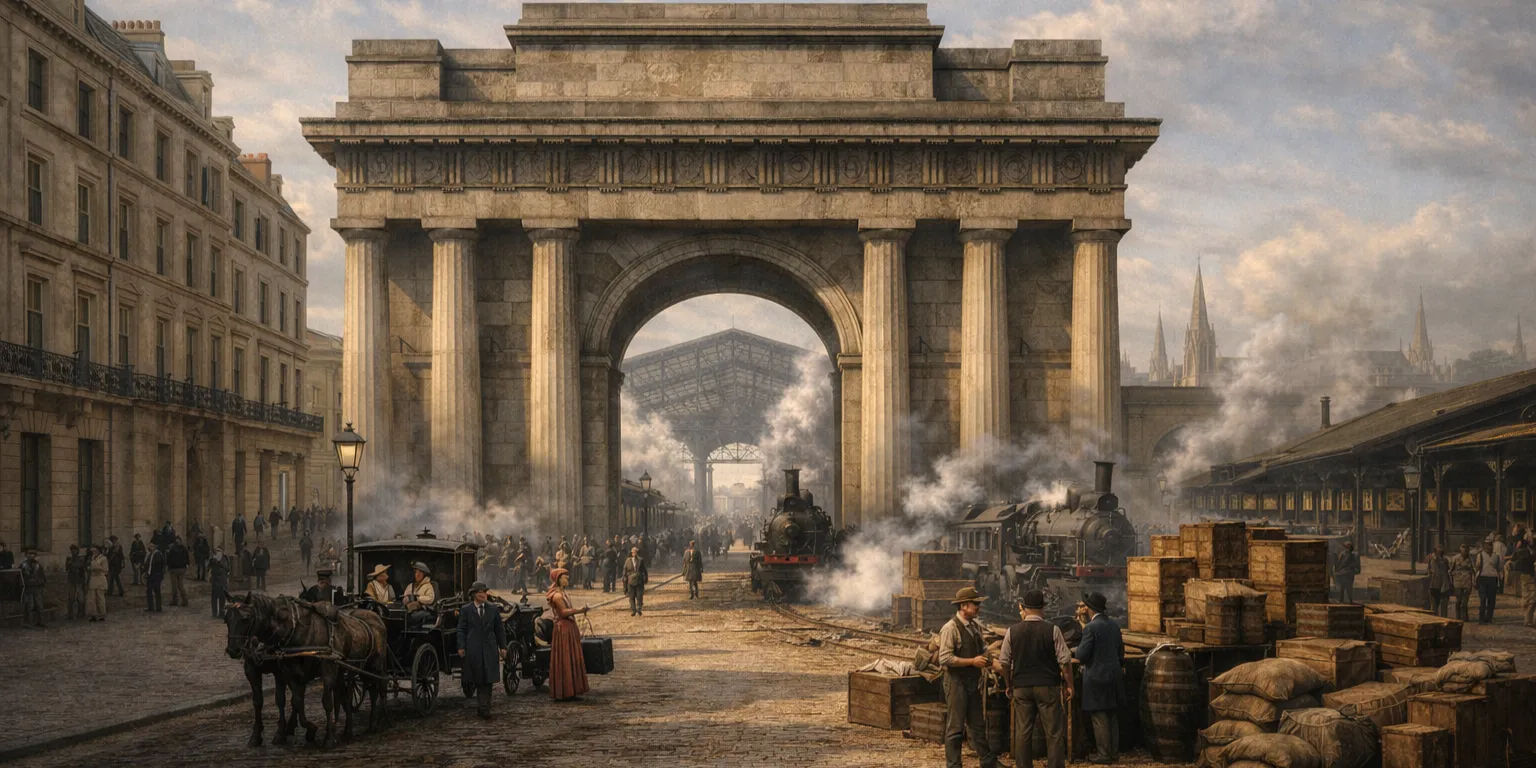
Northgate
Northgate was once a small suburban region surrounding the northern approaches to Lundeinjon, but it has expanded dramatically in the past thirty years, largely due to the influence of The Albion Railway, becoming one of the city's largest and most populous regions. Many of the buildings in Northgate have been constructed since the turn of the century, rising around the relics of the ancient village of Blackthorne that once lay to the north of Lundeinjon. It is considered by many to be the most modern and advanced region of the city and is associated in the public imagination with progress and the future.
Demographics
Many of Northgate's residents are new to Lundeinjon, having come to the city within the last few decades as the Railway drove the district's expansion. Most arrive from the villages, towns, and cities across the island of Albion, and the district is known for its array of regional accents from throughout the Empire. Together, they create an atmosphere unlike the rest of the city, one that feels detached from the weight of history and oriented instead toward a future built on rails and industry.
History
Until recently, the district of Northgate did not exist as such. The name referred instead to a gate on the northern edge of St Cuthbert Below, set within the old second city wall. Beyond it lay Northgate Road, bordered by small villages and open farmland.
The city began creeping northward during the eighteenth century. The establishment of the Imperial Albion Museum at the edge of Kingsward in 1733 marked an early push in that direction, followed by St Mary's Workhouse in 1758 and Old Thomas's Cricket Ground, constructed just northwest of the Old North Gate in 1767.
In 1784, the village of Maidenwolfe was officially absorbed into the city. The Maidenwolfe neighborhood now forms the southernmost extreme of Northgate, spilling over into Kingsward and Windreach. Lundeinjon College was established there in 1806 near the Imperial Albion Museum, cementing the area's reputation as an enclave of the intelligentsia.
At the same time, development was pressing north from another direction. The growth of the medical nexus along Wealry Street on the northeastern edge of Kingsward extended steadily outward. In 1780, the Imperial College of Surgeons constructed Lincoln Hall as its new headquarters at the northern end of Wealry Street, just beyond the official city limits. Lincoln Hall now marks the transition from Wealry Street in Kingsward to North Wealry Street in Northgate.
The true transformation, however, began with the construction of Grafton Station in 1814. As Lundeinjon's first major railway station, it catalyzed the rapid expansion of Northgate. Trade from the northern regions of Albion accelerated to unprecedented levels, bringing vast quantities of goods and people into the city.
In 1815, Lundeinjon officially absorbed the area surrounding Grafton Station, and Northgate was added to the official map of the Lundeinjon Metropolitan Police Force. Growth has not slowed since. The opening of the Grafton Hotel in 1816, the Northgate Goods Yard and its iconic Roundhouse in 1817, and the much larger North Cross Station in 1830, only months old, have confirmed Northgate as the fastest growing region in Lundeinjon, with no sign of slowing in the years ahead.
Points of interest
The Railways
The most iconic and defining buildings in Northgate are those associated with the Railway. Grafton Station is easily recognized by the enormous marble arch over its entrance, while the brand new North Cross Station is the largest single building in the city.
Between them lies the Northgate Goods Yard, where much of the freight traffic is unloaded and stored. At its center stands the Roundhouse, where the mighty engines of The Albion Railway are rotated upon an enormous plate that shifts them onto one of a dozen different tracks passing through the yard.
Nearby is the magnificent Grafton Hotel, which opened a year after Grafton Station and provides an elegant experience for those who arrive by rail but cannot afford the more exclusive hotels of Kingsward.
Maidenwolfe
Once the village of Maidenwolfe, this neighborhood now straddles the intersection of Northgate, Windreach, and Kingsward. It is home to the Imperial Albion Museum, a public institution dedicated to human history and culture, filled with artifacts brought to Albion from across the world.
At its heart stands the Imperial Library, a collection of reference works that rivals any in existence and may be accessed by those who can present their credentials as serious researchers to the head librarian. The Museum's central lounge is filled with diligent scholars day and night, and many great works of science and thaumaturgy have their roots there.
Maidenwolfe is also home to Lundeinjon College, one of the first institutions of higher education located within the city itself. Like nearby Crown College in Lantern Row, it was founded as a secular institution and does not share the historical ties to the Church of Albion by which older universities are both sustained and constrained.
More recently, in 1817, it was joined by the Imperial Polytechnic Institute, a personal project of the Prince Consort. The Institute focuses on the practical disciplines of higher education, particularly those arts applicable to the advancement of the Empire's industry, including manufacturing, engineering, mining, and applied thaumaturgy.
North Wealry Street
An extension of Wealry Street in Kingsward, North Wealry Street begins at Lincoln Hall, headquarters of the Imperial College of Surgeons and home to the Calderwood Museum of Anatomical Specimens.
Beyond Lincoln Hall are the offices of several specialists and physicians who cannot afford premises further south but remain highly regarded in their fields. In 1814, Lundeinjon College Hospital opened at the northern end of the street, providing a first class teaching hospital to the residents of northern Lundeinjon, one that is even patronized by some of the wealthy gentlemen of Kingsward.
Relics of the Past
Though Northgate is defined by progress, several landmarks remain from before The Albion Railway established itself in the district. The most notable is Blackthorne Church, said to be the oldest surviving church dedicated to God in Heaven on the island. Scholars believe it was constructed around 314 ID, and it stood in the village of Blackthorne for nearly fifteen centuries before being absorbed into Lundeinjon.
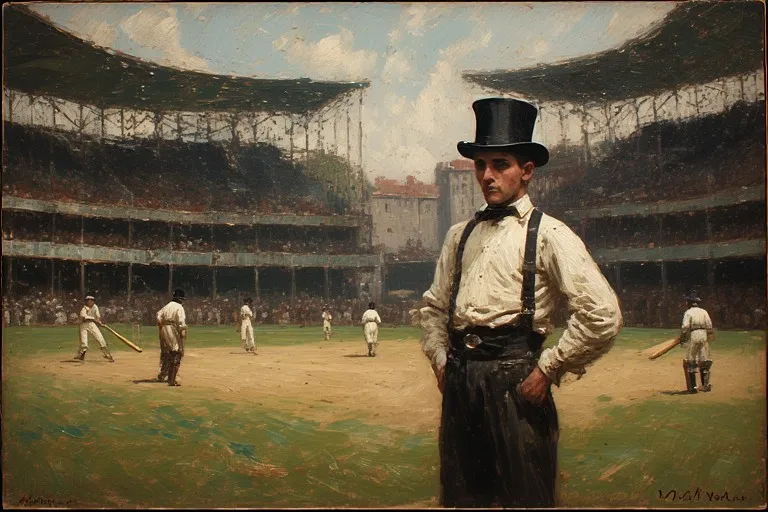
Other, less venerable institutions also predate the formation of Northgate. St. Mary's Workhouse, a four story building on Fitzroy Road near the border of St Cuthbert Below, has provided care and occupation for The Poor since 1758. Nearby stands Old Thomas's Cricket Ground, where the sporting gentlemen of Prince Harry's Club often spend their afternoons playing and watching cricket, and where the Albion Cricket Test Championship has been hosted for half a century.
Garden Squares and Barracks
Northgate is also known for its iconic garden square residences, elegant townhouses arranged around shared green spaces where families of good standing and substantial means reside. The best known of these are Maidenwolfe Square and Eldon Square, both located in southern Northgate on sites where old villages were transformed into handsome new developments.
Finally, there is one of the newer additions to the district: the Ossulston Barracks. Built in 1827, they serve as the headquarters of the Lundeinjon Militia Company, which stands at the pleasure of the Lord Mayor to defend the city from threats without and within.
Related Articles
Visions of Northgate
Below are paintings of Northgate by some of Lundeinjon's most prominent artists.
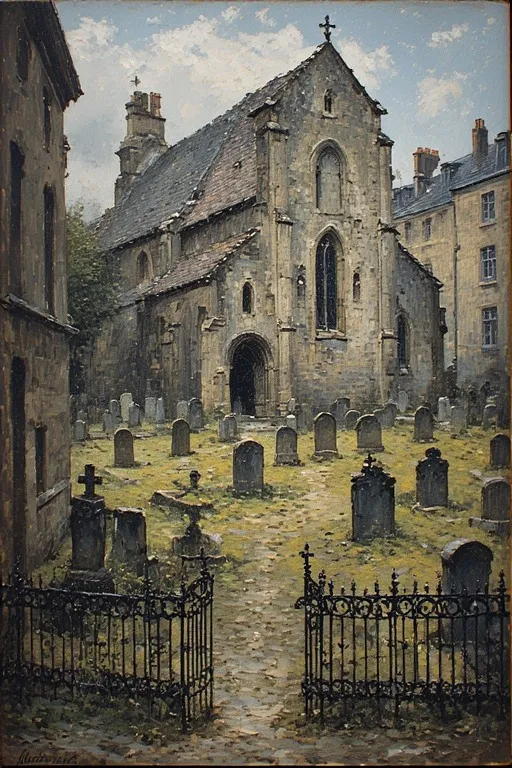
Blackthorne Church by J.S.A. Carver
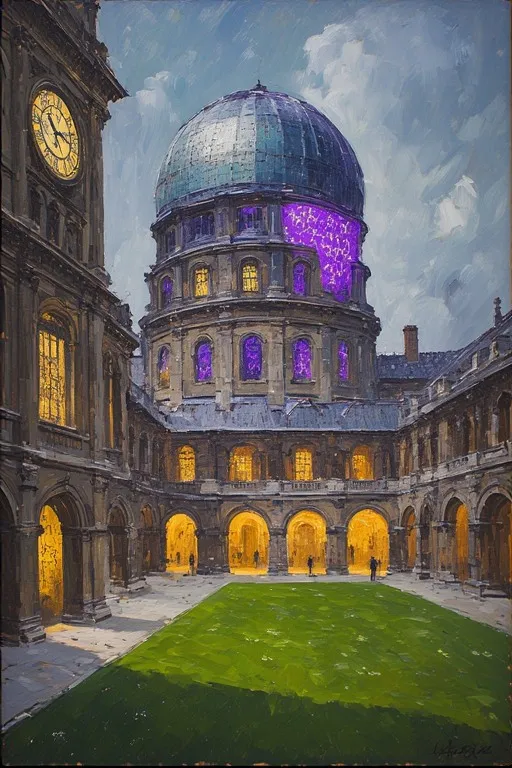
Lundeinjon College Applied Thaumaturgy Building by Frank Dearings
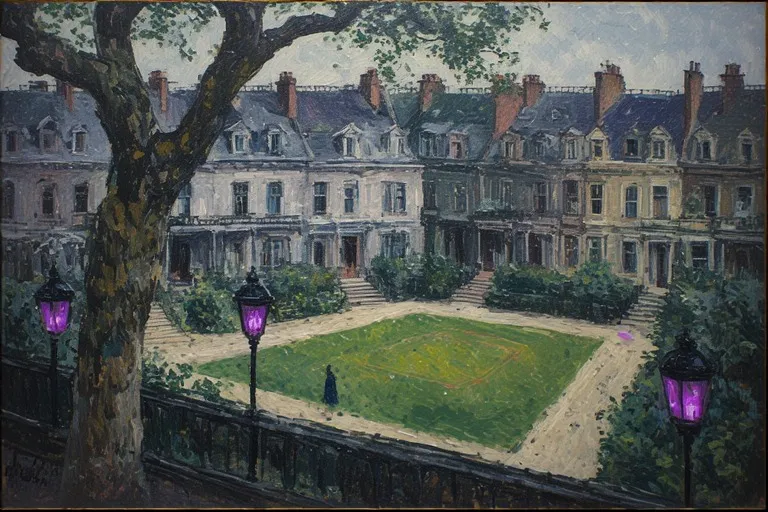
Maidenwolfe Square by J.S.A. Carver
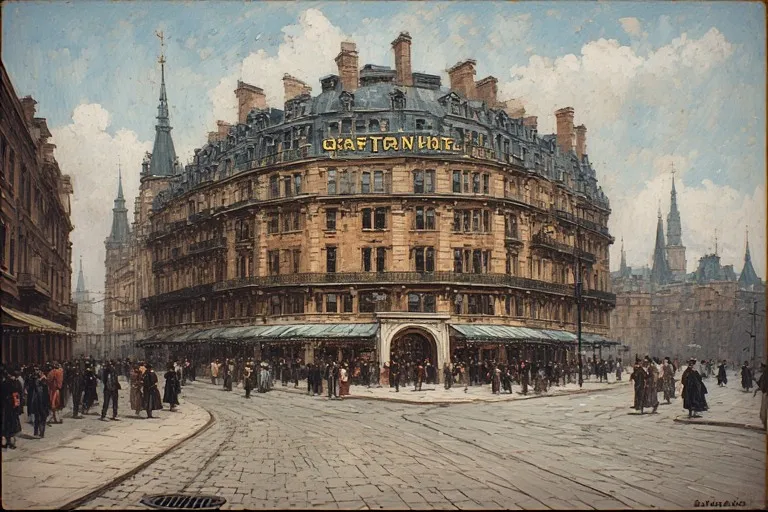
Morning at the Grafton Hotel by J.S.A. Carver
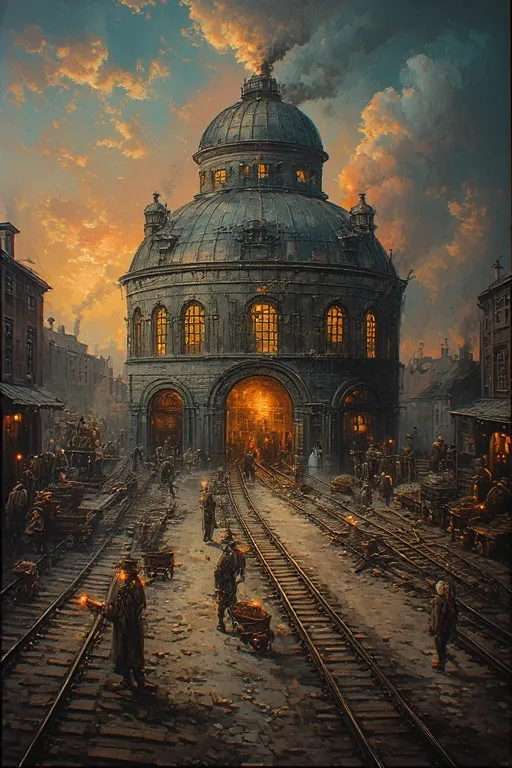
Morning at the Roundhouse by Georges Deoille
Morning at the Roundhouse by Georges Deoille
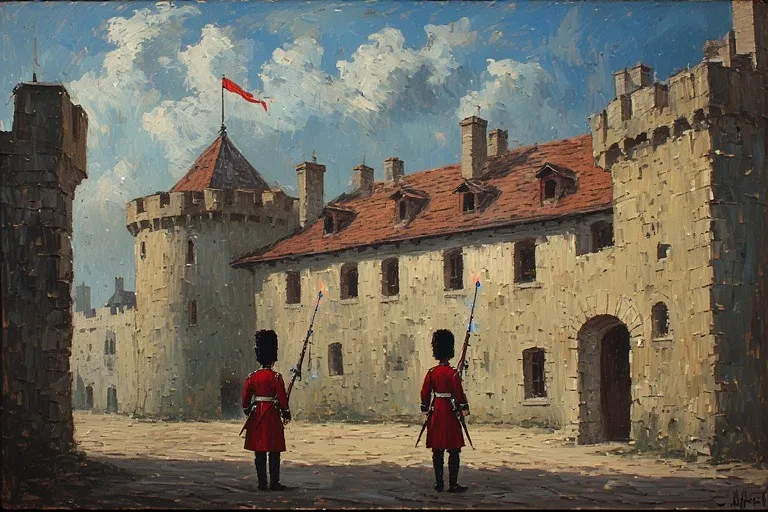
Ossulton Barracks by Frank Dearings
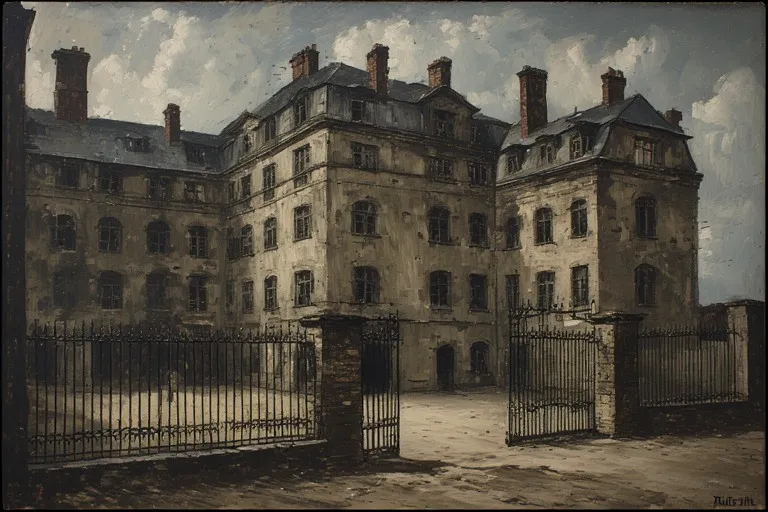
St Mary's Workhouse by Maex Darles
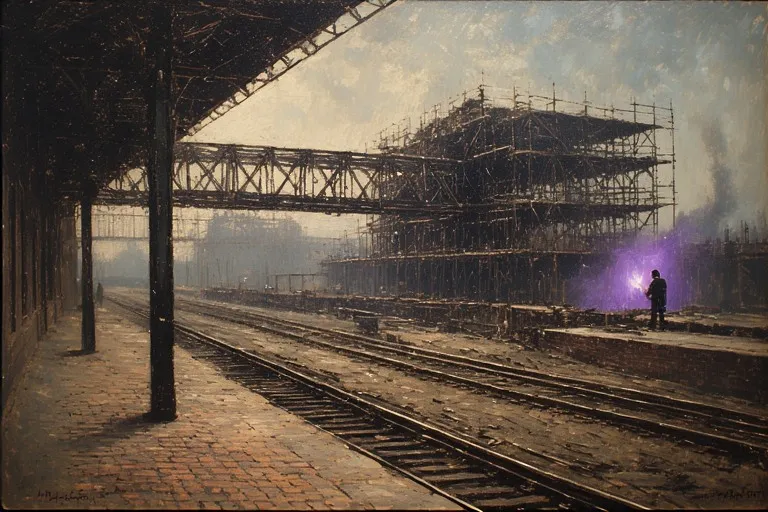
Sunday Work on North Cross Station by Maex Darles


Were the old inhabitants of the villages moved on, or housed in the new developments? I love how you've tied in the railway to the rapid expansion of this area.
Explore Etrea | Summer Camp 2026
Moved on, mostly. The villages were owned by the lords, not the residents. Thanks!