
Dunhaven
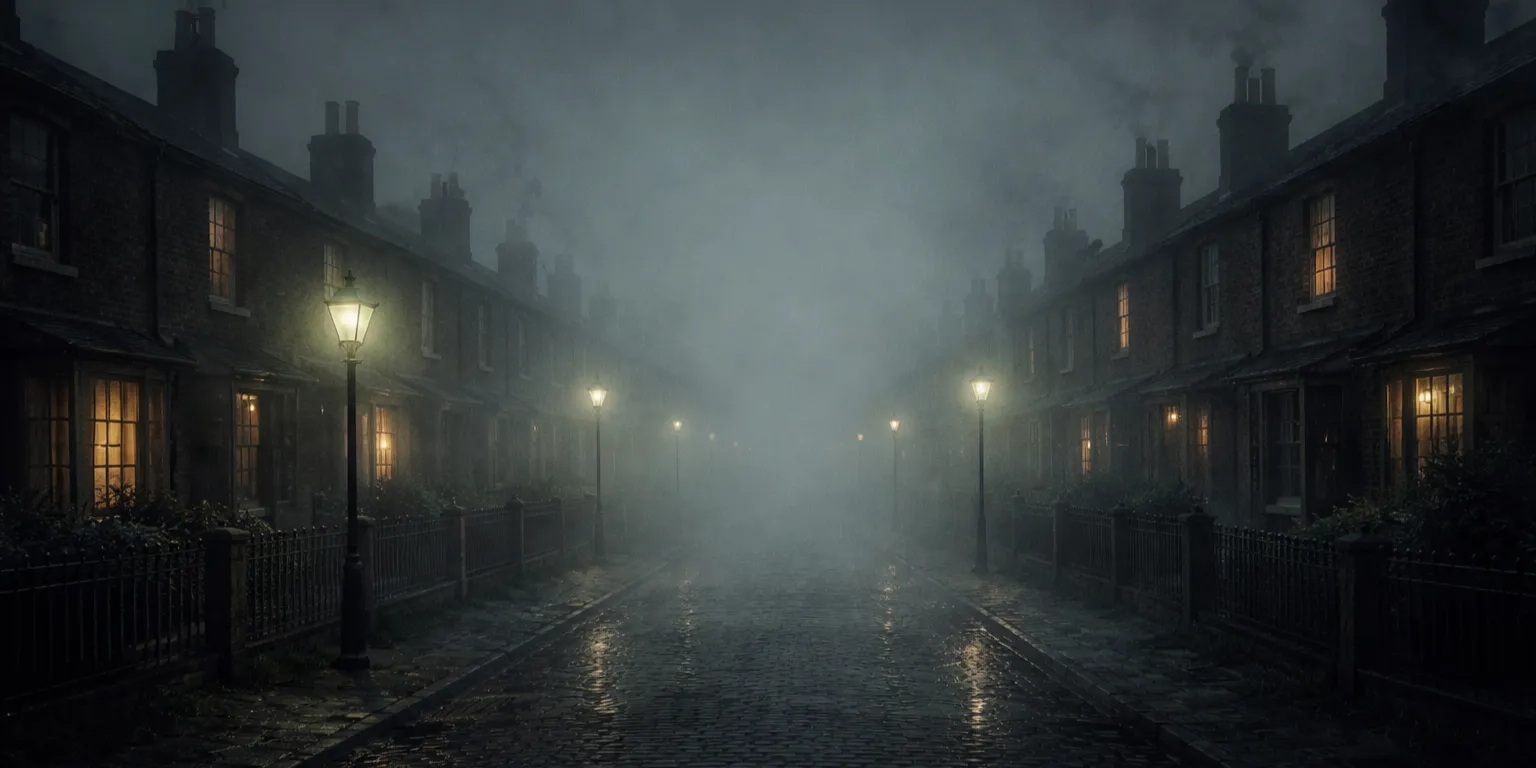
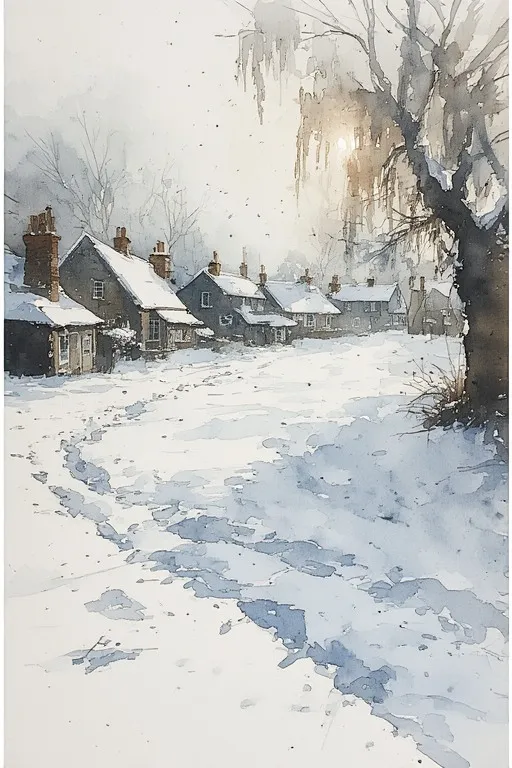
Dunhaven is a quiet, residential neighborhood that has grown up on the southeastern edge of the city over the last century. It consists largely of modest residential streets arranged around the old villages that predated the newer cottages. Many residents commute into the inner city. At night, fog tends to creep up from the marshes of neighboring Blackwater, wrapping each house in a thick veil of mist until the rising sun burns it away.
Demographics
Dunhaven is a melting pot of the original rural population of the villages and new residents from the city. These newcomers include skilled artisans and factory foremen from Copper Hill, clerks and shopworkers who commute to the city by train or omnibus, and workers who arrived with the railway: engineers, signalmen, porters, and omnibus drivers who live in the railway cottages and boarding houses near Dunhaven Rail Station.
The district is not known for excessive wealth or poverty, and the people who live there feel comfortable looking down upon the slums of Blackwater and Eastbridge to their north and west, despite having far more in common with The Poor in their tenements than with the wealthy nobles and financiers across the river.
History
Over the last century, the area of Dunhaven has transformed from a rural district southeast of Lundeinjon into a suburban area just outside the city, and finally into a residential neighborhood within the city bounds.
The district now called Dunhaven was originally six villages: Kenningham, Dunhaven, Brodmead, Alderwick, Wickham-on-Leye, and Millbrook. As the city of Lundeinjon swelled in population, its borders grew ever closer to the villages, eventually swallowing them whole.
In 1818, the construction of Dunhaven Rail Station connected the district to the city by rail, bringing in new residents who could easily commute to regions such as Northgate, and later Ashmarket.
The most transformative event, however, was the construction of the Kenningham Cottages between 1820 and 1823. A project of The mac Domnall Institute, the cottages were built as model homes, each equipped with a small garden plot and laid out in neat rows across the land between the villages. Each street was lit by brilliant alchemical lanterns that still fail to pierce the nightly fog rolling over the district.
The old villages remain where they have always stood, now islands of individuality in an ocean of conformity.
Points of interest
While Dunhaven often feels like a maze of identical buildings, there are several key landmarks, mostly associated with the ancient villages of the district.
The largest of the villages was Dunhaven itself, now dominated by Dunhaven Rail Station, which connects the district to The Albion Railway. Just beyond the tracks stands the Dunhaven Constabulary, in the shadow of Bramblehurst Reformatory Prison, which is considered a model for future reformatories across the Empire.
Turning back toward the city proper, we find Dunhaven Commons, with St. Stephen's Church overlooking the green. This church was built in 1824 in response to the district's growth and stands on the site that once held the Dunhaven gallows. Across the commons from the church stands The Antlers Tavern. This ancient pub has an assembly hall attached, once used by the Dunhaven village council, and is available today for use by political or other gatherings.
North of Dunhaven Village lies the neighborhood of Millbrook Village. Millbrook is best known for the annual fair held on Millbrook Green, a riotous affair featuring circus performers, loud concerts, and all-night drinking. The Mother Damnable Inn stands on the edge of the green, as it has for nearly two centuries; it has recently been expanded to include a music hall with nightly performances.
On the opposite side of the village are two quieter establishments: The Aged Sojourners' Asylum and the Peckham House Lunatic Asylum. The first is a refuge for the elderly, who are sheltered here through the generosity of wealthy donors to the Friends of the Aged Sojourner, a philanthropic group dedicated to the welfare of those who are elderly, impoverished, and of good moral character. The latter is a private asylum for the mentally ill, set upon a twenty-acre walled estate. It houses up to one hundred and fifty patients whose families choose to pay for their care rather than place them in the state-funded Beedle's Imperial Asylum in Almsward.
East of Millbrook Village stands Wickham-on-Leye and the Wickham Zoological Gardens. This fifteen-acre attraction was constructed in 1811 to compete with the Lundeinjon Zoo in Fairstrand and is known for its large public entertainments, such as reenactments of the eruption of Mount Mehercle and impressive fireworks displays visible throughout the district and beyond.
Moving further inland toward Blackwater is the area of Kenningham Village. The largest feature here is Kenningham Green, a large cricket pitch straddling the border of the district. Kenningham is also home to The Davy School, a charitable boarding school for children of the lower classes who can pass the stringent entrance examinations. The students of The Davy School range in age from four to sixteen, and many go on to attend one of Lundeinjon's colleges, or even the University of Carbury should they prove exceptionally gifted.
Also in Kenningham is Roan Street Market. This open-air market is filled with stalls selling fresh food brought from farms beyond the city limits, as well as goods delivered from the shopping centers such as Ashmarket and Southbridge Market. Many residents of Dunhaven visit Roan Street Market on a daily basis, and it remains one of the central components of the district's social fabric.
South of Roan Street lies another market, this one in the vicinity of Brodmead Village on the border of Eastbridge. Brodmead Market is an enormous traditional open-air market spans the boundary between Eastbridge and Dunhaven and has operated in one form or another since at least 1570. It contains hundreds of stalls and is known for cheap and second-hand goods, especially clothing, brought to the market from all over the city, with "second-hand" often serving as a euphemism for "stolen." Prices here are lower than in most other marketplaces in the city, although anyone who appears too affluent will find that merchants quietly increase their rates.
Finally, in the southern corner of the district lies the neighborhood of Alderwick Village. It is the smallest of the villages, and its only notable landmark is the Alderwick Female Penitentiary, a unique prison in Lundeinjon dedicated to reforming women convicted of "moral crimes" such as prostitution or adultery. It is the only prison in the Empire devoted solely to female prisoners and, after a scandal early in its history, has gone so far as to employ a completely female staff.
- Alderwick Female Penitentiary
- Bramblehurst Reformatory Prison
- Brodmead Market
- Dunhaven Commons
- Dunhaven Constabulary
- Dunhaven Rail Station
- Millbrook Green
- Peckham House Lunatic Asylum
- Roan Street Market
- St. Stephen's Church
- The Aged Sojourners' Asylum
- The Antlers Tavern
- The Davy School
- The Mother Damnable Inn
- Wickham Zoological Gardens
Copper Hill
Eastbridge
Related Articles
Visions of Dunhaven
Below are paintings of Dunhaven by some of Lundeinjon's most prominent artists.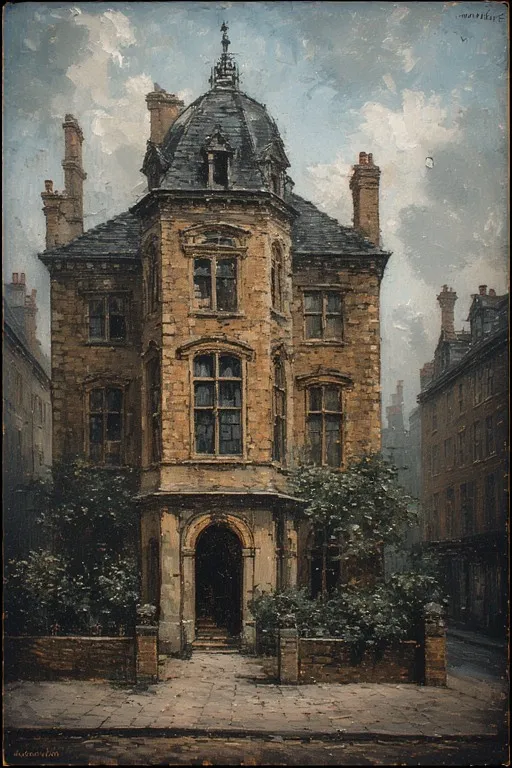
Aged Sojouners by J.S.A. Carver
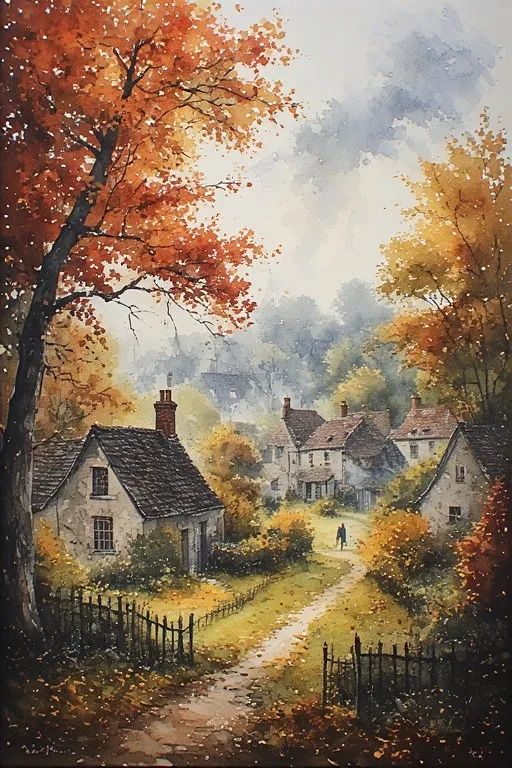
Autumn Commons by J.S.A. Carver
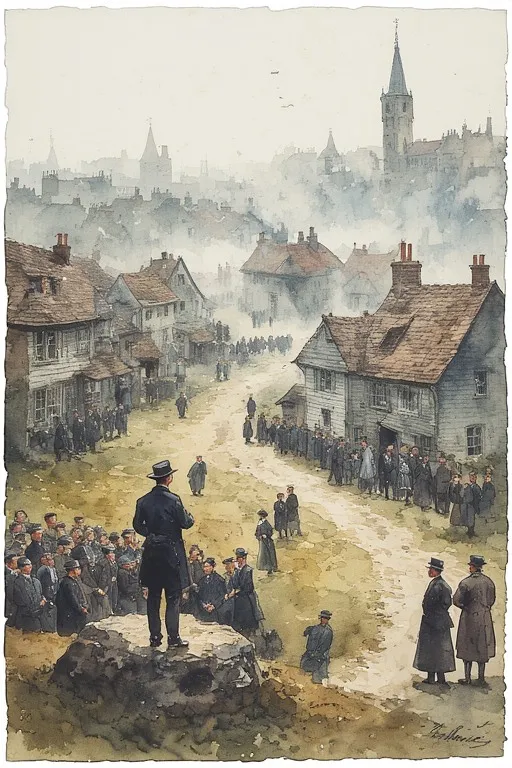
Combination Meeting at Dunhaven Commons by J.S.A. Carver
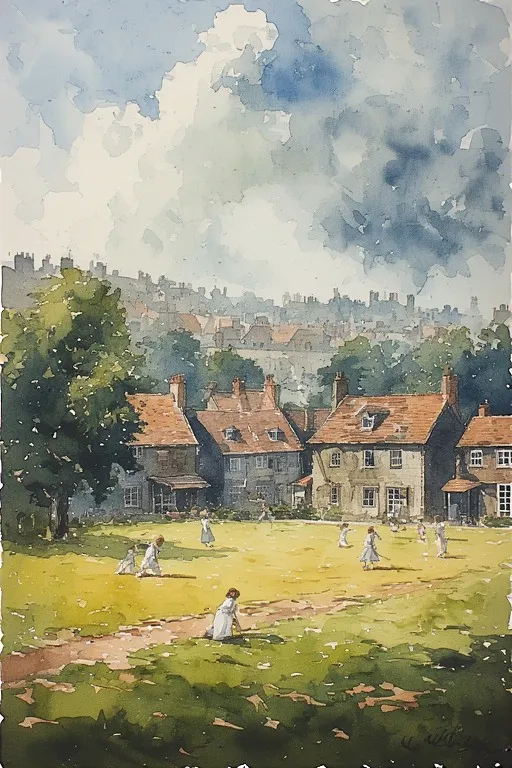
Cricket at Dunhaven by J.S.A. Carver
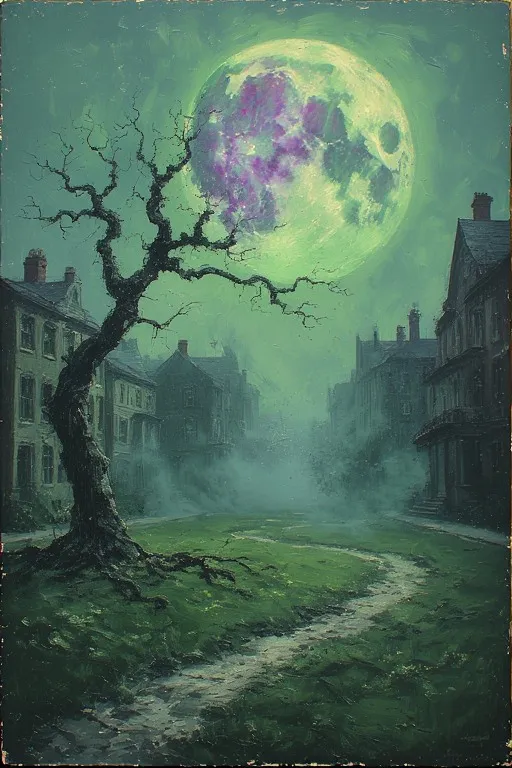
Dunhaven Commons by the Weird Moon by J.S.A. Carver
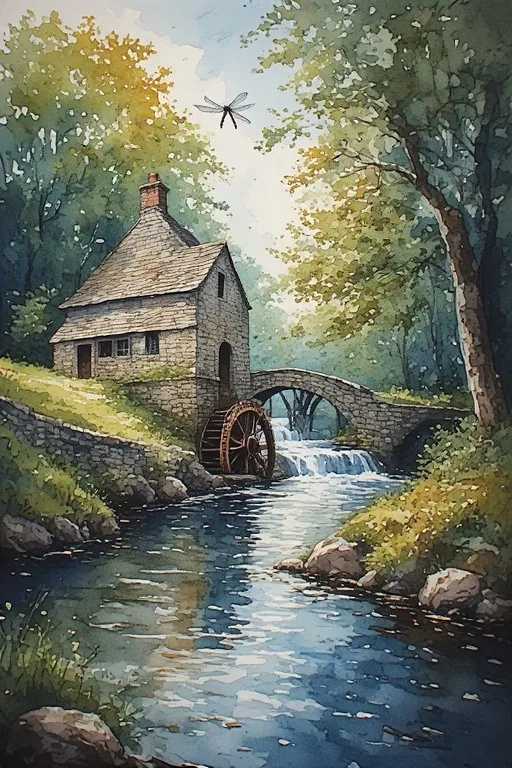
Dunhaven Mill on the River Leye by J.S.A. Carver
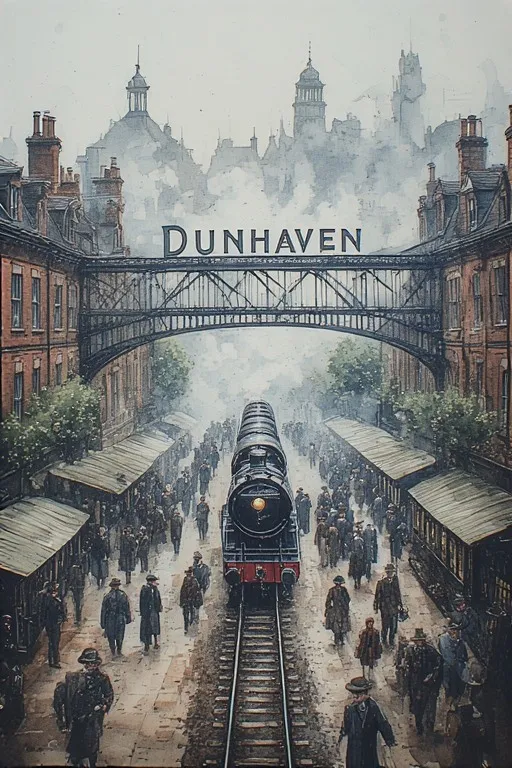
Dunhaven Station by J.S.A. Carver
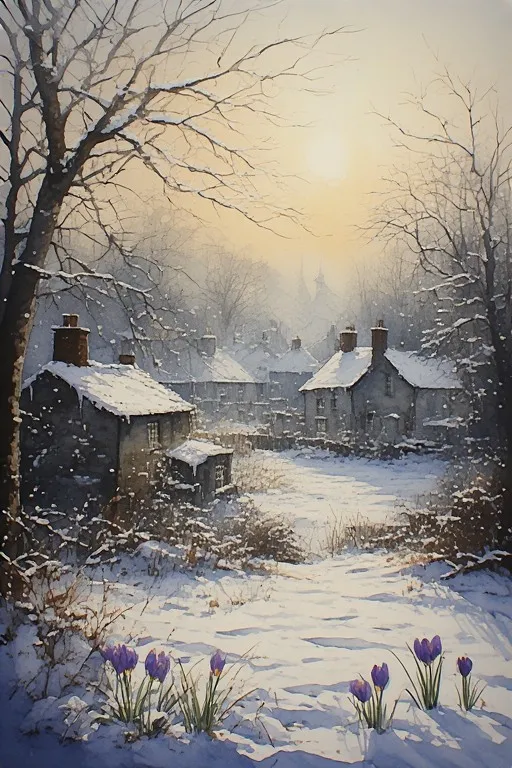
Early Spring on the Commons by J.S.A. Carver
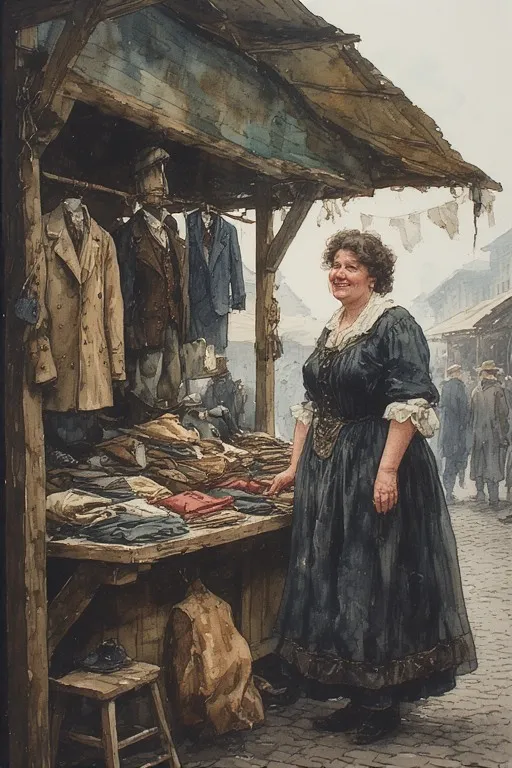
Finest Clothing in Lundeinjon by J.S.A. Carver
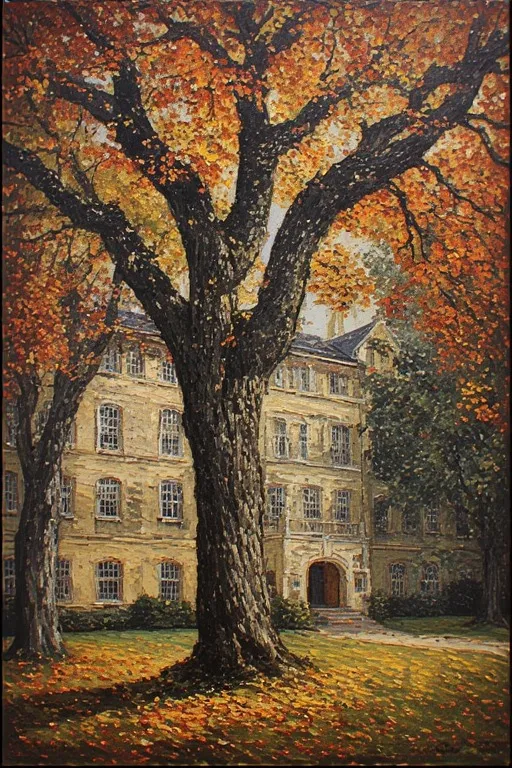
First and Best Classroom - The Davy School by J.S.A. Carver
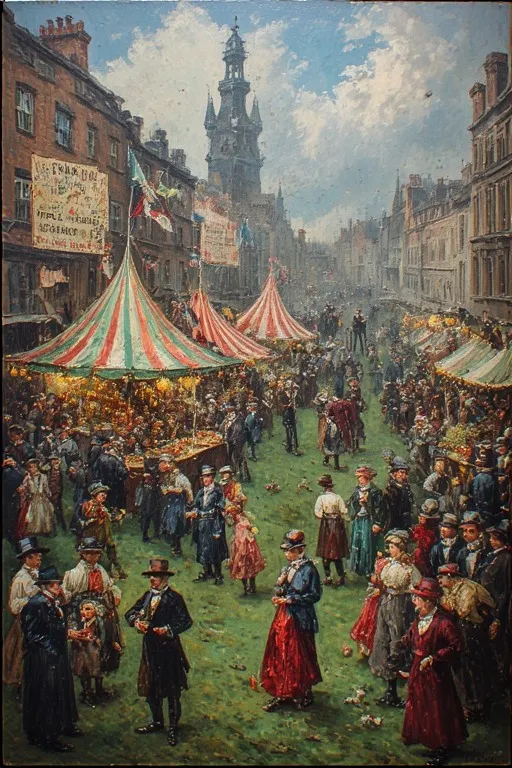
Millbrook Fair by J.S.A. Carver
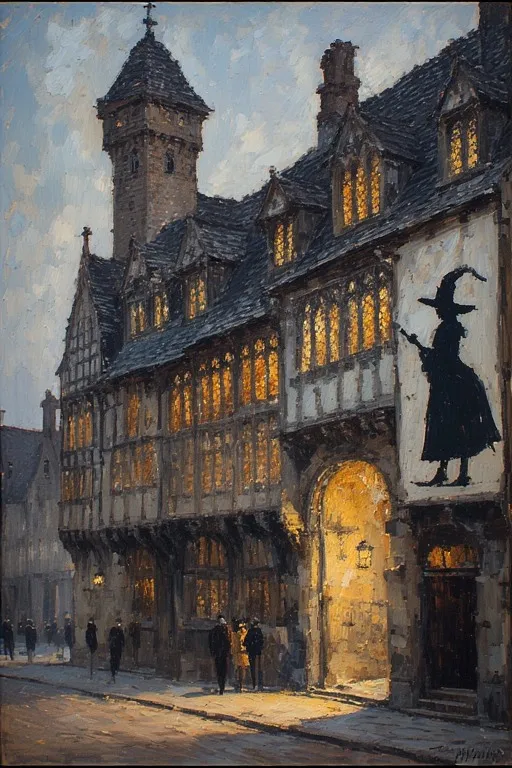
Mother Damnable by J.S.A. Carver
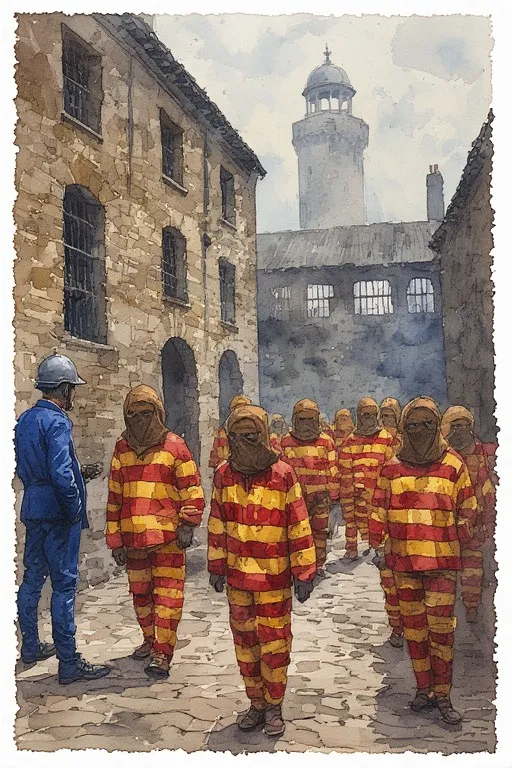
Reform by J.S.A. Carver
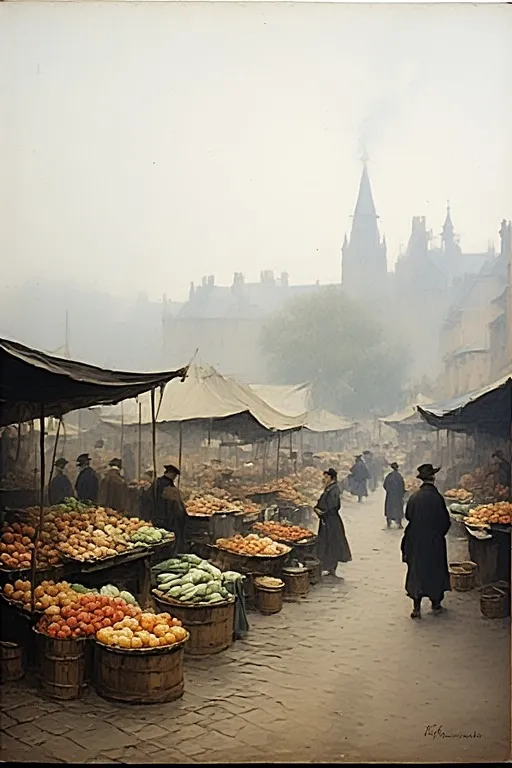
Roan Street Market by J.S.A. Carver
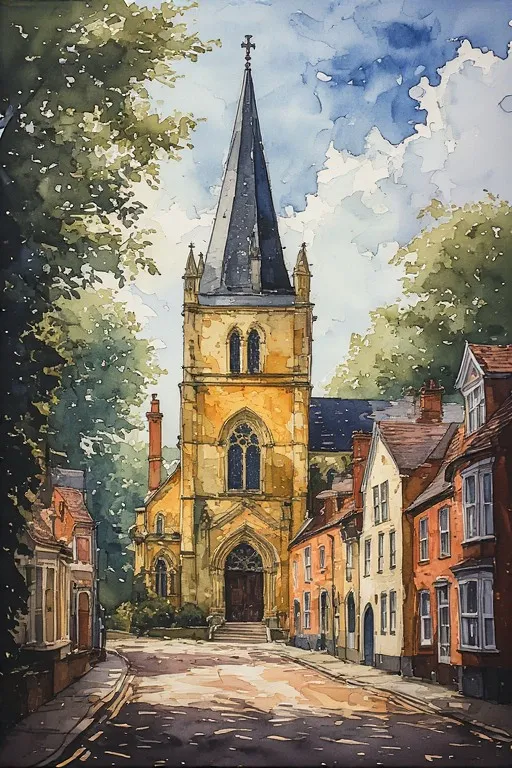
St. Stephen's by J.S.A. Carver
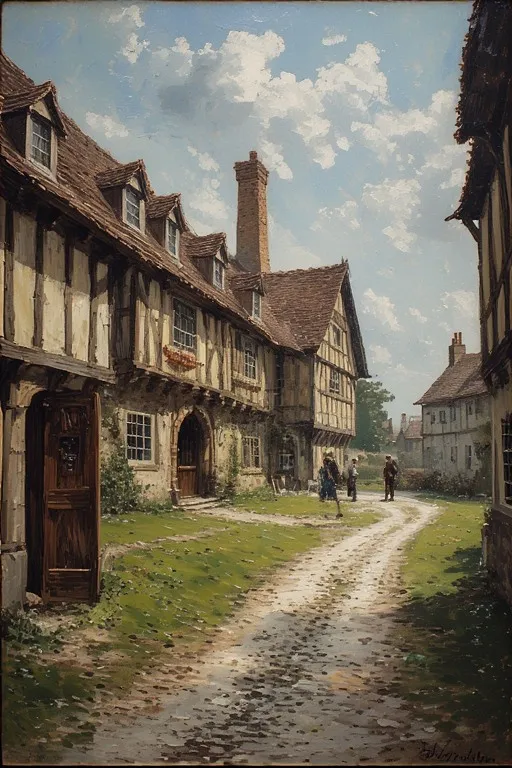
The Antlers by J.S.A. Carver
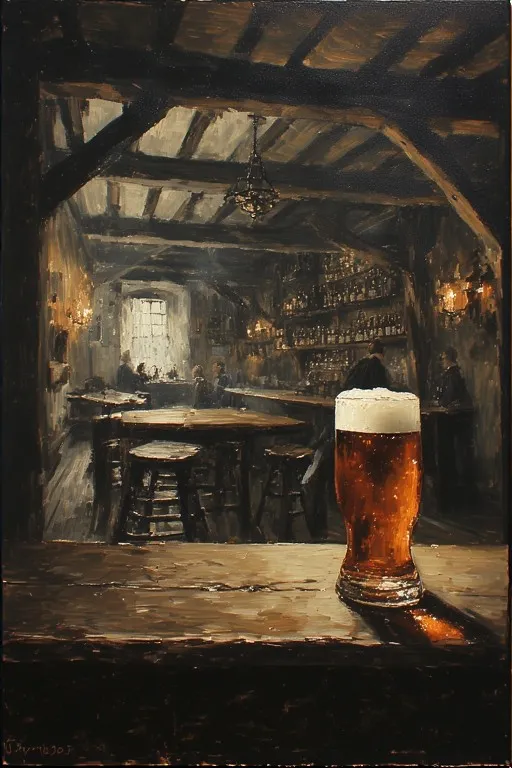
The Artist At Rest by J.S.A. Carver
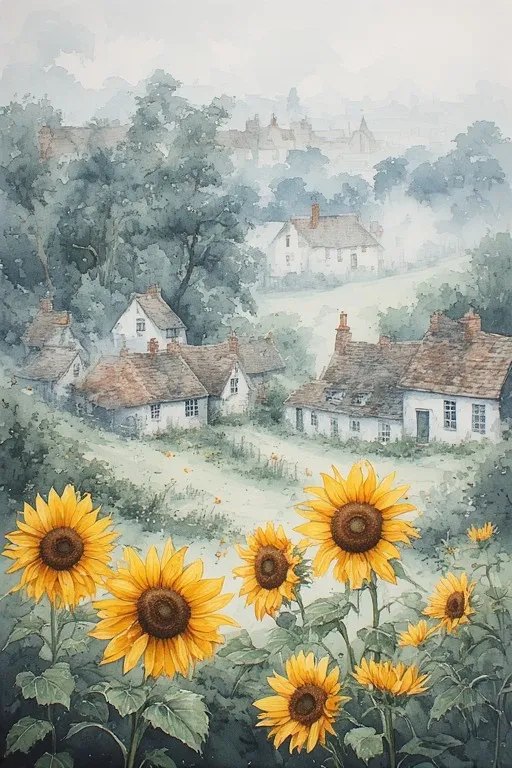
The Artist's Garden by J.S.A. Carver
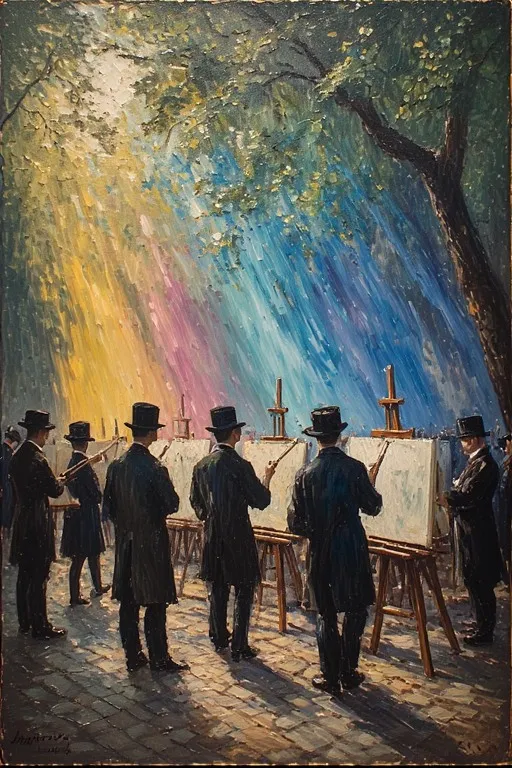
The Invasion of Dunhaven Commons by J.S.A. Carver
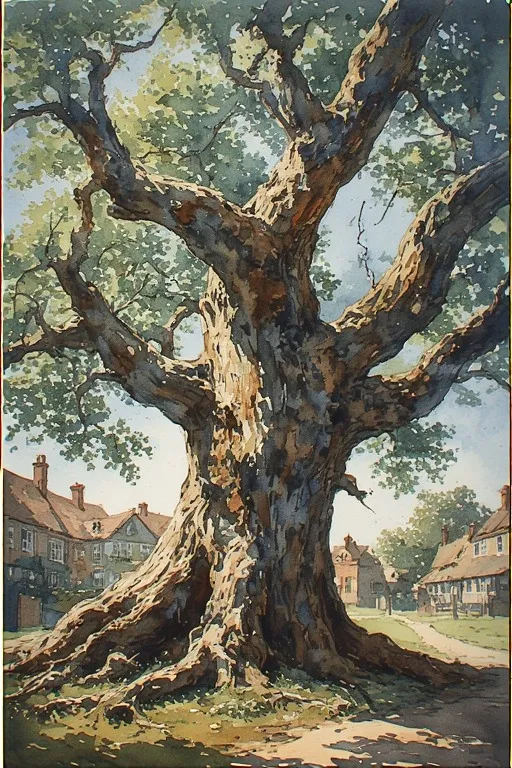
The Monarch by J.S.A. Carver
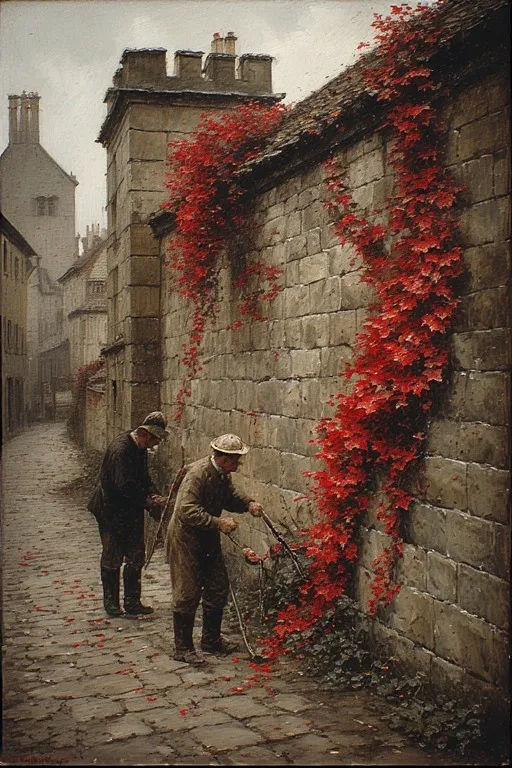
The Walls of Peckham by J.S.A. Carver
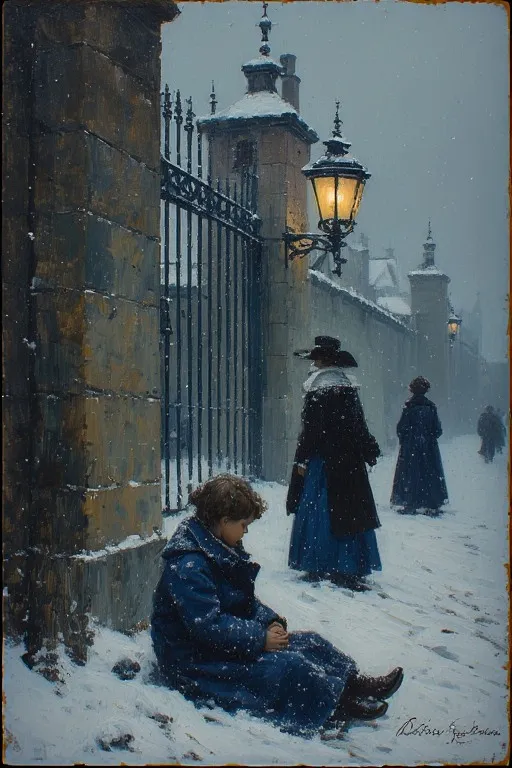
Waiting for Mother by J.S.A. Carver
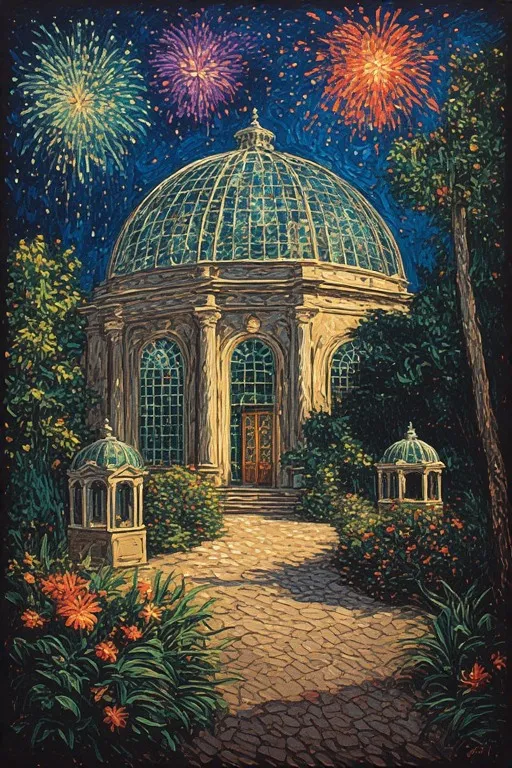
Wickham Zoological Garden by J.S.A. Carver


Comments
Author's Notes
Thanks to Daernhelm for making the images in "Visions of..."