
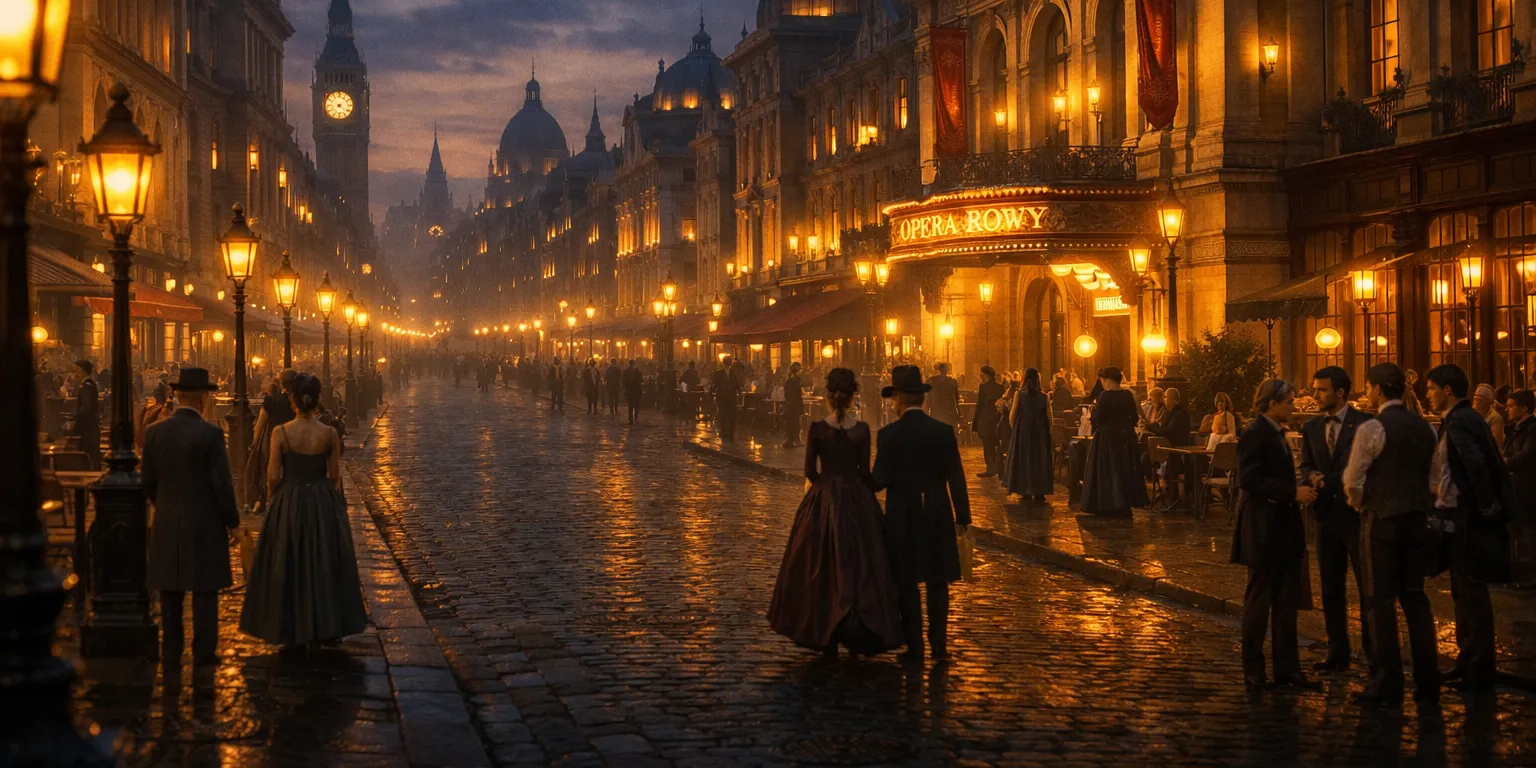
Lantern Row
Lantern Row is a brightly lit and storied district of Lundeinjon, known for its many theaters and entertainments. It is centered on Marchway Road, more commonly called "the March," which runs the length of the district from the Vesper Court townhouses on the Lunde all the way to Northgate. The streets around the March are filled with smaller theaters, shops, cafes, and coffeehouses, and are alive at all hours of the day and night. The March is known for the alchemical lanterns that line both sides of the street and that inspired the neighborhood's name. It is the center of much of Lundeinjon's nightlife among the middle and upper classes, and being seen on the March is an integral part of Lundeinjon Society.
Demographics
The residents of Lantern Row tend to be younger than those of other districts in the city and more diverse in origin than in the more respectable neighborhoods that surround it. They are often actors, musicians, or other entertainers and are therefore not considered bound by the same rules of propriety as their audiences. The citizens of Lundeinjon expect actors to be disreputable and uncivilized, and while they would not welcome them into their homes, they are certainly entertaining to watch.
The streets of Lantern Row are often noisy late into the night, filled with the sounds of after-show revelry. Many citizens of Lundeinjon can speak of youthful adventures spent living in Lantern Row but have since moved on to quieter, more civilized locales.
History
The core artery of Lantern Row is Marchway Road, or "the March." This road dates back to the last days of Pallaman Albion, when it marked the city's outer perimeter just beyond the second Lundeinjon wall. For centuries, the district lay at the edge of Lundeinjon and was home to those who could not find accommodation within the city proper.
As Ashmarket to the west grew in prominence as the city's premier bazaar, increasing traffic passed along the March, and street entertainers began to use the space for performances. Over time, these performers established themselves in playhouses and music halls, and the district became the place to be for those in search of diversion.
The area did not acquire the name Lantern Row until 1712, with the opening of the Grand Opera House. To celebrate the occasion, newly invented alchemical lanterns were placed all along the March, creating a spectacle of light that astonished all who saw it. Although originally intended as a temporary display, the illumination proved so beloved by visitors that it became permanent, and the street remains lit by alchemical gas lamps to this day.
Points of interest
The Grand Opera House
The Grand Opera House is the largest and most iconic of Lantern Row's theaters and the prime location for the elite of Society to see and be seen. It is renowned for its operas, concerts, and ballet. Many in Society, however, spend less time watching the performers than observing one another. Reputations are made and broken at the Opera, and a misstep there is likely to be known across the city within the day.
The Gaslight Palace
At the opposite end of the March from the Grand Opera House stands the Gaslight Palace, a theater of a very different character. It is best known for its burlesques, featuring witty parodies, cross-dressed heroines, and risqué satire. It is frequented by students, actors, journalists, and all who find the more proper theater of the opera house stifling.
Vesper Court Townhouses
At the end of the March, along the bank of the River Lunde, stand the Vesper Court Townhouses. These elegant riverside buildings overlook the Lunde and consist primarily of private apartments and a few discreet clubs. It is common knowledge that wealthy men of the city lodge their mistresses in Vesper Court. The townhouses are close to the Lunde Tunnel and boast a private dock for those who prefer to arrive by boat.
The Lantern Arcade
A covered emporium just off the March, the Lantern Arcade is filled with curious and delightful shops. It is known for its glass ceilings and lively atmosphere and is a particular favorite of children for its many toy stores. One of its most popular establishments is Merriweather & Pike, Suppliers of Dramatic Illusion. The shop specializes in theatrical thaumaturgy, and many of the spectacular effects seen on Lantern Row's stages originate here.
Crown College
Near the end of the March, where Lantern Row meets Northgate and St Cuthbert Below, stands Crown College, a serious academic institution founded in 1809 by royal charter. It was established as a secular alternative to the other institutions of the time, most notably the University of Carbury. Its students fill the coffeehouses and bookshops of the Upper March and can often be found in the audiences at the district's music halls and playhouses. They also attend lectures at Mancaster Hall, a large public meeting hall used for lectures, reformist gatherings, political speeches, and religious assemblies.
Related Articles
Visions of Lantern Row
Below are paintings of Lantern Row by some of Lundeinjon's most prominent artists.
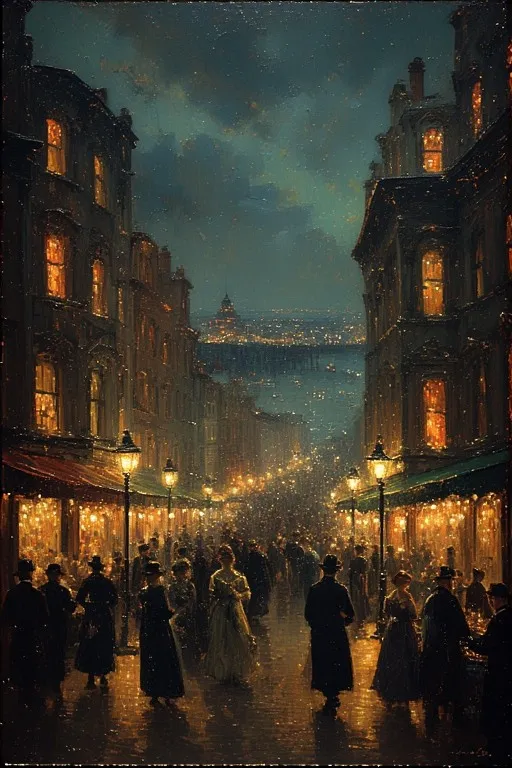
A Long March Home by Georges Deoille
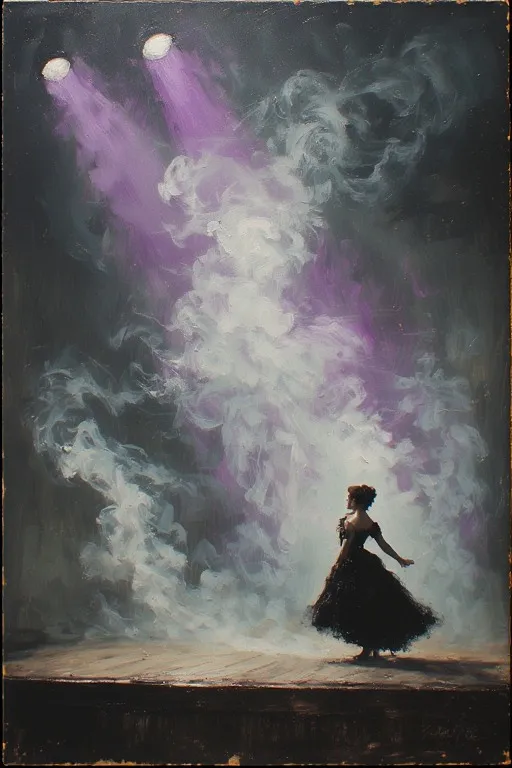
Aria by Georges Deoille
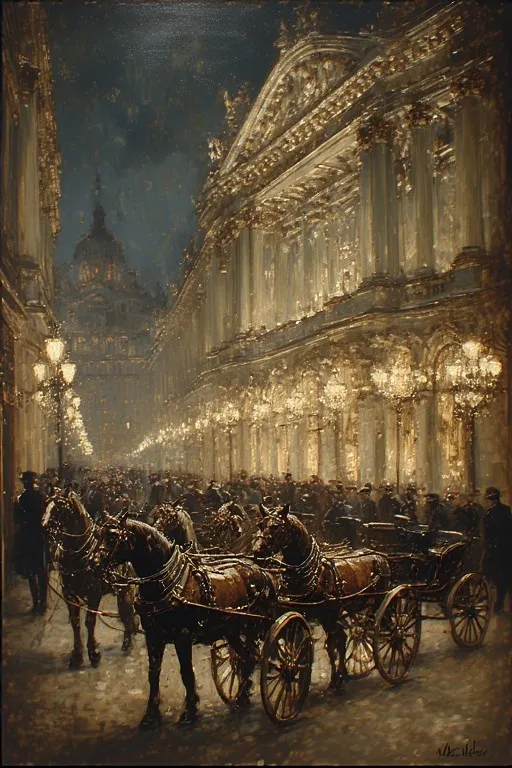
Curtain Call by Georges Deoille
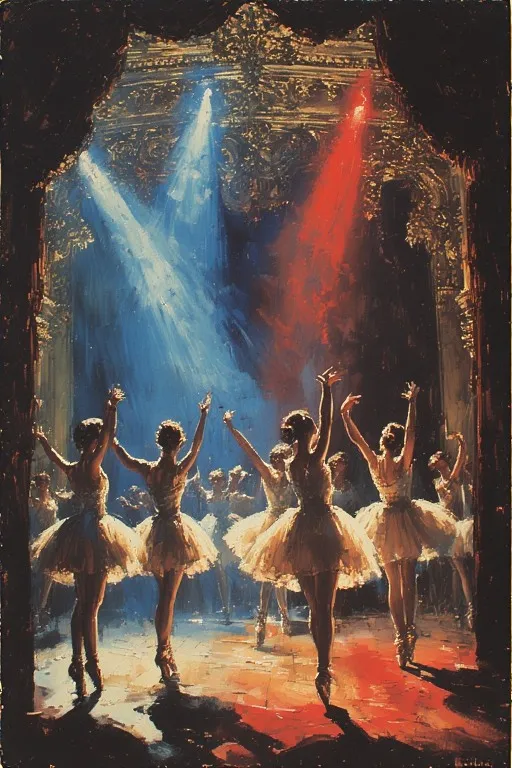
En Pointe by Georges Deoille
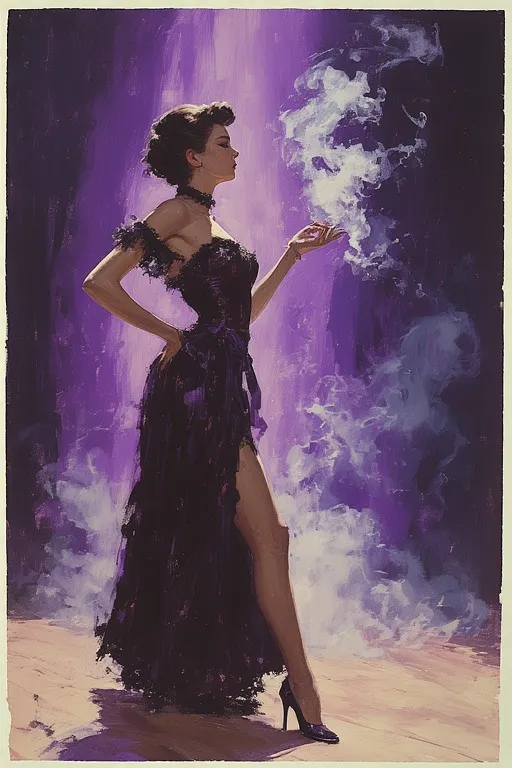
First Pose at the Blue Light by Georges Deoille
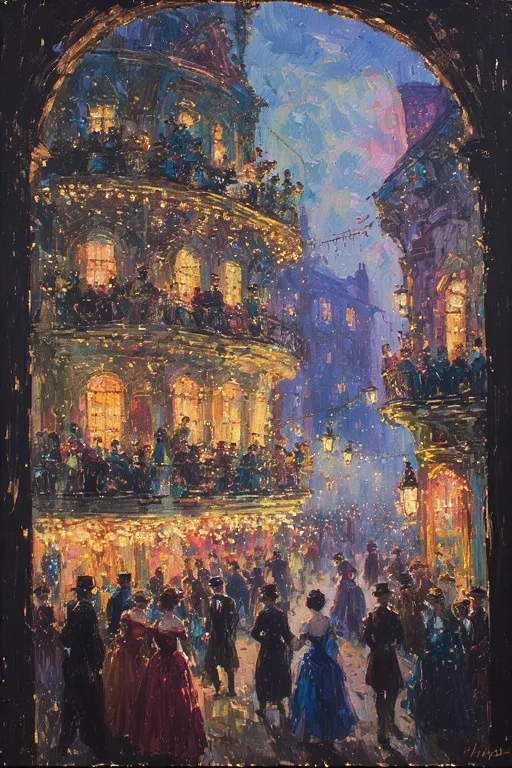
Gaslight Palace by Georges Deoille
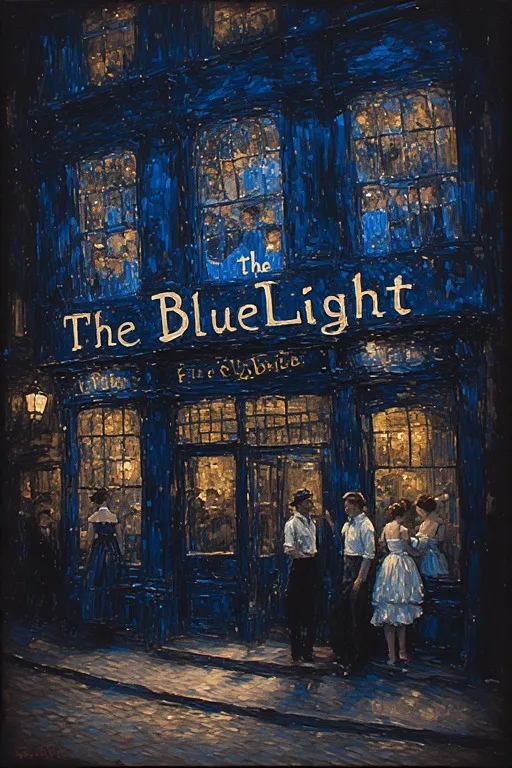
The Blue Light by Georges Deoille
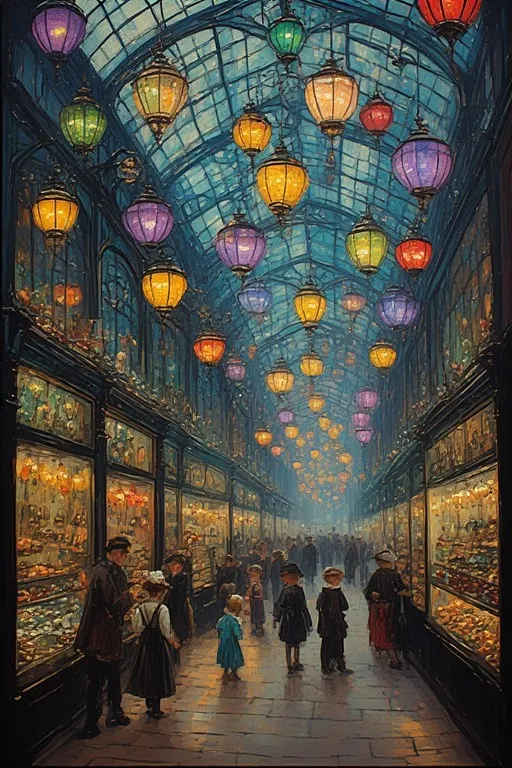





Very nice quasi-Victorian feel.
Thanks!