

Magologist
You have been digging for ages, the earth stubbornly digging back, into your fingernails. Your shovel plunges deeper, deeper, deeper, until finally you strike metal. You begin to uncover the cool metal that has been buried here beneath the earth. You begin to laugh. Finally, after all these years, after all that time searching through texts that were two thirds riddle, and one eighth truth. All those events that you've missed. You uncover the suit of armor as your laughter fills the air.
A Magoligist is, simply put, a person who studies the flow of supernatural energy, often referred to as Magic. These energies are used in the creation of magic items and in the hands of mortals as magical arts. Magologists are not an organized group, each person has their own respective quest, but each to the same goal: to understand truly how this world came to be, and why magic is so ingrained into every aspect of the cosmos. In essence; their goal is to develop a unified theory of magic.
The main requirement of course, which is detailed in full in Responsibilities and Authority, is continuing the quest for a unified theory of magic despite all else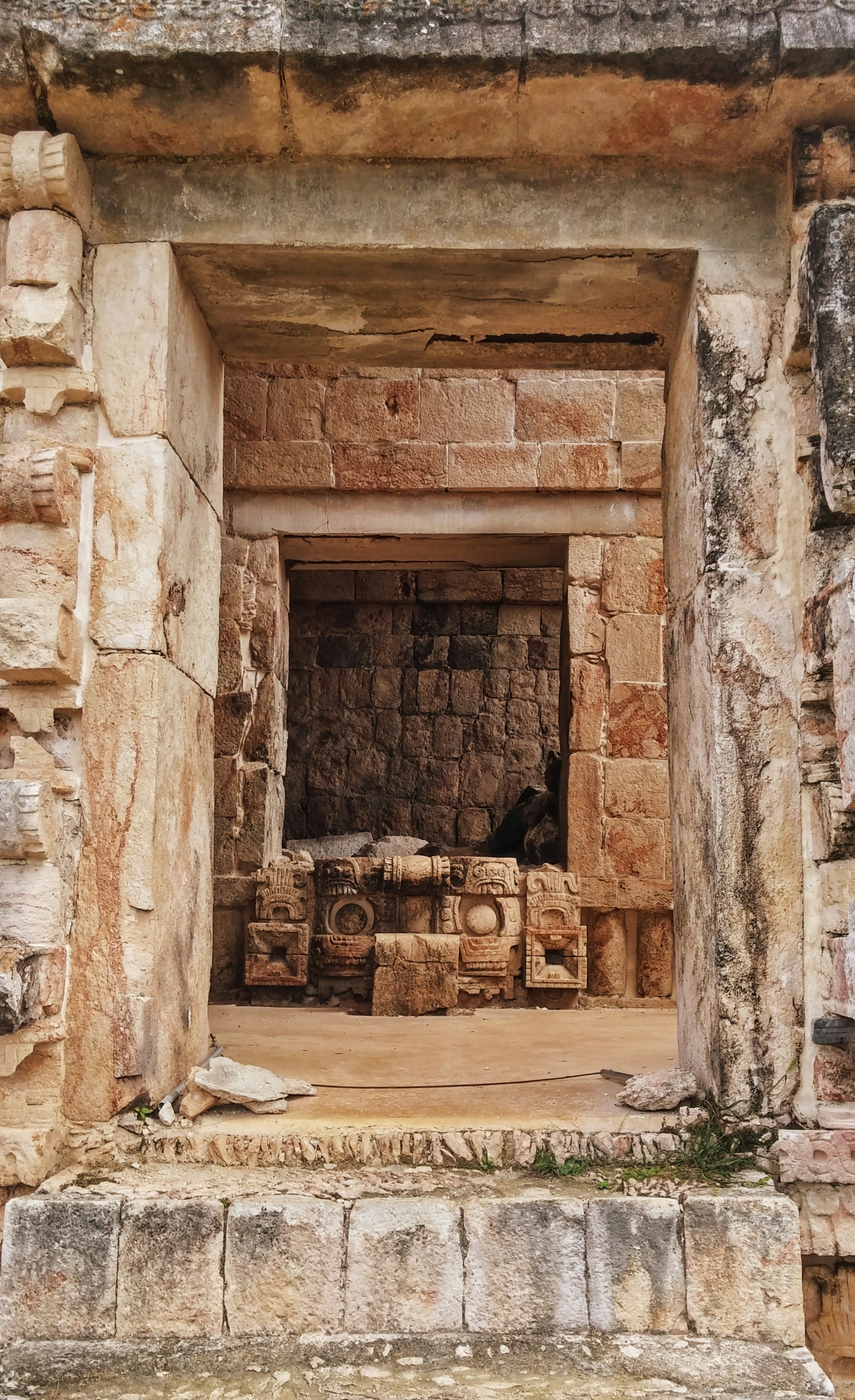 Other common techiniques include: attempting to communicate with gods directly, attempting to understand Planetary gates, attempting to understand magical artifacts, or even simply studying literature. The reason these studies can be so isolated is that they all fuel one another, perhaps someday there will be one person who is credited with "figuring it out" but for now research done by all is used by all.
 In the modern day, magologists are well respected, having made several discoveries which assisted in the advancement of magic. Within acdemic fields they are viewed with a grudging respect, and often referred to as "magic focused pseudo-archeology" Magology has become recognized by several institutions, a few of which have begun to introduce programs for degrees. Most Magologists remain self-appointed however, and the field continues to grow.
A Magoligist is, simply put, a person who studies the flow of supernatural energy, often referred to as Magic. These energies are used in the creation of magic items and in the hands of mortals as magical arts. Magologists are not an organized group, each person has their own respective quest, but each to the same goal: to understand truly how this world came to be, and why magic is so ingrained into every aspect of the cosmos. In essence; their goal is to develop a unified theory of magic.
Function
Qualifications
There are very few qualifications to become a Magoligist. In fact, strictly speaking, there are none. If one wishes they can call themself a Magologist at any time, anywhere, there is no official process for acquiring this title. However, no one is going to take you seriously if you simply call yourself a Magologist, as such the qualifications end up being semi-superficial.Sure buddy, and I'm the KingMost Magologist possess at least one of the magical arts, usually something like Arcane, Read, Tinker, or Guild, which can be used to see the intricacies of magical energy than others. In addition, a knowledge of world history and various other sciences isn't a requirement, but is extremely useful.
The main requirement of course, which is detailed in full in Responsibilities and Authority, is continuing the quest for a unified theory of magic despite all else
Responsibilities and Authority
Responsiblities
The responsibilities of a Magologist are fairly simple, they must attempt to divine the unified theory of magic. How they do this varies drastically. Many opt for "lost city" method, in which a Magologist will spend most of their career searching for one lost city in order to glean insight into the ways their magical technologies work. In the above prose, it details the rediscovery of Thermopylae in the late eighth century, and the Spartan Armors that had been lost there.Research on locating, activating, and maintaining Planetary gates has been essentially for cosmic trade
Authority
Magolists do receive some authority generally. They are often well-respected members of society and are often called upon to help with certain complex aspects of magic, for which they have a greater understanding. In addition, they will often be found working for governments in various positions, both advisory and direct study.History
First usage
The term Magologist was first used a derogatory term to describe those searching for Thermopylae and Atlantis by a newspaper in the early third century. It later expanded to include various other magical pursuits of knowledge and would first be defined by the Goor dictionary in the mid-fith century.Magologist
Noun - Slang
A person who studies the process commonly refered to as "magic."
Modern
Some common tools used in the more field-focused side of Magology
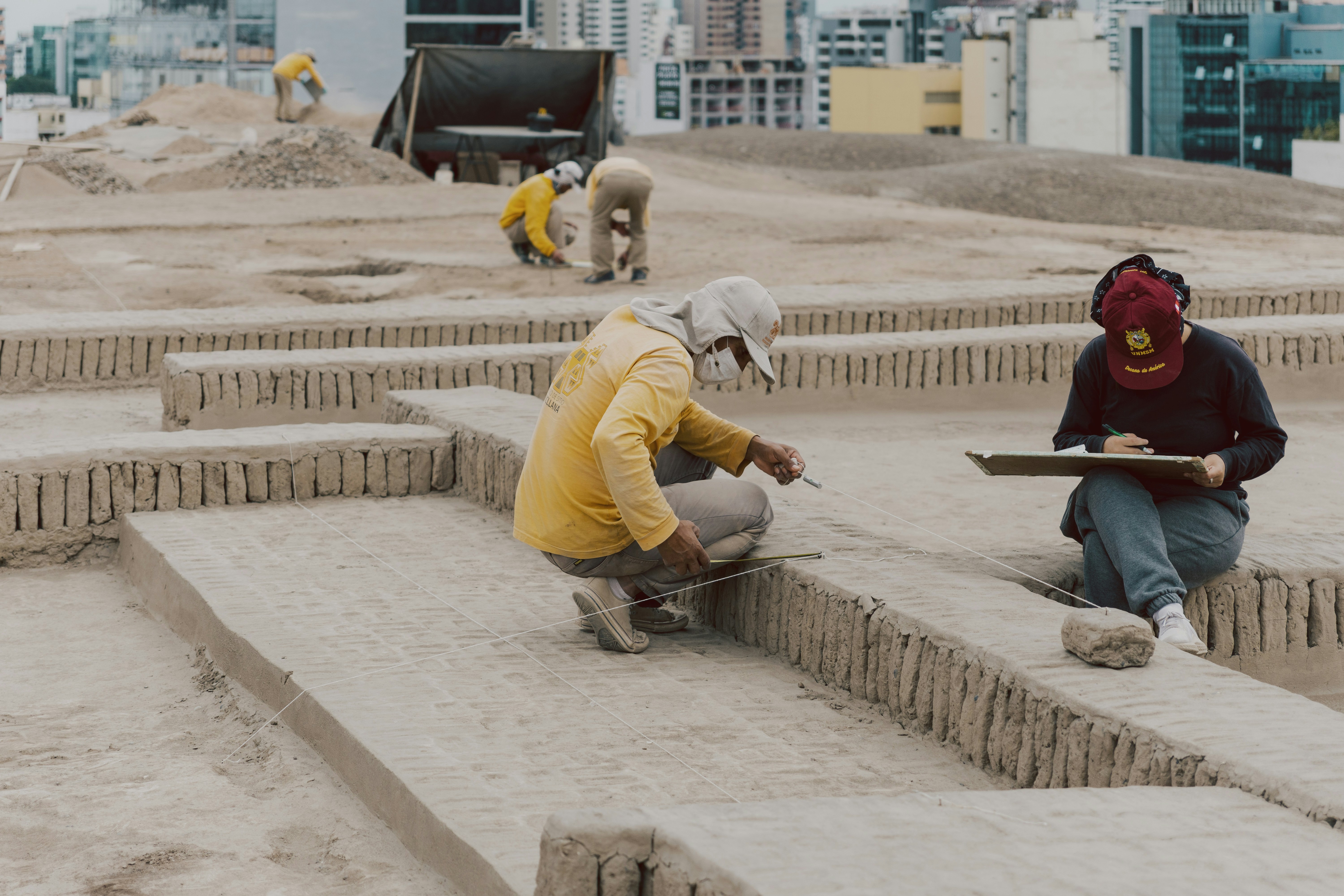
Two Magologists working in the field
Adressed as: Mr. or Mrs. Then name, followed by Magologist at formal gatherings.
Alternate names: Pseudo-Archeologist
Referenced in: Summercamp 2026

Comments