
Resonance Repeater
The technology allowing signals to travel distances
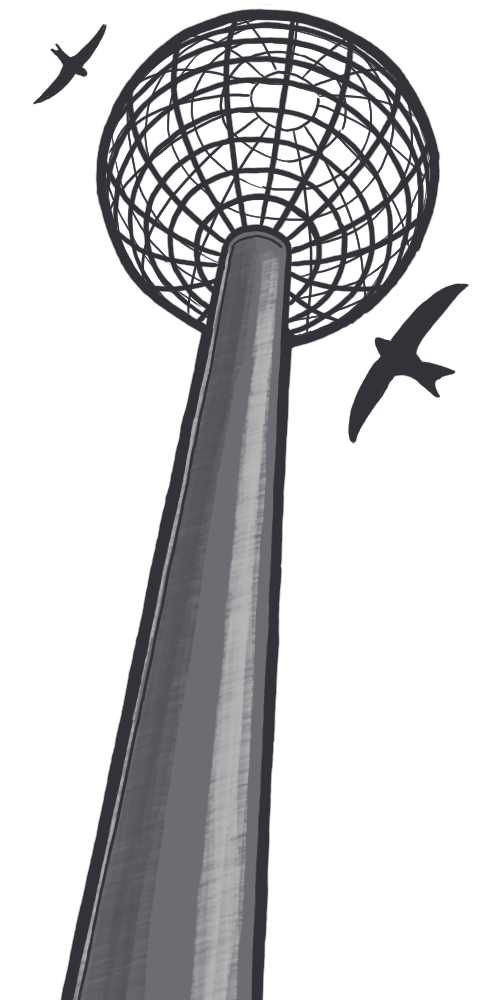
A Resonance Repeater in a mast that repeats the Resonance signal received by either a crystal or another mast, and calculates to send it across its shortest route to its final destination. Resonance repeaters allow for instant messaging across Magnus. They use the theory that every crystal has its own individual resonance.
Utility
When someone sends a message via their computer or phone, the nearest resonance repeater mask picks it up as a signal containing the message content and the sender's and receiver’s IDs. It calculates the fastest route to the receiver and sends. The message typically arrives no less than a second after sending, allowing seamless voice, video, and text messaging.
The System
The System also uses resonance repeaters to triangulate the location of everyone’s personal device. This is how the repeater knows where to send the messages, but it also helps the system understand if there is any traffic congestion, the location of criminals, and general population movement and trends, for example, how many people attended a concert or visited a new branch of a coffee shop.
Manufacturing
Every resonance repeater is made by the Telecommunications Guild. They are cast in carbon fibre with a copper core. At the top, an array of quartz fibre wires allows signals to be caught efficiently, then read and redirected by the central crystal.
History
Resonance was first discovered in 513 and, for years, was used as a means of secret messaging between people in the same room. Over time, its use developed to become a cornerstone of romantic etiquette at social events.
Age of Enlightenment
At the start of the Age of Enlightenment, enabling instant communication for humans became important, initially so they could report on the state of any work they were performing for the Magi.
Trains & Sub-Nauticas
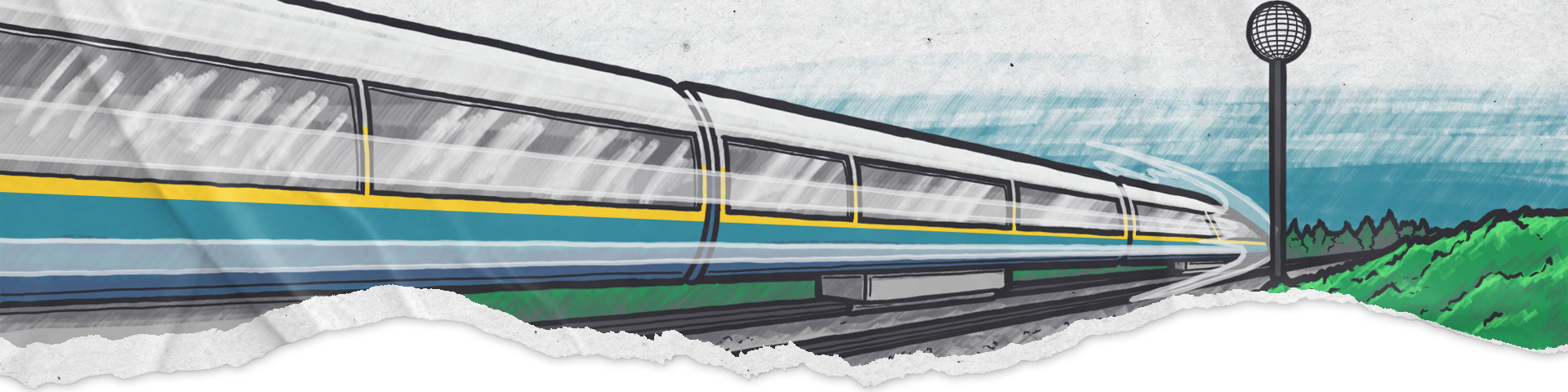
When the first passenger train ran in 733, resonance scientists realised that the track sides would be suitable locations for repeaters. As countries across Magnus became interconnected with train tracks, they also became connected with telecommunications, each one placed a mile from the other. When sub-nauticas first appeared in 742, resonance repeaters also appeared alongside the underwater tracks, and by 775, all of Magnus was connected.
Social Impact
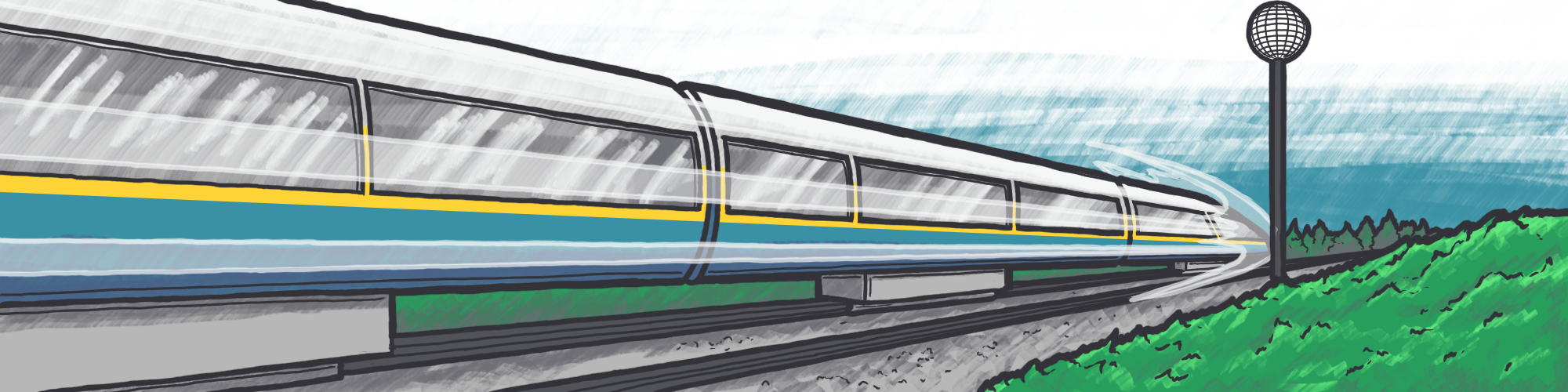
Today, a resonance repeater is an invisible mark on the landscape. They are so common a sight, and so integrated into everyday life, that no one notices them. They can be seen on city streets, in woodlands, mountains, and under the sea. The only time they are noticed is if one breaks and temporarily cuts off a physically isolated community from the rest of the world.


Comments