

Vesari

Children Of The Goddess

“Nothing that quiet is ever harmless.”
— Elan Dakon, 3rd Expeditionary Company, Duchy of Lyanmar
They are very easy to overlook at first.
  A small shape at the edge of a rooftop. A quiet presence beneath a table. A pair of eyes watching from a place that should not hold anything at all. In most worlds, such things are dismissed without thought. A cat is a cat, after all. It moves, it watches, it disappears. Nothing more needs to be said.
  But there are moments when that assumption begins to fail.
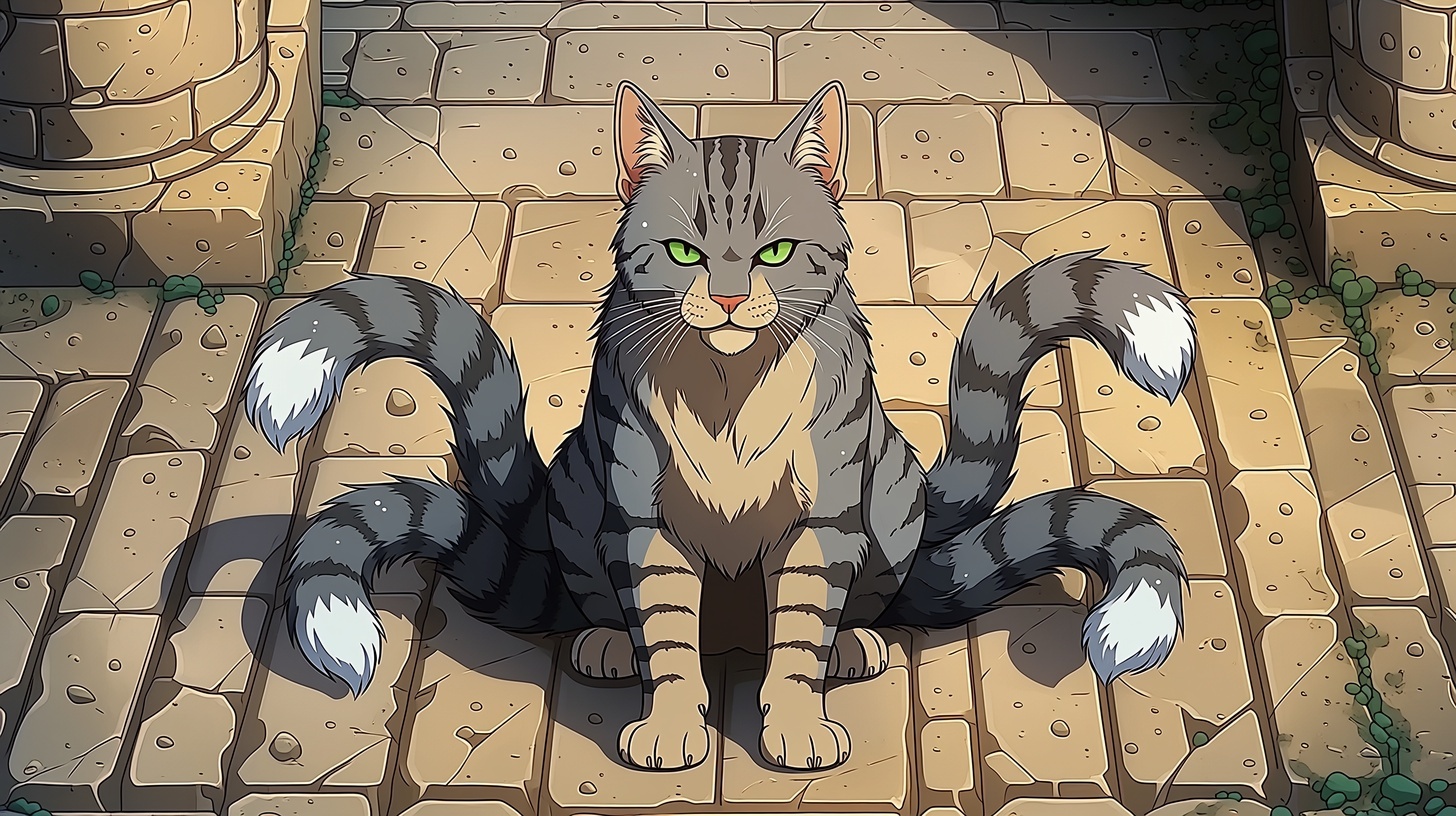
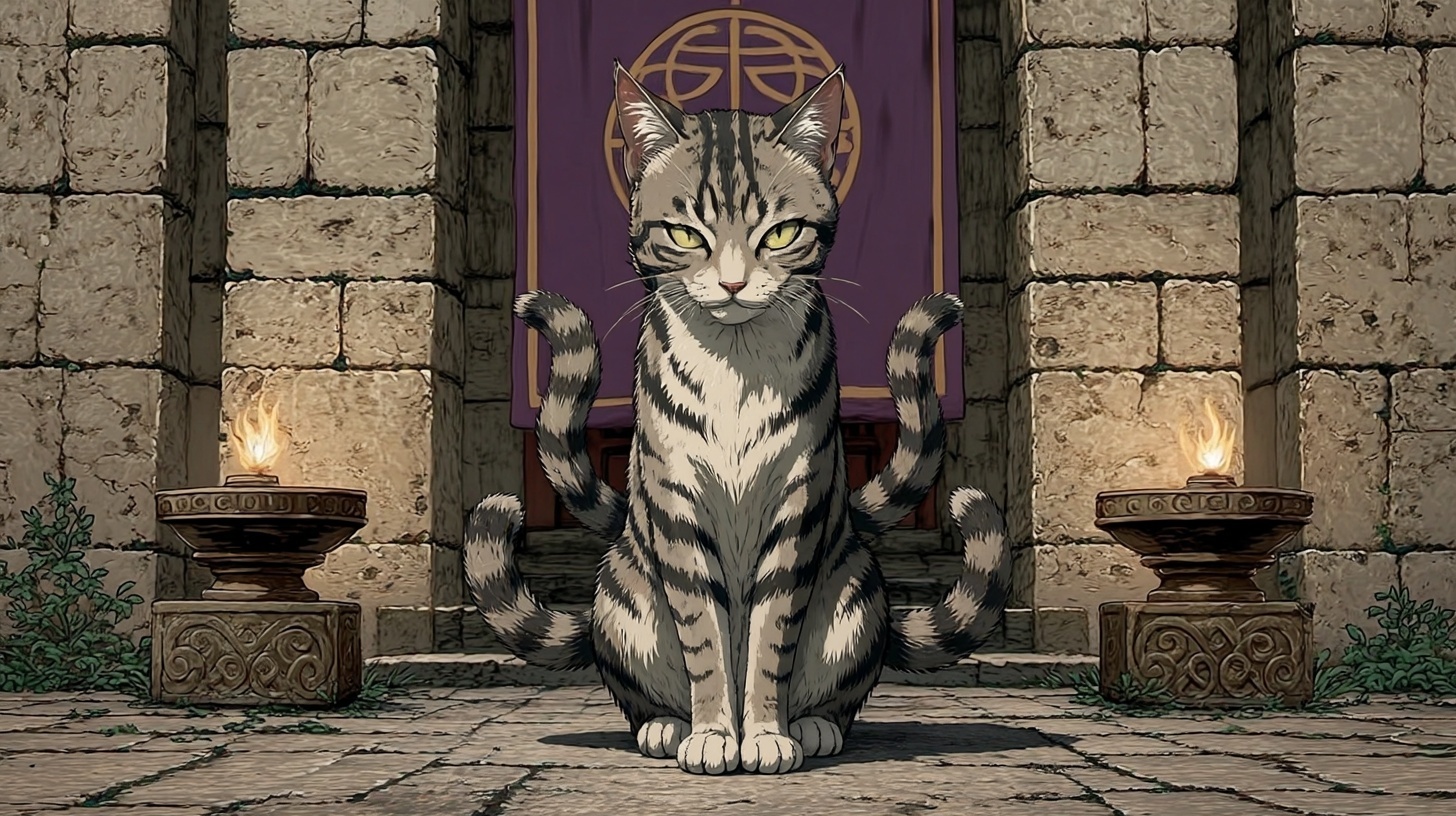
  The animal does not startle when it should. It does not flee when approached. It remains, watching with a stillness that suggests not curiosity, but consideration. Its gaze lingers too long. Its movements are too precise. And if one looks closely, there may be more than one tail shifting behind it, moving with a control that feels deliberate rather than instinctive.
  The Vesari exist within that space between recognition and doubt.
  They are not a people in the way most would define one. They hold no visible kingdoms, raise no banners, and leave behind no monuments to mark their passage. Their presence is scattered, quiet, and often unnoticed until something about it begins to feel out of place. By the time that feeling takes hold, they have usually already seen what they came to see.
  Across worlds and planes, they have made themselves at home in the margins. In crowded cities, they move through walls, rooftops, and forgotten spaces. In quieter lands, they slip between brush, stone, and ruin. They do not claim territory so much as occupy it briefly, long enough to understand it, then move on when the question that brought them there has been answered.
  That question is the closest thing they have to a unifying purpose.
  Vesari are driven by a need to know. Not as a preference, but as a condition of their existence. When something does not make sense, when a pattern breaks, when a detail refuses to fit, they are drawn to it. They will follow that thread as far as it leads, whether it ends in clarity or in something far less forgiving. Many have not returned from such pursuits. Among their kind, the outcome is less important than the answer itself.
  It is said that they were placed into the world by a goddess who understood the value of such minds. That in an age before memory, when things that did not belong moved freely between places, she scattered them across existence to watch, to listen, and to notice what others could not. Whether this is truth or interpretation is still debated, but the pattern remains. Where something is wrong, a Vesari will eventually take notice.
  They do not announce themselves. They do not explain. They observe, they learn, and when necessary, they act. More often, they simply leave, carrying what they have discovered with them. To those who encounter them, they are a curiosity at best and an unease at worst. A presence that feels intentional without revealing its intent.
  If you notice one watching you, it is already too late to wonder why.

Basic Information

Anatomy

“No. No, that’s not right. Cats don’t… they don’t have more than one. I saw it. I know what I saw. It moved like it was normal. Like I was the one who didn’t understand.”
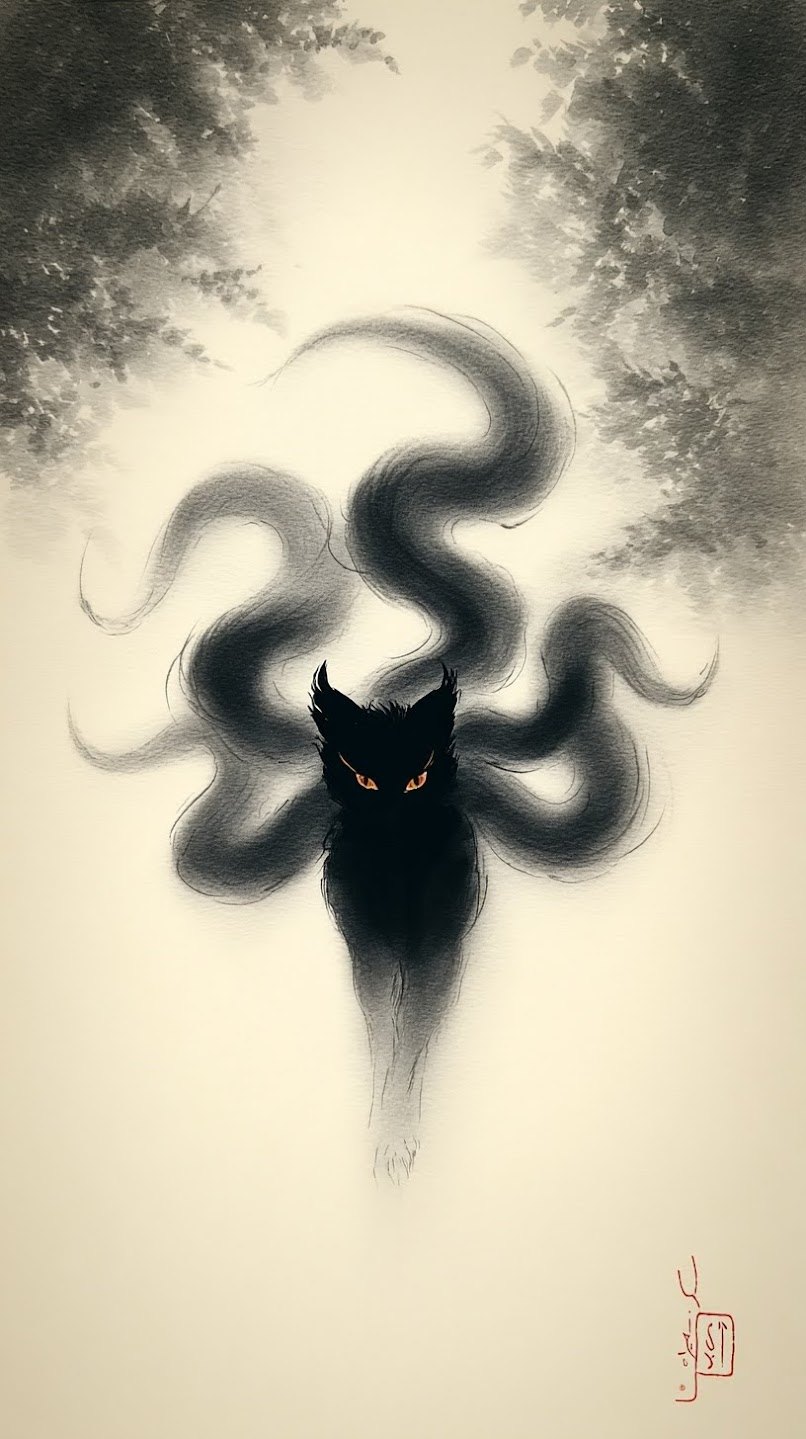
— Dockworker’s statement, East Wharf Incident, city of Reliance
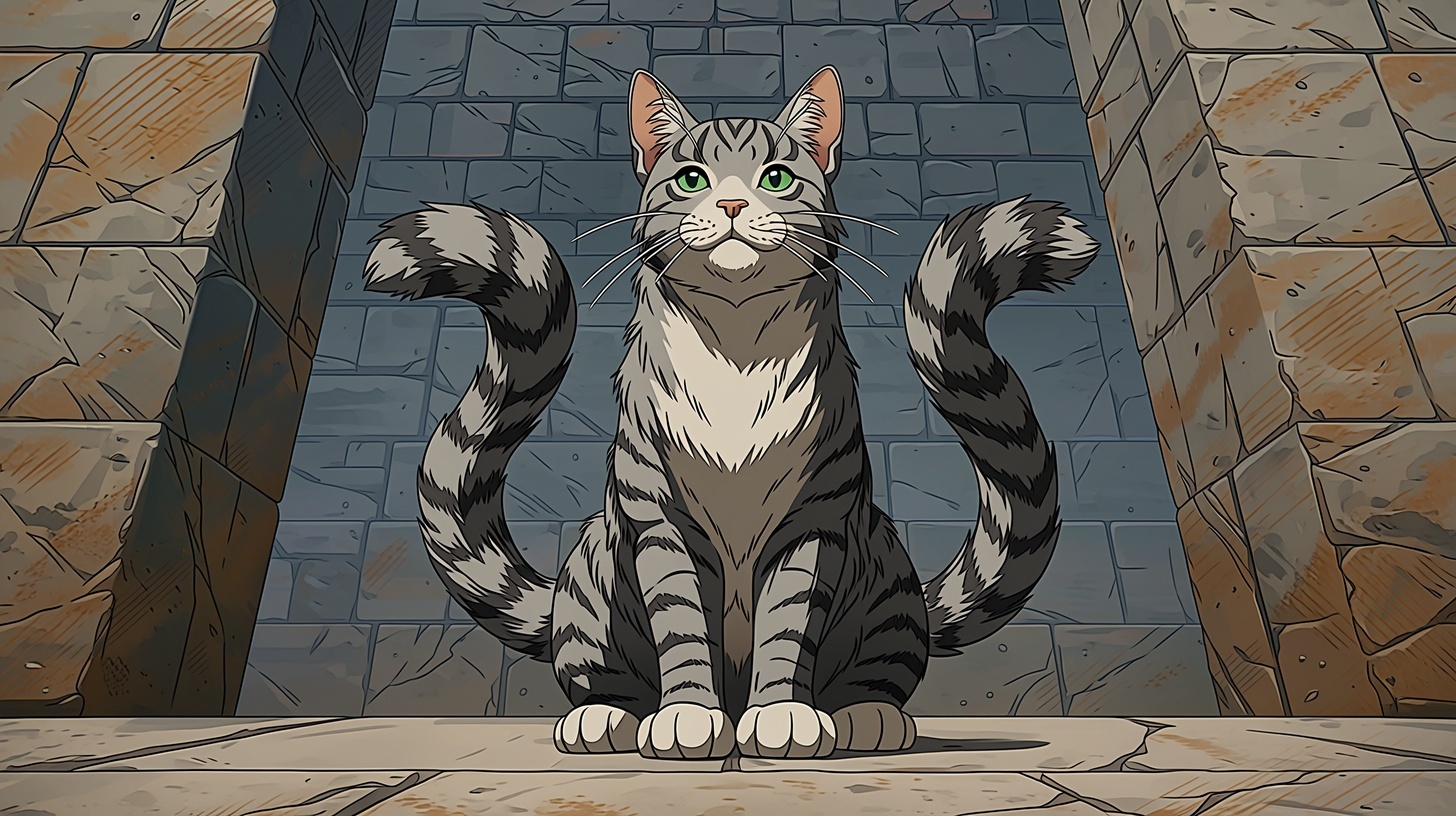
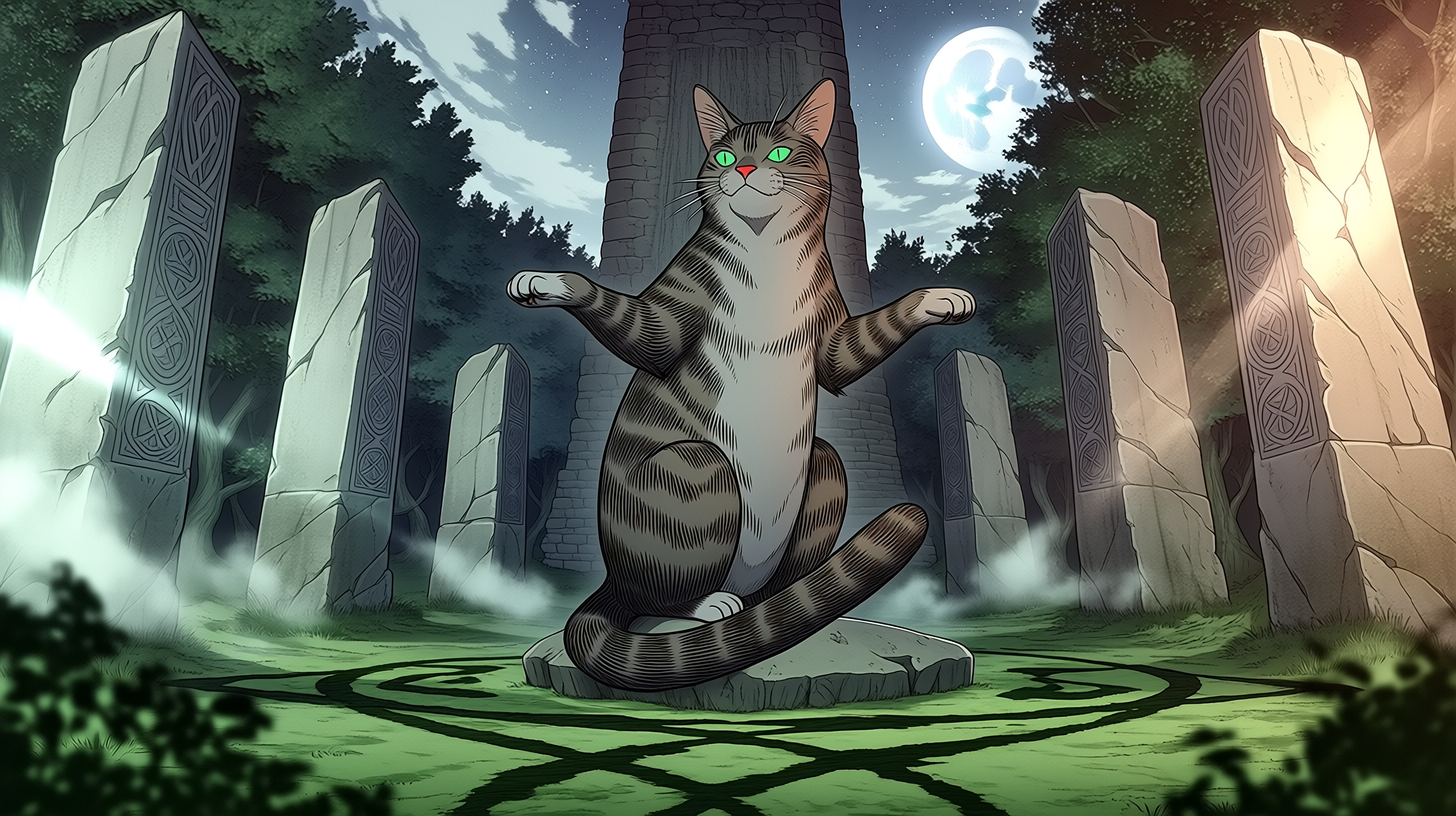
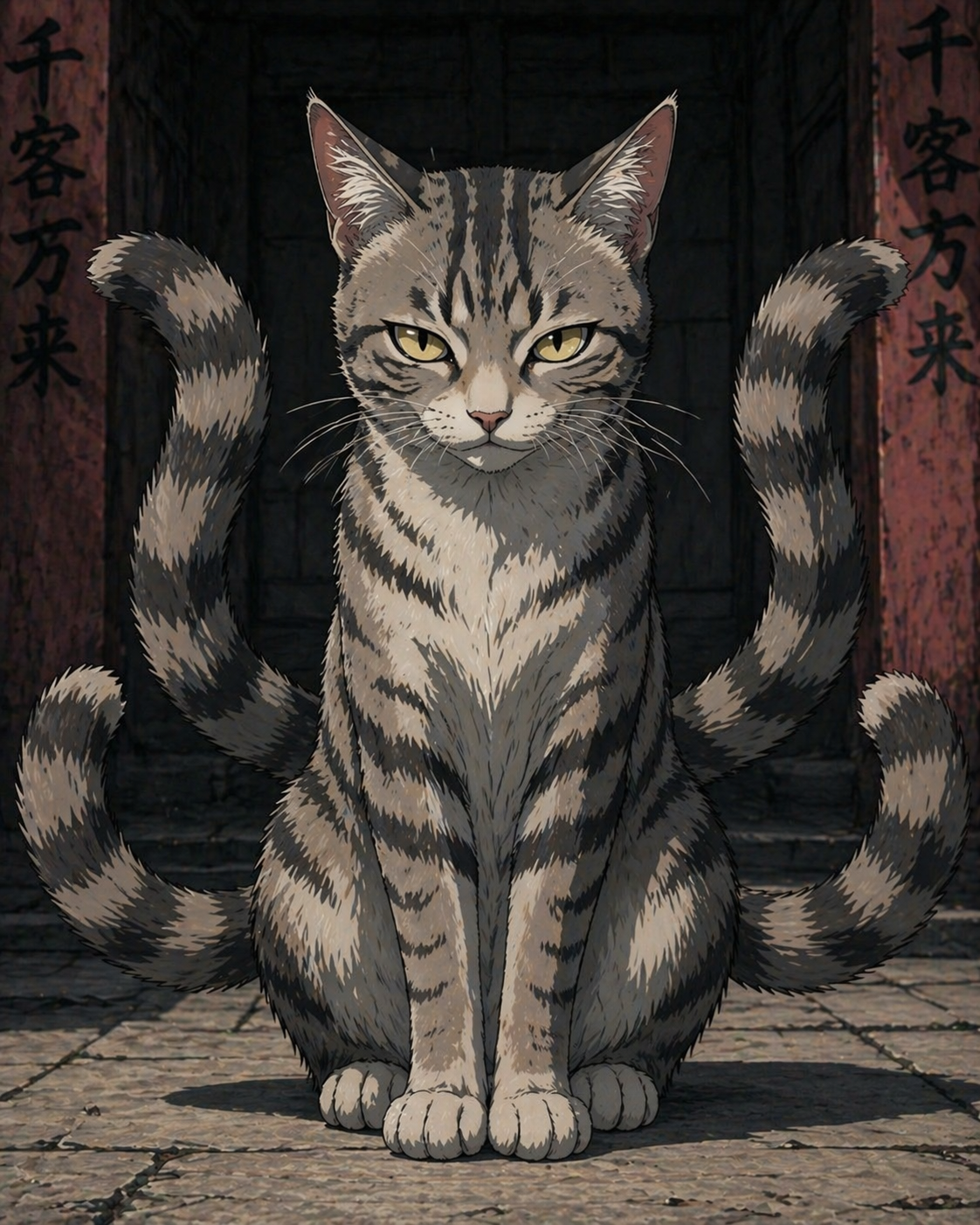
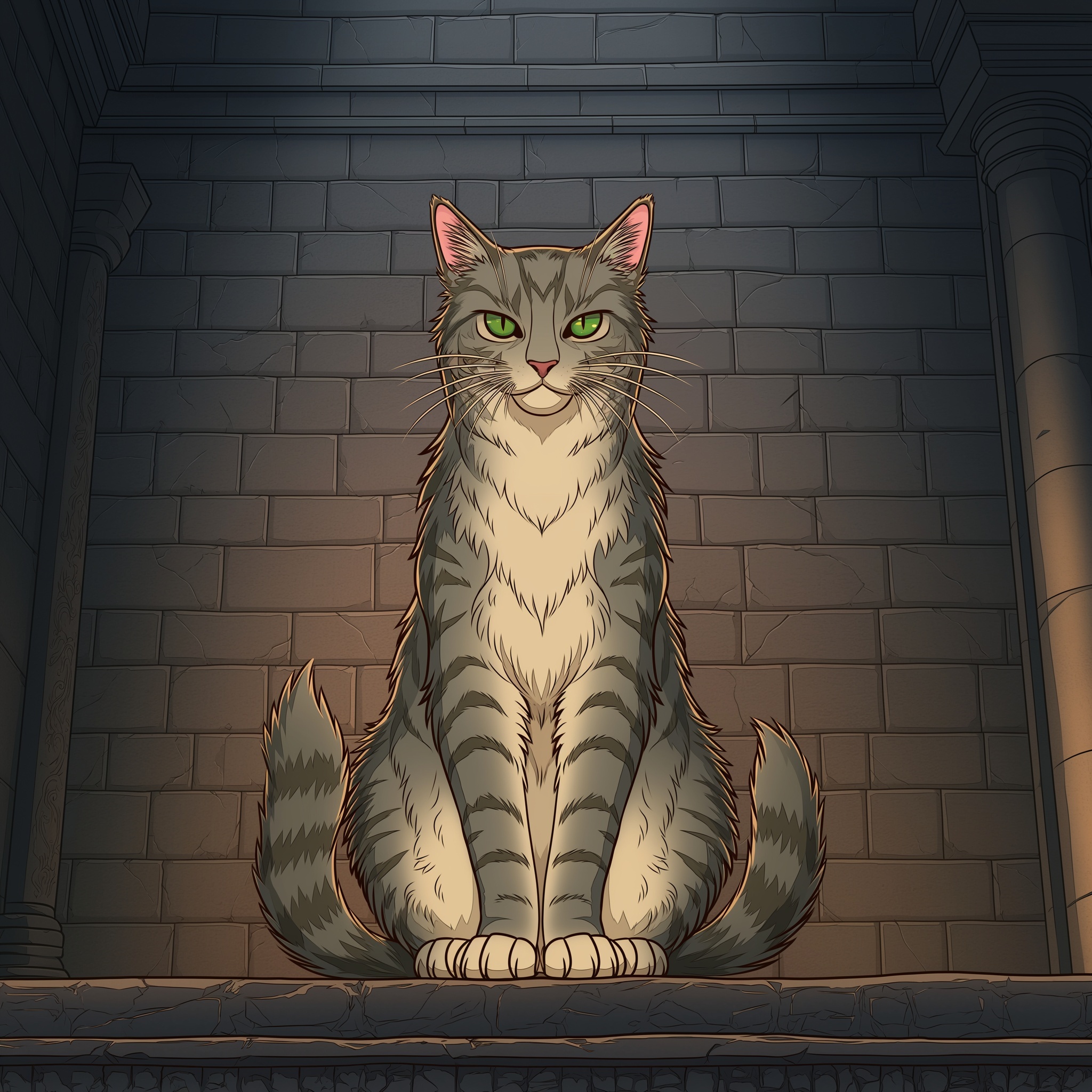
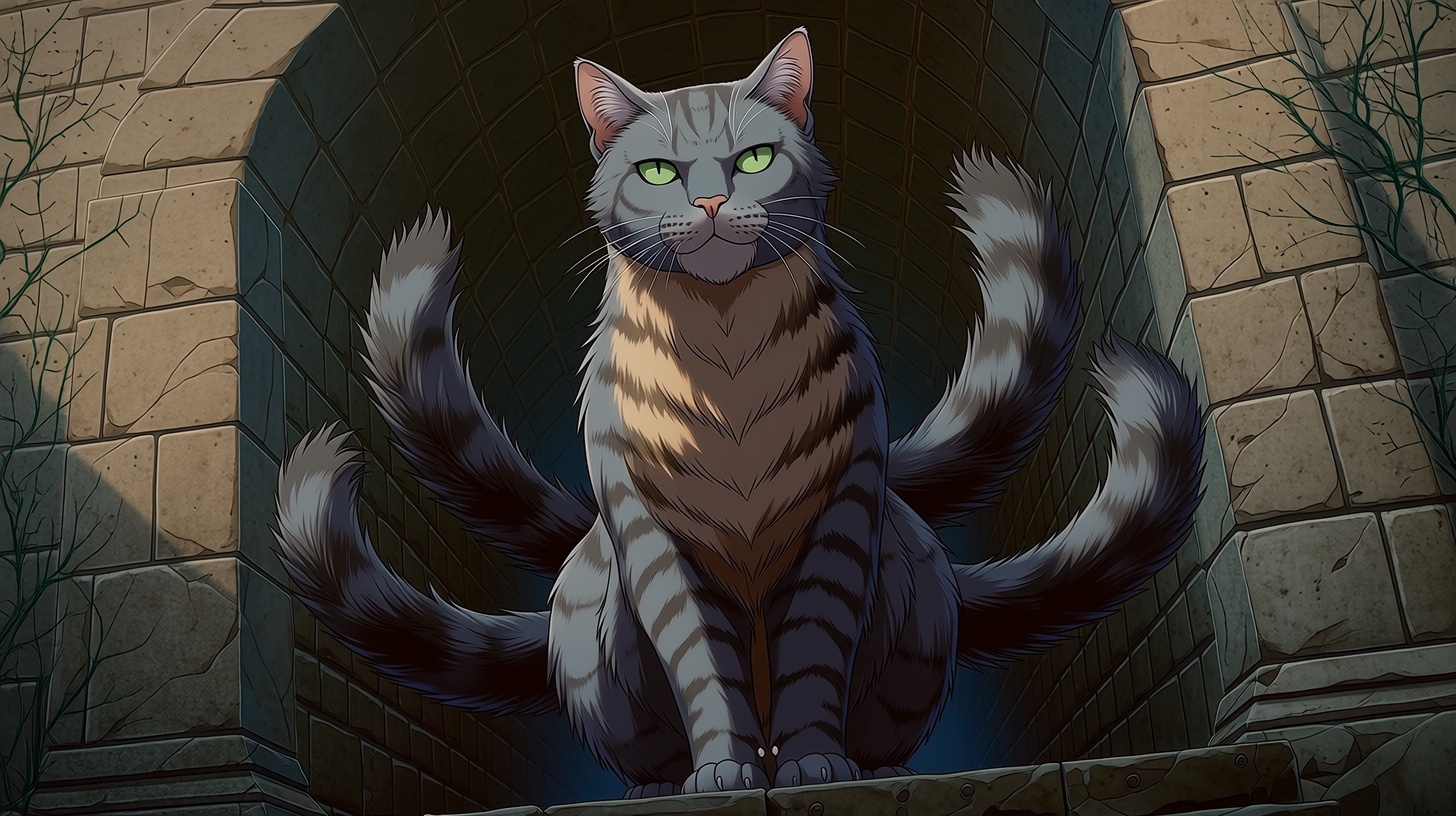
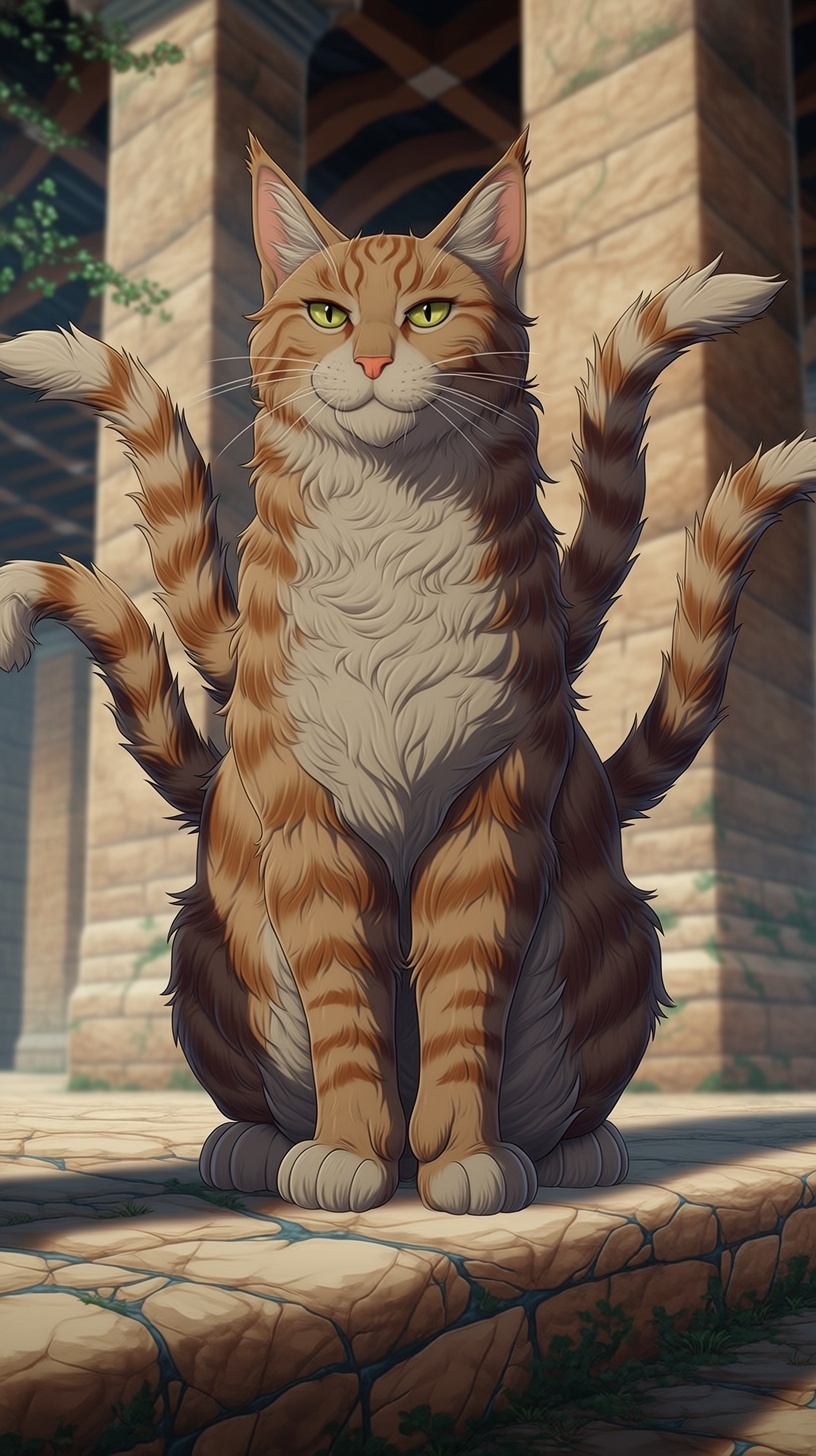
The Vesari share the general physical structure of small domestic cats. Their bodies are compact, with a flexible spine and a digitigrade stance that supports quiet, efficient movement. They are capable climbers and can navigate narrow or unstable surfaces with ease. In stillness or motion, they present as entirely familiar at a distance, particularly in environments where ordinary cats are expected.   The most immediately visible distinction is the presence of multiple tails. The number varies by individual, and each tail is fully formed and functional. These tails are not a natural divergence or evolutionary adaptation. Vesari accounts consistently trace their origin to a single event, in which an entity from beyond the ordered world struck at Vesari and those that followed her. That strike did not kill them, but it altered them. Where there had once been a single tail, it was split, and split again, the division carried forward through every generation that followed.   Each tail moves with precise control and is fully integrated into balance and motion. They shift position to stabilize movement, adjust posture, and respond to terrain without hesitation. Their motion also reflects internal state, though much of this expression is too subtle for other species to interpret accurately. Among the Vesari, tail number carries recognition and implication, but it does not define capability in a rigid sense.   Their forepaws exhibit a form of polydactyly, providing an additional digit that allows for limited grasping ability. This does not grant full manual dexterity, but it does allow for interaction with objects beyond what is expected of a typical feline. Vesari can manipulate small tools, open simple latches, and perform tasks that require controlled pressure or positioning. Fine control varies, but even the least practiced are capable of basic manipulation when required.   Vesari are capable of adopting a bipedal stance for short durations. By shifting their weight onto their hind legs, they can stand, reach, and carry objects at a higher level. This posture is maintained with effort and is not used for extended movement. When observed, it appears controlled and intentional rather than natural, and is typically abandoned once the immediate task is complete.   Their musculature favors controlled stillness and rapid response. Vesari can remain motionless for extended periods without visible strain, then transition immediately into movement when required. This allows them to observe without drawing attention and to reposition themselves with minimal sound. Their bodies are suited for short, precise actions rather than sustained exertion.   Fur patterns, coloration, and overall size vary widely. There is no single defining standard. This variation allows them to blend into a range of environments without difficulty. When their tails are concealed, they are often indistinguishable from ordinary cats at a glance.   Their internal anatomy aligns closely with that of other felines, though their sensory processing is more refined. They respond quickly to movement and environmental shifts, maintaining balance and awareness under conditions that would disrupt less controlled creatures.

Growth Rate & Stages

“They grow too fast. One day it’s chasing shadows, the next it’s asking you questions you don’t have answers for.”
— Yasu Taki, court shugenja, Xi'an Empire
Vesari mature at a rate that often surprises other species. From birth, they develop quickly, reaching physical and mental adulthood within roughly two years. During this period, they exhibit rapid growth not only in size, but in awareness and behavior. Kittens are active, inquisitive, and highly responsive to their surroundings, showing early signs of the curiosity that will define them throughout their lives.   The early stage of life is marked by constant exploration. Young Vesari test their environment, interact with anything that moves or changes, and begin forming the patterns of thought that will guide them later. Instruction during this time is rarely rigid. Instead, older Vesari and Poets guide through exposure, allowing the young to encounter questions and pursue their own understanding. Memory and experience take root quickly, especially when tied to discovery.   As they approach maturity, Vesari begin to show clearer inclinations in how they engage with the world. Some become focused and methodical, others broad and wandering in their interests. This stage often includes a period of separation, where a young Vesari leaves familiar surroundings to follow a question, a place, or a curiosity that has taken hold. This is not a formal rite, but it is widely recognized as a natural transition into independence.   Once fully matured, Vesari enter a long period of stable adulthood. They may live between eighty and one hundred years, with no sharp division between middle and later life. Their physical condition remains relatively consistent for much of this time, and changes tend to be gradual rather than abrupt. What shifts more noticeably is their accumulation of knowledge, experience, and unresolved questions.   Older Vesari are not defined by frailty so much as by depth. Their movements may slow, but their attention sharpens in different ways. Many become more selective in what they choose to pursue, focusing on fewer questions with greater intensity. Others turn toward interpretation, teaching, or the preservation of memory, often aligning with the roles of Poets or advisors within their communities.   There is no universal transformation or final stage beyond the natural end of life. Death is understood as a conclusion rather than a transition, though its meaning is shaped by what was learned or uncovered along the way. Among the Vesari, a life is not measured by its length, but by the questions it pursued and the answers it managed to bring back.

 

Ecology and Habitats

“You ever check a place twice just to be sure you’re not seeing things? I did. Same wall, same hole, same three of them looking back at me like they’d always been there. I know they weren’t.”
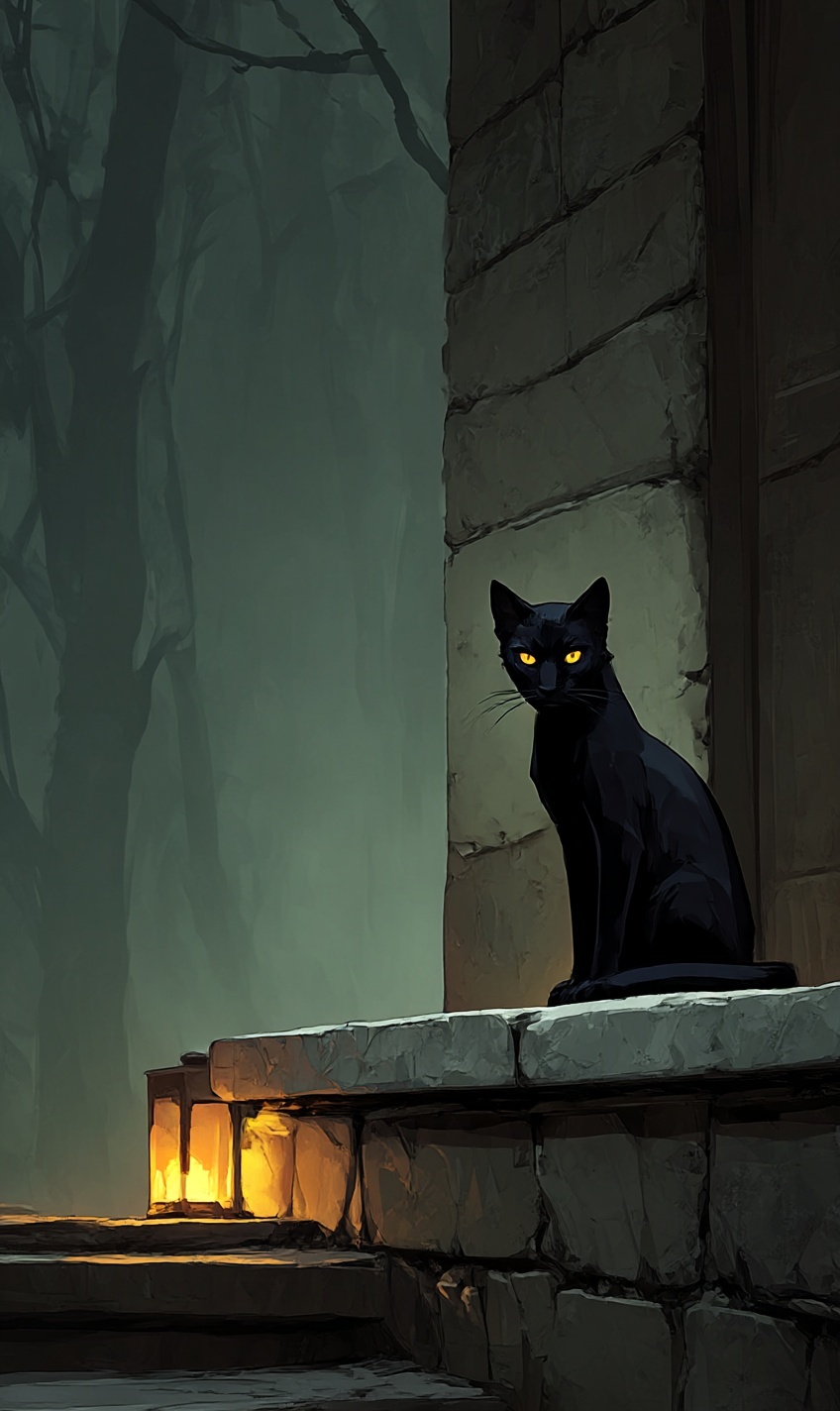
— Jarek Holn, shipwright, Saint Sebastian
The Vesari do not possess a single native habitat, nor do they rely on any one type of environment to survive. Their bodies and behavior allow them to adapt to a wide range of conditions as long as a few basic needs are met. They require access to meat, a steady source of water, and a place where they can rest without immediate danger. If those needs are satisfied, they are capable of settling in places that other species would consider unsuitable.   Even with this adaptability, Vesari tend to favor environments that resemble the natural conditions of small predators. Settlements, towns, and cities are especially well suited to them. These places provide shelter, concealment, and reliable access to food. Vesari make use of tight spaces, high ground, and areas that others overlook. Walls, rooftops, crawlspaces, and forgotten rooms often become part of their territory without drawing attention.   In less developed regions, Vesari adjust easily to forests, ruins, coastlines, and similar environments. As long as there is cover and prey, they can establish themselves without difficulty. They do not require large territories, and multiple Vesari may occupy the same area as long as they do not interfere with one another. Their presence is often hard to detect since they leave little trace and avoid disturbing their surroundings.   Vesari rarely attempt to reshape their environment. They do not build large settlements or alter landscapes in obvious ways. Instead, they adapt to what already exists. This allows them to remain hidden while maintaining full awareness of their surroundings. Even in places where they are more visible, they tend to stay at the edges rather than the center, keeping their options open for movement and retreat.   On more dangerous or unstable planes, survival depends on caution. Vesari in these environments move less, hide more, and rely on indirect ways of finding food and water. Their numbers in such places are usually small, and their presence may go entirely unnoticed. In some cases, they are only known through rumor or by the strange absence of things that should be there.   There are times when Vesari create more stable shared spaces, especially in places they consider safe. These are often hidden within larger structures or built into areas that others ignore. Even then, the focus remains on secrecy and flexibility. Paths are not direct, entrances are concealed, and every space allows for quick escape if needed.   Across all environments, Vesari choose places that let them observe without being seen. They prefer locations that give them control over movement and awareness of their surroundings. Their way of living is shaped less by where they are and more by how they move through the space around them.

Dietary Needs and Habits

“It wouldn’t touch the stew. Just sat there staring until I set out raw meat. Then it ate like it hadn’t in days. After that it drank half my bottle and walked off like it owned the place.”
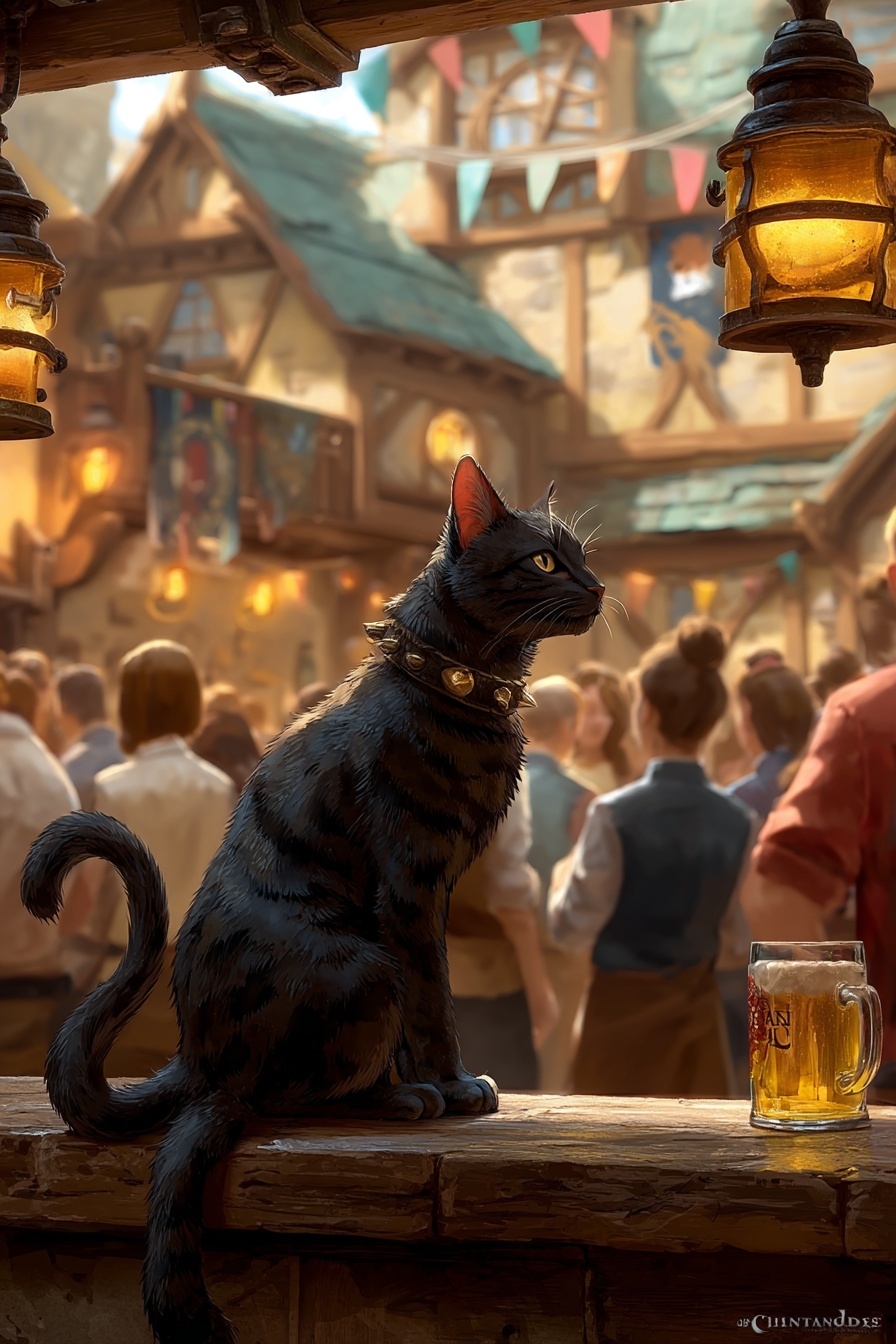
— Chandler Corros, innkeeper of The Laughing Dragon, Kestenvale
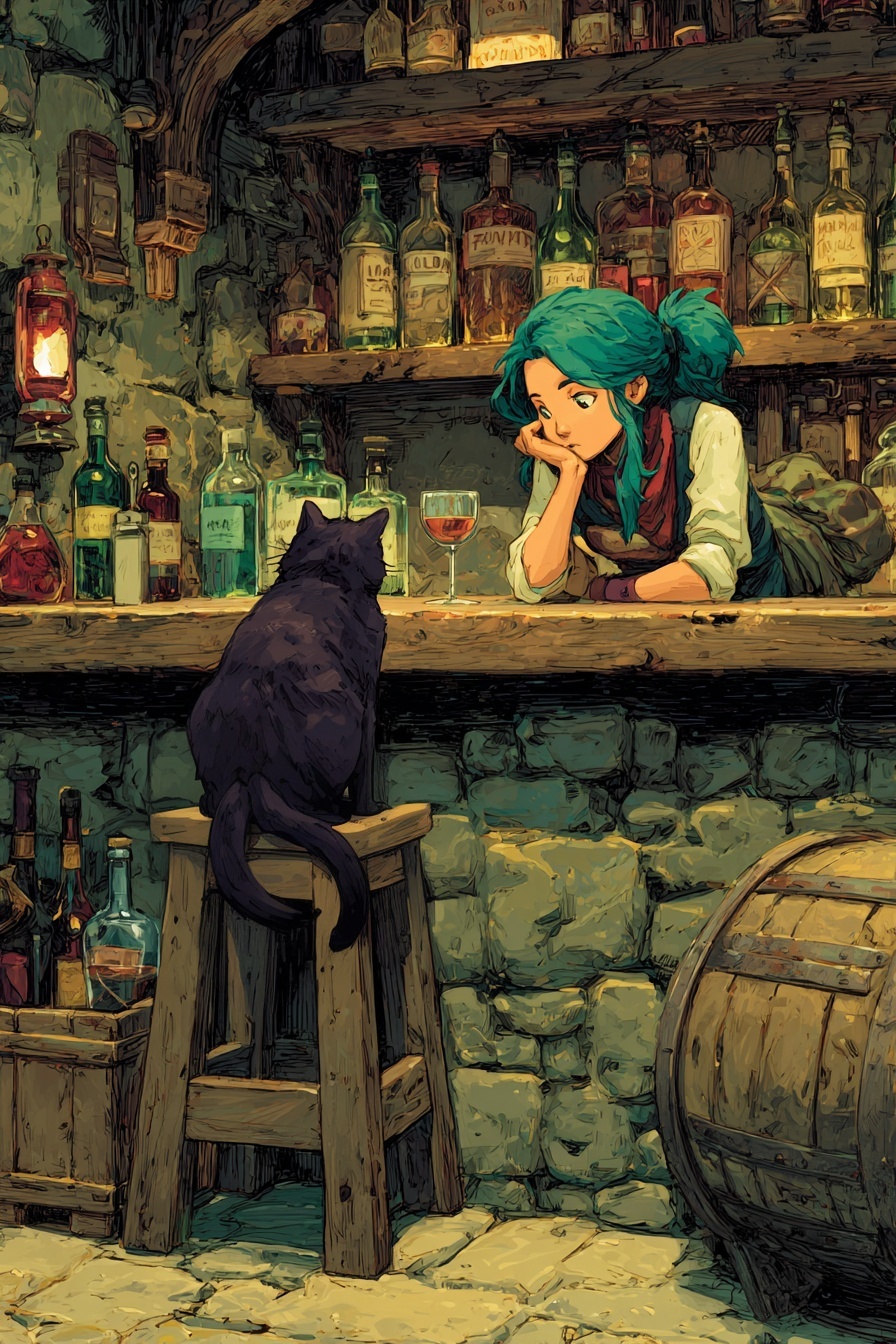
The Vesari are obligate carnivores, and their dietary needs reflect this without exception. Meat forms the foundation of their sustenance, and while they are capable of consuming other foods, such intake provides limited nourishment. A Vesari deprived of sufficient protein will experience a noticeable decline in health over time, regardless of how varied or abundant alternative food sources may be.   Their preference is for fresh, uncooked meat. Many Vesari express a clear distaste for heavily processed or over-prepared foods, viewing them as diminished or stripped of essential qualities. This preference is not purely biological, but also cultural. The act of consuming meat in its natural state is often regarded as more direct, more honest, and more aligned with their nature. Cooking is tolerated, and in some environments necessary, but it is rarely ideal.   Despite this, Vesari are not entirely inflexible in their habits. In societies where they live alongside other species, many adapt to available food sources out of convenience or necessity. Cooked meats, broths, and even certain plant-based dishes may be consumed, though often as supplements rather than staples. Individual preference plays a role here, with some Vesari developing a genuine taste for foreign cuisines, while others remain strictly adherent to a raw diet.   Hunting behavior varies depending on environment and circumstance. In less structured settings, Vesari may hunt for themselves, relying on instinct and skill to secure food. In more urban or integrated environments, they are more likely to acquire meat through trade or indirect means. Even in these cases, there is often an underlying appreciation for the act of obtaining food, whether through negotiation, observation, or opportunistic acquisition.   Alcohol occupies an unusual but consistent place in Vesari dietary habits. Many display a marked tolerance for it, and in some circles, a strong preference. Consumption is not typically tied to celebration in the way it is among other species, but rather to social interaction, contemplation, or simple enjoyment. The effects vary by individual, but it is not uncommon for Vesari to engage in prolonged drinking without the loss of composure that might be expected in others.   Food, for the Vesari, is rarely ritualized in a formal sense, but it is not without meaning. Preferences, methods of acquisition, and tolerance for adaptation can all signal aspects of personality or background. While they do not build elaborate culinary traditions in the manner of some cultures, their dietary habits remain a quiet but consistent reflection of their nature.

Behaviour

“Mark how it watches, still as judgment, then moves as though the moment had already passed it by.”

— The Quiet Court, Act II, Scene IV
Vesari behavior is driven first and foremost by curiosity. This is not a passing trait or a preference. It is a constant internal pressure that shapes how they think, move, and decide. When something does not align, when a pattern breaks, or when a detail resists explanation, a Vesari will feel compelled to investigate. This drive does not always present outwardly, but it is rarely absent.   Their attention is active and fluid. A Vesari may appear focused one moment and disengaged the next, but this is not a loss of discipline. It is a shift in priority. If a more compelling question presents itself, it will take precedence immediately. This can make their behavior difficult for others to predict, as their actions are guided by perceived significance rather than obligation or expectation.   Despite this, Vesari are capable of extended stillness. They can remain in one place for long periods, observing without movement or sound. During these intervals, they are not idle. They are tracking, comparing, and waiting for something to resolve. This ability to alternate between complete stillness and sudden action is a consistent feature of their behavior.   Engagement with others is selective. Vesari do not seek constant interaction, and they do not maintain it without reason. If a person, subject, or situation holds their attention, they may remain present and engaged for extended periods. If not, they will disengage without explanation. This is not intended as dismissal. It reflects a shift in focus rather than a judgment of value.   Emotional expression is present, but often restrained. Vesari experience a full range of responses, but they rarely display them in overt or exaggerated ways. Instead, emotion is reflected through posture, movement, and small shifts in behavior. Changes in tail position, body tension, or stillness often carry more meaning than vocal expression. Those unfamiliar with these cues may interpret this restraint as indifference.   They are capable of forming attachments, though these are often shaped by shared experience or sustained interest. A Vesari may remain close to an individual who continues to engage their attention or represents an unresolved question. These connections can persist over long periods, but they are not always defined in the same way as those of other species.   Vesari tend to approach problems through observation before action. They prefer to understand the structure of a situation before intervening. This can create the impression of passivity, particularly in moments where immediate action is expected. When they do act, it is usually with intent and precision rather than impulse.   Risk is accepted as a natural part of their behavior. The presence of danger does not automatically deter them if something remains unresolved. A Vesari will often weigh whether a question is worth pursuing rather than whether it is safe. This does not mean they are unaware of consequences. It means they are willing to accept them if the outcome justifies it.   Prolonged uncertainty can produce strain. When a question cannot be resolved, or when information remains incomplete for an extended period, a Vesari may become agitated or fixated. This can lead to repeated investigation, withdrawal from other activities, or behavior that appears erratic to outside observers. Among their own kind, this is recognized as a consequence of their nature rather than a deviation from it.   Their interaction with the Silent Dark also influences behavior. Vesari may withdraw into it when overstimulated, injured, or in need of distance from the waking world. Upon returning, their focus may shift, either sharpened by what they experienced or redirected entirely. Some become more deliberate. Others return with new questions that take precedence over previous concerns.   Disappearance is not uncommon. A Vesari may leave a place, a group, or a pursuit without warning once their interest has concluded or changed. This is not treated as abandonment within their own culture. It is understood as the natural result of shifting focus. Those who remain may note the absence, but they do not expect explanation.

Additional Information

Social Structure

“You think they’re alone until you notice the others. Not gathered. Just… present. Watching the same thing. Waiting for the same moment.”
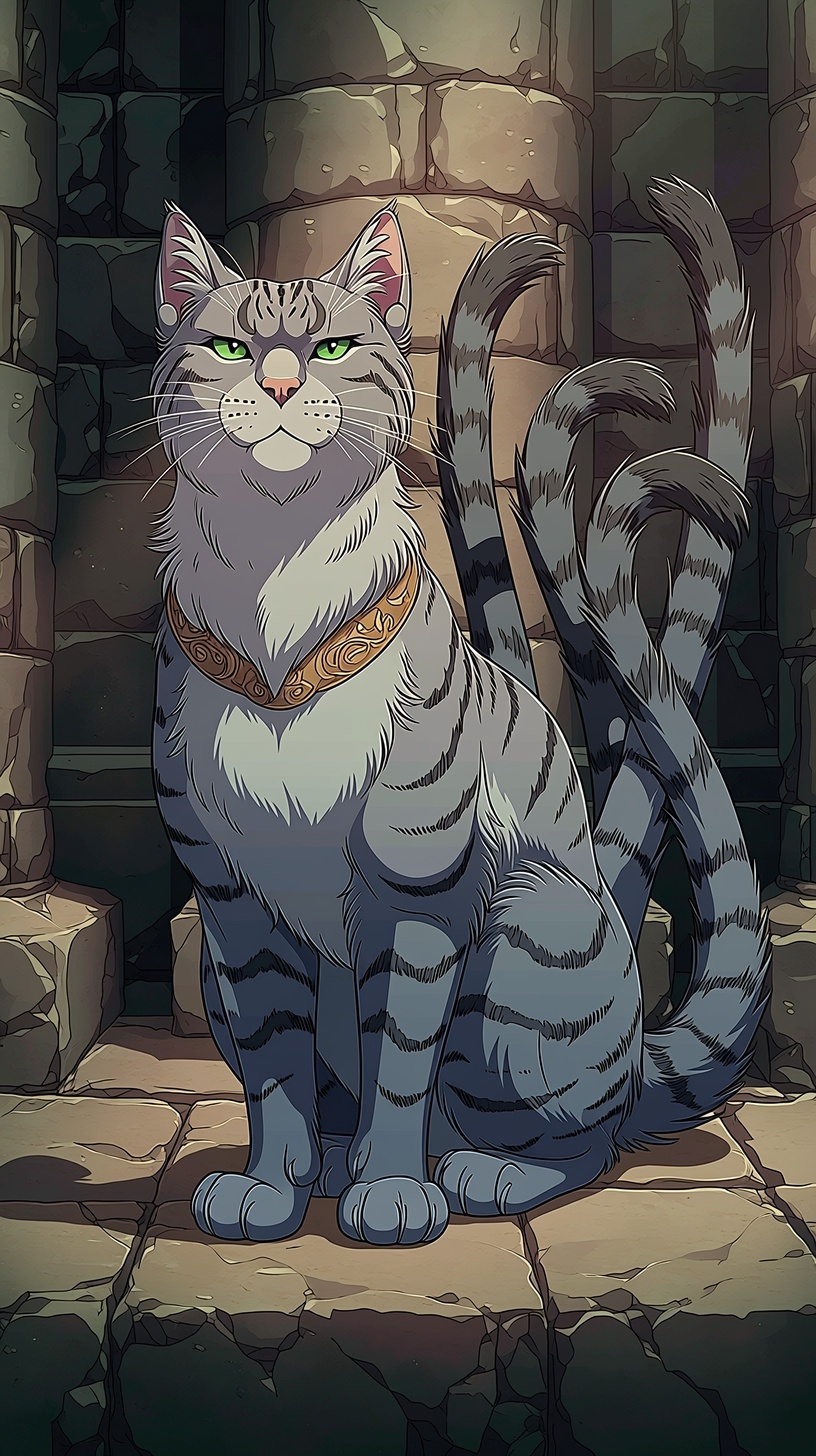
— Mara Snow, wandering archivist
Vesari do not organize themselves into large, centralized societies. There are no kingdoms in the conventional sense, no fixed hierarchies that extend across their kind, and no single authority that governs their behavior. What structure exists emerges in small groupings, temporary associations, and loosely connected networks shaped by shared interest rather than obligation.   Most Vesari operate independently. They may occupy the same territory as others of their kind without forming a cohesive group. Interaction occurs when there is a reason for it, and absence of interaction is not treated as isolation. This creates an environment where multiple Vesari can exist in proximity without formal acknowledgment of one another.   When groups do form, they are usually centered around a specific purpose. This may be the investigation of a phenomenon, the maintenance of a hidden space, or the pursuit of a shared question. Membership in these groups is fluid. Individuals join when their interests align and leave when they do not. There is no formal process for entry or departure, and neither action requires justification.   Temples and enclaves provide the closest approximation to structured organization. These spaces serve as points of exchange where knowledge, interpretation, and observation are shared. They may be dedicated to Vesari in a spiritual sense, but their primary function is not worship. Instead, they act as places where Vesari can compare findings, refine understanding, and encounter others who are pursuing related lines of inquiry.   Within these spaces, roles may emerge. Poets and Nekomancers are the most widely recognized. Poets preserve and interpret memory, while Nekomancers engage with threats and forces that exist outside conventional understanding. These roles carry influence, but not absolute authority. Respect is given based on demonstrated knowledge and experience rather than position alone.   Hierarchy, where it appears, is informal and situational. An older or more experienced Vesari may guide others in a specific context, but that influence does not extend beyond it. Authority is not fixed. It shifts depending on the subject, the environment, and the individuals involved. It is common for one Vesari to defer in one matter and disregard the same individual in another.   Some groups adopt more defined structures, particularly those focused on long term objectives or specialized practices. These may include coordinated efforts to monitor specific threats, maintain networks across multiple locations, or preserve certain forms of knowledge. Even in these cases, participation remains voluntary, and enforcement is limited to those who choose to remain within the group.   Conflict within Vesari society tends to be indirect. Disagreements arise over interpretation, priority, and the value of certain pursuits. These conflicts rarely result in open confrontation. More often, they lead to separation, avoidance, or the formation of parallel efforts. It is not uncommon for two groups to pursue the same question in different ways without attempting to reconcile their approaches.   The absence of rigid structure does not result in disorder. Instead, it produces a pattern of overlapping activity where individuals and groups move through shared spaces without requiring formal coordination. This pattern is maintained through mutual recognition rather than enforced rules.   A Vesari may belong to several groups over the course of their life, or to none at all. Their identity is not defined by affiliation, but by what they choose to pursue and what they choose to leave behind.

Average Intelligence

“They’re not just clever. They’re patient. You think it’s just a house cat until it isn’t, and by then it’s already figured you out. That’s the danger. You never know when you’re being watched by something that understands you.”
— Captain Rell Varn, field briefing notes
Vesari are widely regarded as highly intelligent, though their intelligence does not always present in ways other species immediately recognize. They are not defined by formal education or academic achievement, but by their persistent engagement with the world around them. Even without training, a Vesari will demonstrate an unusual awareness of detail, often noticing inconsistencies or patterns that others overlook.   From an early age, they exhibit active and inquisitive minds. Information is not passively accepted. It is pursued. A Vesari will test, observe, and revisit what they encounter until it resolves into something that makes sense to them. Questions, once formed, tend to persist. If left unanswered, they remain a point of tension that influences behavior until addressed or replaced by something more pressing.   Their focus is fluid rather than fixed. A Vesari may shift attention rapidly between subjects, not due to distraction, but due to reprioritization. If a new observation presents itself as more significant, it will take precedence immediately. This can give the impression of inconsistency, but it reflects a constant evaluation of what requires understanding most.   Memory plays a significant role in how they learn. Vesari retain information most effectively when it is tied to direct experience or discovery. Knowledge gained through observation or personal investigation is more likely to persist than information received through instruction alone. This reinforces their tendency to seek firsthand understanding rather than relying entirely on what they are told.   Their intelligence adapts to context. In some cases, it manifests as social awareness, allowing them to read behavior, tone, and contradiction with precision. In others, it appears as technical skill, environmental awareness, or the ability to interpret complex or unfamiliar systems. They are not limited to a single mode of thinking, and individuals may develop depth in one area or breadth across many.   There is also a consistent risk associated with this level of engagement. Vesari are inclined to pursue answers even when doing so carries potential harm. The presence of danger does not necessarily deter them if something remains unresolved. This can lead them into situations that others would avoid, not out of carelessness, but because the need to understand outweighs the perceived risk.   Among their own kind, intelligence is not measured by accumulated knowledge alone, but by the ability to identify meaningful questions and follow them to a conclusion. A Vesari who observes without acting is not considered less capable, but one who fails to recognize what is worth pursuing may be viewed as lacking awareness.   Differences in capability do exist, but they are less rigid than in many other species. Variation appears in focus, discipline, and interpretation rather than in a fixed hierarchy of intellect. What distinguishes one Vesari from another is not how much they know, but how they choose to engage with what they encounter.

Perception and Sensory Capabilities

“They notice what others miss. Not by chance, but by nature. I have seen them react to presences my own senses could not yet confirm. That alone earns them my respect.”

— Corvyn Seinrill, Baron of Areeott
Vesari possess senses comparable to those of ordinary cats, but refined in ways that reflect both their intelligence and their role within the world. Their vision is well adapted to low light, allowing them to move and observe in conditions where many other species are effectively blind. Motion draws their attention quickly, and even subtle shifts in posture or environment are rarely missed. This sensitivity often gives the impression that they are aware of more than they should be, particularly in spaces where others feel secure.   Hearing is similarly acute. Vesari can distinguish faint or distant sounds with precision, and are capable of isolating specific noises within a crowded or chaotic environment. Conversations carried in low tones, movements behind walls, or the quiet disturbances of something moving where it should not are all within their notice. This capacity contributes to their reputation for attentiveness, as well as to the unease others may feel in their presence.   Their sense of smell, while less emphasized in their own descriptions, plays a significant role in how they interpret the world. Scents provide context that may not be immediately visible, revealing traces of passage, emotional states, or environmental changes. Among themselves, Vesari may rely on scent as a subtle layer of communication, though this remains largely imperceptible to other species. It is not their primary mode of interaction, but it informs their understanding in ways that are difficult to articulate.   Beyond these physical senses, Vesari demonstrate a heightened awareness of patterns and inconsistencies. This is not a separate sense in a literal sense, but a cognitive extension of their perception. They notice when something does not align with expectation, whether in behavior, environment, or sequence of events. A misplaced object, a repeated phrase, or an absence where something should be present can all draw their attention. This tendency often leads them to investigate matters others would dismiss.   There are also accounts, particularly among Nekomancers and those who engage with more esoteric practices, of Vesari perceiving residual impressions left behind by events or presences. These are not universally acknowledged or consistently understood. Some describe them as echoes, others as distortions, and still others as nothing more than intuition sharpened by experience. Regardless of interpretation, such perceptions are often associated with locations or situations where the boundary between ordinary reality and something else has been disturbed.   Vesari are attentive not only to their surroundings, but to the reactions of those within them. They observe posture, tone, hesitation, and contradiction, building a layered understanding of behavior over time. This attentiveness can make them effective conversationalists or interrogators, though it may also give the impression that they are studying rather than engaging. In many cases, this impression is accurate, even if it is not consciously intended.   Their sensory capabilities, taken together, create a mode of perception that is both immediate and interpretive. They do not simply receive information; they evaluate it, compare it, and follow where it leads. This often results in a level of awareness that appears disproportionate to their size and outward simplicity, reinforcing the perception that there is more at work than can be easily explained.

Civilization and Culture

Major Language Groups and Dialects

“I don’t care what anyone says, that wasn’t noise. They were going back and forth, like a conversation. Kept circling, stopping, sniffing, answering. If that’s just animal behavior, then I don’t understand animals at all.”
— Seth Nolan, statement to city watch
  Vesari do not possess a wide range of formal languages among themselves in the way many other species do. While they are fully capable of learning and speaking the languages of other peoples, their own internal communication relies on more subtle and less structured methods. These methods are consistent across their kind and do not divide cleanly into dialects or regional variations.   They retain the ability to communicate with ordinary cats and other feline creatures through movement, posture, scent, and sound. This form of communication is instinctive and requires no formal learning. It conveys simple and immediate information such as the presence of food, danger, territory, or intent. The exchange is functional, but limited. It does not support complex ideas, abstraction, or detailed discussion.   Among Vesari, this same foundation exists, but it is layered with greater awareness and control. Small shifts in posture, tail position, and movement can carry more precise meaning when used deliberately. Scent also plays a role, though it is subtle and often unnoticed by other species. These signals are rarely used alone, but they supplement spoken language and provide additional context during interaction.   This mode of communication does not replace speech, but it does influence how Vesari understand one another. Much can be conveyed without words, especially between individuals who are familiar with each other’s habits. Silence does not imply a lack of exchange, and spoken language is often reserved for clarity rather than necessity.   When interacting with other feline races, Vesari can establish a basic level of communication using these shared behaviors. As with ordinary cats, the exchange remains limited to immediate concerns and simple concepts. Differences in intelligence and perception prevent deeper understanding, and attempts to extend beyond these limits are generally ineffective.   Because this form of communication is universal among their kind, there is little need for variation. Vesari do not develop distinct dialects based on it, nor do they formalize it into structured language systems. It remains a constant, underlying layer of interaction, present across all environments and cultures in which they exist.
Common Etiquette Rules

“I don’t know what started it, but it wasn’t random. They circled, stopped, stared, like there were rules I couldn’t see. Then one crossed a line and that was it.”
— Bren Tal, street vendor
Vesari etiquette is subtle and often goes unnoticed by those unfamiliar with their behavior. Direct displays of formality are rare, and much of what they consider polite is expressed through restraint and awareness rather than overt action. Giving another individual space, both physically and conversationally, is a common baseline. Intrusion without purpose is generally discouraged, and unnecessary interruption is viewed as a lack of control rather than enthusiasm.   Observation is a key component of their social conduct. Before engaging, a Vesari will often watch and listen, taking note of patterns in speech, movement, and response. Entering a conversation without this initial awareness can be seen as careless. Among themselves, this behavior is expected and reciprocated. Silence is not considered awkward or empty, but a normal part of interaction, especially when one or both parties are considering something.   When communication does occur, it tends to be measured and intentional. Vesari rarely speak simply to fill space. Questions are often direct, though not always explained, and answers may be brief unless elaboration is necessary. Repetition is avoided unless it serves a purpose. Among Poets or more interpretive individuals, language may become layered or indirect, but this is understood as part of their role rather than a general standard.   Possessions and space are treated with a quiet respect. A Vesari will not interfere with another’s tools, materials, or chosen resting place without clear reason. Even in shared environments, boundaries are observed without the need for formal agreement. This extends to information as well. While curiosity drives them to seek answers, taking knowledge from another without consent or context can be seen as improper unless the situation justifies it.   Departure is often handled without ceremony. A Vesari may leave a conversation, a place, or even a long term association once their interest has concluded or shifted. This is not typically framed as disrespect. Among their own kind, it is understood as a natural outcome of changing focus. Attempts to force continuation or demand explanation are more likely to be viewed as improper than the act of leaving itself.

Common Dress Code

“…is that cat wearing a cape?”

— Elric Dane, market square conversation
Clothing among the Vesari is largely absent, both as a practical matter and as a matter of cultural inclination. Their natural form does not lend itself to the garments commonly used by other species, and in most environments, attempting to wear such items would draw more attention than it avoids. As a result, Vesari typically move through the world appearing as they are: small, multi-tailed cats, unadorned and unencumbered.   In regions where their presence is not widely accepted, this restraint becomes a matter of safety. Vesari have learned through experience that appearing unnatural, whether through posture, speech, or dress, can provoke fear or hostility. Even the presence of multiple tails may be concealed through illusion or careful positioning when necessary. Clothing, in such contexts, is not merely unnecessary but actively dangerous, as it marks them as something other than an animal at a glance.   On worlds or within communities where they are known and tolerated, some Vesari adopt minor forms of adornment. These are typically subtle and functional rather than decorative in the conventional sense. A narrow band of fabric, a small piece of jewelry, or a simple scarf may be worn, often serving as a marker of personal preference, affiliation, or memory. Even in these cases, excess is avoided. The intent is not to imitate the fashions of other species, but to incorporate small, controlled elements that do not interfere with movement or draw undue attention.   The production of clothing, armor, or equipment suited to Vesari physiology is a specialized craft. Their size, posture, and movement require designs that differ significantly from those made for humanoid forms. Such items exist, but they are uncommon and typically produced by artisans familiar with Vesari needs or commissioned for specific purposes. When used, they are often minimal and carefully fitted, prioritizing utility over appearance.   Culturally, many Vesari regard clothing as an unnecessary complication. It is associated with other species and their social expectations, rather than with any inherent need. This perspective is not universally held, but it is common enough that overt attempts to dress in the manner of humanoid peoples can be viewed as affectation or distraction. Practical tools may be accepted when required, but the broader practice of adornment for its own sake holds little appeal.   There are, however, exceptions shaped by circumstance. Vesari operating in roles that require sustained interaction with other species may adopt more visible forms of presentation, including the use of garments or accessories that signal status or intent. Even then, such choices are deliberate and situational, rather than expressions of a broader cultural norm. The default state remains one of simplicity, blending, and reliance on their natural form.

Culture and Cultural Heritage

“We had forms once. Patterns. Ways of doing things that meant the same thing no matter where you stood. Now we remember pieces, and argue over what they were for. That is what it means to be scattered.”

— Master Osso, Nekomancer Sage of Ryoki Forest
Vesari culture does not form around institutions or permanent structures. It persists through repeated behavior. Across worlds and planes, individuals who have never met will still display the same habits of observation, restraint, and selective engagement. This consistency does not come from coordination. It comes from shared instinct reinforced over time through experience.   There is no central authority that defines what it means to be Vesari. Temples, enclaves, and small groups exist, but none hold universal influence. These spaces function as places of exchange rather than control. Knowledge is brought, interpreted, and carried away again. Participation is voluntary, and absence is not treated as rejection. A Vesari may pass through such a place once and never return without consequence.   Cultural continuity is maintained through memory rather than strict record. Written language exists and is used, but it is not the primary method of preservation. Events, discoveries, and interpretations are carried through retelling. These accounts are not expected to remain unchanged. Variation is accepted, provided the core of what was observed is not lost. Disagreement over interpretation is common and does not require resolution.   Poets are responsible for carrying and shaping these accounts. Their role is not to repeat events exactly as they occurred, but to preserve their significance. They select what is worth remembering and how it should be understood. Their recitations may differ in detail, but they remain anchored to shared themes. Interruption or dismissal of a Poet during recitation is considered improper, not because of status, but because it disrupts the transmission of meaning.   Nekomancers operate alongside this structure, but outside of it in practice. Their work is direct, focused on entities and forces that do not conform to the expected rules of the world. What they bring back is not interpretation, but information. This creates a persistent tension. Poets shape understanding through reflection, while Nekomancers present findings that may not align with existing interpretations. Neither role is considered complete without the other, and neither is entirely trusted without question.   Ritual is present, but it is not standardized. Vesari do not follow a universal set of practices. Instead, individuals and groups develop repeated behaviors that carry personal or local significance. These may include silence before entering a new space, the placement of objects in specific arrangements, or the quiet repetition of phrases tied to past experiences. The meaning of these acts is not always explained, even among those who perform them.   The Silent Dark is integrated into their cultural behavior, but not treated as a simple refuge. Entry into it is common, but not without awareness of its effects. Vesari understand that extended time within it can alter perception, disrupt memory, or erode the desire to return. Those who enter for rest are expected to leave before this occurs. Those who do not are not pursued. Their absence is noted, and the reason is understood without needing confirmation.   Material expression is minimal and rarely decorative. Objects are kept for specific reasons, usually tied to a resolved question, a significant observation, or a memory that remains relevant. These items are not displayed for status. They are carried, hidden, or left in places where another Vesari might find them. The act of leaving something behind is often deliberate, though its meaning may not be immediately clear.   Shared spaces develop patterns over time without formal agreement. Vesari occupying the same area will establish routes, vantage points, and resting places that do not interfere with one another. These patterns are observed and maintained without discussion. Disruption of these patterns without reason is treated as careless, not aggressive, and is usually corrected through avoidance rather than confrontation.   Engagement with others, both within and outside their kind, follows the same principles. Interaction is driven by interest rather than obligation. A Vesari may remain present for as long as something continues to hold their attention. Once that interest is resolved or replaced, they leave. This behavior applies equally to places, individuals, and long term associations, and it is not considered disrespectful within their own cultural understanding.

Common Customs, Traditions and Rituals

“We are not lost. We are dispersed, as we were meant to be. The forms change, the rituals differ, but the purpose endures in every place we stand and every question we follow.”

— Velira, High Priestess of Vesari Keeper of the Veiled Shrine
Vesari customs emerge from repetition rather than decree. What one might call tradition is rarely declared or formalized. Instead, it is recognized through patterns of behavior that persist across individuals and environments. These practices are subtle, often unnoticed by others, and rarely explained unless there is a reason to do so.   One of the most consistent customs is the act of observation before engagement. When entering a new space, encountering an unfamiliar individual, or approaching a situation that does not immediately resolve, a Vesari will pause. This pause is not hesitation. It is a deliberate period of assessment. Movement slows, attention sharpens, and nothing is done without first establishing a sense of what is present. Acting without this step is widely regarded as careless.   The sharing of knowledge is another common practice, though it rarely takes the form of direct instruction. Vesari tend to guide rather than explain. Information is often revealed through placement, demonstration, or suggestion, allowing the other party to reach a conclusion on their own. This method reinforces their preference for understanding gained through experience rather than passive acceptance.   Objects are sometimes left behind with intent. A small item placed in a specific location, a marked surface, or an altered arrangement of an environment can serve as a form of communication. These acts are not labeled or announced. Their meaning is inferred by those who find them. In some cases, the message is clear. In others, it remains uncertain, becoming a question to be pursued.   Recitation is a widely observed practice, particularly among Poets. These moments do not always occur in formal settings. A Vesari may begin recounting an event, an interpretation, or a fragment of remembered knowledge in the presence of others, without announcement or preparation. Those who choose to listen do so without interruption. When the recitation ends, responses may follow, often in the form of reinterpretation rather than agreement.   The resolution of a question is sometimes marked through quiet, personal action. A Vesari who has pursued something for an extended period may return to a place connected to that pursuit, repeat a phrase tied to it, or alter an object associated with it. These actions are not standardized, but they are recognized by others who are aware of the context. No formal acknowledgment is required.   Withdrawal is treated as a natural conclusion rather than an absence of obligation. When a Vesari determines that their presence is no longer necessary, they leave. This applies to conversations, locations, and long term associations alike. There is no expectation of explanation, and attempts to demand one are generally viewed as improper.   Time spent within the Silent Dark carries its own set of informal practices. Vesari often enter it for rest, reflection, or distance from the waking world. Those who return do not always speak of what they experienced. It is understood that what occurs there is not always meant to be shared. Those who remain too long are not retrieved. Their absence is noted, and the cause is accepted without further action.   In shared environments, Vesari establish patterns of movement and use without discussion. Certain paths, vantage points, and resting areas become informally associated with individuals. Others will avoid interfering with these without reason. This creates a layered order that functions without formal agreement or enforcement.   Silence itself is a recognized and accepted part of interaction. Conversation is not maintained for its own sake. A Vesari may remain in the presence of another without speaking for extended periods, and this is not considered awkward or incomplete. Communication does not require constant expression, and meaning is often conveyed through posture, attention, and restraint.   These customs do not form a rigid system, nor are they enforced through authority. They persist because they are useful, recognizable, and aligned with how Vesari naturally engage with the world.

Common Taboos

“I fed it, ignored it, respected it, didn’t look at it, did look at it. None of it mattered. It decided on its own what was acceptable and I never once understood why.”
— Halren Pike, personal notes
Certain boundaries within Vesari culture are widely recognized, even among individuals who otherwise reject structure or tradition. Chief among these is the treatment of Poets. To openly dismiss, interrupt, or undermine a Poet while they are speaking or reciting is considered a serious breach of conduct. This is not because Poets hold formal authority, but because they are entrusted with memory and interpretation. To disregard them is to disregard the continuity of knowledge itself.   Nekomancers are afforded a similar, though more cautious, respect. Their work places them in direct contact with what others avoid, and their role in extracting information from what remains is seen as necessary but unsettling. Interfering with a Nekomancer’s work, questioning their methods without understanding, or treating their practice lightly is strongly discouraged. Even Vesari who keep their distance from such matters tend to acknowledge the importance of their function.   Disrespect toward the goddess Vesari is another clear taboo, though its meaning varies. For some, this takes the form of direct reverence, and any dismissal of her existence or purpose is unacceptable. For others, the boundary is less about belief and more about origin. Even Vesari who doubt or question her role rarely tolerate open mockery or trivialization. The idea that they were placed into the world with intent carries weight, regardless of personal interpretation.   There is also a strong aversion to being treated as lesser by other species, particularly in ways that reduce them to animals. Allowing oneself to be handled, confined, or cared for as a pet is considered deeply improper. This extends beyond personal dignity into a broader cultural concern. To accept such treatment is seen as a failure to maintain awareness of what one is, and how one is perceived. Vesari who tolerate it risk quiet judgment from others of their kind.   Their relationship with ordinary cats further reinforces this boundary. While they can communicate in limited ways, the difference in awareness is clear and often unsettling. Many Vesari find the behavior of normal cats difficult to interpret, not because it is complex, but because it lacks the depth they expect. The inability to engage beyond basic signals creates a sense of dissonance that some prefer to avoid entirely.   Because of this, being equated with ordinary cats is not taken lightly. While the resemblance is useful and often necessary for survival, it is not embraced without reservation. Vesari are aware of how they appear, and they use that perception when it serves them. At the same time, they maintain a clear internal distinction between themselves and the animals they resemble. Blurring that line, whether through behavior or through the actions of others, crosses into territory that many consider unacceptable.

History

“To quote the Poets, we were placed, not born, set gently into a world that had not yet learned to defend itself. Remember this. The things between worlds do not forget, and neither must we.”

— Elder Poet Sala, Ninth Recitation
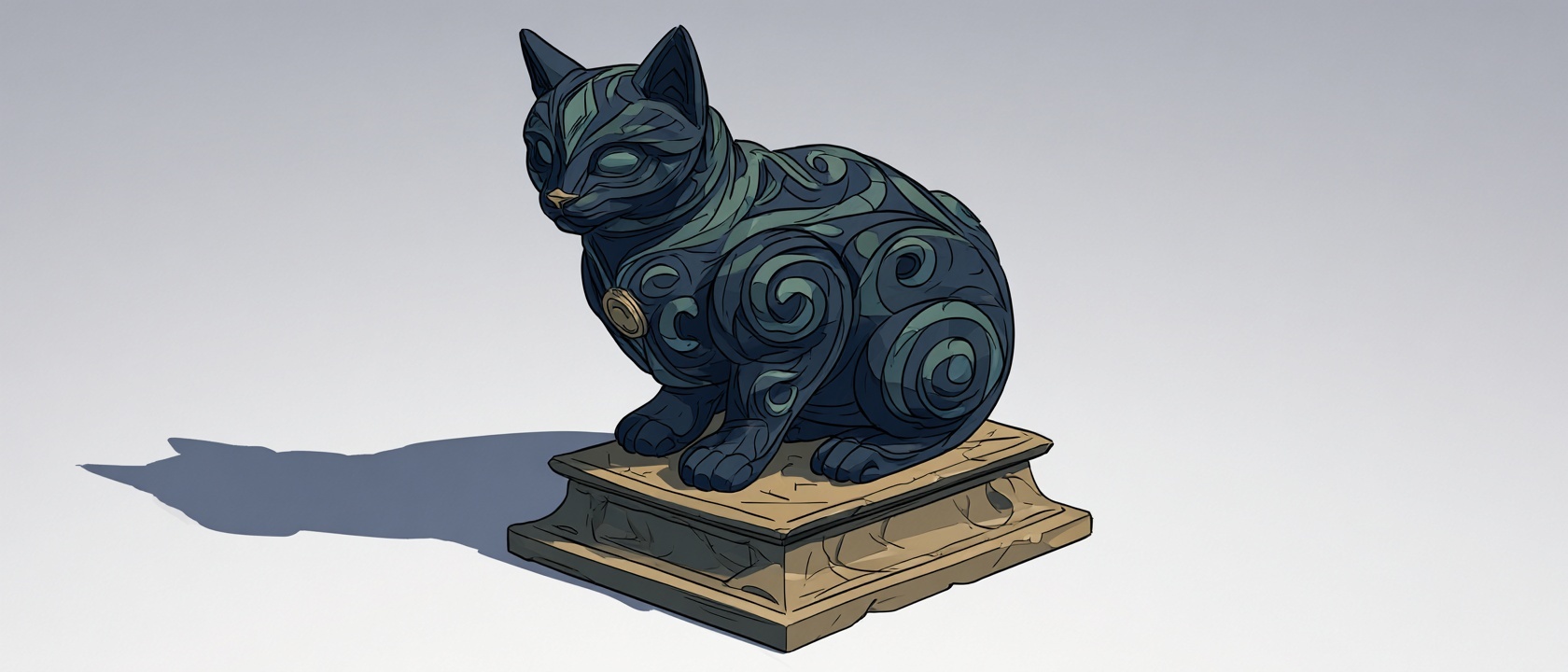
The earliest accounts of the Vesari do not describe a natural beginning. They speak instead of placement, an intentional act carried out by a being older than the ordered world itself. Before the shaping of planes and the rise of mortal civilizations, there existed a vast and formless dark. From this stillness, creation emerged, complex, structured, and filled with variation.   It drew attention.   The one now known as Vesari is said to have been among the first to observe it. Where others saw instability or intrusion, she saw potential. Where there was pattern, she watched. Where there was deviation, she followed. In time, she was not alone. Other ancient powers moved through creation, shaping it, altering it, or simply witnessing it as it unfolded.   But creation did not remain uncontested.   From the same primordial dark that preceded it, other entities emerged. These were not builders or observers, but forces that resisted structure itself. They sought not to shape what had formed, but to unmake it. Their presence spread quietly at first, then with increasing force, eroding boundaries and unraveling what had been established.   Conflict followed.   Accounts from this period are fragmented, preserved through recitation rather than record, but they agree on one point. The Vesari did not remain passive. Where others withdrew or were destroyed, she acted. The nature of that action is described differently depending on the telling, but all accounts portray it as decisive and disproportionate. The threat was not merely repelled. It was pursued.   Against the warnings of those who remained, Vesari entered the darkness from which these forces came.   She did not return for a very long time.   During her absence, the early Vesari, already placed within the world, continued to observe and adapt. Without direct guidance, their understanding of their purpose began to fragment. What had once been shared became interpreted. What had been certain became debated.   When Vesari returned, she did not come alone.   She brought knowledge.   She had followed the hostile forces into the spaces between worlds, into regions where structure failed and form lost meaning. There, she observed them, learned their nature, and discovered how they could be resisted, misled, or destroyed. This knowledge would become the foundation of what is now called Nekomancy, a discipline concerned not with creation, but with the understanding and disruption of things that do not belong.   But her return was not without cost.   In the final confrontation recorded in Vesari tradition, she is said to have slain one of these entities and torn from it a fragment of the primordial dark itself. This fragment did not dissolve or disperse. It endured, shaped by her will into a domain separate from the ordered world.   This became the Silent Dark.   At the same time, a curse was laid upon her and those who followed her. The exact nature of this curse varies in detail, but its effects are universally recognized. The Vesari were altered. Their forms remained familiar, but their tails were divided, split into multiple strands that became a defining feature of their kind. More significantly, they were separated from their kin.   Those that remained unchanged, the single tailed cats, lost what the Vesari retained. Awareness, speech, and the capacity for shared understanding were stripped away. They persisted, but only as echoes of what they had been.   Among the Vesari, this division is not forgotten.   Unchanged cats are viewed with a mixture of recognition and disquiet. They are not treated as equals, nor as strangers. They are something in between, a reminder of what was lost and what was taken. For some, they evoke pity. For others, unease. Few regard them without thought.   Following her return, Vesari gathered her altered children and spoke to them of what lay beyond the boundaries of the known world. The entities she had encountered were not singular. They were many. They moved through unseen fractures between places, seeking entry where the structure of reality weakened.   She had learned how to find them.   She had learned how to fight them.   She would not remain to do so.   With the Silent Dark established as a refuge and a boundary, Vesari dispersed her kind across the planes. They were not organized into armies or bound by strict command. Instead, they were given knowledge, instinct, and a shared understanding that something beyond the world required watching.   Then she vanished.   She has not been seen since.   In the ages that followed, the Vesari spread across worlds and planes, adapting to each environment they entered. Their original purpose did not disappear, but it changed. Distance, time, and isolation reshaped it. What had once been a unified response to a known threat became a collection of interpretations.   Some Vesari still pursue the entities beyond the stars, studying their movements and disrupting their influence where possible. Others treat these accounts as distant history, focusing instead on the immediate world around them. Many exist somewhere between, guided by instinct more than doctrine.   Nekomancers preserve and expand upon the knowledge Vesari brought back from the dark, though their methods and conclusions are not always trusted. Poets carry the memory of these events, reshaping them through retelling, ensuring they are not lost even as their meaning shifts.   The Silent Dark remains constant.   It is both sanctuary and boundary, a fragment of the pre-creation void claimed and reshaped. Vesari enter it for rest, for reflection, and, at the end of life, for final withdrawal. Some return. Some do not. Those who remain too long may lose the will, or the ability, to leave.   The history of the Vesari is not a single account, but a layered one. It is defined by observation, conflict, loss, and reinterpretation. What remains unchanged is the presence of unanswered questions, and the enduring tendency of their kind to follow them, regardless of where they lead.

Interspecies Relations and Assumptions

“They smile, they listen, they pretend to be small. That’s how they get close. Every one of them is measuring you, weighing you, deciding if you matter. We should have driven them out when we had the chance.”

— High Prefect Sar Keth, Council Address to the Court of Mirrok
The Vesari do not approach other intelligent species as allies or enemies by default. They approach them as something to be understood. Behavior, speech, contradiction, and intent are observed first, often without immediate response. This can make their presence feel attentive or unsettling, depending on how long that attention lingers.   They do not rush to judgment, but they do not forget what they see.   Many Vesari regard other species as inconsistent in their thinking and priorities. Where a Vesari is inclined to follow a question until it is resolved, others often abandon lines of thought or avoid conclusions that are inconvenient. This difference creates a quiet distance. Even Vesari who live among other peoples for extended periods rarely lose the sense that they are studying a system rather than belonging to it.   Assumptions about the Vesari tend to form quickly, and are often incorrect. Their appearance leads some to dismiss them as animals until proven otherwise. Others, aware of what they are, react with suspicion. A creature that watches without explanation and leaves without warning is rarely trusted, even when it has done nothing overtly wrong.   Vesari are aware of these reactions, and respond according to their own priorities. Some allow themselves to be underestimated and make use of it. Others present themselves more deliberately, making it clear they are aware of more than they reveal. Many do not concern themselves with perception at all, focusing only on what has drawn their attention.   There is no consistent external posture.   Conflict with other species most often arises from interference rather than ideology. Vesari are inclined to investigate what others prefer left alone. Hidden information, controlled systems, and unexplained events all attract their attention. When this intersects with authority, ownership, or secrecy, the response is often defensive.   Vesari do not always consider this reaction unreasonable. They proceed anyway.   Relationships with individuals of other species do occur, but they are typically shaped by sustained interest rather than immediate affinity. A Vesari may remain close to someone who continues to engage their attention through complexity or unpredictability. These relationships can persist for long periods, though they are not always defined in the same way by both parties.   What one experiences as companionship, the other may understand as continued observation.   Encounters with Vesari are rarely dramatic, but they tend to be remembered. A Vesari may appear, watch, ask a small number of direct questions, and then leave once their interest is satisfied. The interaction often feels incomplete, as though something was being assessed rather than shared.   In most cases, that impression is accurate.

“If a cat’s paying attention to you, you’ve already missed something. Best hope it wasn’t important.”
— Takina Gelomore, Regent of the Word, Tower of Glass
Scientific Name
Felis Multicauda
Lifespan
80-100 years
Average Height
9-12in
Average Weight
8-14lbs
Average Length
30-48in


The Goddess Vesari
Character | May 11, 2026

Mother Of Cats

The Silent Dark
Geographic Location | Apr 16, 2026

Stillness Between Worlds

Nekomancy
Physical / Metaphysical Law | Jun 3, 2026

The Ancient Magic Of The Vesari


Unknown Shores

Vesari

At first, they're mistaken for ordinary cats.   Small, soft-footed things in windows and rafters, in alleyways and high places where nothing else should comfortably rest. They watch without blinking. They linger longer than they should. And when they move, it is with a deliberateness that feels… considered.   Only later does the truth begin to settle in.   The vesari are not shaped in the image of cats. They are cats, in every outward sense: slight of frame, furred, and possessed of the quiet grace of a natural predator. Yet something in them resists easy understanding. They stand when it suits them. They speak when they choose. And when they do, it is with the calm certainty of something that has already decided what matters.   Each bears more than one tail, though not all display this openly. Among their own kind, these tails speak of lineage, temperament, and something older than memory. Among others, they are often hidden, tucked away like a truth best left unexamined.   People do not trust what they cannot place.   A cat that behaves like a person is unsettling enough. A cat that watches like it understands is worse. And a cat that speaks, rarely and with purpose, is something most would rather not think about at all.
ability score increase: Increase one ability score by 2, and increase a different score by 1.
age: You mature quickly, reaching adulthood within 2 years. You typically live between 80 and 100 years.
alignment: You tend toward neutral alignments, guided more by instinct and personal priorities than by rigid moral codes.
Size: Small
speed: Your walking speed is 30 feet, and you have a climbing speed of 20 feet.
Languages: You can speak, read, and write Common and one other language of your choice. You can also communicate simple ideas with other vesari through subtle body language and micro-expressions. This communication conveys basic emotions and intent, but not complex or precise information.
race features:
Darkvision
You can see in dim light within 60 feet of yourself as if it were bright light, and in darkness as if it were dim light. You discern colors in darkness only as shades of gray.
  Adaptable Mobility
As a bonus action, you can drop to all fours or rise to a bipedal stance. This state lasts until you use this feature again. While on all fours, your walking speed increases by 5 feet, and your climbing speed increases by 5 feet. While on all fours, you can’t wield weapons, take the Use an Object action, or perform the somatic components of spells.
  Feline Reflexes
Your instincts allow you to slip through danger with uncanny precision. When a creature you can see makes an opportunity attack against you, you can use your reaction to impose disadvantage on the attack roll. You can use this trait a number of times equal to your proficiency bonus, and you regain all expended uses when you finish a long rest.
  Cat’s Grace
You land with effortless control. When you take falling damage, you can reduce the damage by an amount equal to five times your proficiency bonus. You don’t fall prone when you land unless you choose to.
 

Lineage of Tails

Your number of tails reflects your lineage and temperament. Choose one of the following options:
  • Two-Tailed (Court-Born)
  • You gain proficiency in the Persuasion skill. If you already have this proficiency, you gain proficiency in another skill of your choice.
  • Three-Tailed (Intuitive)
  • You gain proficiency in the Insight skill. When you make an Insight check, you can gain advantage on the roll. You can use this trait a number of times equal to your proficiency bonus, and you regain all expended uses when you finish a long rest.
  • Four-Tailed (Resilient)
  • When you take damage, you can use your reaction to reduce the damage by an amount equal to twice your proficiency bonus. Once you use this trait, you can’t use it again until you finish a short or long rest.
  • Five-Tailed (Predator)
  • Once per turn when you hit a creature with an attack, you can deal extra damage equal to your proficiency bonus. You can use this trait a number of times equal to your proficiency bonus, and you regain all expended uses when you finish a long rest.
  • Six-Tailed (Quickened)
  • You gain a bonus to initiative rolls equal to your proficiency bonus.
  • Seven-Tailed (Perceptive)
  • You gain proficiency in the Perception skill. You have advantage on Wisdom (Perception) checks that rely on hearing or smell.
  • Eight-Tailed (Elder-Blooded)
  • While you are not wearing armor or using a shield, your Armor Class equals 12 + your Dexterity modifier.
    Description:
    A house cat with three tails sits quietly atop a narrow ledge, watching the street below with steady, unblinking focus. When approached, it rises onto its hind legs just long enough to adjust a small metal charm at its neck before slipping out of sight.

    Comments

    Author's Notes

    Inspired by Monstress by Marjorie Liu & Sana Takeda, from Image Comics and Cats & Catacombs by Steamforge Games.


    Please Login in order to comment!
    Powered by World Anvil