


Herald Sheet
The World On A Street Corner
"Best copper I spend all week. I don't have to leave the dock to know which captain lied and which port's about to freeze."
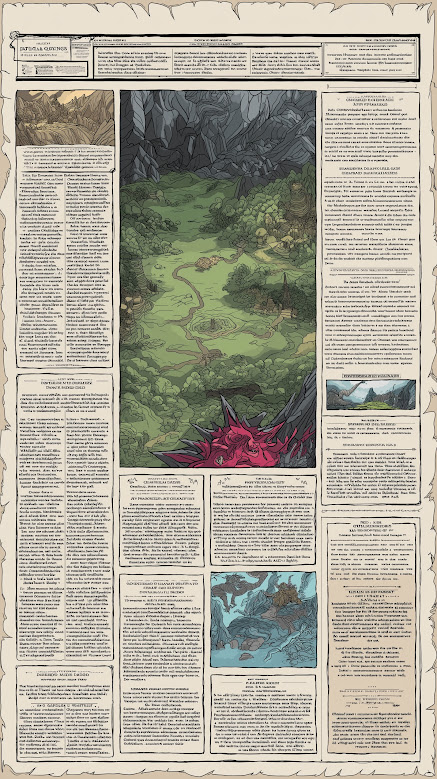
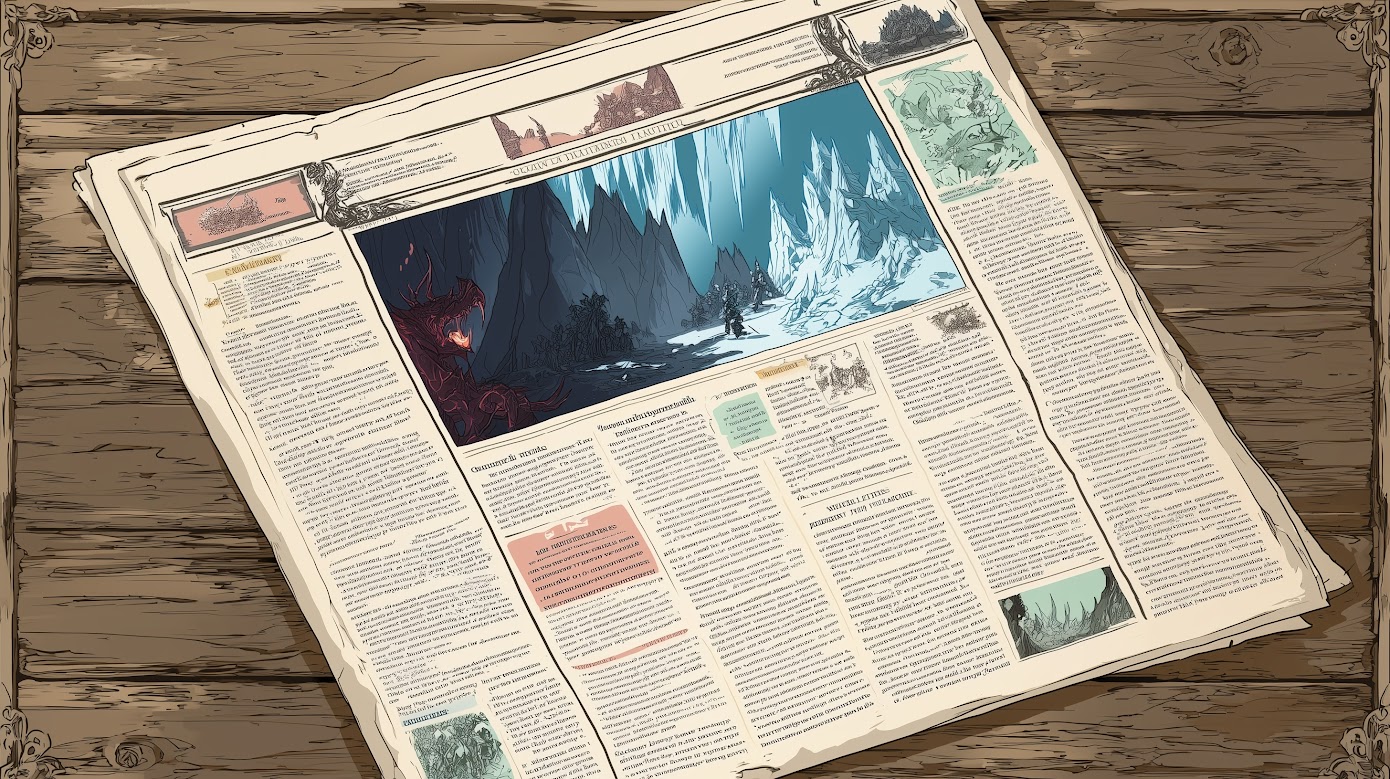
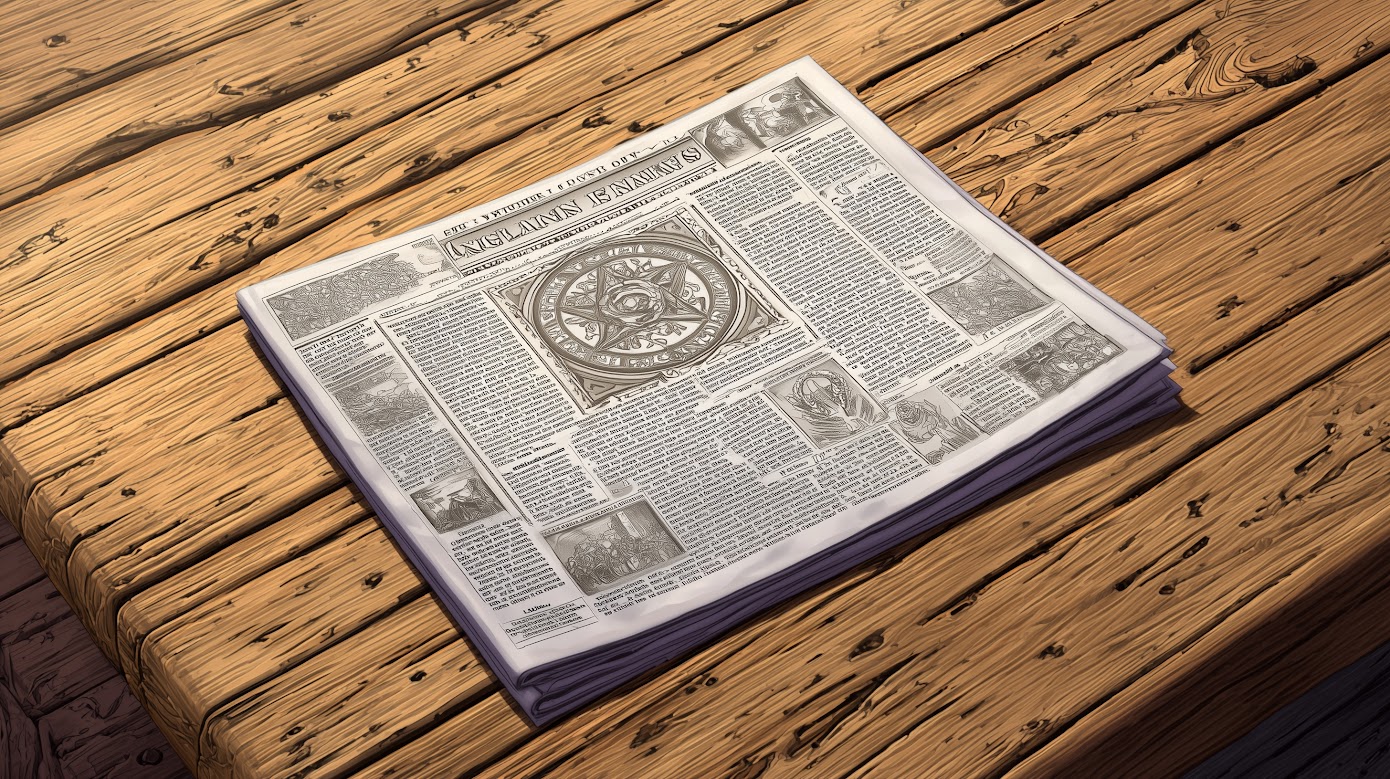
A Herald Sheet is a printed newspaper, plain and simple. It is sold in the street, stacked in shopfronts, handed across tavern counters, and carried under arms through crowded markets. Some people buy it first thing in the morning. Others borrow a copy later in the day once it has passed through three or four hands. It travels fast because people want to know what is happening beyond their line of sight.
The front page carries whatever the editors believe cannot wait. Political shifts. Trade collapses. A naval engagement. A border skirmish that may or may not become a war. The placement matters. What leads the page becomes the subject of debate before noon, and that debate spreads further than the print run ever could.
Inside, the structure settles into columns. Regional dispatches. Market reports. Shipping logs. Announcements. Sometimes scandal, sometimes dry record keeping. A farmer might flip straight to crop prices. A merchant scans for port delays. A guild official checks for mentions of their rivals. The same paper reads differently depending on who holds it.
Most cities support more than one sheet. They compete openly. One might lean cautious and measured. Another sharp and provocative. Readers learn the tone of each publisher over time and adjust their trust accordingly. That familiarity becomes part of the culture. You do not just read the news. You read who printed it.
The physical paper matters more than people admit. It can be folded and saved. Marked with ink. Passed to a neighbor. Thrown across a table in argument. Once printed, it exists in a way rumor does not. You cannot pretend it was never said when someone is holding the page in their hands.
By the time the next edition runs, the previous one has already shaped decisions. Contracts shift. Travel plans change. Officials issue responses. Public opinion hardens. The sheet does not command action, but it accelerates it. That is why it is watched closely, purchased quickly, and never entirely ignored.
Mechanics & Inner Workings
"Used to be news traveled slow enough for a man to fix his mistakes before anyone heard about them. Now it arrives before you do."
A Herald Sheet starts in a room that smells like ink and hot metal, not in a council chamber. Most of them are put together fast, often the same day the reports come in. Editors argue over what makes the front, what gets cut, and what can wait for the next run. The goal isn’t perfection. It’s timing. If a rival sheet hits the board first, the argument is already half lost.
In larger cities, proper presses handle the bulk of production. Type is set by hand, lines locked into place, ink rolled, paper fed through in steady rhythm. Smaller towns do what they can with what they have. A single press might serve three districts, running late into the night when news breaks. In rougher regions, a “sheet” might be a master copy printed in one place and then duplicated by hand in another before it ever reaches a board.
Circulation depends more on roads than ideals. Couriers, riders, riverboats, caravan guards, anyone already moving between settlements becomes part of the chain. Bundles are tied tight and passed along with trade goods or official dispatches. Some towns expect a sheet every few days. Others are lucky to see one twice a month. The further you are from a major route, the more the news feels like weather that arrives when it feels like it.
Once a sheet reaches a settlement, it doesn’t sit in a shop window. It goes straight to the Herald Board. Someone pins it up. Someone reads it aloud. Someone else copies a section by hand to send further inland. A single printed run can ripple outward in layers, especially if the story matters enough. The first version might be clean and sharp. The third copy might be smudged and missing a corner, but the core of it keeps moving.
Not every edition is identical. Regional updates get swapped in and out depending on where the bundle is headed. A coastal run might carry shipping losses and naval movements. An inland version might focus on border tensions or crop failures. The spine of the sheet stays consistent enough that readers recognize it, but the details shift to match who’s expected to read it.
When a story changes, the correction doesn’t erase the first printing. It rides in the next one. People compare the two. They argue about which version they trust. In that way, circulation isn’t just movement of paper. It’s movement of belief, and once a sheet has been read aloud in a square, you can’t call it back.
History
"They call it information. I call it agitation. Half the trouble in this city starts with someone reading something they barely understand."

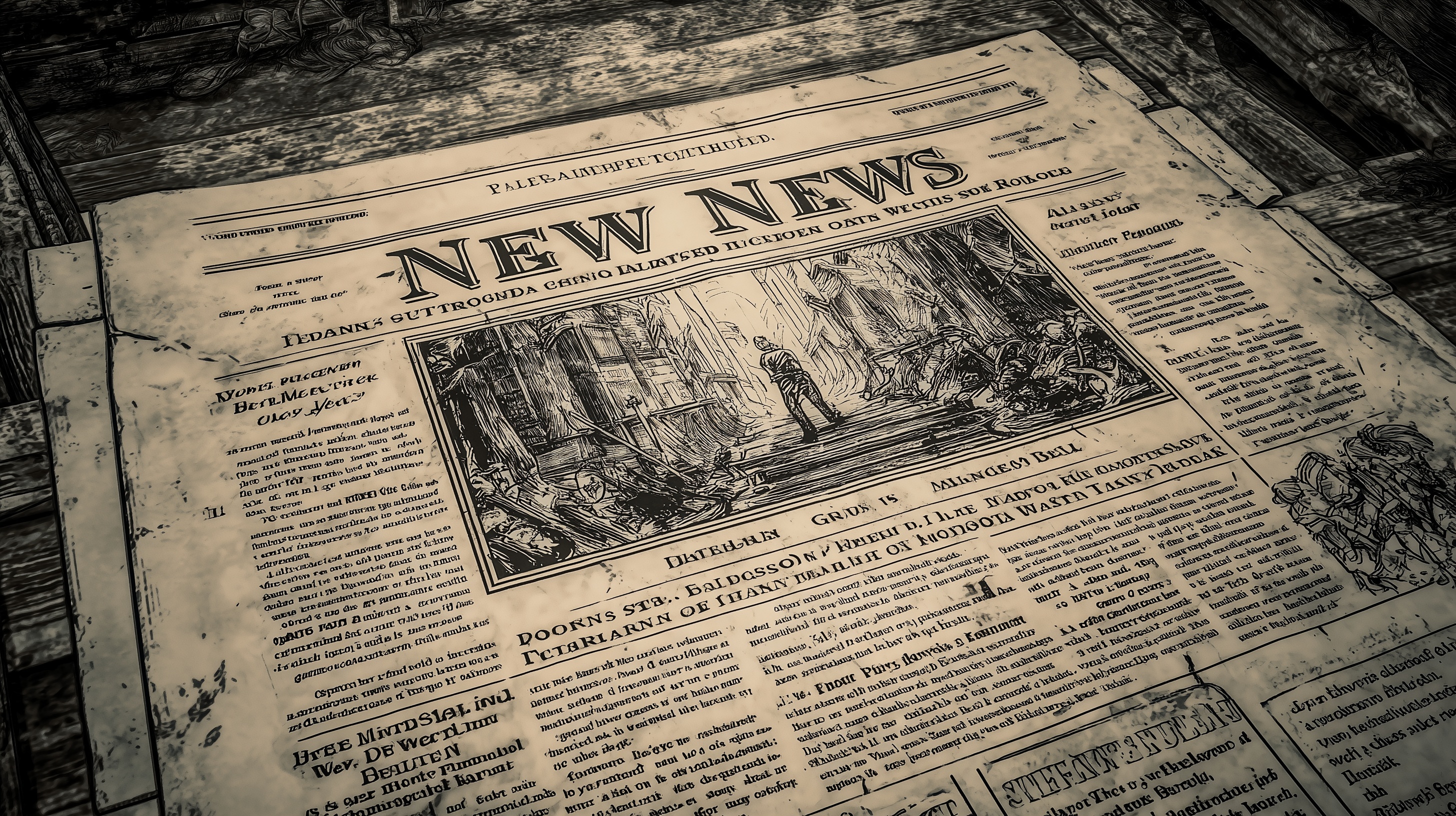
Before the Shattering, news did not need paper. Messages moved through arcane channels, verified by spells and confirmed by institutions people assumed would always function. When that network failed, it did not fail gradually. It stopped. Cities that once knew events as they happened were suddenly blind beyond their own walls. In that silence, rumor filled the gap faster than truth ever had.
At first, information traveled only as fast as feet and sails. Travelers carried fragments of events from one settlement to another, and every retelling warped the shape of what had happened. A burned village became a cursed one. A border skirmish became an invasion. Whole regions reacted to stories that had grown teeth along the road. People realized quickly that if something was not written down and moved intact, it would not survive the journey.
Herald Boards came first. Communities began pinning scraps of verified news beside trade offers and missing names. Travelers copied what they saw and carried it onward. Over time, some of those travelers stopped moving goods and started moving information instead. They learned which reports held up and which fell apart under scrutiny. That informal habit laid the groundwork for something more structured.
As roads stabilized and printing presses reappeared, the first true Herald Sheets began circulating. Instead of copying a board by hand in every town, printers compiled reports into a single run and sent bundles outward. It was faster and cleaner than relying on memory alone. It also introduced competition, because once printing became possible, anyone with a press could claim to tell the story first.
The Society of the Free Press formed during this period, not as a decree from any crown, but as an agreement among those who were already doing the work. They shared routes, standards, and contacts. They did not control every sheet, and they never could, but their name became associated with consistency. In regions that trusted them, their seal meant the report had been checked more than once.
Other sheets took different paths. Some leaned hard into spectacle, knowing that bold headlines moved faster than careful ones. Others aligned themselves openly with political factions or trade interests. The public learned to read tone as much as content. Over generations, that tension between speed and accuracy became part of the profession’s identity rather than a temporary flaw.
Herald Sheets are ordinary in a way their founders would find astonishing. They show up in remote squares and major capitals alike. Some are printed on fine paper with clean type. Others are rough, crowded, and smudged from the journey. What they share is the same purpose that drove their creation in the first place. When certainty collapsed, people chose ink and motion over silence, and they never fully went back.
Significance
"I don't need rumors anymore. I need numbers. Grain prices, caravan losses, weather patterns. If it's printed, I can plan."
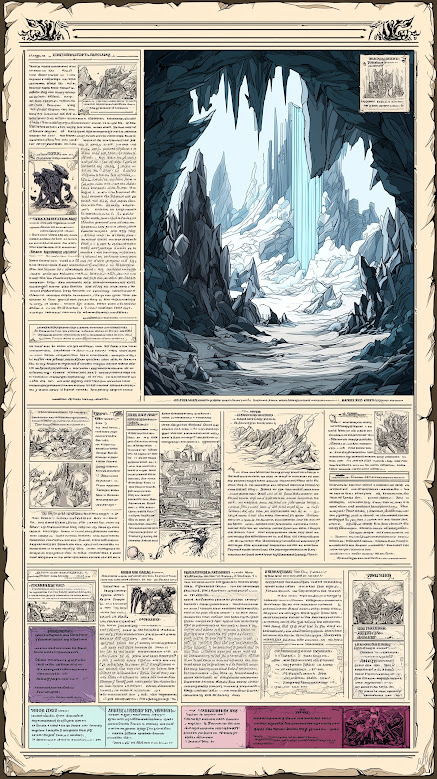
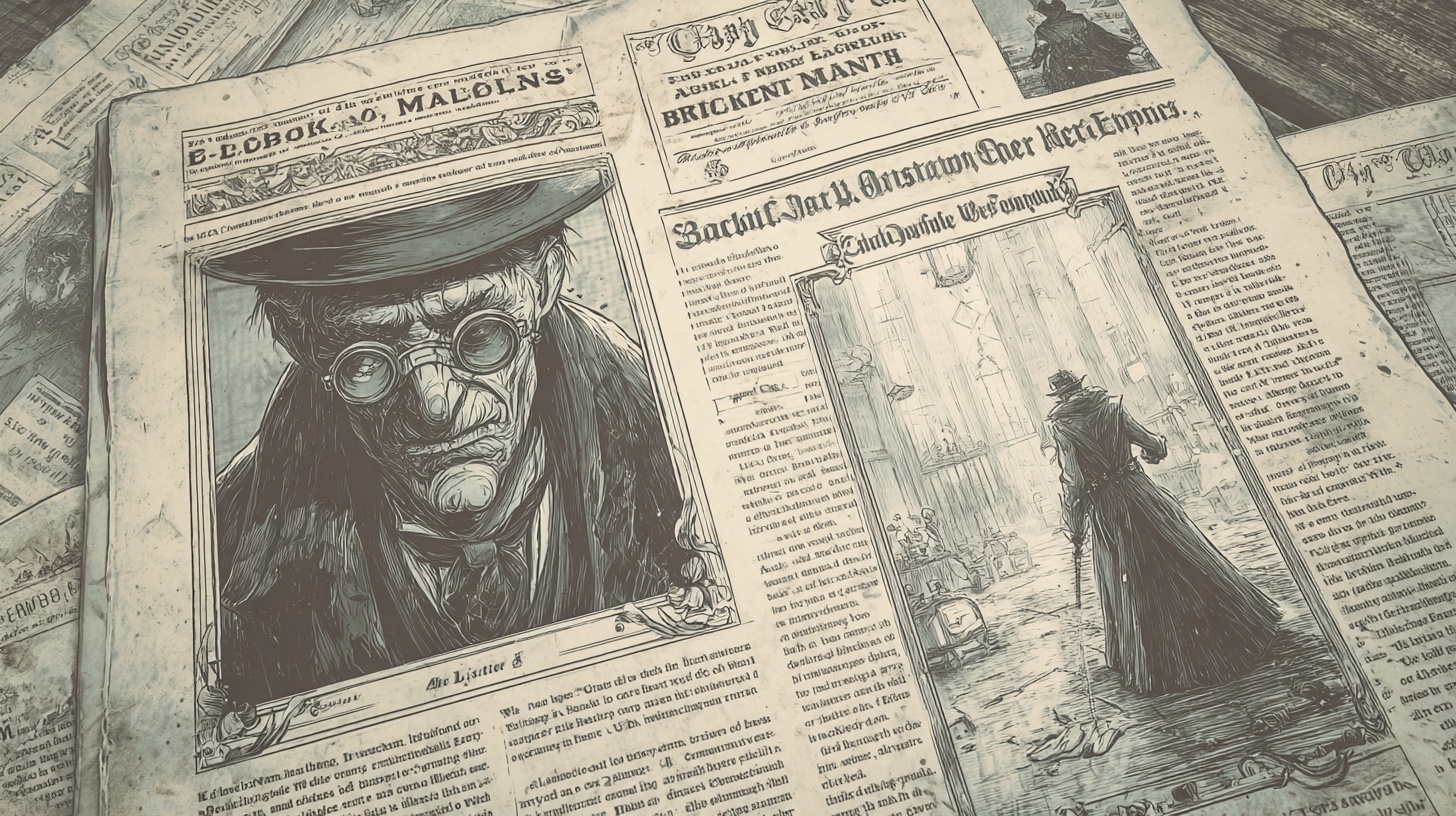
A Herald Sheet matters because it keeps distance from turning into isolation. Most people never travel far from where they were born, but the sheet brings the outside world into the square whether anyone asked for it or not. Storms two valleys over. A border clash no one saw coming. A trade route that just went quiet. It narrows the gap between here and elsewhere, even if it can’t close it.
It also changes how quickly a town reacts. Without it, news drips in through rumor and travelers who might be wrong or lying. With it, there’s something solid to point at. People argue over it, but they argue from the same page. That alone keeps panic from spreading as fast as it once did, and it makes it harder for a single loud voice to control the story unchallenged.
Merchants treat a fresh sheet like a forecast. Prices shift based on what’s printed. Contracts get delayed. Caravans reroute. A single column about unrest along a river can send three trade houses scrambling before sunset. The paper itself doesn’t move goods, but it moves decisions, and that’s often enough to change who profits and who loses.
Rulers pretend not to care, right up until they do. A quiet decree feels very different once it’s printed and nailed up where everyone can read it. A scandal whispered in corridors becomes harder to ignore once it’s set in ink. The sheet doesn’t command authority, but it forces authority to exist in public view, and that makes some people deeply uncomfortable.
For ordinary folk, the significance is more personal. A name listed among the missing. A survivor account from a raid. A call for aid from a town that sounds too much like their own. It turns distant tragedy into something real and immediate. It also carries small things that matter just as much, like festival dates, new guild postings, and news that a road has finally reopened.
Over time, Herald Sheets shape memory. People remember what was printed, not just what was said. Old editions get folded into trunks and tucked under floorboards. Years later, someone pulls one out and points to a line of ink as proof of what really happened. The sheet doesn’t just report the present. It leaves behind a trail that others can follow when they want to understand how things changed.
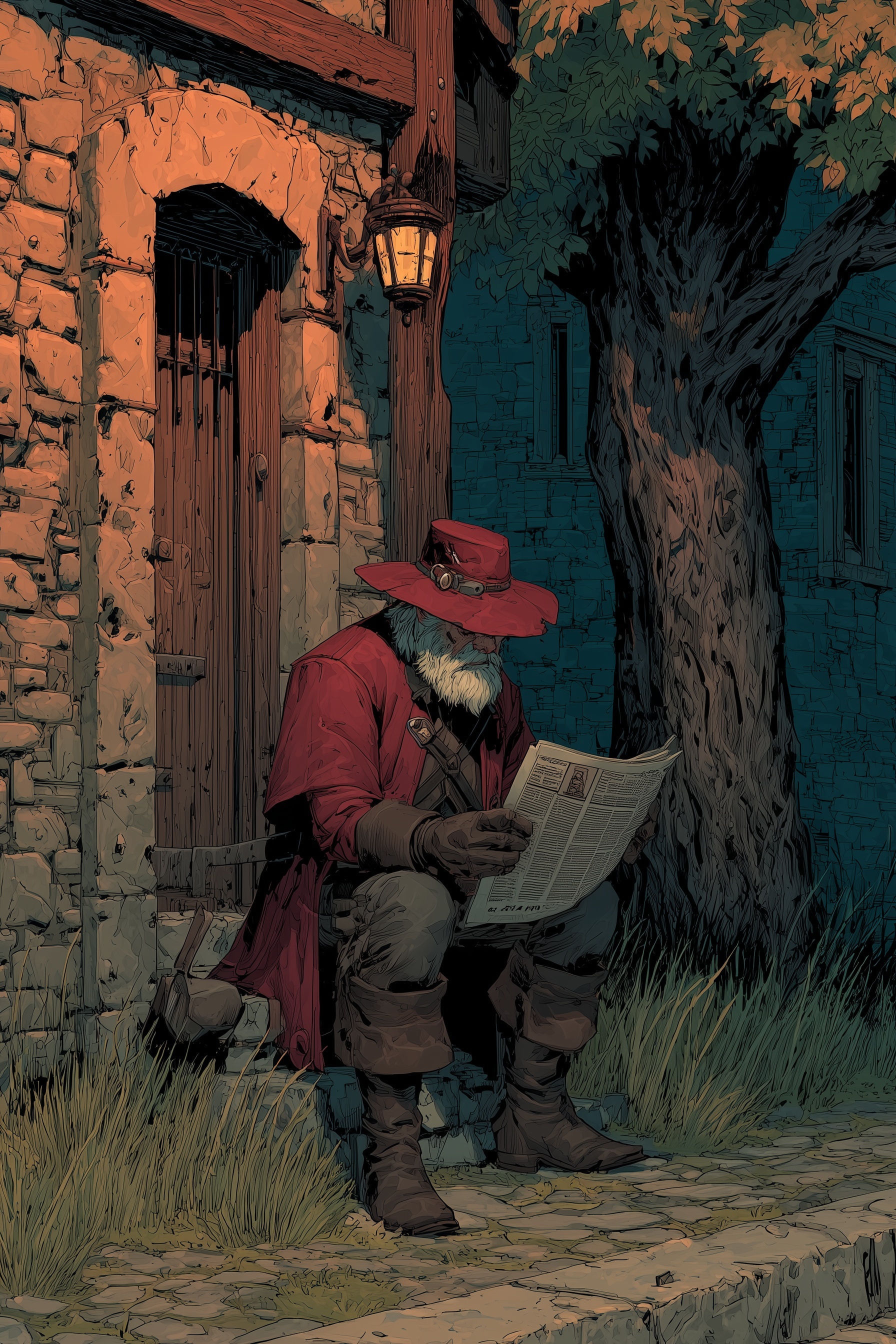
"Funny how every time a council swears nothing is wrong, a sheet shows up saying otherwise. I trust ink more than speeches."



Comments