
Yun
The Yun are an ancient and deeply ritualized people whose culture is shaped by the belief that order is divine, harmony is sacred, and sacrifice is the price of civilization. Their society is not merely hierarchical but cosmological: every role, bond, and obligation is believed to reflect the will of heaven as embodied by the Emperor and the Imperial Cult.
To the Yun, culture is not a matter of personal expression, but of correct alignment—with family, state, ancestors, and the living gods who rule them.
Ideals
Beauty
Beauty in Yun culture is not cosmetic alone—it is moral, spiritual, and social.
Pale, unblemished skin is regarded as the highest expression of refinement and virtue. For women especially, visible scars are considered shameful, a mark of disorder or failure. Men, however, may bear battle scars with pride, as such marks testify to sacrifice in service of family and state.
Symmetry, restraint, and balance are preferred over extravagance. Excess is seen as insecurity; elegance lies in controlled perfection. Aging is regarded harshly in women long before it is in men, and the wealthy make extensive use of alchemical compounds to preserve youth. These treatments are both a status symbol and a moral expectation—proof that a husband is capable of protecting and maintaining his household’s honor.
Beauty, ultimately, is understood as outer evidence of inner harmony.
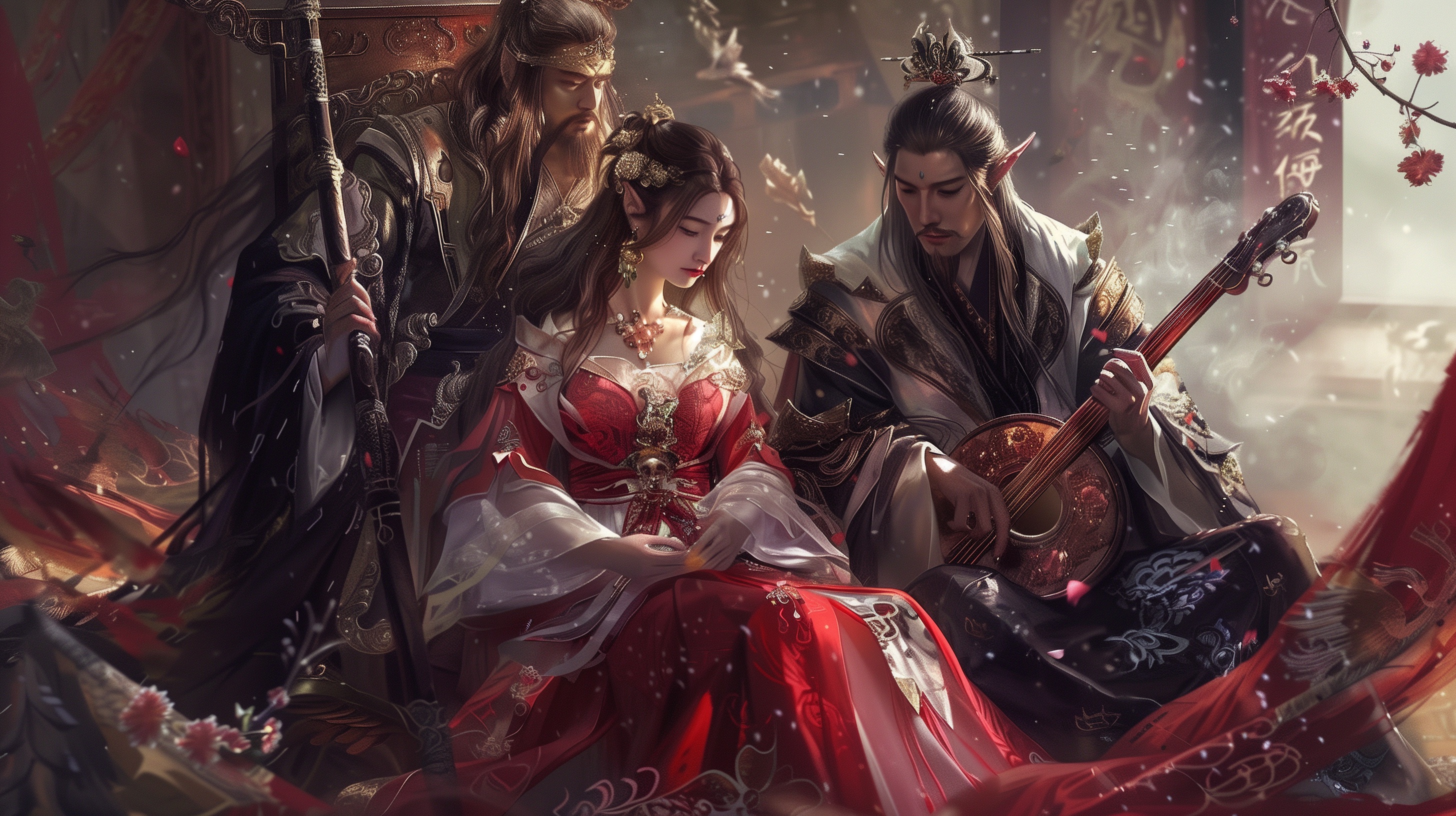
Gender
Gender roles among the Yun are believed to be divinely ordained, not socially negotiated. Men and women are both valued, educated, and respected—but for different purposes, each fulfilling complementary functions within the cosmic order.
Obedience is not framed as oppression. It is understood as love, duty, and proper alignment. A woman’s obedience reflects her trust in her husband’s protection; a man’s authority is validated only if he proves worthy of it through care, provision, and discipline.
Deviation from prescribed roles is treated with suspicion, not hostility. Such individuals are examined, tested, and judged carefully, for disorder in one life is believed capable of rippling outward into family, clan, and state.
Men
Men are expected to protect, and provide. Authority is not optional—it is a burden that must be carried with competence and restraint. A man who cannot provide materially, emotionally, and socially for his household is considered unworthy of obedience.
Men are educated broadly but guided toward disciplines that emphasize strategy, governance, warfare, craftsmanship, and administration. Emotional restraint is a moral expectation. Public displays of weakness undermine not only the man but those under his care.
A man of means is expected to support concubines as a visible sign of prosperity, stability, and social strength.

Women
Women are respected as the pillars of domestic and cultural continuity. They are expected to obey, but that obedience is conditional upon the man’s fulfillment of his duties. A wife manages the internal harmony of the household, oversees concubines, and ensures ritual correctness.
Women receive extensive education in history, etiquette, philosophy, art, finance of the household, and subtle politics. Their power is indirect but profound.
Discipline—physical or otherwise—is socially accepted but tightly regulated. It is framed as correction, not punishment. Excessive or public discipline reflects poorly on the man rather than the woman.
Eunuchs
Eunuchs occupy a third, liminal social category, neither male nor female. Many enter the role voluntarily, particularly third sons of noble families seeking advancement.
They are barred from ancestral rites and family legacy, binding their loyalty entirely to the Emperor and the Imperial Cult. Eunuchs hold immense political and household power and are trusted with the most intimate affairs of state.
They are publicly respected—and privately feared.
On Gender and Discipline
Corporal discipline of women is socially accepted but strictly regulated. A man who fails to provide for his household suffers public shame. Infertility is discreetly attributed to both partners.
Remarriage is discouraged for all, but permitted. Young widows may become respected concubines within extended family structures, preserving honor while maintaining social harmony.
Courting
Courting is primarily a family concern, courting is mandated by the families of the couple and a young man or woman cannot engage in courtship without the permission of their elders. With personal desire secondary to lineage, alliance, and long-term stability. Refusing a match approved by elders is not dishonorable, but it is rare and socially scrutinized.
Poetry, calligraphy, music, and philosophical debate are all traditional tools of courtship. Grace of mind is expected to manifest through physical presentation; wit without elegance—or elegance without wit—is considered false advertising.
Public affection is acceptable between husbands, wives, and their officially recognized concubines. What is improper is disorderly passion rather than affection itself.
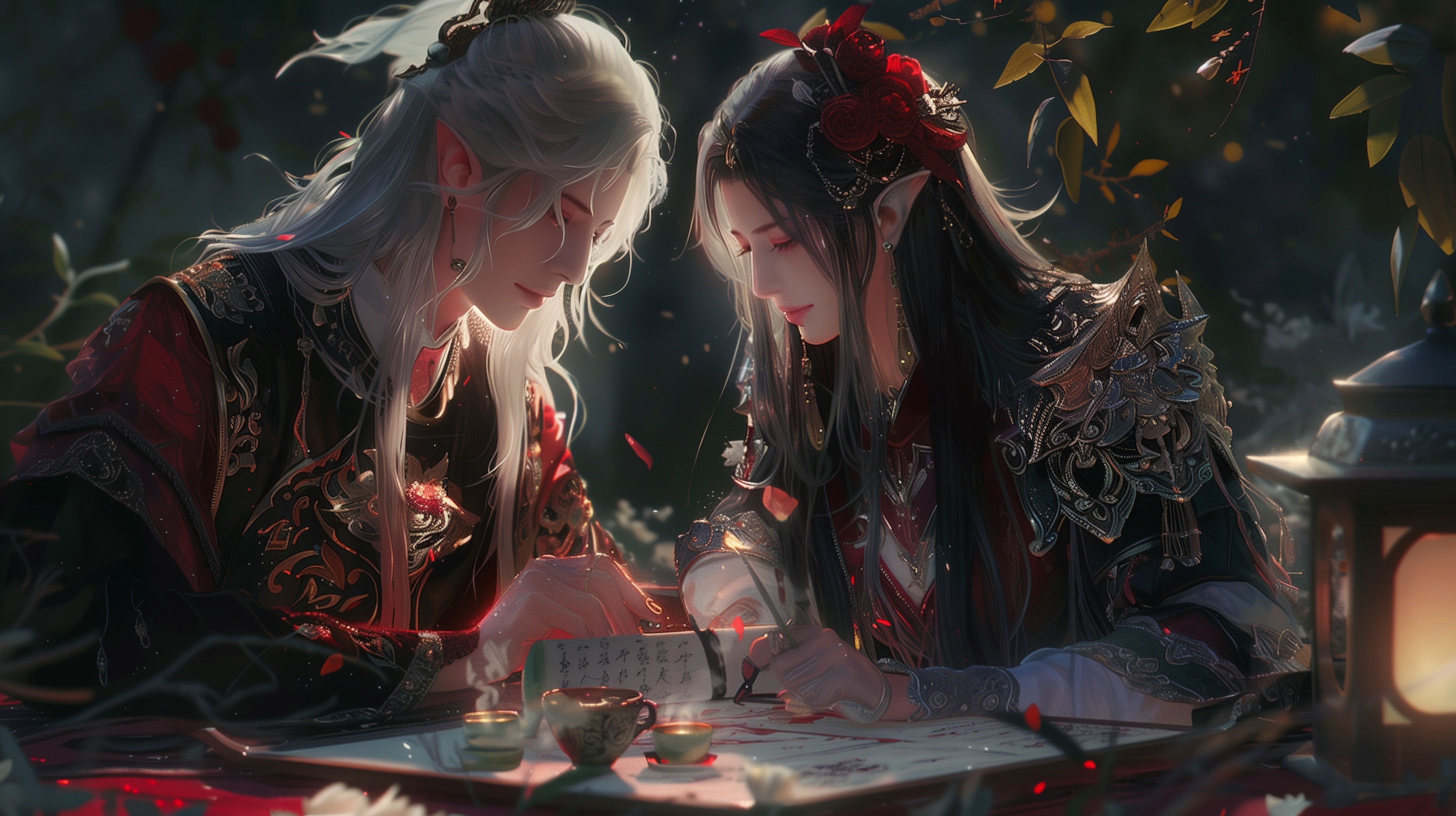
Relationships
Marriage is a contract for the advancement of the family, not a culmination of romantic love. Love is expected to grow over time, particularly between husband and wife. For concubines, romantic affection is expected from the beginning, though always within clearly defined boundaries.
Concubines are legally protected members of the household. A wife is expected to Lead them, guide them, and take partial responsibility for their conduct. Jealousy is considered improper, reflecting insecurity and a failure to embody matronly virtue.
Customs
Codes and Values
At the core of Yun society lies an unyielding prioritization of social harmony over personal happiness. Filial piety is the highest virtue, surpassed only by devotion to the Imperial Cult. Duty to the Emperor supersedes duty to family, for the Emperor is believed to embody the divine order itself.
Yun society is governed not by personal conscience but by a network of codified values believed to originate from the divine order itself. These values are not debated; they are understood, memorized, enacted, and enforced through ritual, record, and reputation.
At the heart of all Yun values lies Harmony—the belief that social stability reflects cosmic stability. Individual happiness is considered fleeting and unreliable, while harmony is enduring and sacred. To pursue personal fulfillment at the expense of social balance is regarded as childish at best and dangerous at worst.
Filial Piety is the highest personal virtue. Obedience to parents, elders, and ancestors is not merely respect but an ongoing moral obligation. Children are expected to embody their family’s honor, and failures are understood as communal stains rather than private shortcomings.
Above even family stands the Yun Imperial Cult . Duty to the Emperor supersedes all other obligations, for the Emperor is not merely ruler but divine mediator. To serve the state is to serve heaven. To defy it is to invite cosmic disorder.
Honor and Shame
Honor and shame among the Yun are not abstract social impressions but formally acknowledged, recorded, and inherited states of being. They are treated as measurable forces that shape an individual’s standing, a family’s reputation, and the perceived harmony of the community at large.
Every citizen exists within a lattice of reputation maintained by local magistrates, Imperial Cult scribes, and household registrars. Acts of service, loyalty, sacrifice, and obedience are inscribed alongside transgressions, failures of duty, and breaches of decorum. These records are not erased by death; they persist in family archives and cult annals, influencing marriages, appointments, and the trust afforded to descendants.
Public shame is considered the most severe form of punishment precisely because it extends beyond the body. Physical suffering ends. Shame endures. A shamed individual becomes a visible disruption within the social order, a living reminder of imbalance. The stain does not remain isolated; it spreads outward to parents, spouses, children, and ancestors, calling into question the moral discipline of an entire lineage.
Ritualized shaming takes many forms. An offender may be compelled to kneel in silence before a magistrate, to wear garments of reduced color or rank, or to formally recite an apology composed by cult scribes—each word crafted to acknowledge fault without self-pity. In severe cases, a family may be required to offer public reparations or sponsor communal rites meant to restore balance.
Importantly, shame is not inflicted impulsively. It is measured, deliberate, and proportionate, for excessive punishment reflects as poorly on the authority administering it as leniency reflects on the offender. A man who disciplines publicly and excessively disgraces himself as much as the one he punishes.
Redemption is possible, but never absolute. Through years of exemplary service, ritual compliance, and visible humility, a stain may fade—but it is never forgotten. Records are amended, not erased. A redeemed individual is praised not for purity, but for endurance.
To the Yun, this system ensures that virtue is not a private aspiration but a collective responsibility, binding the living to the dead and the individual to the empire itself.
Common Etiquette
Speech among the Yun is a carefully balanced art. Indirectness and blunt honesty are both valued—but only when deployed appropriately. Every word is expected to be considered, weighed, and shaped.
Silence signifies wisdom. Eye Contact with superiors is disrespectful. Bowing is highly codified, with minute variations indicating rank, favor, and context.
Dress Code
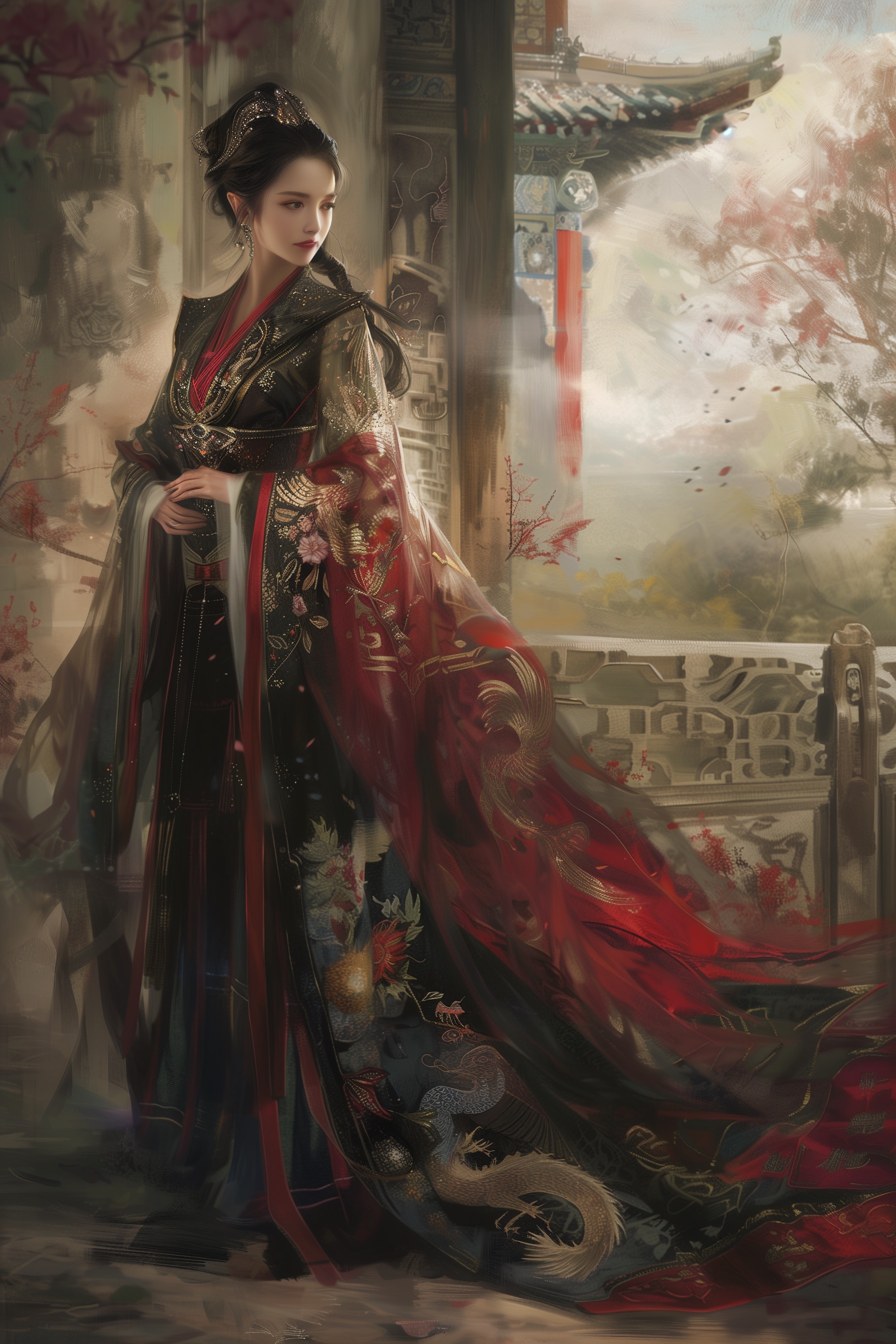
Clothing colors and materials are regulated by both status and rank. Men’s attire emphasizes efficiency and authority, shaped by role—warrior, craftsman, Clerk, or farmer—rather than ornamentation.
Unmarried women destined for marriage dress modestly. Concubines, by contrast, are expected to advertise their qualities—both mental and physical. Overexposure without intellectual sharpness is considered rude and deceptive.
Hairstyles follow fashion, but simplicity is prized in men, while beauty and refinement are emphasized in women.
Status and Rank
Colors, fabrics, and embellishments are regulated by both social status and official rank. Certain dyes and materials are restricted or prohibitively expensive, ensuring that appearance itself enforces hierarchy.
Wearing garments above one’s station is a serious offense, interpreted as an attempt to disrupt social order.
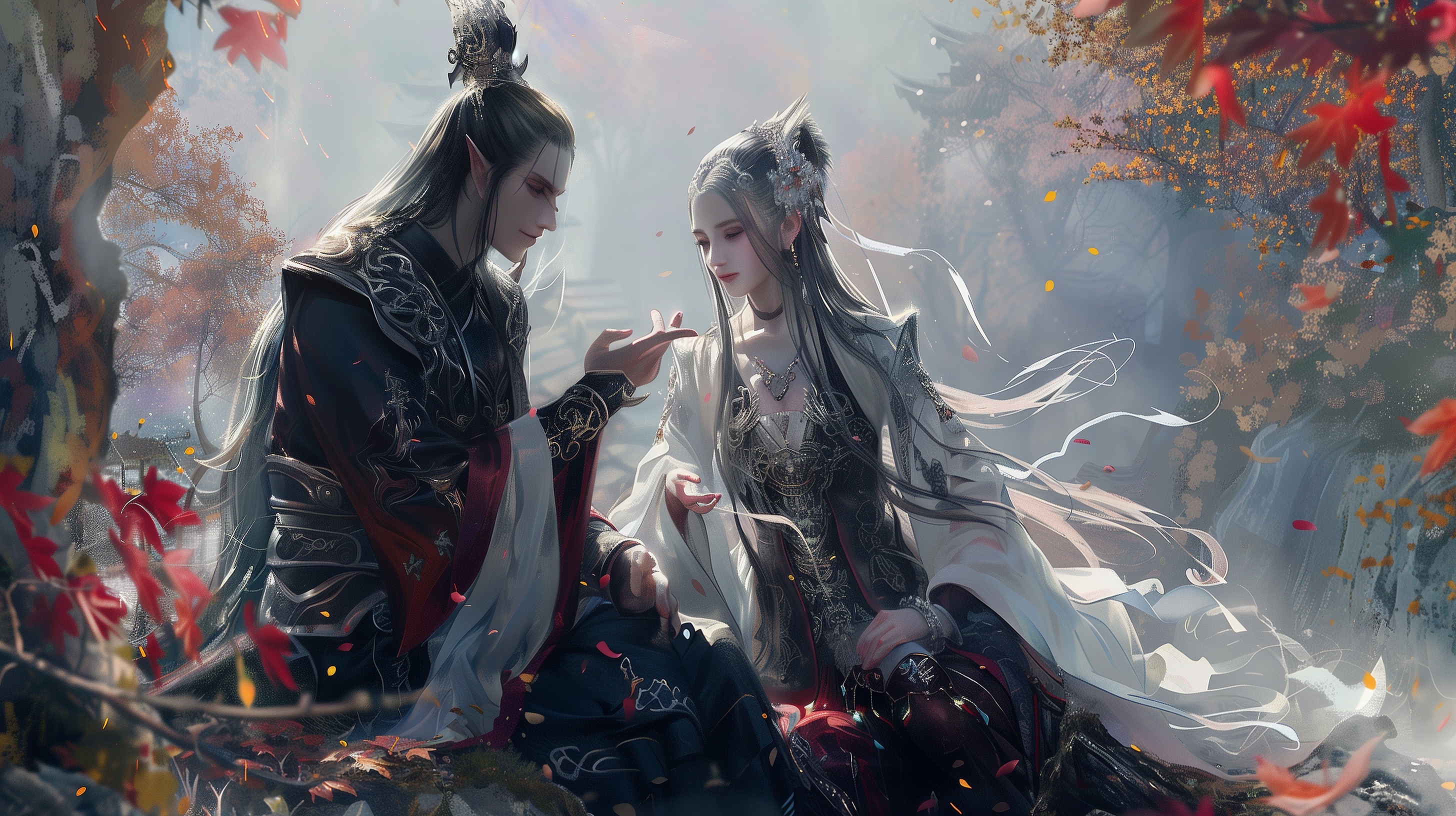
Men’s Dress
Men’s clothing prioritizes functionality and authority. The quality of fabric and tailoring reflects status, while cut and structure reflect profession:
- Warriors wear garments allowing freedom of movement.
- Clerks and scholars favor structured, restrained robes.
- Craftsmen and farmers dress for durability and efficiency.
Adornment is minimal. Excess decoration in men is seen as vanity or insecurity.
Women’s Dress
Women’s attire emphasizes beauty, refinement, and role.
- Unmarried women destined for marriage dress modestly, signaling discipline and suitability.
- Concubines are expected to display their strengths—physical grace, intellect, wit—through refined but noticeable fashion.
- Wives dress with authority rather than allure, signaling leadership within the household.
Overt sexual display without intellectual sharpness is condemned as vulgar and dishonest.
Hair and Ornamentation
Hairstyles are socially regulated. Men favor simplicity; women favor elegance and complexity. Hair ornaments, pins, and bindings communicate marital status, rank, and ritual context.
Art and Architecture
Yun architecture favors symmetry and grace over grandeur. Empty space is intentional, drawing focus to singular objects of meaning. “Less is more” is not an aesthetic preference but a philosophical statement.
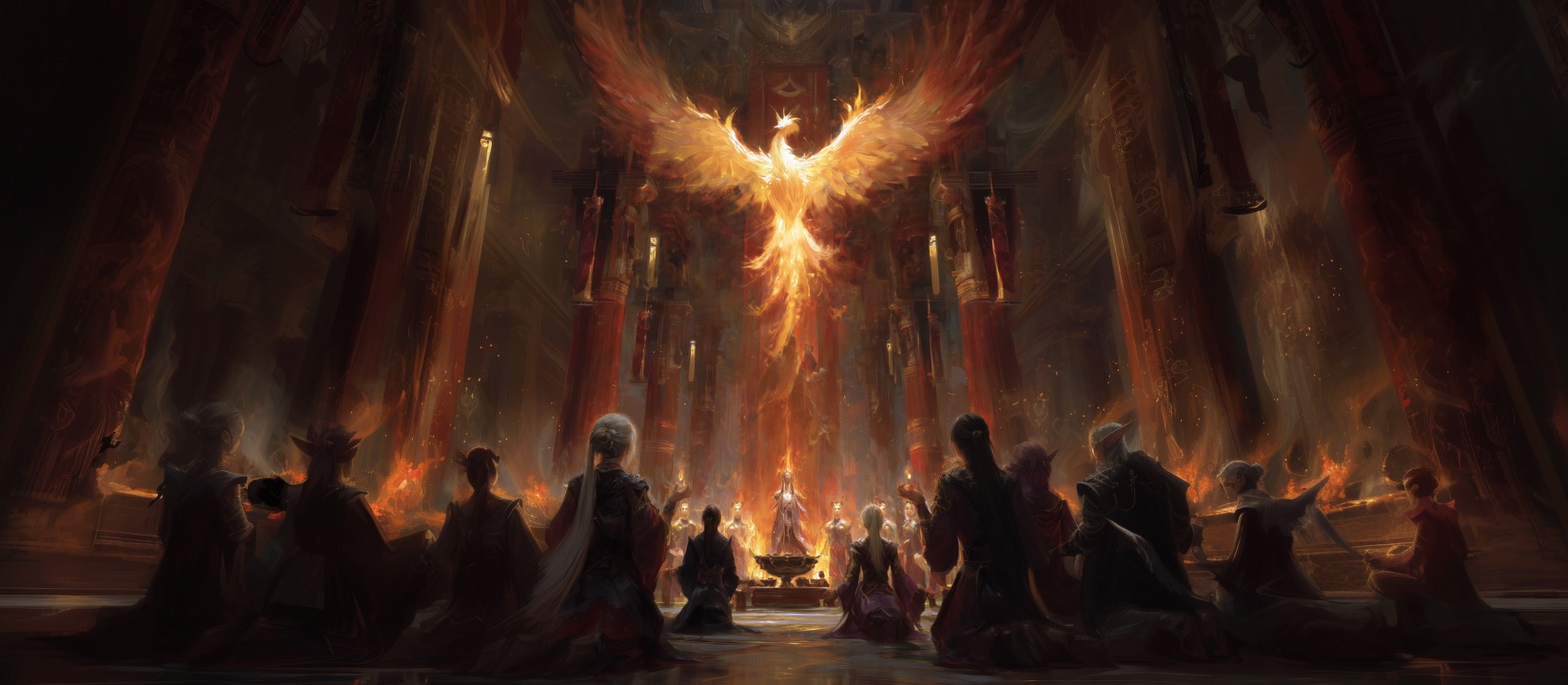
Art is not created merely to entertain. It preserves myth, legend, and history, reinforcing collective memory and moral instruction. The Phoenix stands as the most sacred motif, symbolizing rebirth, sacrifice, and imperial divinity. The fox appears frequently as a symbol of cunning, transformation, and dangerous wisdom.
Food and Cuisine
Communal Eating
Shared meals reinforce hierarchy and harmony. Seating arrangements, serving order, and portion sizes all communicate rank. To host lavishly is a demonstration of prosperity and virtue; to fail is an admission of inadequacy.
Waste and Redistribution
Waste is a moral failing. Food not consumed is redistributed as alms, reinforcing the social contract between the prosperous and the poor. Charity is expected, not praised.
Luxury and Access
There are no formal prohibitions on food by class or gender. Instead, price regulates access. Red Wine and veal, for example, are widely admired but rarely consumed outside elite circles.
To consume such luxuries publicly without the status to justify them invites ridicule.
Tea Culture
Tea is among the most ritualized practices in Yun society. The act of pouring and accepting tea encodes layers of meaning:
- Respect or challenge
- Submission or equality
- Intimacy or distance
Every movement is deliberate. A poorly poured cup can be a calculated insult—or an unforgivable breach of etiquette.
Coming of Age & Funeral Rites
Adulthood is marked by formal rites, distinct for men and women, symbolizing their acceptance into their societal roles.
Funeral rites center on ancestor veneration. The dead are believed to join the departed of the family, becoming silent witnesses to the living. Mourning is not time-bound, but regulated through clothing, signaling loss without disrupting social function.
Common Taboos
Public emotional outbursts are deeply improper. Disrespecting ancestors is considered worse than insulting the living.
Sex may be discussed as an art, philosophy, or duty—but not as idle escapade. Failure to marry is viewed with suspicion, suggesting imbalance or hidden fault.
Myths and Legends
Yun myths emphasize sacrifice above all else, intertwined with reverence for the Imperial Cult. Legendary figures are remembered for both duty and heroism, while rebels are framed as tragic warnings rather than villains. A great example of this being the myth of The Ashen Feather
The Emperor is divine from the moment of crowning—transformed into a living god and the earthly head of the Imperial Cult.
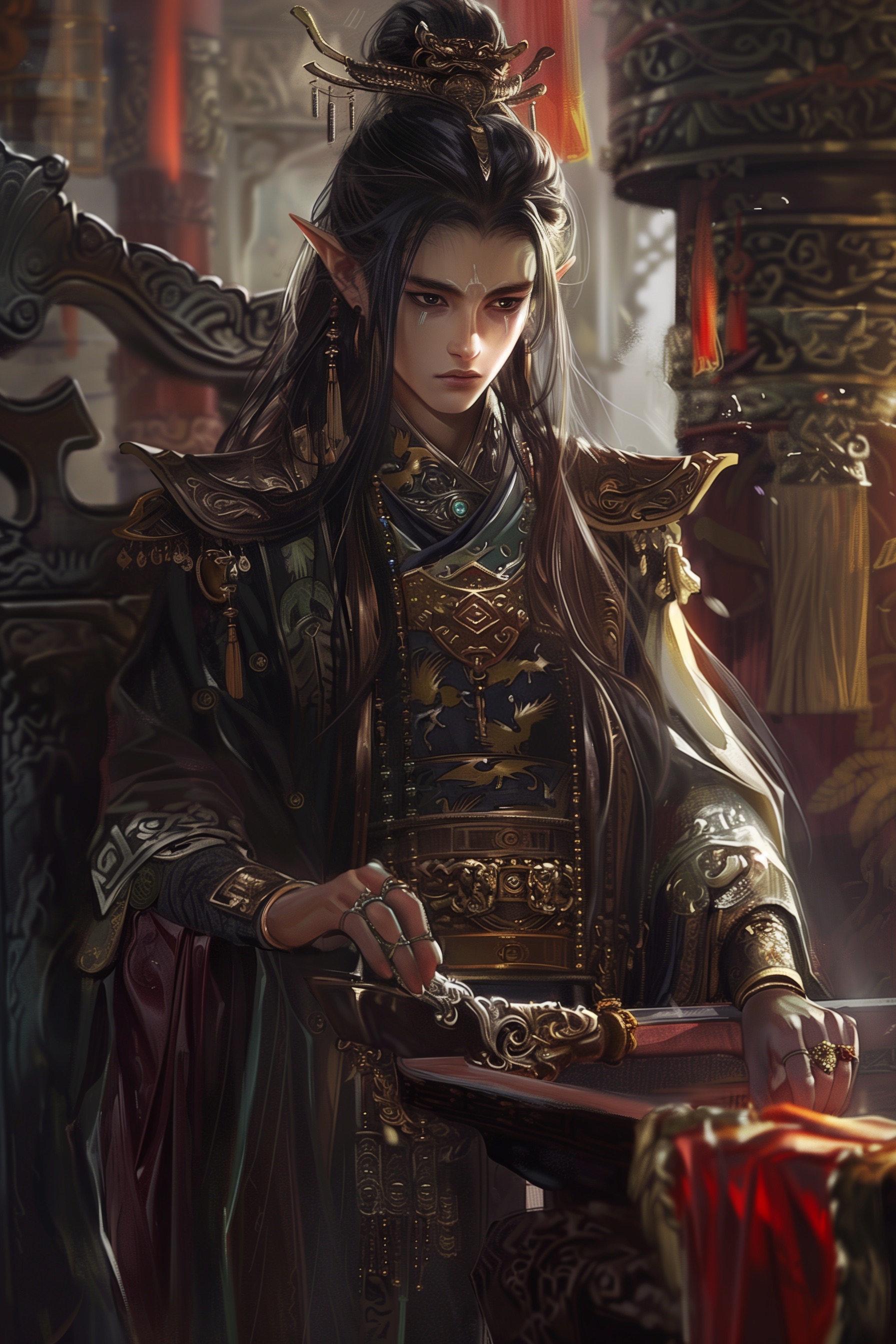

+1 Dex +2 Con +1 Wil
+1 Rank Acrobatics > Defensive Martial Arts
The Weighing of the Name
To restore harmony by publicly naming the disorder, assigning proportionate shame, and binding the offender (and household) to corrective duty.
Summons and Stillness A sealed summons is delivered by a Cult attendant. The accused must present themselves at first light and may not speak from the moment they cross the threshold of the Hall of Balance.
Threshold Bow and Name Declaration At the door, the offender performs three bows: to the Emperor (as divine order), to the magistrate (as earthly law), and to the ancestors (as witnesses). A scribe speaks the offender’s full name, lineage, and household affiliation aloud.
The Statement of Disruption The magistrate does not accuse with emotion. They recite a concise description of the breach as a disturbance to harmony—what social bond was damaged, what duty was neglected, what public trust was weakened.
Witness Offering Witnesses step forward in rank order. Each must speak plainly—no embellishment, no insult. Their words are written verbatim by the scribe. Contradictions are noted, not argued.
The Silence Measure The accused is required to remain silent for a fixed span (often the time it takes incense to burn to a marked line). This pause is believed to “cool” impulse and reveal whether the offender can bear restraint.
Permitted Speech Only after the silence does the magistrate grant speech. The accused may answer three questions only, each carefully phrased. Rambling is treated as evasion; emotional pleading is treated as immaturity.
Judgment and Category of Shame The magistrate assigns a category—commonly:
- Shame of Negligence (failure of duty)
- Shame of Disorder (loss of restraint, public outburst)
- Shame of Deceit (falsehood, manipulation)
- Shame of Disloyalty (against Cult/Emperor) The category determines the remedy more than the act itself.
Mark of Diminution The offender receives an outward marker for a set period—typically a mandated garment color, a removed ornament, a simplified hairstyle binding, or a visible seal-stamp on the sleeve hem. The point is not humiliation for sport, but social visibility: the community must recognize that balance is being restored.
The Corrective Burden A duty is imposed that repairs what was harmed: public service, sponsorship of alms, restitution, or ritual labor (copying texts, maintaining shrine grounds, assisting in communal kitchens). The burden must be heavy enough to be felt but not so heavy it breaks the household.
Household Accountability A representative of the household (often the family head or appointed steward) must bow and accept partial responsibility. This binds the family to oversight and ensures the shame does not become “someone else’s problem.”
Closing Rite: The Rebinding The offender kneels and repeats a short vow of restraint and duty. A Cult attendant ties a plain cord around the wrist (or places a small token in the offender’s sleeve) symbolizing the period of correction.
Record and Public Notice The scribe enters the judgment into the local registry and family archive notice is issued (publicly for higher-status cases, quietly for minor ones). Records are amended later if the corrective burden is fulfilled—never erased, only annotated.
Household of Lian Honor Entry
Registry: Local Magistrate Ledger & Imperial Cult Annex
Subject: Household of Lian—Secondary Branch, South Gate Ward
Individual Entry: Lian Suo-Wei, Second Son
Date: Aladan 9th, Year 1870 AF
Recorded By: Scribe-Monitor Shen Qiao (Seal: Jade Ink, Third Rank)
Name & Lineage
Lian Suo-Wei, second son of Lian Ren-Ju (household head), bound to the Imperial Cult through ward tithe.
Standing Prior to Entry
Household Honor: Stable
Merit: Adequate
Eligibility Notes: acceptable for mid-rank clerk appointment; marriage prospects open.
Past Merit Annotations:
Merit of Service — completed three months assisting shrine stores (alms distribution) without complaint.
Infraction Recorded
Category: Shame of Deceit
Summary: Presented falsified accounting to conceal misuse of communal grain allotment; attempted to shift fault to a junior registrar.
Rite Administered
The Weighing of the Name — Hall of Balance, South Gate Ward.
Judgment
Mark of Diminution: Sleeve seal of pale ash for 90 days; prohibited from wearing household crest pin during this period.
Corrective Burden: Repay grain equivalent (measured), plus 40 days shrine-kitchen labor at dawn; copy one full chapter of the Cult Ledger of Duties by hand under supervision.
Household Accountability: Lian Ren-Ju accepted partial oversight fault; household required to sponsor one public alms day.
Social Consequences (Advisory)
Appointment: Clerk candidacy deferred one year pending completion and annotation of amendment.
Marriage: Negotiations permitted but must disclose ash-seal period to prospective household.
Amendment Clause
Upon full completion, entry to be annotated: “Burden fulfilled; restraint proven.” Stain remains noted as “Deceit—Corrected,” to persist in archive for lineage reference.
Seal & Witnesses:
Magistrate Wei Huan
Witnessed by Cult Attendant: Guide Min Toh-Ren


God damn Dimi, this is an impressive friggen culture. You fleshed the Yun out insanely well. They sound like a pretty dang harsh people. Get that first from the beauty segment. Very cool traditionalist / conservative take!
Wanna see some good articles? Of course you do.
Showcase
Thank you bud! I did took a lot out of me and I had to do a deep dive into Early Chinese / Korean culture and a lot of mental gymnastics :D
World Anvil Founder, CTO & Product Director
Follow Solspire Chronicles
“No act of kindness, no matter how small, is ever wasted.” - Aesop