Riverweed Leather
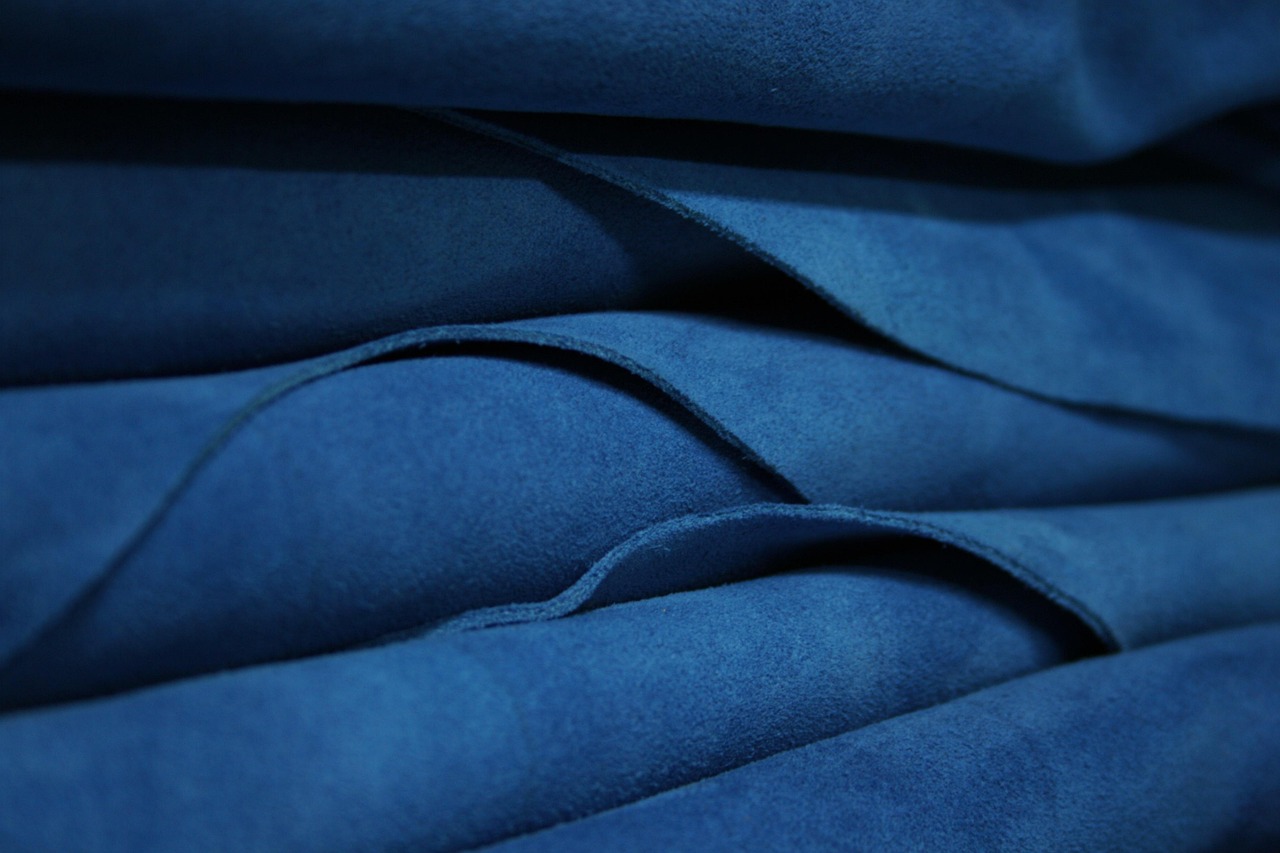
Riverweed leather is a type of leather manufactured from riverweed and locally grown only in the Atiris Stream. It commonly comes in various shades of green dye to the natural dyes of the riverweed plant, but on occasion, the native freshwater merfolk will dye the leather a few different shades of blue.
History & Usage
Everyday use
There are many useful ways to integrate with leather, like furniture and handbags, but the merfolk mainly use it for a good, flexible armor and grips for weapons. Furniture would come right after that with handbags being the least useful since they are commonly woven with river reeds.
Byproducts & Sideproducts
As the leather is tanned with animal fats and left to dry for periods of time, it is slowly thinned and lubricated until the fabric is dried and softened, ready for manufacturing. Around this time, the leather can be split or bonded to change the grade of the leather work.
Reusability & Recycling
Leather armor that is no longer wearable can be reconstructed into leather grips or shoes, but the leather must first be stripped or bonded for that process to begin.
Distribution
Storage
Riverweed leather is very flammable and must kept away from open flames or even wild monsters, like dragons. However, in freezing cold temperatures, the leather can crack, causing it to become brittle and making it more susceptible to piercing and slashing damage.
Law & Regulation
Under Astar Kingdom laws, riverweed leather must meet one of three type of grades to allow it onto the open market for trade or sell.
- Top-Grain leather creates a durable, stronger leather with the outer-grain. The thickness of the grain will depend on if the leather contains more fibrous from the animal fats. This type of grain usually results in armor.
- Split leather is usually created when fibrous is left once the top-grain of the leather is removed. This gives the illusion of a glossy finish, and is often used for shoes.
- Bonded leather is always made when scraps of former leather are shredded and bonded together with a type of fiber mesh from the local deer.
Table of Contents
Type
Organic
Rarity
Rare
Color
Green (natural)
Blue (dyed)
Blue (dyed)
Common State
Solid
Related Locations
Related Species
Related Items
Comments