Kivria (kˈivrja)
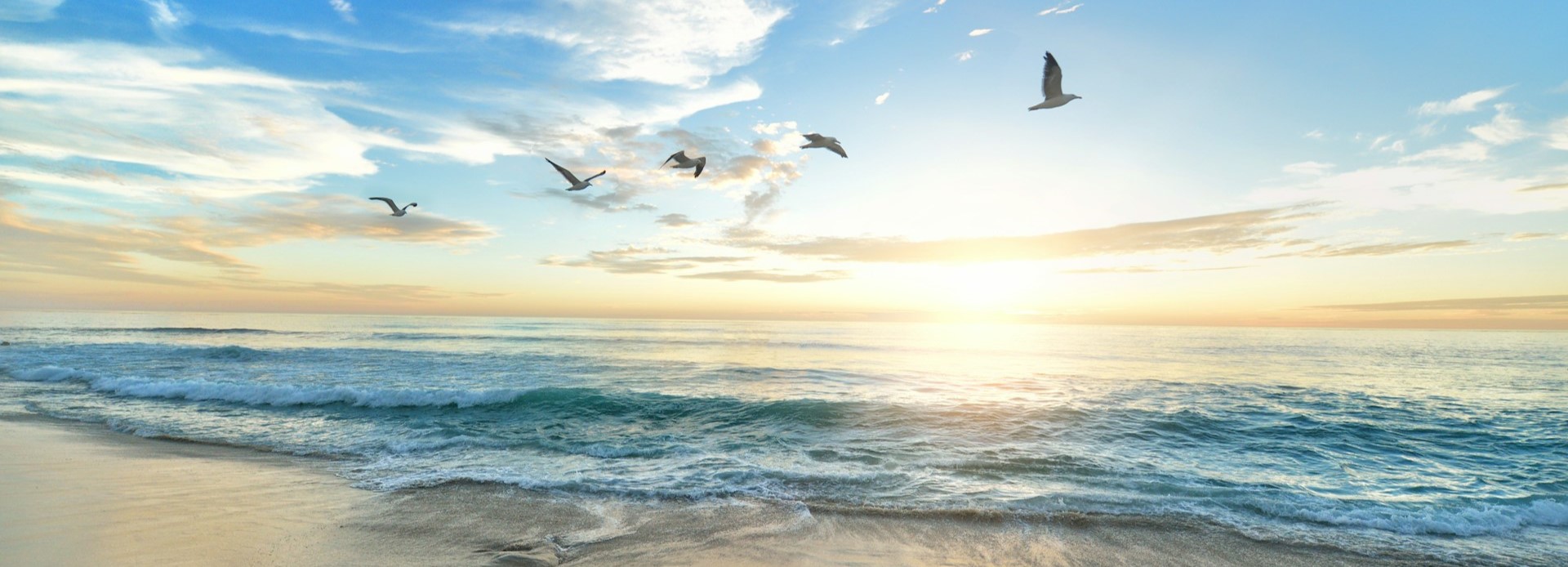
Kivria is a large oceanic planet with limited land yet substantial biodiversity above and below its vast waters. This planet's unique environmental conditions have caused Kivrian scientists to describe it as "a perfect nursery for life to flourish, even attain higher intelligence," yet limited by its "inability to adequately support the needs of a civilization sufficiently technologically advanced enough to traverse space."
One thing all of Kivrian civilizations have in common is that they are ever changing, passed down from generation to generation of mortals. Their creativity has led them to scientific discovers and technological marvels unfathomable to all who came before them.
Dragons are naturally plentiful upon the planet of Aravu, where the various species are kept in check by the ecosystem. Dragons have no such inhibitions on the planet of Kivria. A few escapees infiltrated Kivria and wreaked havoc upon the land for thousands of years before the people were able to either catch and return them or exterminate them. It was an intense and difficult time that is now recounted in some of the earliest myths and legends of Kivria.
Cedar Vulture Lichens are native to Kivria. They are not regarded as harmful to the ecosystem, but even if they were, they were likely introduced so long ago that no one remembers the difference. This lichen produces a beautiful purple dye. Its discovery transformed purple from the color of royalty to the color of 'the people', and unlike dragons, this is regarded in the modern era as a largely positive impact (unless they're a rich historian, but most of them have moved on).
Geography and Climate
Continents and Oceans
Kivria is an oceanic planet first and foremost with seven distinct oceans, much more diverse in number than its landmasses. Kivria's landmass is spread out across two major continents and a plethora of islands scattered across the world. Whether on land or under water, every inch of Kivria is positively crawling with life.Current Climate Trends
Terrestrial species are in a seemingly never-ending battle with their oceans to maintain the lands they have. Erosion and flooding are a source of constant concern, especially for the extensive island fauna and flora. This general climatic situation alongside significant technological advancement has led to twomajor, dueling priorities amongst the peoples of Kivria in the modern era:
- Focus on environmental sustainability and preservation of Kivria, even if it stymies technological advancement.
- Focus on extracting resources to fuel the development of advanced technology needed to colonize new planets, even if it damages their planet.
"It's the only home we have, we need to take care of it!" "For now, sure, but my money's on terraforming Ebitus."
Flora & Fauna
Native Sophonts
Kivria is home to a myriad of native sophonts, but only a few dominate. The four major civilization builders of Kivria include the homogenous Awassi and Henin as well as the hybrid Hewas and Astris. Other sophonts are classified as "feral sophonts," a term for species that belong to neither of the above four species.Awassi
The Awassi were the first Kivrian species to achieve measurable sophonce. This ovine species is best known for their high intelligence and surprising versatility as well as an unfortunate susceptibility to illness and injury. Within recent memory, a plague nearly rendered them extinct, toppling thousands of years of Awassi civilizations and creating a population bottleneck by the time in ended. While their population is on a promising upward swing, the long term viability of their species continues to be alarmingly vulnerable.Henin
The Henin are the most common Kivrian sophont species. They are canid in nature, an otherwise rare biological family on the planet in the modern era. They are highly intelligent and social creatures, as well as hardier and more proliferant. They are the only species to have been studied through their rise to sophonce. Their canid ancestors evolved alongside the Awassi with a range of relationships, from feared predators in the earliest records, to beloved companions and guardians, and eventually to bona fide equals.Hewas
The Hewas are a hybrid species between the Awassi and the Henin. Scientifically, the genetic differences between the Awassi and the Henin should render the existence of the Hewas impossible.Astris
The Astris are a hybrid species between the Yashelin and any sophont Kivrian species. Unlike the Hewas, they are capable of reproducing and establishing stable bloodlines."Feral" Sophont Species
These are species which are not formally recognized as sophonts, but have clearly attained a certain level of intelligence and organization to be called such... just with a derogatory additive. Some feral sophonts are legally recognized by their local communities, such as the Bes Nereids, but most have gone extinct or live on the margins - largely as a result of aggression on the parts of various Awassi and Henin civilizations, such as the Felis Sapiens.Native Flora and Fauna
Meta Note
The vast majority of Kivria's flora and fauna are taken from existing species on Earth, which are usually given unique in-universe traits and breeds. Maybe one day I'll get hit with inspiration for more fantastical creatures and overhaul this, but don't worry, ducks are eternal.Extraterrestrial Invasive Interference
Yashelin: No Such Thing as a Prime Directive
With the exception of significant yet natural astronomical events, all extraterrestrial interference can be traced back to the carelessness of the Yashelin, a sophont species from the planet of Aravu. The Yashelin are directly responsible for the introduction of many invasive species, some of which are now so deeply entrenched in Kivrian ecosystems that it would cause more damage to remove them. Additionally, the Yashelin massively impacted the early development of native Kivrian sophont societies, most egregiously by helping early native peoples develop advanced technology more rapidly than would have otherwise been possible."How could you earnestly say we should let generations worth of people die from preventable diseases because they hadn't intellectually earned life-saving medical knowledge yet? What did we go through all the anguish to perfect fucking, I don't know, water pipes if not to share it? I'd rather risk a dragon infestation or inspire weird religions than say that I stood by and let people suffer."
Dragons: Harsh Reality to Legendary Wonder
Dragons are naturally plentiful upon the planet of Aravu, where the various species are kept in check by the ecosystem. Dragons have no such inhibitions on the planet of Kivria. A few escapees infiltrated Kivria and wreaked havoc upon the land for thousands of years before the people were able to either catch and return them or exterminate them. It was an intense and difficult time that is now recounted in some of the earliest myths and legends of Kivria.
Cedar Vulture Lichen: Purple Alien Dye
Cedar Vulture Lichens are native to Kivria. They are not regarded as harmful to the ecosystem, but even if they were, they were likely introduced so long ago that no one remembers the difference. This lichen produces a beautiful purple dye. Its discovery transformed purple from the color of royalty to the color of 'the people', and unlike dragons, this is regarded in the modern era as a largely positive impact (unless they're a rich historian, but most of them have moved on).


Comments