


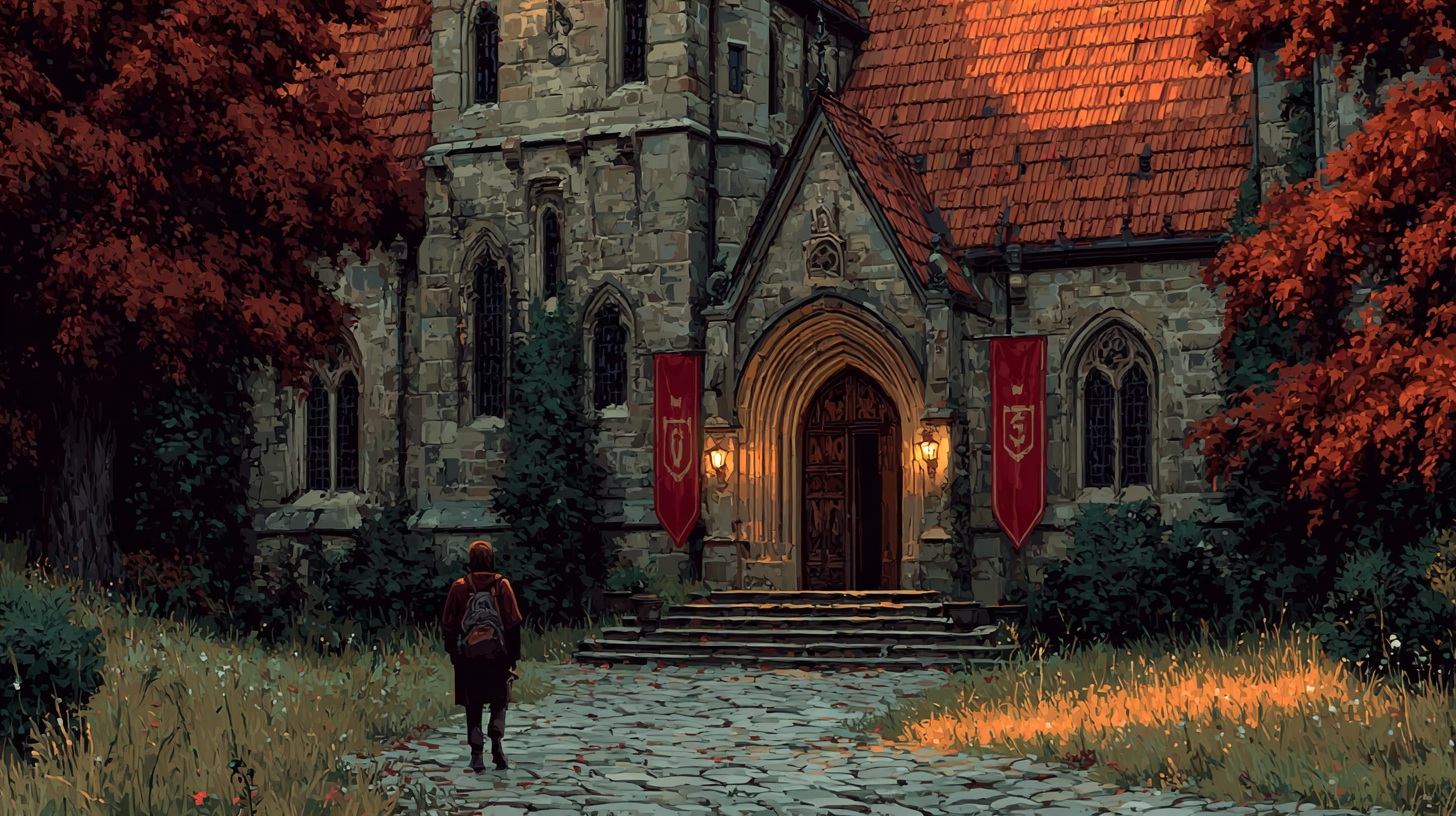
Ward
You're One Of Us Now
“People speak of adoption as though it were charity. They misunderstand. A child is given a home, certainly. But a family receives something as well. Love is one of the few things in this world that grows larger when shared.”
Every society tells stories about bloodlines.
Ancient houses trace their ancestry to heroes. Merchant dynasties boast of founders whose decisions shaped generations. Religious institutions preserve lineages of teachers and disciples. Noble families obsess over inheritance, succession, and legacy. Across the world, people speak as though belonging is something that flows naturally from birth.
Wards know otherwise.
A ward's life begins with a choice. Someone decided to make room for them. Someone with resources, influence, authority, affection, obligation, or simple compassion chose to alter the course of another person's future. The reasons vary widely. Some children are adopted after tragedy. Others are fostered during times of hardship. Some are sponsored because of unusual talent, political necessity, family loyalty, or simple circumstance. Whatever the reason, a ward grows up understanding that family can be created as well as inherited.
This perspective often grants wards an unusual awareness of relationships. They learn quickly that households are not held together by blood alone. Obligation, affection, gratitude, expectation, rivalry, duty, sacrifice, and loyalty all play their part. A family may appear united from the outside while quietly fracturing within. Another may appear unconventional yet possess bonds stronger than those found in many noble bloodlines.
Many wards become skilled observers of social dynamics as a result. They learn which relatives genuinely care for one another and which merely share a name. They learn who protects whom, who carries hidden influence, who feels excluded, and who quietly serves as the emotional center of a household. Such lessons often prove valuable far beyond family life.
The experience also shapes a ward's relationship with privilege.
Some embrace the opportunities they were given and devote themselves to honoring the people who helped them. Others struggle with feelings of insecurity, questioning whether they truly deserve the position they occupy. Many experience both emotions at different points in their lives. Gratitude and uncertainty often walk side by side.
In lands scarred by the Shattering, wards are particularly common. Entire communities were uprooted. Families were separated. Children were orphaned. Institutions collapsed and rebuilt themselves. During such times, survival often depended upon strangers choosing to help one another. Many of the most influential figures in the modern age owe their upbringing not to blood relatives but to individuals who chose to become family when circumstances demanded it.
As adults, wards can be found in every walk of life. Some inherit positions of influence within the households that raised them. Others strike out on their own, determined to establish identities separate from the people who sheltered them. Many become mentors, patrons, teachers, guardians, and benefactors themselves. Having experienced the life changing impact of being chosen, they often feel a responsibility to extend similar opportunities to others.
This tendency creates networks that extend far beyond ordinary family connections. A ward may maintain lifelong relationships with foster siblings, former guardians, patrons, teachers, household staff, and countless others connected to the place they once called home. Such bonds are often complicated, but they are rarely insignificant.
The most insightful wards eventually come to understand something many people never learn.
Belonging is not a gift that appears automatically at birth.
It is something people create together.
Most people ask where someone comes from.
A ward asks who chose them.
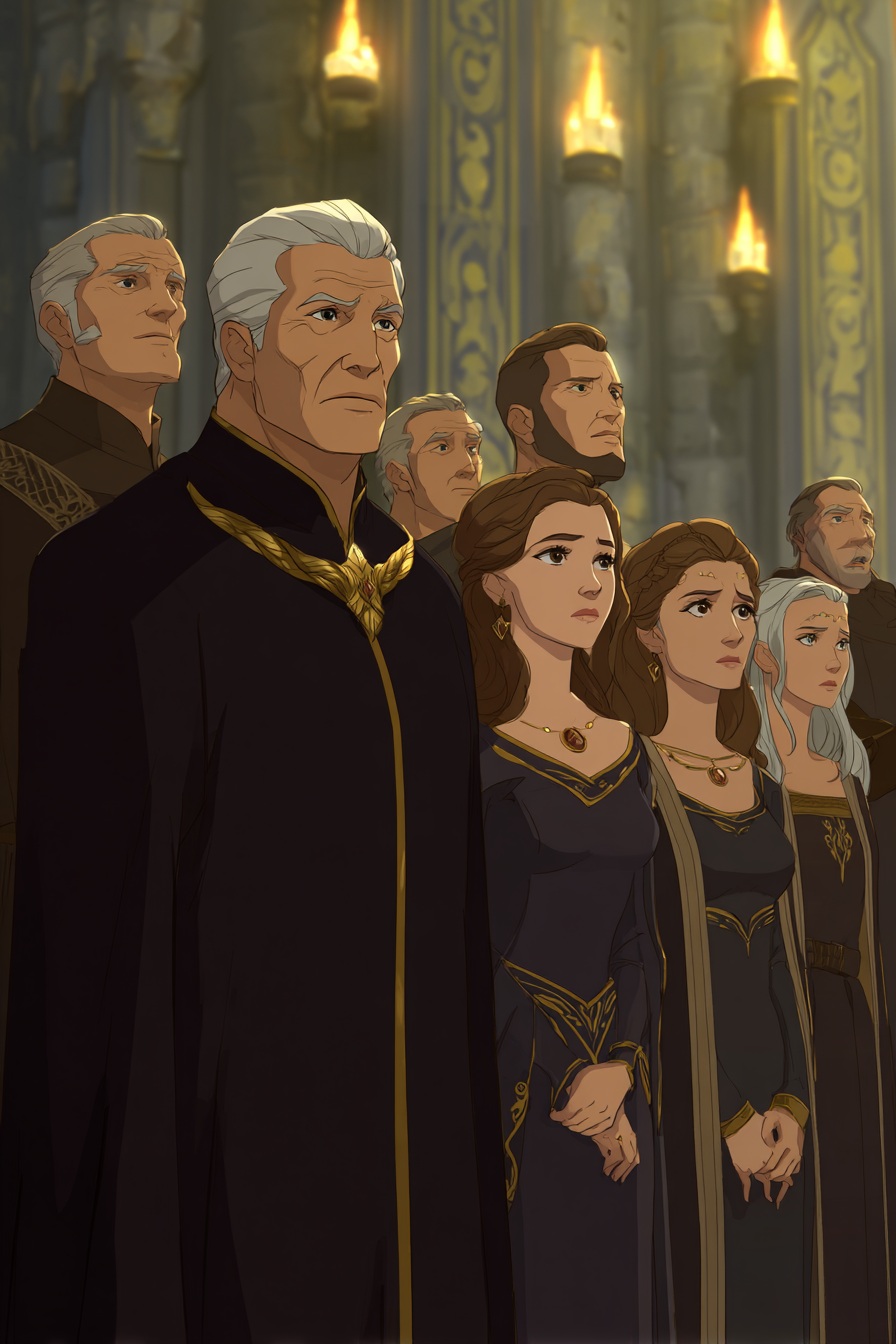
“My father gave me his name. My mother gave me her love. Neither shared my blood. By the time I was old enough to understand the difference, I had already learned it didn't matter.”



Comments