


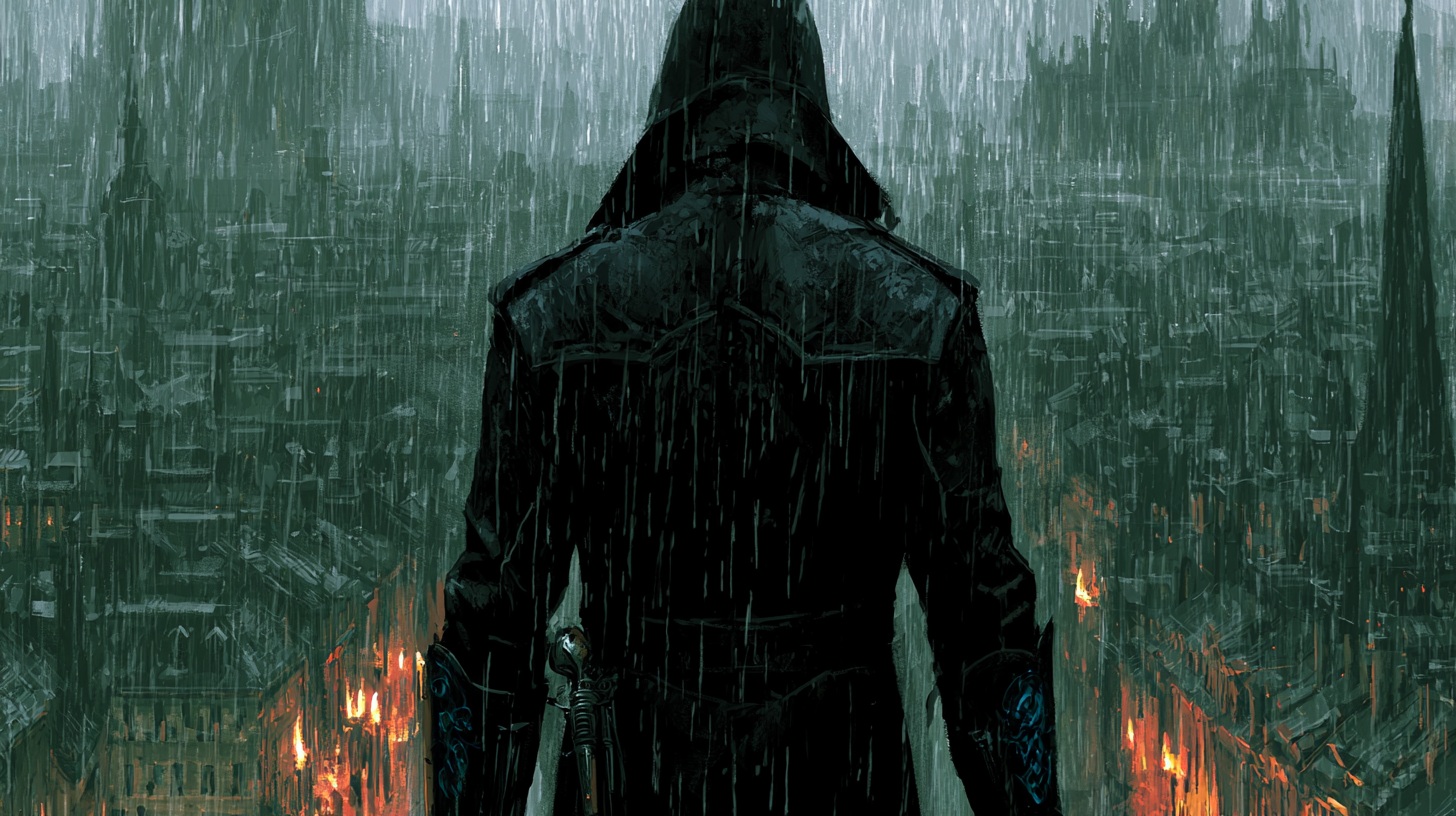
Vigilante
Street Justice
“People call me a criminal because I ignore the law. The funny part is that most of the men I hunt say exactly the same thing.”
Every society tells itself that justice belongs to the law. The belief is comforting, orderly, and usually necessary. Courts exist so private anger does not become public bloodshed. Guards exist so frightened citizens do not have to defend every doorway alone. Magistrates, judges, advocates, witnesses, and records all serve the same promise. Wrongdoing will be answered by something larger and steadier than revenge.
The problem begins when that promise fails.
The Vigilante emerges in the space between what the law claims to do and what people experience. Sometimes the authorities are corrupt, bought, frightened, or entangled with the very criminals they are meant to punish. Sometimes they are honest but powerless, lacking evidence, resources, jurisdiction, or courage. Sometimes the system functions exactly as designed and still leaves ordinary people abandoned. To the Vigilante, that gap becomes intolerable.
Most do not begin by calling themselves anything dramatic. They begin by following someone home to make sure they arrive safely. They begin by asking questions after the guards stop caring. They begin by watching a known predator walk free because everyone is too afraid to testify. They begin by finding a body in an alley and realizing the city will forget the victim before the blood has dried.
Action becomes easier after the first time.
That is both the strength and danger of the path.
A Vigilante is defined by willingness. They are willing to act without permission, investigate without authority, threaten without legal sanction, and sometimes punish without trial. To supporters, this makes them necessary. To opponents, this makes them dangerous. Both views may be correct. A community terrorized by criminals may welcome anyone who finally strikes back. A magistrate may see only an armed fanatic undermining the fragile structures that keep society from collapsing into feuds and reprisals.
The distinction often depends on who suffered first.
Vigilantes tend to know the streets better than officials do. They listen where guards lecture. They speak to frightened shopkeepers, grieving families, beggars, dockhands, innkeepers, night workers, gamblers, children, and old women who watch entire neighborhoods from upper windows. They learn which alleys people avoid, which names are never spoken loudly, which establishments pay protection, and which respectable figures become very nervous when certain crimes are mentioned.
This creates a different map of the city.
Official maps show roads, districts, courts, bridges, and gates. The Vigilante's map shows fear. It marks where people disappear, where bribes travel, where gangs recruit, where corrupt officers drink, where victims gather courage, and where justice repeatedly fails to arrive. Such knowledge is difficult to obtain and dangerous to possess.
The work changes those who pursue it. Vigilantes become watchful by habit. They notice exits, faces, weapons, lies, and hesitation. They learn how quickly courage can vanish when consequences arrive. Many become skilled investigators because no one else will gather the evidence. Others become skilled infiltrators, informants, or masked figures whose reputation does half the work before they enter a room.
Reputation matters enormously.
A symbol left at a crime scene, a hooded figure seen on rooftops, a name whispered through taverns, or a criminal found bound outside a guardhouse can become more powerful than any official warrant. Fear spreads quickly among those who rely on impunity. Hope spreads just as quickly among those who have gone too long without it. The Vigilante often becomes a story before becoming a person, and stories are difficult to control once they begin moving through a city.
This is where many lose their way.
Justice and vengeance share too much ground for comfort. A Vigilante may begin by protecting the vulnerable and end by punishing anyone who reminds them of an old wound. They may convince themselves that every compromise is necessary, every threat justified, every beating deserved, every death unfortunate but useful. Because they operate outside oversight, their judgment becomes the only barrier between protection and tyranny.
That barrier is not always strong enough.
The wisest Vigilantes understand this and fear it. They keep records. They seek allies who will challenge them. They distinguish between evidence and suspicion, between guilt and usefulness, between justice and satisfaction. They know that becoming necessary does not make them right. Such restraint rarely makes their work easier, but without it they risk becoming another danger the city must survive.
Others care less about restraint. These are the ones authorities use as examples when condemning the entire practice. Reckless Vigilantes escalate conflicts, destroy investigations, punish the wrong people, or inspire imitators with more zeal than judgment. A single mistake can turn public support into terror. A single innocent victim can transform a folk hero into a criminal in the eyes of the very people they hoped to protect.
Still, the path persists because failure persists. Where laws serve only the powerful, someone will eventually challenge them. Where guards ignore suffering, someone will start listening. Where criminals rule by fear, someone will test whether fear can be made to run in the opposite direction.
The Vigilante is not proof that justice has triumphed. Their existence is proof that something meant to provide justice has broken, faltered, or looked away. Some communities call them heroes because they arrive when no one else will. Others call them criminals because they remind society how thin the wall between order and violence truly is.
Both names can follow the same person down the same dark street.
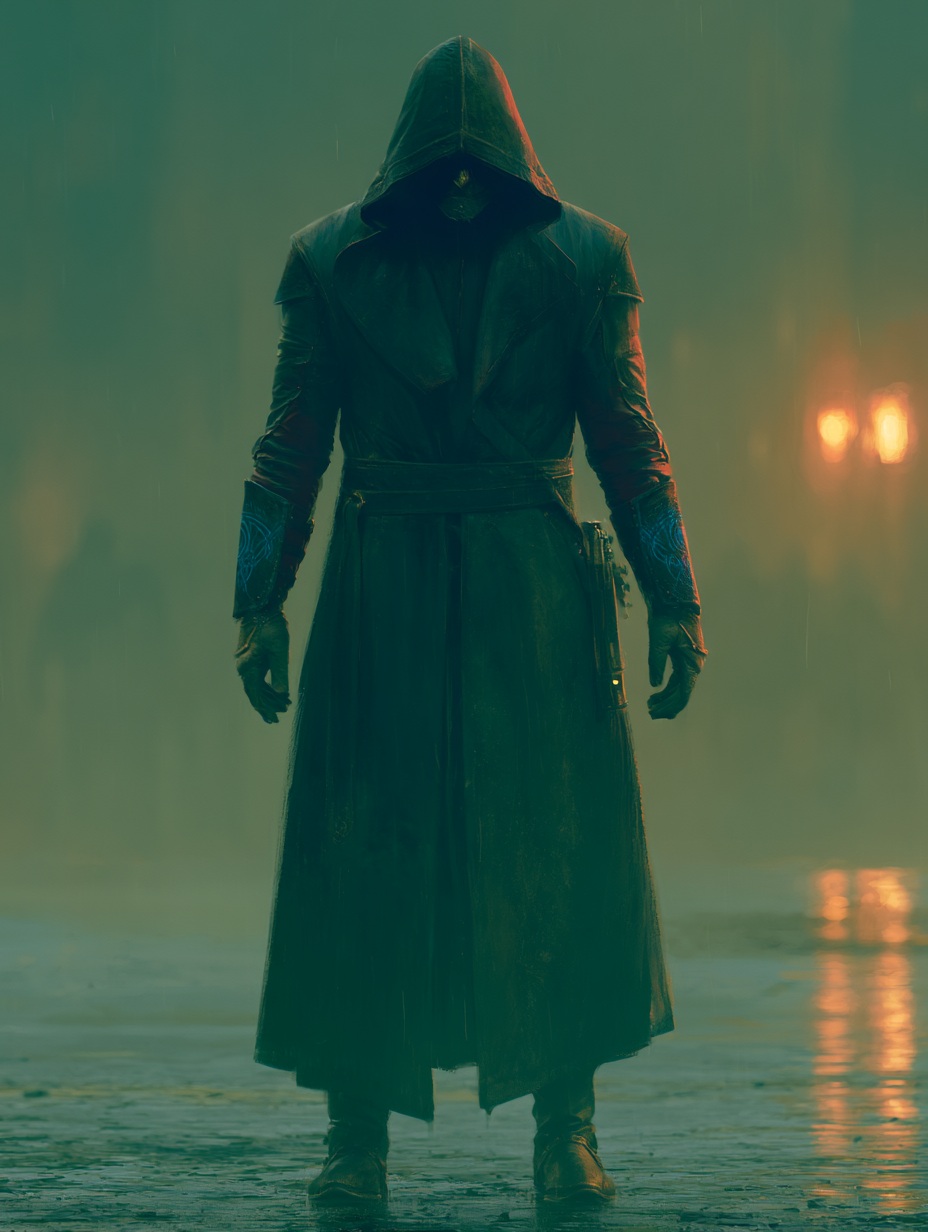
“The city had guards, magistrates, courts, and laws. The widow still had a dead son and no answers. That's usually how this sort of thing starts.”
Type
Illicit



Comments