


Tenderfoot
Follow Me
“The glowing prints crossed the river, climbed the ridge, and ended at empty air. Nobody in the company slept well after that.”
Getting lost kills more travelers than monsters ever will.
Storms erase tracks. Rivers break trails apart. Snow swallows entire caravans. Forests shift into endless repetition after dark. Even experienced rangers understand how quickly distance becomes confusion once visibility fails and panic begins making decisions.
Tenderfoot was created to prevent separation from becoming disappearance.
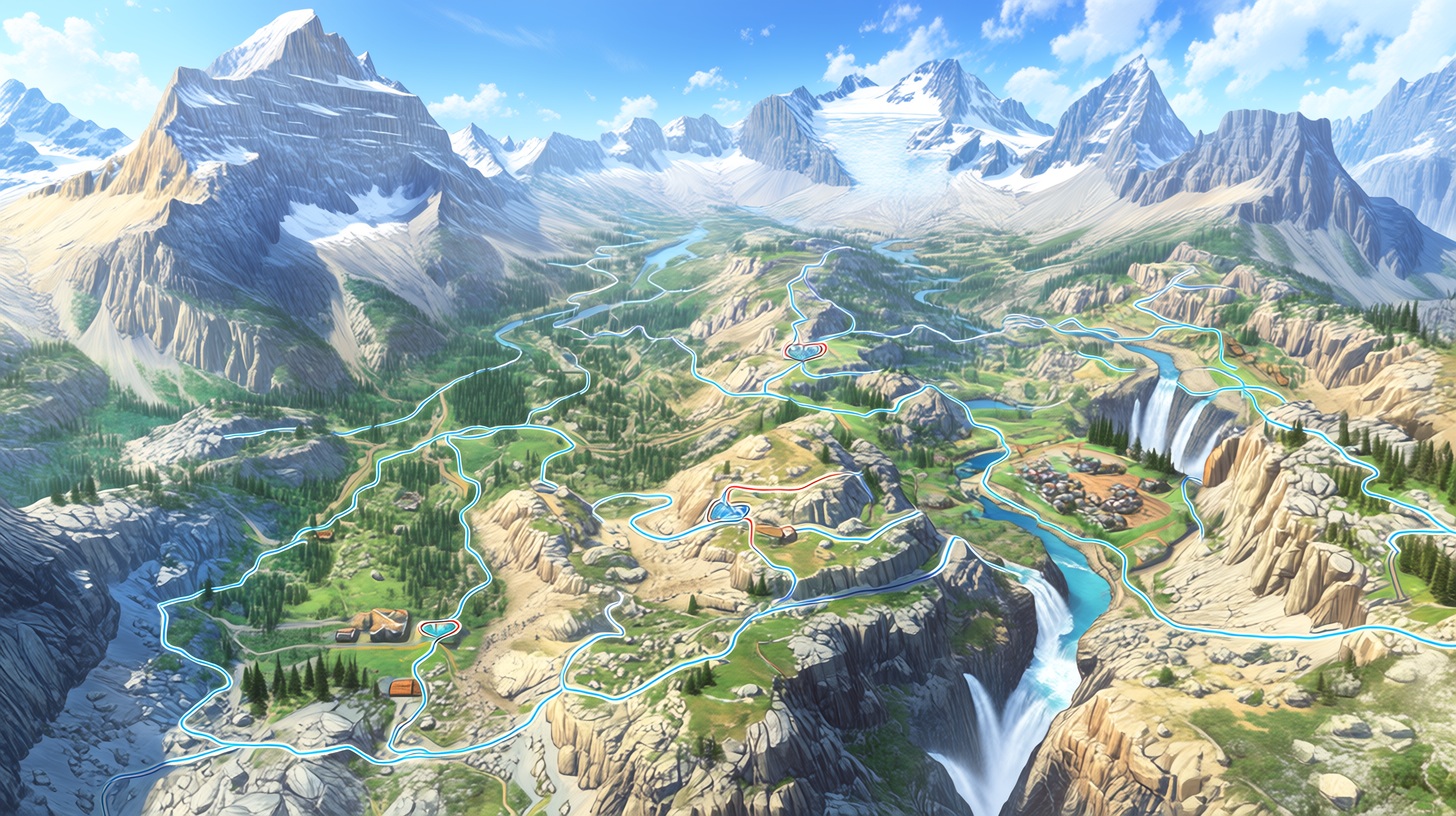
The spell leaves behind a supernatural trail visible only to specifically designated creatures, allowing companions to follow the caster’s exact path regardless of terrain or weather. Unlike ordinary tracking, the marks adapt naturally to the environment itself. Footprints may glow faintly across wet stone. Grass bends in lingering patterns. Dust swirls unnaturally in still air. Tiny drifting motes hover through darkness where no natural light exists.
The effect is subtle enough to avoid immediate attention and clear enough that designated followers rarely lose the trail once found.
Rangers rely upon the spell heavily during poor weather and dangerous expeditions. Search parties use it to maintain cohesion in forests, caves, swamps, and mountain terrain where visibility collapses unpredictably. Druids often favor it during migrations or wilderness evacuations, allowing entire groups to follow safely without leaving visible signs for hostile outsiders.
The spell became especially valuable after several infamous military disasters caused by units losing direction during nighttime movement. Ordinary trails can be hidden, destroyed, or deliberately falsified. Tenderfoot solved this problem elegantly by creating a path invisible to everyone except intended followers.
Naturally, scouts and smugglers adopted it immediately afterward.
The spell’s privacy is one of its greatest strengths. Undesignated creatures perceive nothing unusual whatsoever. A company of soldiers may walk directly across a glowing trail without realizing it exists while the designated followers see every mark clearly.
This selective visibility made the spell popular among families as well.
Parents guiding children through crowded cities. Hunters separating temporarily during storms. Lovers leaving hidden paths through gardens and alleyways. Some cultures even developed ceremonial uses for the spell during weddings or funeral rites, symbolizing trust through willingly leaving a path only certain people are allowed to follow.
The material component requirement reflects this intimacy directly. Each designated creature must provide a personal token such as cloth or hair, establishing the magical recognition necessary for them to perceive the trail. Without that connection, the path remains completely invisible.
Experienced trackers respect the spell because of what it cannot do.
Tenderfoot does not reveal distance, speed, direction of travel beyond the visible trail itself, or the caster’s current location. It merely preserves the fact that someone passed through. A trail may lead followers safely through wilderness only to end abruptly at a teleportation point, antimagic field, or planar boundary.
This limitation has produced countless unsettling stories.
Guides whose trails stop at cliff edges with no sign of descent. Expeditions following glowing footprints into abandoned ruins only for the marks to vanish at sealed walls. Entire rescue teams discovering the trail continues calmly through battlefields, monster territory, or collapsing tunnels before ending in silence.
Some rangers consider sudden termination of the trail more frightening than finding no trail at all.
The spell also altered wilderness etiquette in subtle ways. Among experienced druids and trackers, leaving a Tenderfoot trail for companions became an act of responsibility rather than paranoia. Failing to do so before entering dangerous terrain is often viewed as recklessness bordering on arrogance.
Certain adventuring companies even maintain standing rules that no member travels alone without either casting the spell or informing the group exactly where they are going.
Because wilderness survival depends less on bravery than on being found before the land finishes hiding you.
The spell’s name likely began as mockery among veteran woodsmen. A “tenderfoot” traditionally referred to inexperienced travelers too soft or untrained to survive rough country. Over time the term became affectionate instead, reflecting the spell’s practical purpose.
Everyone becomes a tenderfoot eventually.
Even masters of the wild vanish if nobody can follow where they went.
“Pride says you know the way back. Wisdom leaves a trail anyway.”
Related Discipline
Level



Comments