


Survivor
Make It Out Alive
“Everyone asks how I survived. Nobody asks how we kept going afterward. Surviving was the easy part.”
Most people assume the future will resemble the present.
Survivors know how quickly that assumption can die.
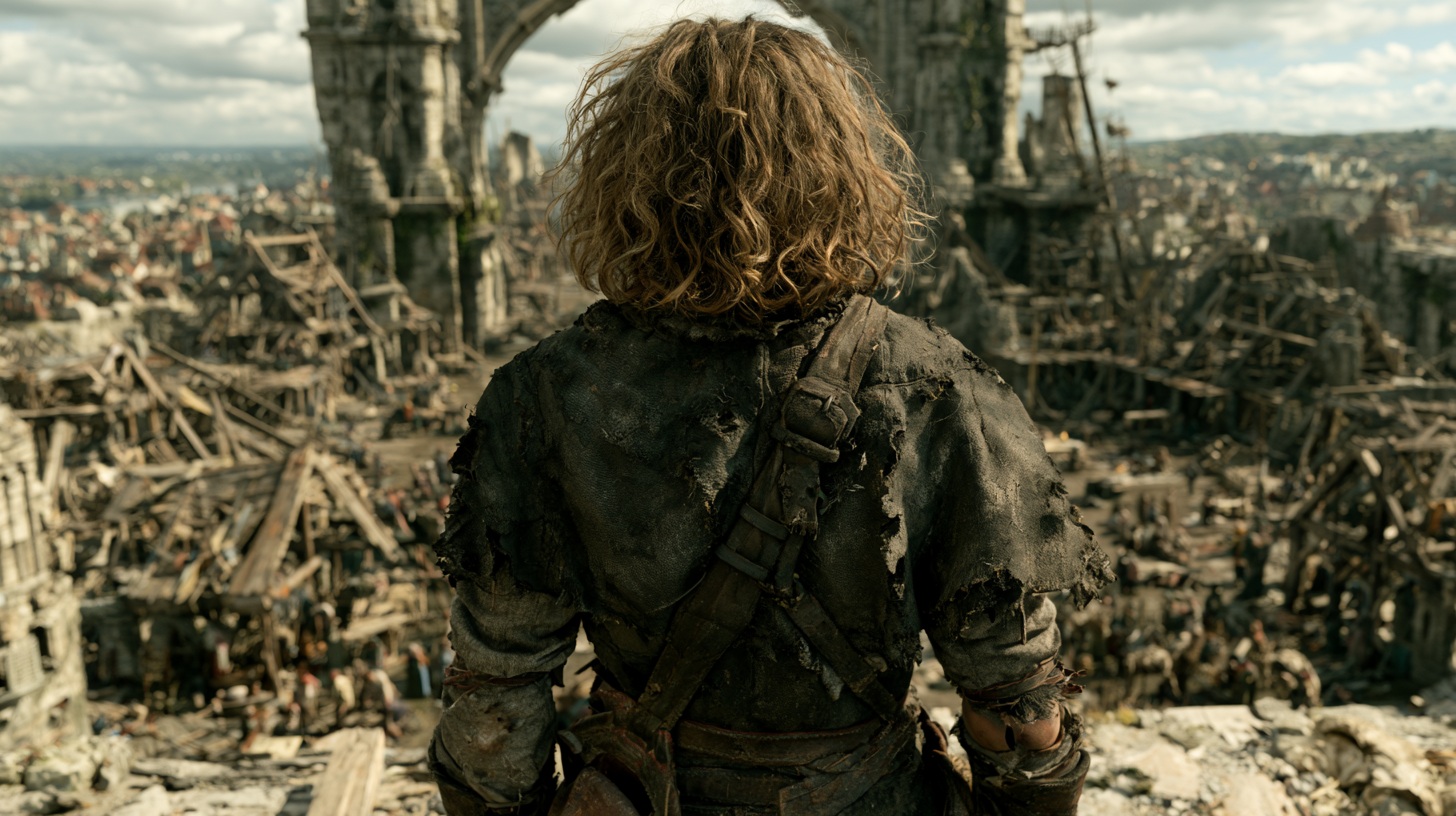
At some point, something happened that divided life into two distinct periods: before and after. The nature of the catastrophe matters less than its consequences. A plague may have emptied entire towns. A war may have erased generations of families. A magical disaster may have transformed familiar landscapes into something unrecognizable. A famine, flood, monster attack, or political collapse may have shattered institutions that once seemed permanent.
Whatever form it took, the disaster changed the world.
And you lived through it.
Many people imagine survival as a single dramatic moment. They picture escaping a burning city, surviving a battle, enduring a storm, or escaping some immediate danger. Survivors understand that the event itself is often only the beginning.
The true challenge comes afterward.
After the fire burns out.
After the armies leave.
After the floodwaters recede.
After the dead are buried.
The difficult part is learning how to continue.
Survivors become students of endurance because they have witnessed what happens when ordinary assumptions fail. They know that food does not always arrive when expected. Governments do not always function. Roads become impassable. Markets collapse. Neighbors disappear. The systems people depend upon can fail with startling speed.
Yet they also learn something equally important.
People adapt.
Communities reorganize. Families take in strangers. New traditions emerge where old ones were lost. Skills that once seemed ordinary become invaluable. Practical knowledge spreads. Cooperation becomes essential. Even after immense devastation, people find ways to rebuild their lives.
This lesson shapes survivors profoundly. Many become practical individuals who value reliability over appearances. They often pay close attention to infrastructure, resources, leadership, and social relationships because they understand how much depends upon such things. A survivor entering a settlement may notice its water source before its monuments, its food supply before its markets, and its sense of community before its wealth.
Experience has taught them what truly matters when circumstances become difficult.
Many also develop an unusual awareness of resilience. While others focus upon what exists today, survivors often find themselves wondering whether it will endure tomorrow. They instinctively evaluate how communities respond to hardship. They notice which leaders inspire trust and which merely enjoy authority. They observe which customs bring people together and which create division.
Survivors understand that strength is rarely found where people expect it.
Sometimes a kingdom survives because of its armies.
Sometimes it survives because neighbors continue helping one another after everything else falls apart.
In lands scarred by the Shattering, such knowledge carries particular importance. Entire regions have experienced disasters that transformed the course of history. Roads vanished. Settlements were abandoned. Institutions collapsed. Populations migrated. New communities emerged from the remnants of older ones. Throughout these upheavals, countless individuals survived not because they were powerful, but because they adapted.
The descendants of those survivors still carry the lessons their ancestors learned.
Many survivors struggle with memories of what was lost. Some preserve journals, keepsakes, and stories to ensure that vanished people and places are not forgotten. Others devote themselves to rebuilding what was destroyed. A few spend their lives searching for answers, hoping to understand why the disaster occurred or how similar tragedies might be prevented in the future.
Not all scars are visible.
Years after the danger has passed, survivors may still find themselves preparing for emergencies, conserving resources, or expecting disaster to return. They know firsthand that stability can vanish. While others view such caution as pessimism, survivors often see it as simple realism.
At the same time, many possess a profound appreciation for ordinary comforts. A warm meal, a secure roof, dependable friends, and peaceful days carry a significance that others sometimes overlook. Having witnessed how much can be lost, survivors often develop a deeper understanding of what is worth preserving.
Perhaps that is the greatest lesson survival teaches.
Catastrophe reveals both fragility and strength.
It demonstrates how quickly lives can be overturned, but it also reveals how remarkably resilient people can be when circumstances demand it.
Most people ask whether something is working.
A survivor asks whether it will endure.
Because they have already seen what happens when it doesn't.
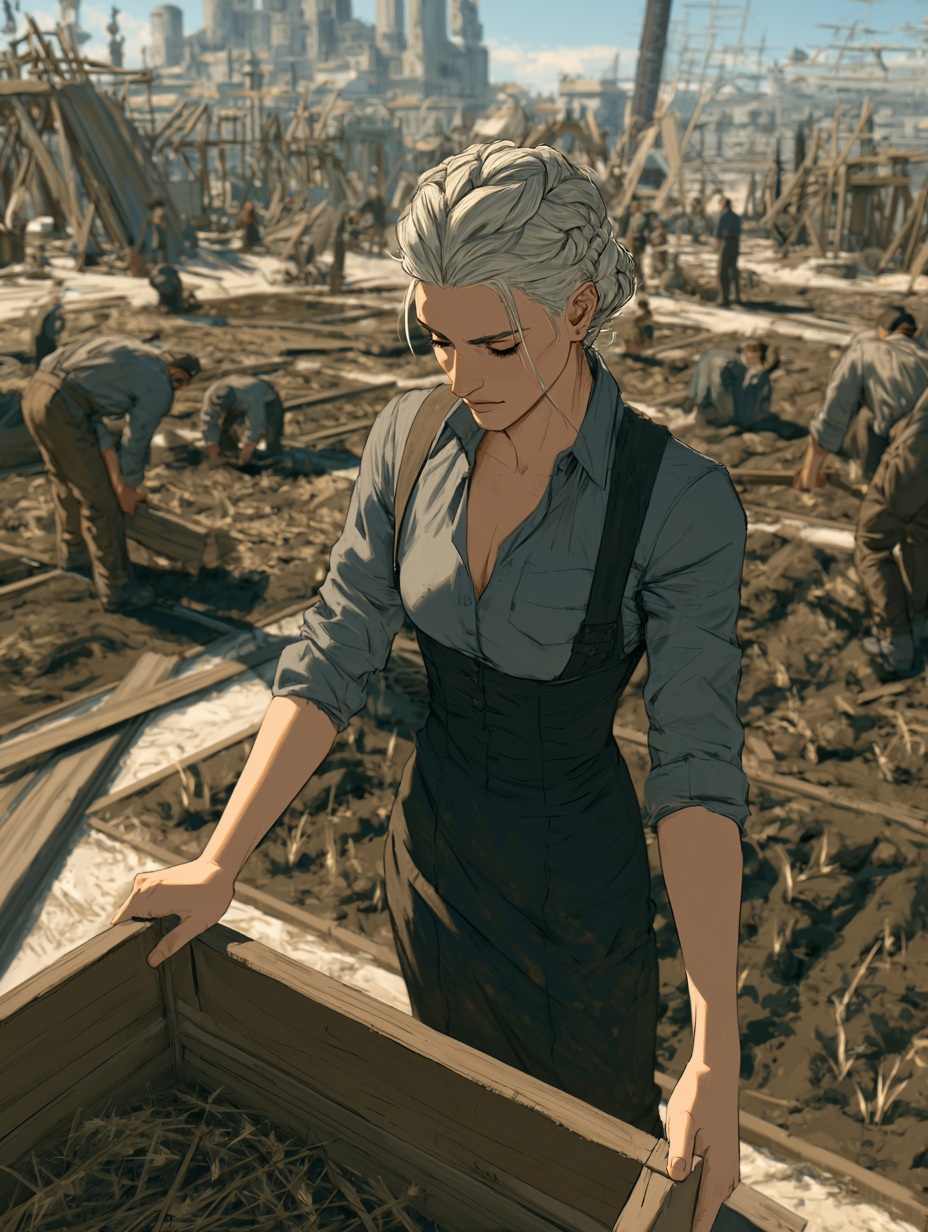
“The town burned in three days. The people who rebuilt it spent thirty years proving the fire hadn't won.”
Type
Construction



Comments