


Startle Herd
They're Herding This Way
“People think panic is loud. Screaming, thrashing, chaos. That’s not how it starts. It starts quiet. One head lifts. One step turns. Then another. Then all at once the world decides it’s moving, and anything in the way stops mattering.”
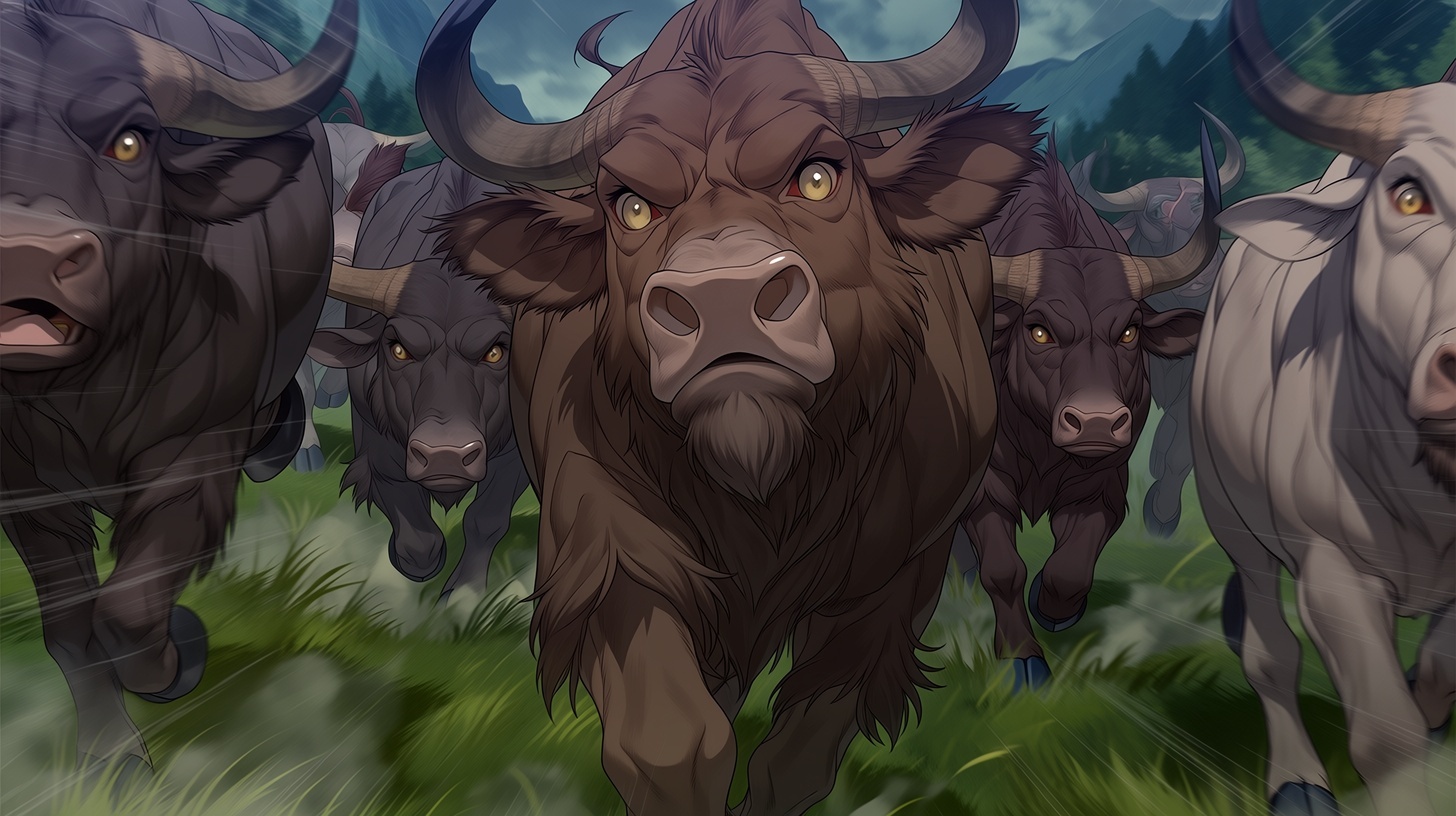
There is a kind of magic that does not command or compel, but instead strips away restraint and lets instinct run unchecked. Startle Herd operates on that principle, provoking a sudden and overwhelming surge of panic that spreads through a group of beasts and collapses them into a single, unified reaction.
When the spell takes hold, affected creatures do not hesitate or scatter. Their herd behavior asserts itself immediately and completely. Individuals cease acting as separate entities and instead become part of a moving mass driven by urgency and proximity. The result is not coordination in any deliberate sense, but a natural cohesion born from shared instinct. Movement becomes contagious, each creature reinforcing the next until the group functions as a single force.
This force manifests as a stampede. It is not controlled, directed, or shaped beyond its initial impulse. After that moment, it behaves according to the same principles that govern real herd movement. It seeks distance from the perceived source of danger, maintains cohesion wherever possible, and avoids obvious hazards only when doing so does not disrupt its momentum. The stampede is not precise, but it is relentless.
Creatures caught within its path experience the effect as overwhelming physical pressure rather than targeted aggression. The danger comes from density and motion. Bodies collide, footing fails, and the ground itself becomes unstable beneath the weight of movement. Even those who withstand the worst of the impact find themselves slowed and disoriented, struggling to act within an environment filled with noise, dust, and shifting mass.
The spell does not impose control over the affected beasts. They are not allies, tools, or extensions of the caster’s will. They are reacting to a stimulus, and once that reaction begins, it follows its own course. This makes the effect powerful but inherently unpredictable. It can disrupt formations, deny space, or force movement, but it cannot be relied upon for precision or restraint.
Its limitations are equally grounded. Only creatures that naturally exhibit herd, flock, or pack behavior can be affected. The spell does not create that behavior where it does not already exist. If the group cannot maintain cohesion, the effect ends. In this way, the magic does not fabricate something unnatural. It amplifies what is already present and allows it to escalate beyond normal bounds.
When the effect ends, the consequences remain. Beasts do not forget the disturbance. They associate it with the source that triggered it, and that association alters their behavior. Predators may respond with aggression. Prey animals may avoid or react defensively. The caster is marked, not by magic, but by memory, and for a time that memory carries weight.
Startle Herd is not a spell of control or elegance. It is a blunt instrument that turns instinct into force. It is most effective when used with a clear understanding of its nature and a willingness to accept that once it begins, it cannot be called back or carefully guided. It creates momentum and then leaves that momentum to run its course.
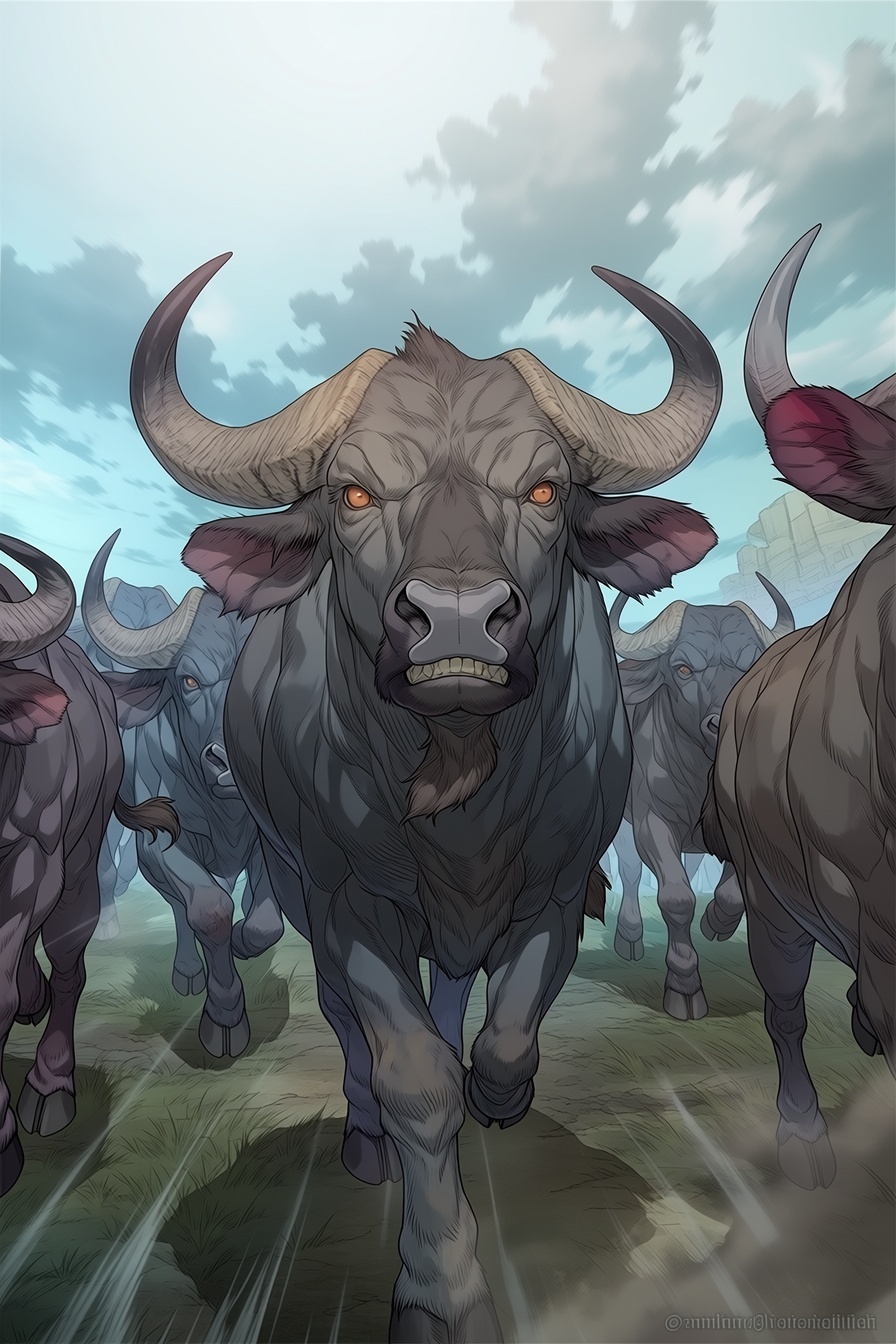
“I watched a man stand his ground against it. Brave fool. Sword out, feet planted, shouting like he could argue with momentum. They knocked him down, trampled him flat, and never even knew he was there. That’s the truth of it. A stampede doesn’t hate you. It just doesn’t care.”



Comments