


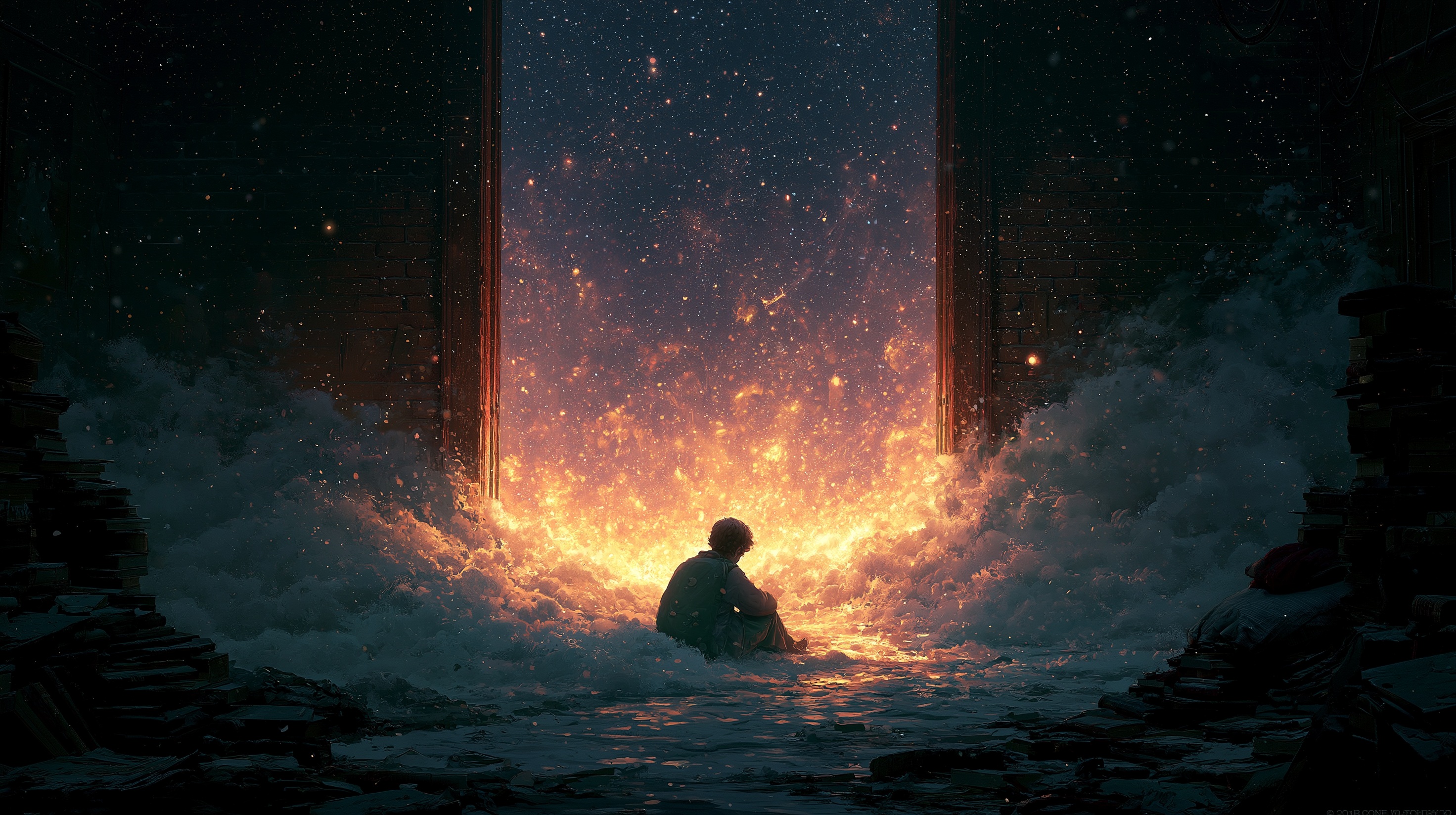
Somnium
Is This Real Life?
“I dreamed once that I was alive, and upon waking found the memory of that dream more convincing than the world awaiting me.”
The spell does not create hallucinations.
That would be merciful.
Somnium attacks something far more fundamental than the senses themselves. It corrodes certainty. The victim continues seeing the world normally, hearing normally, thinking normally, yet every perception becomes poisoned by unbearable doubt that any of it is actually real.
The floor might be imagined.
The battle might be imagined.
The body itself might be imagined.
The target remains awake throughout the experience, but reality begins feeling thin and unstable around them, like a dream moments before waking. Edges blur emotionally rather than visually. Time loses confidence in its own sequence. Violence starts seeming distant and irrational, as though occurring to someone else far away.
Most victims describe the same horrifying realization eventually.
“If this is only a dream, then why should anything matter?”
That thought destroys people frighteningly quickly.
The enchantment originated among occult philosophers and dream mystics who explored the relationship between consciousness and reality through magical trance states. Early forms of the spell were allegedly intended for spiritual enlightenment and transcendence.
Then someone weaponized it.
Warlocks favor Somnium heavily because eldritch patrons often exist close enough to unreality that convincing mortals the world is false becomes disturbingly easy. Their castings tend to produce especially unsettling symptoms. Victims pause mid sentence. Forget why combat matters. Reach uncertainly toward walls as though checking whether stone remains solid.
Some simply sit down and stare at their own hands.
Sorcerers often manifest the spell more emotionally. Rage becomes detached confusion. Fear collapses into numbness. Urgency dissolves beneath overwhelming unreality until the victim struggles to remember why survival felt important moments earlier.
Bards use the spell differently.
To them, Somnium resembles psychological theater weaponized through magic. Reality becomes narrative. Violence becomes performance. Identity itself starts feeling fictional beneath the enchantment’s pressure.
Many victims continue functioning partially during the spell, which makes the experience far more disturbing for witnesses. The afflicted creature still moves, speaks, and reacts, but with dreamlike hesitation and fractured conviction. They may refuse to attack because enemies no longer seem entirely real. They may stand motionless trying desperately to determine whether the ground beneath them exists.
Others become convinced everyone around them are merely figures inside someone else’s dream.
Combat against affected creatures often feels deeply uncomfortable because they stop behaving like people defending themselves and start behaving like consciousnesses slowly disconnecting from reality altogether.
The spell’s shifting effects reflect this instability perfectly.
Sometimes the victim cannot move because motion itself feels meaningless. Sometimes hostility becomes impossible because harming dream figures seems absurd. Sometimes other creatures fade into indistinct uncertainty like half remembered faces after waking.
And throughout it all, reactions vanish entirely.
Because instinct requires confidence the world is real enough to react to.
The enchantment becomes especially dangerous against philosophers, scholars, mystics, and introspective personalities already prone to existential doubt. Certain victims reportedly suffered permanent psychological damage afterward, continuing to question reality long after the spell ended.
A few became obsessed with dreams permanently.
One famous occultist spent twenty years afterward attempting unsuccessfully to prove he had truly awakened.
Naturally, this ruined him.
The higher level duration extension transforms the spell from battlefield disruption into something much more sinister. Ten uninterrupted minutes inside fractured reality can permanently alter emotional stability, memory confidence, and philosophical certainty in ways difficult to repair completely.
Some churches classify prolonged use of Somnium as spiritual torture.
Several dream cults classify it as revelation.
Neither position reassures anyone.
Among experienced enchanters, one warning accompanies the spell consistently.
The mind can survive fear more easily than it survives uncertainty about whether fear itself is real.
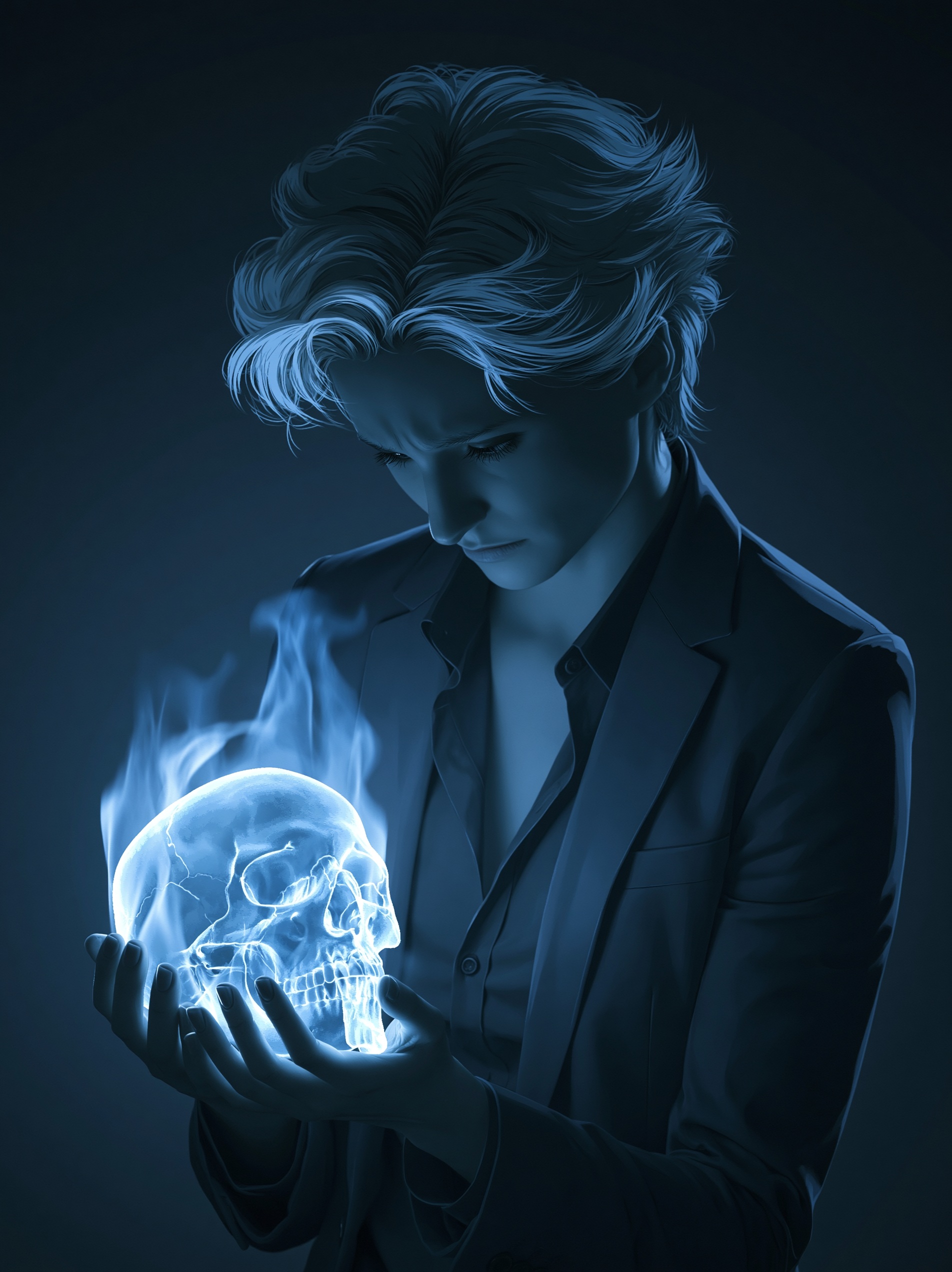
“He lowered his sword and asked us quietly whether any of us were certain the battle had actually begun yet.”
Related Discipline
Level



Comments