


Quick Script
A Copy of a Copy of a Copy...
“People think kingdoms are built by swords. Kingdoms are built by paperwork surviving long enough to matter.”
The invention of Quick Script changed bureaucracy more than warfare, though certain governments would argue the opposite.
At first glance, the spell appears unimpressive beside flashier arcane disciplines. It creates no fire, raises no dead, and alters no battlefield. It simply copies writing from one surface to another. Yet over time, the spell became one of the most quietly influential pieces of practical magic ever developed because civilizations run on records long before they run on heroics.
Contracts. Orders. Maps. Ledgers. Warrants. Shipping manifests. Diplomatic correspondence. Religious texts. Criminal confessions. Military inventories. Every expanding kingdom eventually discovers the same problem. Information moves slower than ambition.
Quick Script solved that problem.
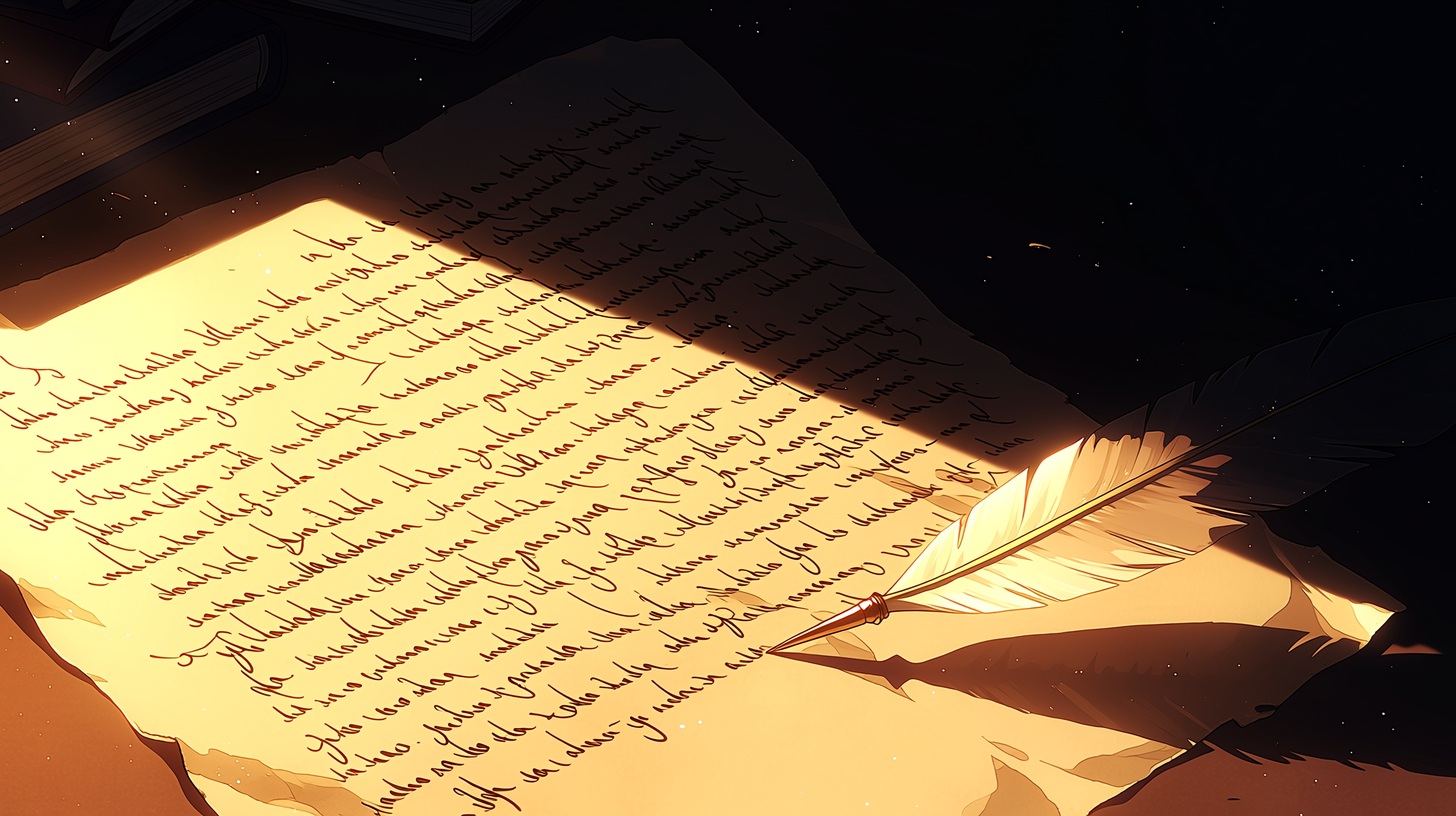
The spell reproduces visible writing with remarkable speed, preserving layout, formatting, and most visual details closely enough for ordinary reading and administrative use. While small distortions sometimes appear in illustrations, diagrams, or decorative flourishes, the copied text remains permanently stable and fully legible. For scholars, merchants, and officials, this transformed weeks of manual transcription into minutes of controlled magical labor.
The spell’s ritual compatibility made it even more widespread. Apprentice wizards, civic scribes, and traveling scholars could duplicate documents reliably without expending valuable magical reserves. In many cities, entire clerical professions reorganized around its existence. Rather than training endless ranks of copyists, institutions began training document handlers capable of preparing, organizing, and verifying magically reproduced texts.
Naturally, forgery concerns followed almost immediately.
Because the spell reproduces visible contents exactly as perceived, governments rapidly adopted seals, watermarking methods, arcane signatures, and layered inks specifically designed to resist unauthorized duplication. Certain noble houses intentionally introduced microscopic imperfections into official stationery so investigators could identify magically copied documents later.
This began a centuries long contest between bureaucrats and counterfeiters that continues today.
The spell’s inability to reproduce hidden or encrypted writing remains one of the few reasons many intelligence agencies tolerate its existence at all. Invisible inks, magically concealed passages, coded shorthand, and cipher systems still require genuine understanding rather than simple replication. Wizards specializing in espionage often complain that Quick Script created an arms race of increasingly elaborate encryption methods precisely because ordinary copying became trivial.
Among scholars, however, the spell is celebrated almost universally.
Several ancient literary works survived only because wandering archivists duplicated decaying originals before time destroyed them entirely. Universities built vast libraries at unprecedented speed once magical transcription became reliable. Religious institutions spread doctrine faster than ever before. Cartographers duplicated regional maps cheaply enough that ordinary merchants and explorers could finally afford them.
Even criminal organizations embraced the spell eagerly. Smuggling routes, blackmail ledgers, counterfeit permits, and coded correspondence all became easier to reproduce and distribute discreetly. Some underworld circles still refer to apprentice document forgers as “quick hands” in reference to the spell’s widespread use.
Despite its practicality, Quick Script retains subtle imperfections that prevent true duplication from replacing skilled artistry entirely. Fine illustrations often lose depth or detail. Complex linework may blur slightly. Handwriting reproduces accurately but sometimes carries faint stiffness, enough for experienced analysts to recognize magical copying under close inspection.
Professional scribes often mock the spell for this reason, insisting it produces documents that are technically correct yet spiritually hollow. Many still prefer handwritten manuscripts for ceremonial texts, personal letters, and illuminated works where individuality matters more than efficiency.
Wizards generally find this attitude sentimental.
The spell’s material requirement, a blank writing surface, contributed heavily to the expansion of cheap parchment production and portable paper markets across major trade regions. Some historians argue Quick Script indirectly accelerated literacy rates simply because written material became dramatically easier to distribute once magical duplication entered common practice.
In military history, the spell proved invaluable. Commanders could rapidly duplicate maps, orders, reconnaissance reports, and battlefield updates without relying on exhausted clerks working through the night. Entire campaigns gained logistical advantages purely because information traveled through organized ranks faster than opposing forces expected.
Yet for all its utility, the spell still inspires a peculiar kind of unease among certain scholars and philosophers.
Hand copied manuscripts carry traces of the people who made them. Tiny errors. Marginal notes. Pressure marks. Corrections. Personality. Quick Script preserves information while stripping away much of that human process. Critics argue the spell treats writing as data alone rather than labor, memory, or art.
Supporters usually respond with the same practical answer.
A burned library does not care whether its replacement was copied by hand or magic.
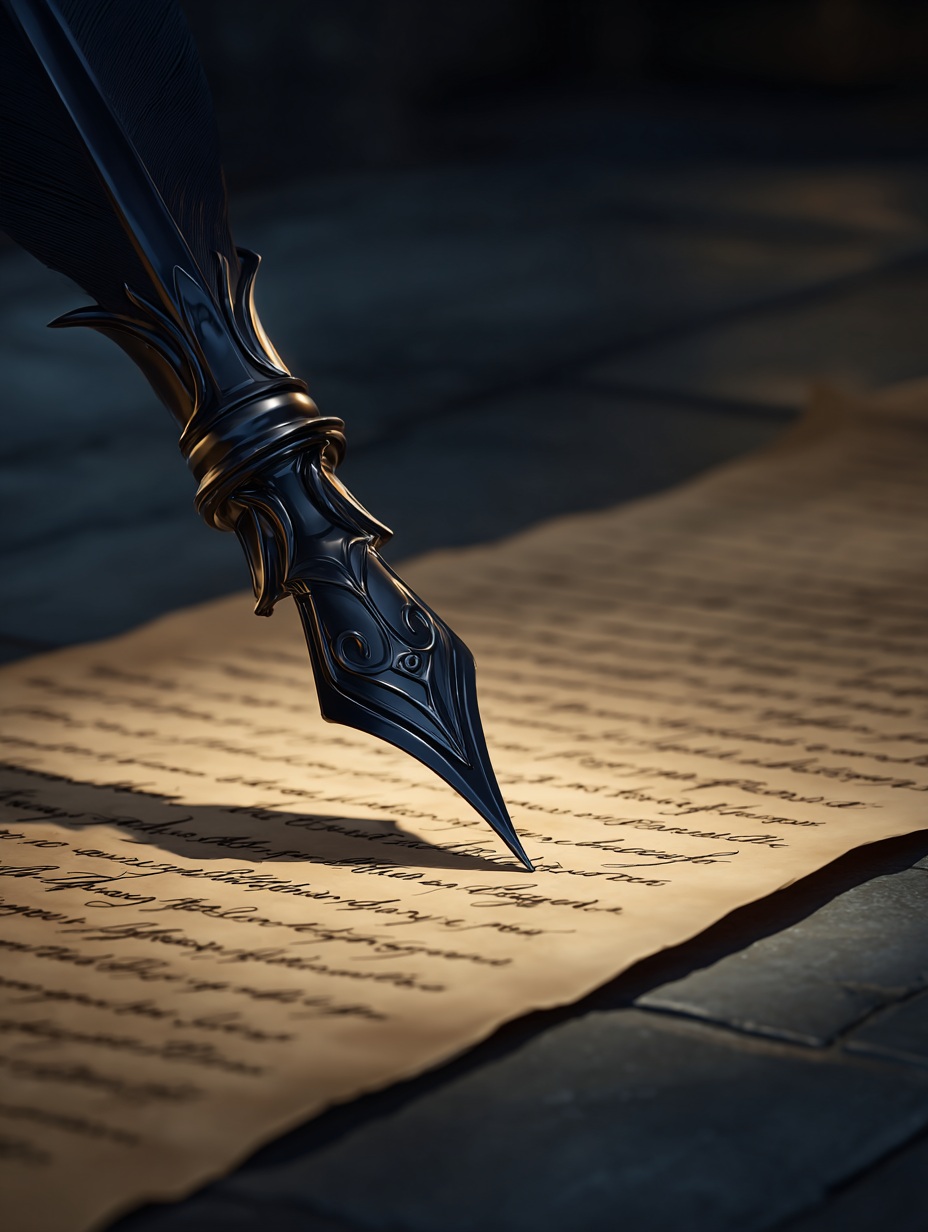
“A scribe curses the spell until he has to copy tax records through the night by candlelight.”
Related Discipline
Level



Comments