



Politician
Shaking Hands & Kissing Babies
"A good politician knows what people want. A great politician knows why they want it."
Every community contains competing interests.
Merchants want lower taxes. Laborers want better wages. Landowners want stability. Reformers want change. Religious leaders seek influence. Guilds seek protection. Military officers demand resources. Farmers want roads maintained. Citizens want problems solved.
The profession of politics exists because these interests rarely align perfectly.
Politicians occupy a unique position within society. Unlike soldiers, they do not command through force. Unlike merchants, they do not operate primarily through commerce. Unlike priests, they do not derive authority from faith. Their influence comes from relationships, persuasion, organization, and the ability to convince different groups that cooperation serves their interests better than conflict.
As a result, politics is fundamentally a profession built upon people.
Most outsiders imagine political life as speeches, elections, public ceremonies, and grand debates. While these activities certainly occur, they represent only a small portion of the profession. The majority of political work happens far from public attention. Meetings are arranged. Alliances are negotiated. Disagreements are managed. Support is cultivated. Favors are exchanged. Information is gathered. Compromises are constructed.
A successful politician spends far more time listening than speaking.
The profession demands an unusually broad understanding of society. Politicians regularly interact with individuals from vastly different backgrounds and social classes. Wealthy merchants, labor leaders, military officers, clergy, nobles, artisans, scholars, criminals, and ordinary citizens may all possess influence over issues requiring attention. Understanding how these groups think often matters more than understanding how to command them.
This reality shapes the profession's most important skill.
Politics is frequently described as the art of persuasion, but experienced politicians know that persuasion begins with understanding. People rarely support proposals because they are told to do so. They support proposals because those proposals address their concerns, ambitions, fears, or desires. Identifying those motivations requires observation, patience, and considerable emotional intelligence.
Consequently, many politicians become skilled readers of character.
They learn to recognize who genuinely holds influence within a community and who merely possesses a title. They learn which rivalries matter and which are largely symbolic. They learn who honors obligations, who values reputation, who seeks power, and who simply wants to be left alone. Such knowledge often proves more valuable than wealth or formal authority.
The profession also develops an unusual relationship with compromise.
Outside politics, compromise is sometimes viewed as weakness. Within politics, compromise is often the mechanism through which progress becomes possible. Communities consist of individuals with conflicting priorities. Rarely does any single group receive everything it wants. Politicians therefore spend much of their careers constructing agreements that leave all parties at least partially satisfied.
This process can be frustrating.
Every decision creates supporters and opponents. Every policy produces consequences both intended and unintended. Every alliance carries risks. Political success frequently requires accepting imperfect solutions because perfect solutions are unavailable.
The profession's reputation reflects these realities.
Supporters often view politicians as public servants dedicated to improving society. Critics frequently see them as opportunists, manipulators, or ambitious power seekers. Both perspectives contain elements of truth. Politics attracts idealists determined to solve problems. It also attracts individuals who enjoy influence, prestige, and authority.
Most politicians ultimately fall somewhere between these extremes.
The profession rewards practicality. Grand ideals may inspire supporters, but successful governance requires roads to be repaired, disputes to be settled, resources to be allocated, and institutions to continue functioning. Even the most visionary leaders eventually confront the mundane realities of administration.
This practical responsibility explains why relationships are so important.
Political influence rarely exists in isolation. Every official depends upon advisors, supporters, allies, donors, administrators, voters, community leaders, and countless others. A politician's true strength often lies not in personal authority but in the network surrounding them. The ability to call upon trusted contacts, secure cooperation, and mobilize support frequently determines success or failure.
As a result, politicians become collectors of connections.
Names are remembered. Favors are recorded. Correspondence is maintained. Relationships are cultivated across years or even decades. A merchant helped during a difficult season may later become an important ally. A rival treated respectfully may become a valuable partner. Political careers are often built upon connections established long before their importance becomes obvious.
History remembers many politicians for the laws they passed, the reforms they championed, or the crises they navigated. Yet the profession itself remains remarkably consistent across cultures and eras.
Communities will always contain disagreements.
Resources will always be limited.
People will always want different things.
Someone must navigate those competing interests.
Someone must build consensus where none exists.
Someone must persuade rivals to cooperate long enough for society to function.
That responsibility belongs to the politician.
Their greatest tool is not wealth, authority, or force.
It is the ability to bring people together long enough to accomplish something none of them could achieve alone.
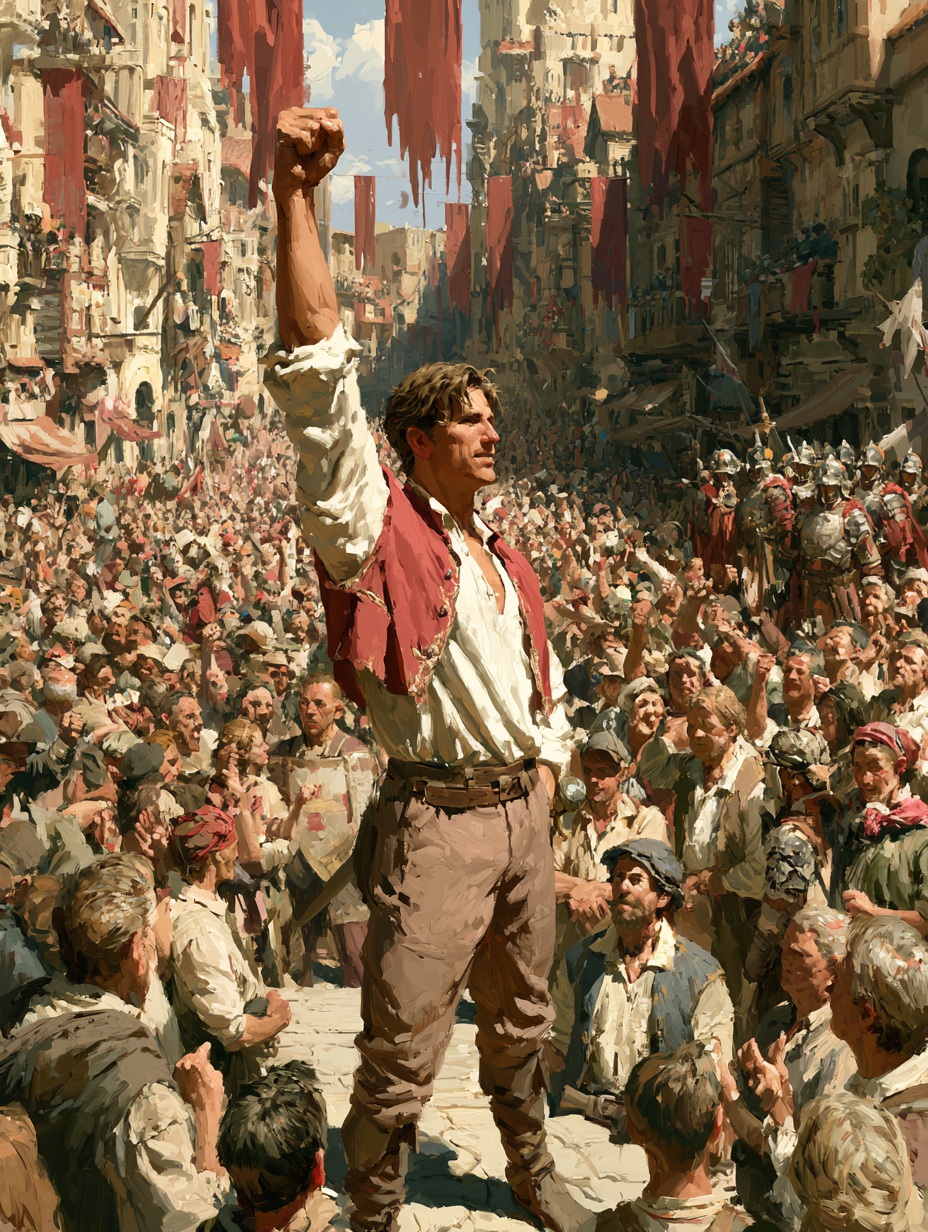
"The public sees the speech. Politics happens in the conversation afterward."
Type
Political



Comments