


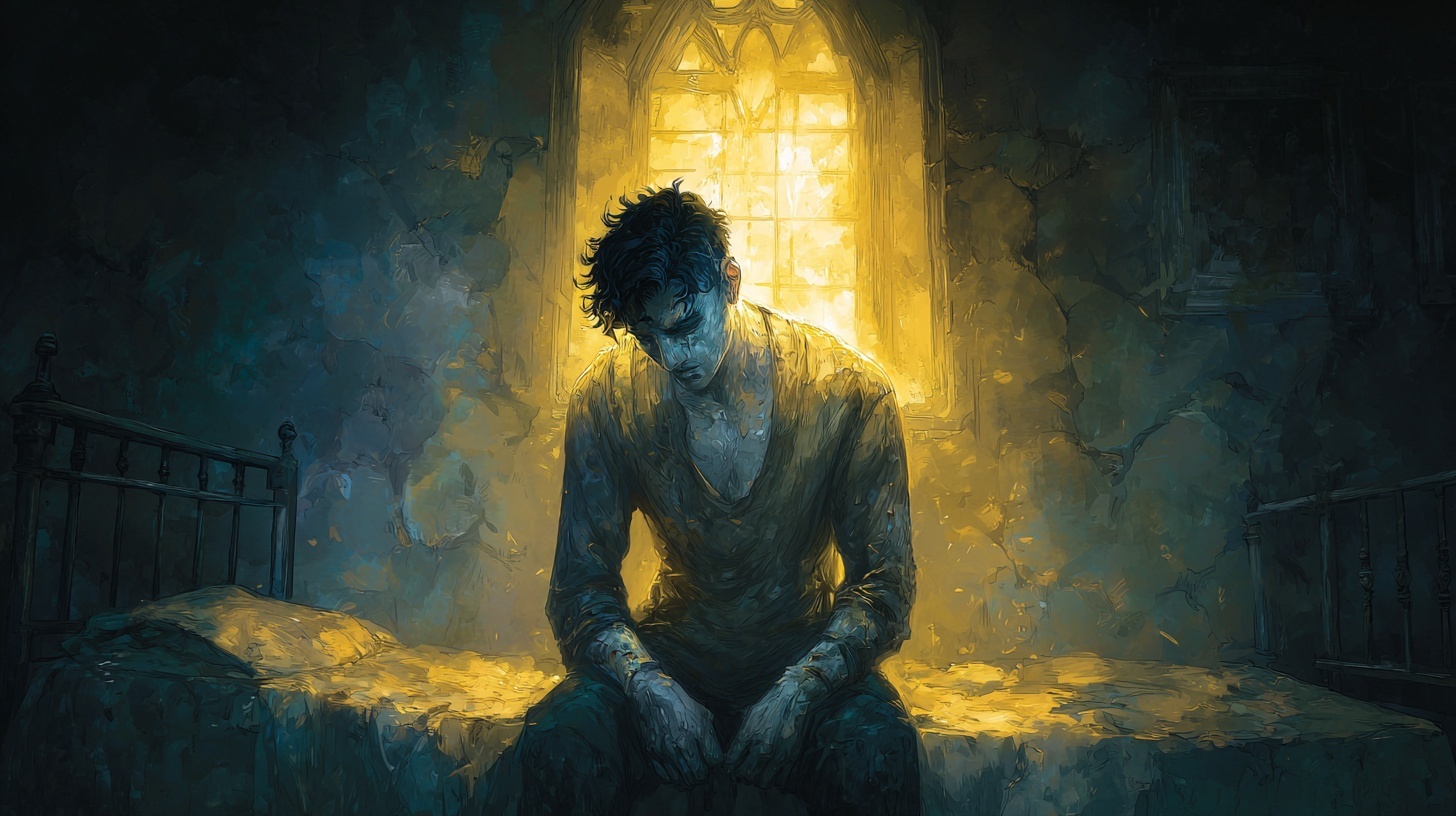
Insomnia
Can't Sleep?
“I have not slept, and the hours no longer pass. They pile. Each one sits behind my eyes, watching. I close them and still I see, and I cannot tell if the dark is mine or something waiting in it.”
Insomnia is not a spell of immediate violence. It does not strike the body in a way that can be seen, nor does it overwhelm the mind in a single, dramatic moment. Instead, it removes something so fundamental that its absence is not fully understood until the damage has already begun.
Rest is rarely thought of as a resource until it is denied.
Most creatures move through their days with the assumption that fatigue can be set aside, that effort can be recovered from, that time spent in stillness will restore what has been spent. This spell breaks that assumption in a way that is both subtle and deeply disruptive. The target does not collapse or lose consciousness. It continues to act, to think, to function. What changes is the body’s ability to recover from any of it.
The first effects are often dismissed.
A lingering tiredness that does not quite fade. A sense that effort requires just a little more than it should. These are easy to ignore, especially in situations where stress or exertion would explain them naturally. The creature continues forward, pushing through the discomfort with the expectation that rest will come later and resolve the issue.
That expectation is where the spell exerts its real influence.
As time passes, the absence of recovery begins to compound. The body does not regain what it has lost. Strain accumulates. Reactions slow, endurance falters, and even simple resistance to further stress begins to weaken. The disadvantage imposed on the body’s ability to withstand additional strain is not dramatic on its own, but over time it becomes increasingly significant.
This is particularly evident when the creature attempts to rest.
The act of resting remains possible. The creature can lie down, close its eyes, and remain still for the required duration. From the outside, nothing appears unusual. The difference lies in the outcome. The expected restoration never arrives. The body remains as it was, unchanged by the time spent attempting to recover.
This failure is not always immediate or obvious.
There are moments where the creature believes it has succeeded, where the act of rest provides a fleeting sense of relief. That illusion fades quickly, replaced by the realization that nothing has truly improved. The cycle repeats, each attempt reinforcing the same result, until the creature is forced to accept that rest itself has become unreliable.
Short periods of rest are denied entirely.
The small opportunities to recover during moments of calm, to catch one’s breath and regain a measure of stability, are simply ineffective. The creature can pause, but the pause provides no benefit beyond the absence of immediate action. This removes a key method of managing fatigue, forcing the target to rely entirely on a recovery that may never come.
What makes Insomnia particularly dangerous is the duration over which it operates.
Eight hours is more than enough time for the effects to take hold in a meaningful way. It spans the period where rest would normally occur, ensuring that the disruption is not just temporary, but deeply ingrained in the target’s immediate experience. Even if the creature manages to resist the spell eventually, the time lost cannot be recovered.
There is also a psychological component that emerges as the spell persists.
The expectation of rest is deeply ingrained. When that expectation is repeatedly denied, it begins to affect decision making. The creature may become more cautious, more desperate, or more prone to errors as it attempts to compensate for a state it cannot correct. The knowledge that rest may fail adds a layer of uncertainty to every choice.
The spell does not remove the possibility of recovery entirely.
Each hour presents an opportunity to resist its effects, to break free from the condition and return to normal function. This chance introduces a degree of unpredictability. Some targets may recover quickly, experiencing only a brief disruption. Others may endure the full duration, their condition worsening with each passing hour.
Those who use Insomnia effectively understand that its value lies in timing.
It is not meant to end a conflict in the moment it is cast. It is meant to shape what follows. A creature denied rest enters the next encounter at a disadvantage, its ability to endure and recover already compromised. In prolonged situations, this can be as decisive as any direct attack.
There is a certain cruelty to the spell that sets it apart from more immediate forms of harm.
It does not injure in a way that can be seen or easily treated. It removes the means by which injury would normally be addressed. The target is left to continue, aware that the relief it expects may never arrive, and forced to act despite that knowledge.
Insomnia does not strike down its victim. It ensures that, when the time comes to stand again, they are not as capable as they should be.
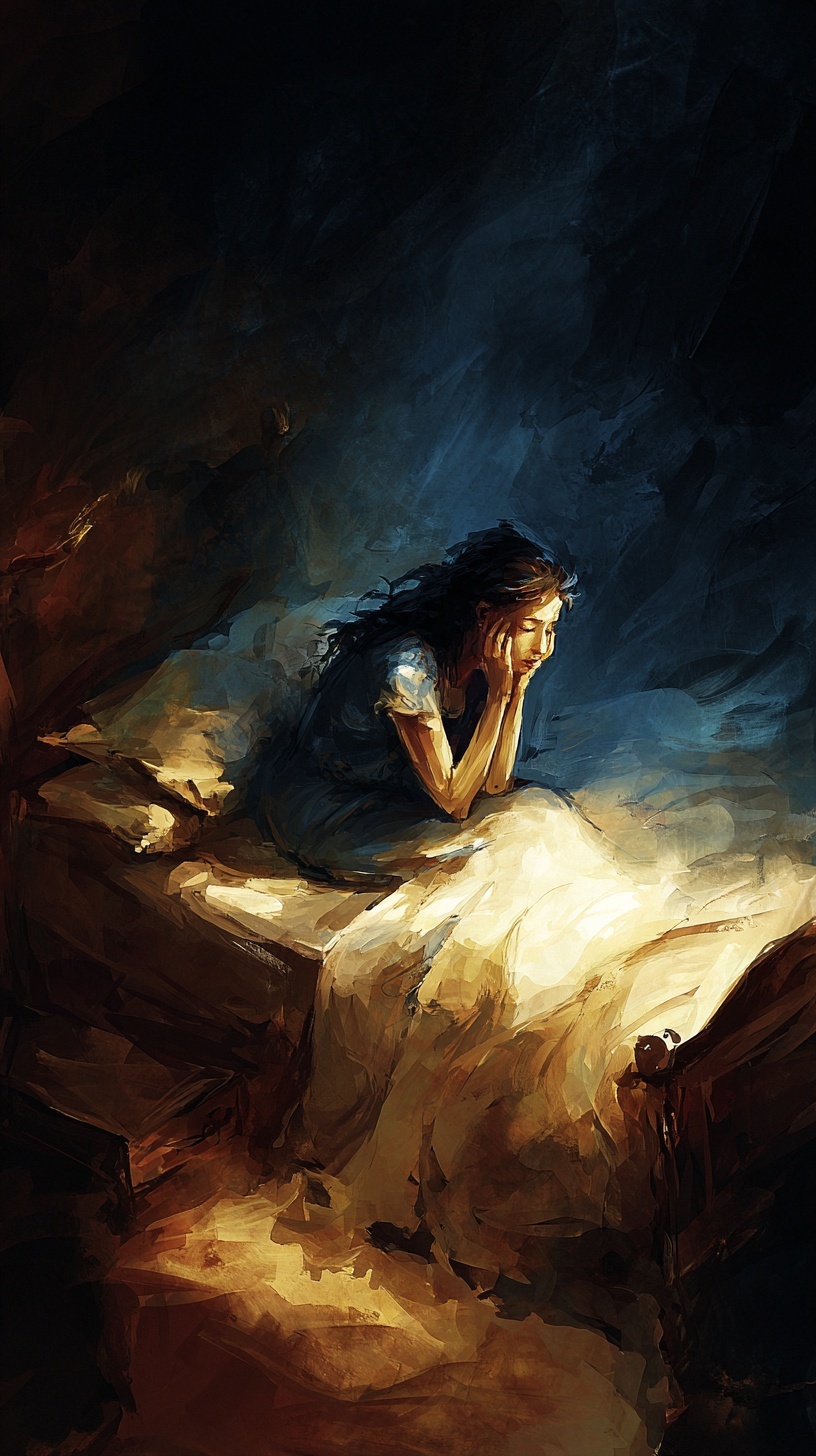
“They said stay awake and keep watch, as if wakefulness were a shield. It is not. The longer you refuse the night, the more it seeps into you, until you carry it with you and there is nowhere left to hide from it.”
Related Discipline
Necromancy
Level



Comments