Dream Leaf

Per Chance To Dream

"There are few corners of the world where one cannot find Dream Leaf growing if they know where to look."
— Harl Rowan, Wanderer's Guide to Wild Flora
Dream Leaf is a perennial flowering orchid renowned throughout the world for its psychoactive properties, remarkable adaptability, and distinctive appearance. Native to the temperate rainforests of the western coast, the plant has since spread across countless regions, establishing itself wherever shade and moisture create suitable growing conditions.   The species is easily recognized by its dark crimson to deep violet blossoms, broad velvety petals, and preference for damp, sheltered environments. Though often associated with forests, Dream Leaf can be found in an astonishing variety of habitats, from swamps and river valleys to abandoned ruins, mountain groves, and even the shaded corners of large cities.   Unlike many cultivated crops, Dream Leaf possesses no true strains or subspecies. Instead, the character of each harvest is determined largely by the soil in which it grows. Variations in mineral content, moisture, and local environmental conditions can produce flowers with dramatically different aromas, flavors, and effects. This unique relationship between plant and environment has given rise to extensive trade networks centered around particularly desirable growing regions.   The dried flowers are the most commonly harvested portion of the plant and have been used for recreational, medicinal, ceremonial, and commercial purposes for centuries. Entire industries have developed around their cultivation, processing, and sale, making Dream Leaf one of the most economically significant botanical commodities in many parts of the world.   Beyond its practical value, Dream Leaf occupies a unique place in folklore, culture, and natural history. Its resilience, widespread distribution, and unusual characteristics have made it one of the most studied and recognized plants known to scholars, herbalists, merchants, and travelers alike.   Whether encountered in an ancient rainforest, a secluded marsh, or beneath a forgotten stone bridge, Dream Leaf remains one of the world's most familiar and enduring flowers.

Basic Information

Anatomy

"Among the orchids, Dream Leaf is neither the largest nor the most colorful. Yet few plants command such immediate recognition. Even before one learns its properties, there is something unmistakably deliberate about its form, as though the flower evolved to be noticed."
— Professor Alder Thorne, Botanical Survey of the Western Rainforests
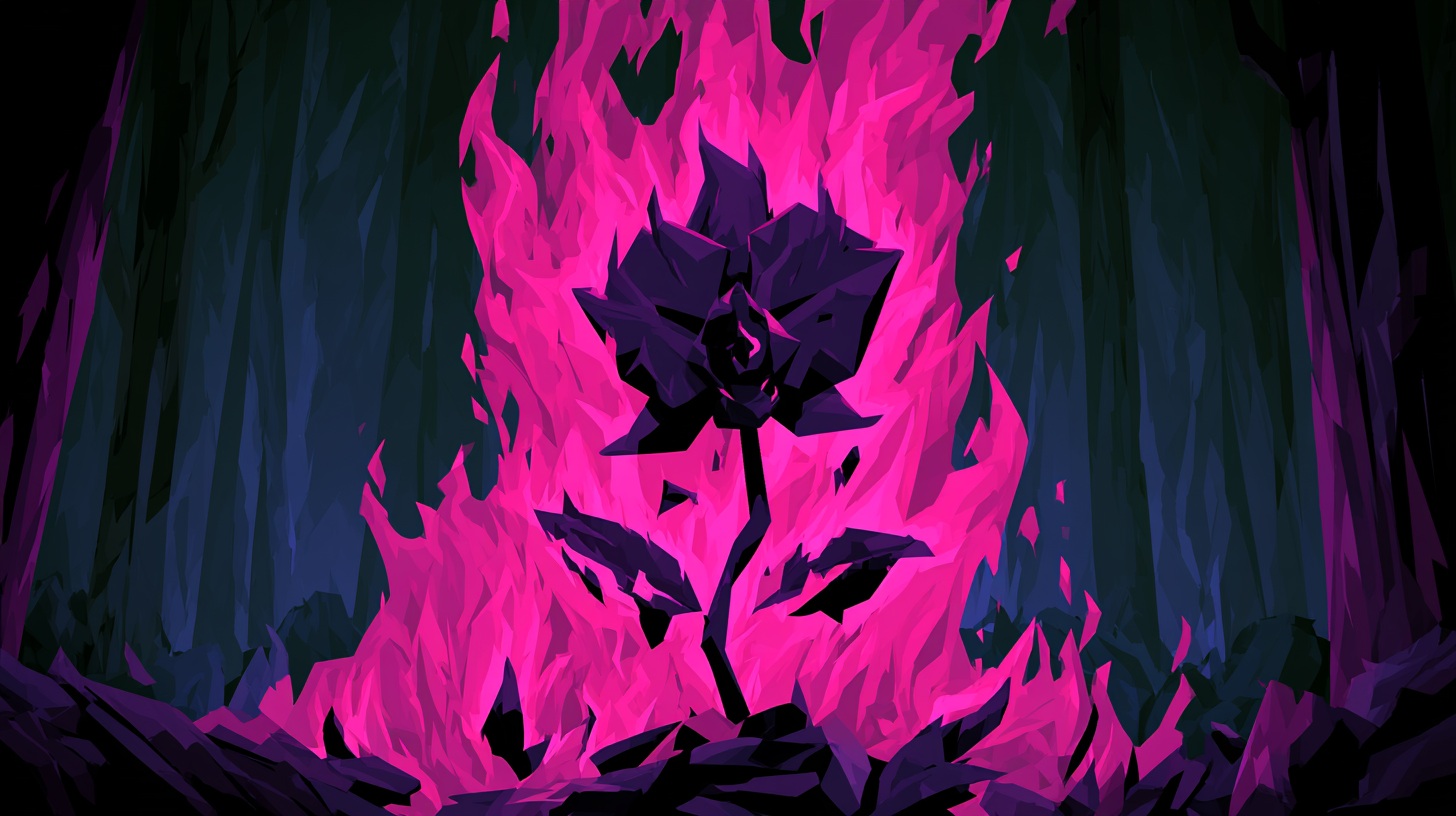
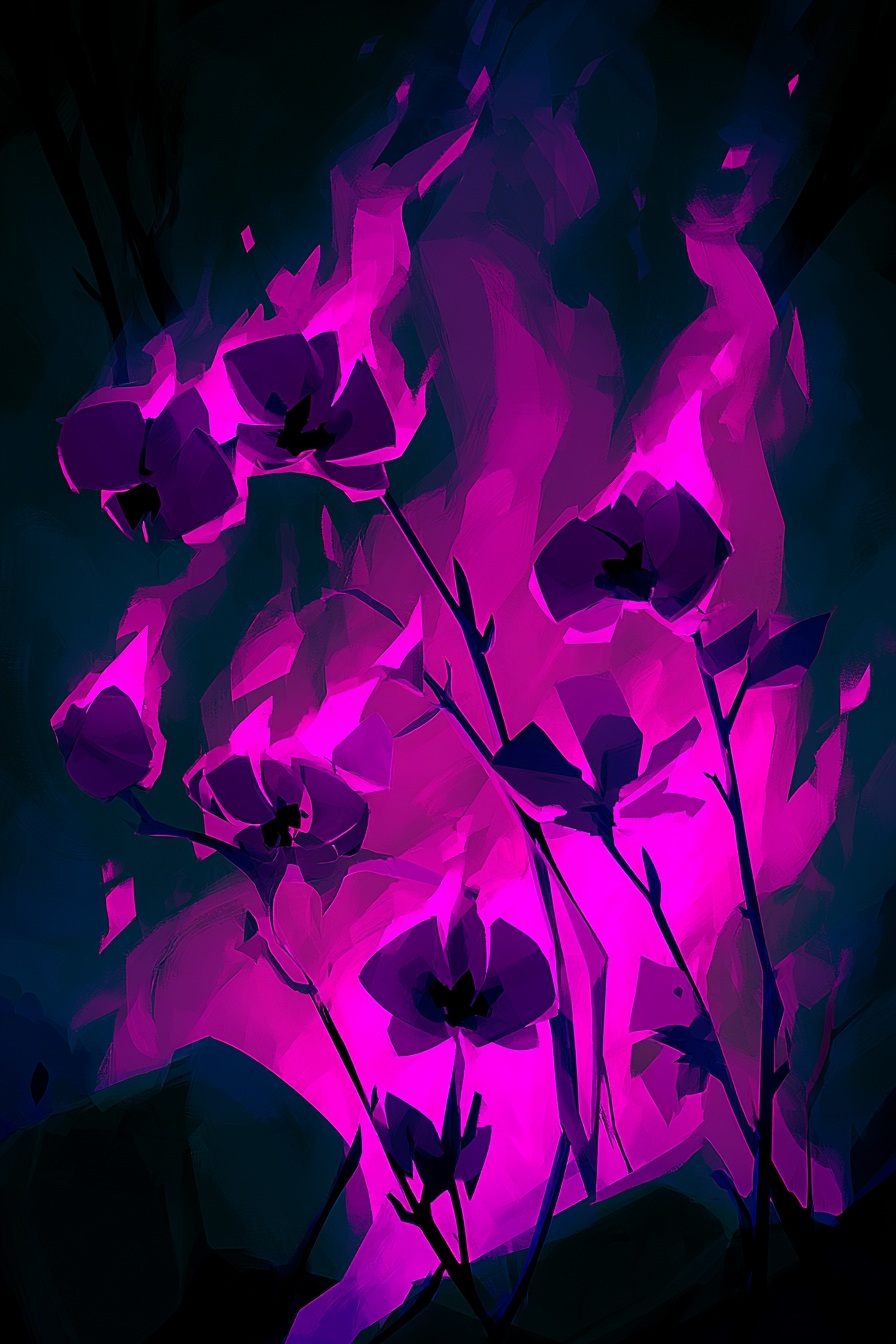
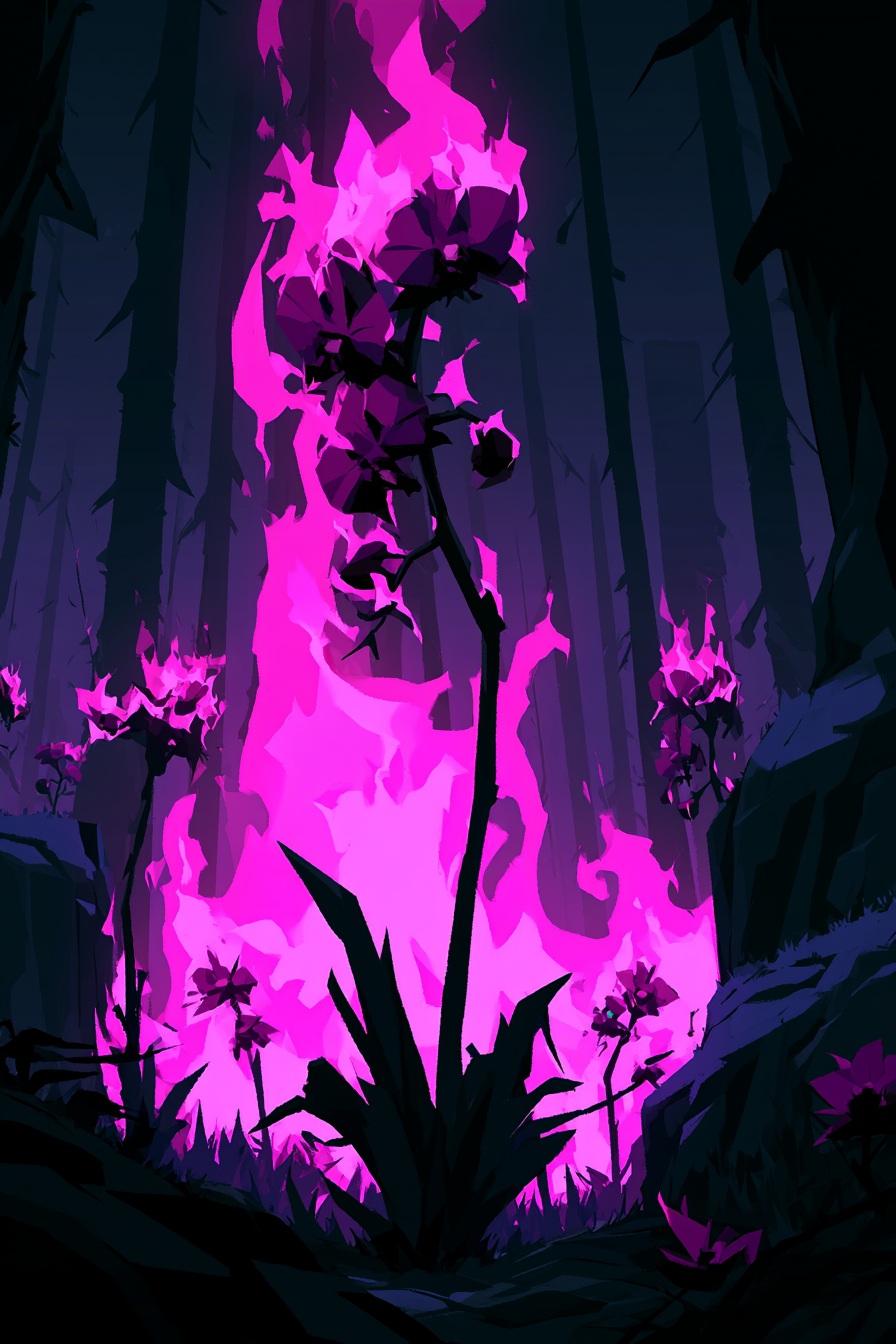
Dream Leaf is a perennial woodland orchid most often recognized by the remarkable darkness of its flowers. Though its appearance varies somewhat between regions, particularly in response to local soil conditions, the plant remains unmistakable to those familiar with it. A mature specimen typically stands between one and three feet in height, rising from the forest floor on a slender stem surrounded by long, narrow leaves. In deep shade these leaves appear nearly black, while specimens growing in brighter conditions display a richer green coloration tinged with purple along their edges.   The flower is by far the plant's most striking feature. Individual blossoms are large for an orchid and possess broad, velvety petals that seem to absorb rather than reflect light. Their coloration ranges from deep burgundy to rich violet, with some specimens displaying such dark pigmentation that they appear black from a distance. During overcast weather or beneath dense canopy cover, entire patches of Dream Leaf can resemble clusters of shadow gathered among the ferns.   Each bloom consists of layered petals arranged around a prominent central structure characteristic of orchids. The petals curve gently outward, creating a shape that many compare to an open hand, a resting moth, or a flame frozen in motion. This resemblance to flame has inspired numerous folk names throughout the world, including Ember Orchid, Night Flame, Violet Fire, and Dreamer's Bloom.   Despite its dark appearance, the flower is surprisingly delicate to the touch. The petals possess a soft, velvety texture that has led many first-time observers to mistake them for fabric. When fresh, they are supple and flexible. Once harvested and dried, however, they become brittle and fragile, requiring careful handling to prevent crumbling.   The stem is slender but resilient. It bends readily beneath rainfall, passing animals, and strong winds, yet rarely breaks. This flexibility allows the plant to survive in environments where larger and more rigid flowers would be damaged by constant moisture and shifting undergrowth. The stem's coloration varies from dark green to deep purple, often becoming darker closer to the flower itself.   The leaves emerge in clusters around the base of the plant and occasionally along the lower portion of the stem. They are long, narrow, and pointed, resembling blades of grass at a glance. Closer inspection reveals a thick, waxy surface that helps the plant retain moisture and resist fungal growth in the damp environments it favors. The undersides of mature leaves often display faint purple veins, particularly in older specimens.   When disturbed, crushed, or freshly cut, Dream Leaf releases a distinctive fragrance. Most descriptions characterize the scent as earthy and sweet, though comparisons vary widely. Some liken it to damp cedarwood after rain. Others describe notes of wild berries, moss, honey, or fresh soil. Experienced gatherers often claim they can locate a patch of Dream Leaf by scent alone, particularly in the hours following rainfall when the flower's aroma becomes most pronounced.   Beneath the soil lies a dense network of roots and rhizomes that anchor the plant securely in wet ground. These structures are rarely seen except by cultivators and herbalists, yet they form the foundation of the plant's success. The roots spread outward through the surrounding earth in search of moisture, while the thicker rhizomes serve as reservoirs of nutrients and water. Older plants develop extensive underground systems capable of producing multiple flowering stems from a single root mass.   When exposed during harvesting or transplantation, the rhizomes reveal a characteristic purple coloration that deepens with age. This coloration is so reliable that experienced growers can often estimate a plant's maturity simply by examining its roots. In some regions, dried rhizome fragments are carried as charms or good-luck tokens, though they possess none of the properties for which the flower is famous.   Dream Leaf produces seed pods only after successful pollination. These pods begin as small green structures hidden beneath the flower and gradually mature into elongated capsules. When fully ripe, the capsules split open and release countless tiny seeds. Each seed is so small that a strong breeze can carry it great distances. Travelers have often remarked that a flowering patch can seem to scatter smoke into the air as its seeds are released.   Young plants grow slowly during their first years. Seedlings are easily overlooked among surrounding vegetation and may spend considerable time developing their root systems before producing their first true flower. Once established, however, Dream Leaf can persist for many years, producing blossoms season after season from the same underground structure.   The flower itself contains the greatest concentration of the compounds for which the plant is valued. Gatherers almost exclusively harvest the petals and upper portions of the bloom, leaving the roots intact whenever possible. Fresh flowers are heavy with moisture and possess a strong aroma, while properly dried blossoms become lighter, darker, and more fragrant. It is during this stage that they are most commonly prepared for use.   Though countless herbalists, alchemists, and natural philosophers have studied Dream Leaf over the centuries, many aspects of its anatomy remain subjects of fascination. Its unusual pigmentation, its remarkable adaptability, and the subtle variations displayed by flowers grown in different soils have inspired generations of observation and debate. Yet for all the scholarship devoted to it, most people remember Dream Leaf not for its botanical peculiarities but for the simple experience of encountering it in the wild. There is a peculiar beauty in seeing a cluster of dark blossoms rising from a bed of moss beneath towering trees, their petals glistening with rain while the forest around them fades into shadow. Few flowers possess such a quiet presence, and fewer still leave such a lasting impression upon those who find them.

Growth Rate & Stages

"Any fool can harvest Dream Leaf. Growing it is the hard part. The flower blooms in a season. The roots think in years."
— Durik Stonehand, Master Grower of Khaz Vorn
Dream Leaf is a relatively slow-growing plant, a trait shared by many orchids. Though mature specimens are common in favorable habitats, the journey from seed to flowering plant may take several years. This lengthy development is one of the primary reasons wild populations remain resilient despite widespread harvesting. While flowers are often collected in large quantities, the underground root systems frequently survive to bloom again in future seasons.   The life of a Dream Leaf begins with a seed scarcely visible to the naked eye. A single mature flower may produce thousands of these seeds, which are carried by wind, rainwater, and passing animals. Most never find suitable conditions for germination. Those that do settle in damp, shaded soil where they begin the slow process of establishing themselves beneath the surface.   During its first stage of growth, the young plant exists almost entirely underground. For months, and sometimes years, it develops a small root mass while producing little visible growth above the soil. Seedlings are exceptionally vulnerable during this period and can be easily destroyed by drought, flooding, grazing animals, or competition from neighboring plants.   Once established, the plant enters what herbalists often call the green stage. Narrow leaves emerge from the forest floor, resembling common grasses or young woodland lilies. At this point, Dream Leaf is difficult to identify without close inspection. Many experienced gatherers intentionally leave plants in this stage undisturbed, recognizing that immature specimens are of little value and represent future harvests.   Over the following years, the root system expands steadily. Additional leaves appear each growing season, and the plant begins storing nutrients within its rhizomes. The leaves darken with age, often developing the deep green and purple coloration associated with mature specimens.   The first flowering usually occurs between the third and fifth year, depending upon environmental conditions. Plants growing in rich soils with abundant moisture may bloom sooner, while those inhabiting harsher environments often require additional years before reaching maturity.   The appearance of the first flower marks the beginning of the blooming stage. Young flowering plants typically produce a single blossom atop a slender stem. These initial blooms are often smaller and less vibrant than those of older specimens, but they possess the same characteristic appearance and properties.   As the plant ages, flowering becomes increasingly prolific. Mature individuals frequently produce multiple stems during favorable seasons, each bearing one or more blossoms. Particularly old specimens may develop extensive underground rhizomes capable of supporting entire clusters of flowers spread across several feet of ground. To the casual observer these appear to be separate plants, though they are often connected beneath the soil.   Blooming generally occurs during the wetter portions of the year. In temperate rainforests this often coincides with late spring and summer, though local climates can shift the flowering season considerably. Individual blossoms remain healthy for several weeks before gradually withering and giving way to seed capsules.   Following seed production, the plant enters a period of dormancy. The visible portions die back, while the underground rhizomes remain alive and continue storing resources. In colder climates this dormancy may last throughout winter. In tropical or consistently wet regions, the dormant period is often much shorter.   The oldest Dream Leaf specimens can persist for decades. Though individual flowers are short-lived, the root systems from which they emerge may survive for generations. Rangers and herbalists occasionally speak of ancient patches that have occupied the same stretch of forest for as long as local memory records.   The growth rate of Dream Leaf is strongly influenced by moisture, shade, and soil quality. Plants growing in ideal conditions may reach flowering age in as little as three years and produce abundant blooms thereafter. Specimens living in marginal environments grow far more slowly and often remain small throughout their lives.   This gradual development has shaped the practices of both cultivators and wild harvesters. Experienced growers understand that patience yields the greatest rewards, while reckless harvesting can destroy years of growth for only a modest return. As a result, many of the most successful cultivators treat Dream Leaf less as a seasonal crop and more as a long-term investment, tending patches that may not reach their full potential for many years.

Ecology and Habitats

"Most plants choose a homeland. Dream Leaf chooses an opportunity."
— Harl Rowan, the Hermit of Mosswood
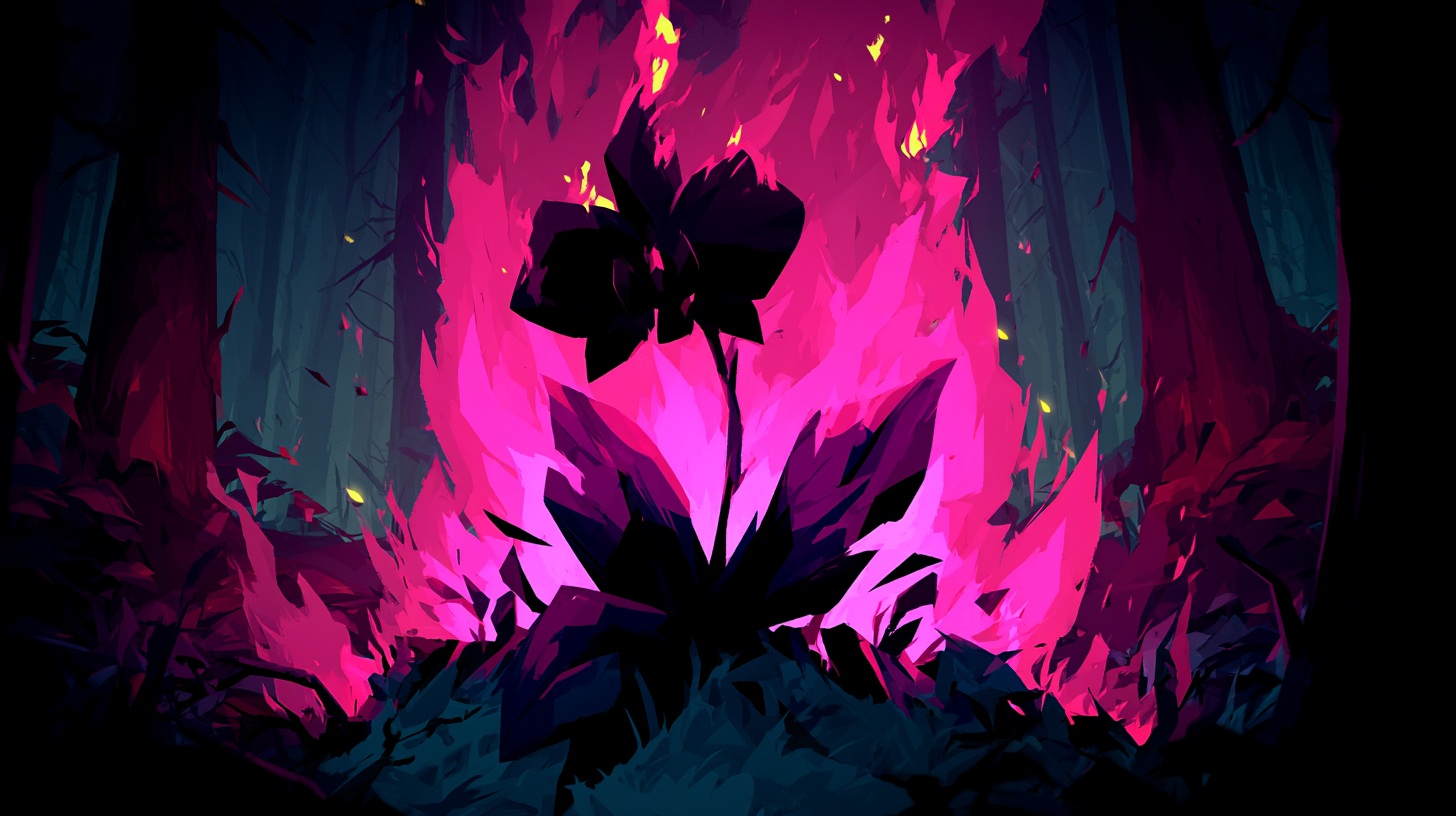
Dream Leaf is among the most adaptable flowering plants known to naturalists, capable of establishing itself in an astonishing variety of environments. While strongly associated with the temperate rainforests from which it originated, the plant's true requirements are remarkably simple. It seeks moisture, shade, and stable ground. Wherever these conditions exist together, Dream Leaf may be found.   The oldest known populations occur within the great coastal rainforests of the western world. There, beneath towering conifers and broad-leafed giants, the forest floor remains cool and damp throughout much of the year. Thick moss blankets fallen logs, ferns crowd streambanks, and sunlight reaches the ground only in scattered shafts. In such conditions, Dream Leaf flourishes naturally, growing in dense patches among the undergrowth.   Many scholars believe these ancient forests remain the plant's ideal habitat. Specimens growing there tend to produce larger blossoms, deeper coloration, and more extensive root systems than those found elsewhere. Some patches are believed to have occupied the same clearings for centuries, spreading gradually through underground rhizomes while dispersing seeds throughout the surrounding woodland.   Yet Dream Leaf is by no means confined to rainforests.   Unlike many orchids, it displays little preference for a specific climate. Instead, it responds primarily to local conditions. The plant can be found in swamps, marshes, river valleys, dense woodlands, and mountain forests. It thrives beneath thick canopy cover and readily colonizes areas where larger plants have created permanent shade.   In drier regions, Dream Leaf survives by exploiting small pockets of favorable habitat. Travelers crossing deserts have reported finding isolated specimens growing beneath bridges, within abandoned wells, among the ruins of collapsed aqueducts, and in narrow ravines where water collects after seasonal rains. Such colonies are rarely large, but their existence demonstrates the plant's remarkable ability to exploit even the smallest refuge from heat and sunlight.   The species is particularly common near sources of fresh water. Streambanks, spring-fed groves, and misty lowlands often support thriving populations. Areas subject to periodic flooding can also host Dream Leaf, provided the roots are not submerged for extended periods. The plant tolerates wet soil exceptionally well but struggles in stagnant water.   Although moisture is essential, shade appears to be equally important. Dream Leaf rarely prospers in open fields or exposed environments. Plants subjected to constant sunlight often remain stunted and produce fewer flowers. In severe cases, prolonged exposure causes leaves to yellow and blossoms to fail entirely. For this reason, wild populations almost always occur beneath trees, rocky overhangs, dense vegetation, or artificial structures that provide protection from direct light.   This preference for shade has led to an unusual relationship with both nature and civilization. While many plants retreat as settlements expand, Dream Leaf often follows. Stone bridges, drainage tunnels, retaining walls, abandoned buildings, and neglected gardens can all create suitable microhabitats. In older cities, it is not uncommon to find small colonies thriving in places where sunlight rarely reaches and rainwater steadily gathers.   The plant shares its habitat with a wide variety of other species. In forests, it commonly grows among ferns, mosses, liverworts, and shade-loving wildflowers. Fallen logs and decaying vegetation enrich the surrounding soil, creating ideal conditions for young plants to establish themselves. Mature patches frequently become part of larger understory communities that persist for decades with little disturbance.   Numerous insects visit Dream Leaf during its flowering season. Moths are among the most common pollinators, particularly in regions where the plant grows beneath dense canopy cover. Beetles, bees, and other nectar-feeding insects have also been observed visiting the flowers. While the exact relationship varies from region to region, pollinating insects play an important role in maintaining healthy wild populations.   Larger animals interact with the plant in more complicated ways. Most herbivores show little interest in consuming mature flowers, often passing them by in favor of more nutritious vegetation. Rangers and hunters have long noted, however, that certain animals appear strangely attracted to blooming patches. Deer, elk, boars, and numerous smaller creatures have all been observed lingering near Dream Leaf colonies for reasons that remain poorly understood.   Some naturalists speculate that the flower's scent plays a role in this behavior. Others suggest that animals may seek out the plant's blossoms directly. Whatever the explanation, established patches often become gathering places for wildlife, particularly during peak flowering seasons.   Dream Leaf is neither aggressive nor invasive by nature. It rarely overwhelms competing vegetation and seldom dominates an ecosystem. Instead, it occupies niches left available by larger plants and environmental conditions. Its success stems not from competition but from flexibility. Where many species require precise circumstances to survive, Dream Leaf is content with any place that offers sufficient shade and moisture.   This adaptability has allowed the species to spread across vast portions of the known world. Though its flowers may differ in appearance and properties from one region to another, the environments it inhabits remain remarkably consistent. Whether growing beneath ancient cedars, within a mist-shrouded swamp, or beside a forgotten stone bridge in the heart of a desert, Dream Leaf follows the same simple rule that has guided its survival for centuries.   Find shade. Find water. Grow.

Additional Information

Uses, Products & Exploitation

"A fool sees a flower. A merchant sees a harvest. A grower sees ten different things to sell."
— Britari Anakis
Though best known for the dried flowers harvested for recreational, medicinal, and ceremonial use, Dream Leaf is a remarkably versatile plant whose value extends well beyond its blossoms. Across much of the world, entire local industries have developed around its cultivation, processing, and trade.   The flower itself remains the most sought-after portion of the plant. Once harvested and carefully dried, the petals are commonly smoked, brewed into teas, ground into powders, or incorporated into alchemical preparations. The precise effects vary significantly depending upon the soil in which the plant was grown, creating a vast market for flowers originating from particular regions and growing conditions.   Medicinal practitioners have long employed Dream Leaf preparations to ease chronic pain, reduce anxiety, encourage sleep, stimulate appetite, and calm agitation. In some cultures, low-dose infusions are prescribed for stress and exhaustion, while stronger preparations are reserved for severe pain or recovery from injury. Though physicians continue to debate the effectiveness of many traditional remedies, the plant's widespread use has ensured its place within countless pharmacopoeias.   The fragrance of fresh blossoms has also proven valuable. Perfumers often incorporate Dream Leaf extracts into incense, oils, candles, and scented resins. The flower's naturally earthy aroma blends particularly well with cedar, sandalwood, pine resin, and various woodland herbs. High-quality perfumes derived from carefully cultivated flowers command considerable prices among the wealthy.   The leaves possess far weaker properties than the flower but remain useful. They are commonly dried and mixed into lower-cost smoking blends, herbal teas, and medicinal poultices. While rarely sold on their own, they provide cultivators with an additional source of income from material that might otherwise be discarded.   The roots and rhizomes are generally considered unsuitable for recreational use, yet they remain valuable to herbalists and craftsmen. Dried rhizomes are occasionally ground into powders for use in traditional remedies. Certain cultures carve larger specimens into beads, charms, and decorative tokens. Their naturally dark coloration and unusual appearance have made them popular components in jewelry and ritual objects.   Seed pods are harvested in some regions for decorative purposes. Their elongated forms dry well and can be incorporated into floral arrangements, ornamental wreaths, and preserved botanical displays. Though modest in value individually, such products provide supplementary income for cultivators seeking to maximize the utility of each harvest.   Few agricultural products demonstrate the same degree of regional specialization as Dream Leaf. Because soil composition strongly influences the qualities of the harvested flower, entire communities have built local economies around particular growing conditions. Volcanic valleys, peat-rich wetlands, mineral-heavy foothills, and ancient forest soils all produce flowers with distinct reputations. As a result, growers often market their products according to place of origin rather than species or cultivar.   This has led to the emergence of highly competitive trade networks. Some growing regions have achieved near legendary status among consumers, with their flowers commanding prices many times greater than those of ordinary harvests. Smuggling, counterfeiting, and fraudulent labeling are common concerns within the trade, particularly in major cities where demand frequently exceeds supply.   Cultivation itself has become a substantial industry. Large estates, family farms, druidic groves, and urban greenhouse operations all participate in production. In some regions, growers lease particularly desirable plots of land in the same manner that vintners compete for renowned vineyards. The soil, rather than the plant, is often considered the true source of value.   Harvesting practices vary considerably. Responsible cultivators remove only mature blossoms while preserving the underlying root systems, allowing plants to flower repeatedly over many years. Less scrupulous operators sometimes uproot entire colonies for immediate profit, a practice widely criticized for its long-term ecological consequences. In regions where wild populations remain abundant, governments and local authorities frequently regulate harvesting to prevent overexploitation.   Dream Leaf has also found a place within the hospitality industry. Taverns, lounges, bathhouses, and social clubs often offer curated selections sourced from different regions. Knowledgeable proprietors take pride in presenting flowers with distinct characteristics, much as wine merchants present vintages from different vineyards.   Beyond commerce, the plant supports numerous secondary industries. Potters produce specialized storage jars designed to preserve dried flowers. Carpenters craft humidors and lockboxes intended for long-term storage. Glassblowers manufacture elaborate display vessels for rare specimens. Merchants, couriers, inspectors, and brokers all derive income from the movement and sale of Dream Leaf products.   Even waste materials are seldom discarded. Stems and leaves unsuitable for consumption are commonly composted, returning nutrients to the soil. Some growers use shredded plant matter as mulch around future crops. Others process agricultural waste into incense blends, dyes, or fuel for drying houses.   As a result, mature Dream Leaf cultivation often resembles an ecosystem of commerce unto itself. Farmers grow it. Herbalists process it. Merchants transport it. Craftsmen package it. Physicians prescribe it. Patrons consume it. Few plants pass through as many hands before reaching their final destination.   For all its many applications, however, the flower remains at the center of the enterprise. Entire economies have risen around the simple act of harvesting a blossom from the shade, drying it with care, and carrying its fragrance and effects to distant corners of the world.


"Some men spend their lives trying to escape the world. Others spend their lives trying to understand it. Dream Leaf cannot tell the difference, but it will gladly sit with either."
— Jahmon Greenroot, Headmaster of Ong-Zeen Hall
Scientific Name
Orchis somnium
Average Height
2 ft
Geographic Distribution

Comments

Please Login in order to comment!
Powered by World Anvil