


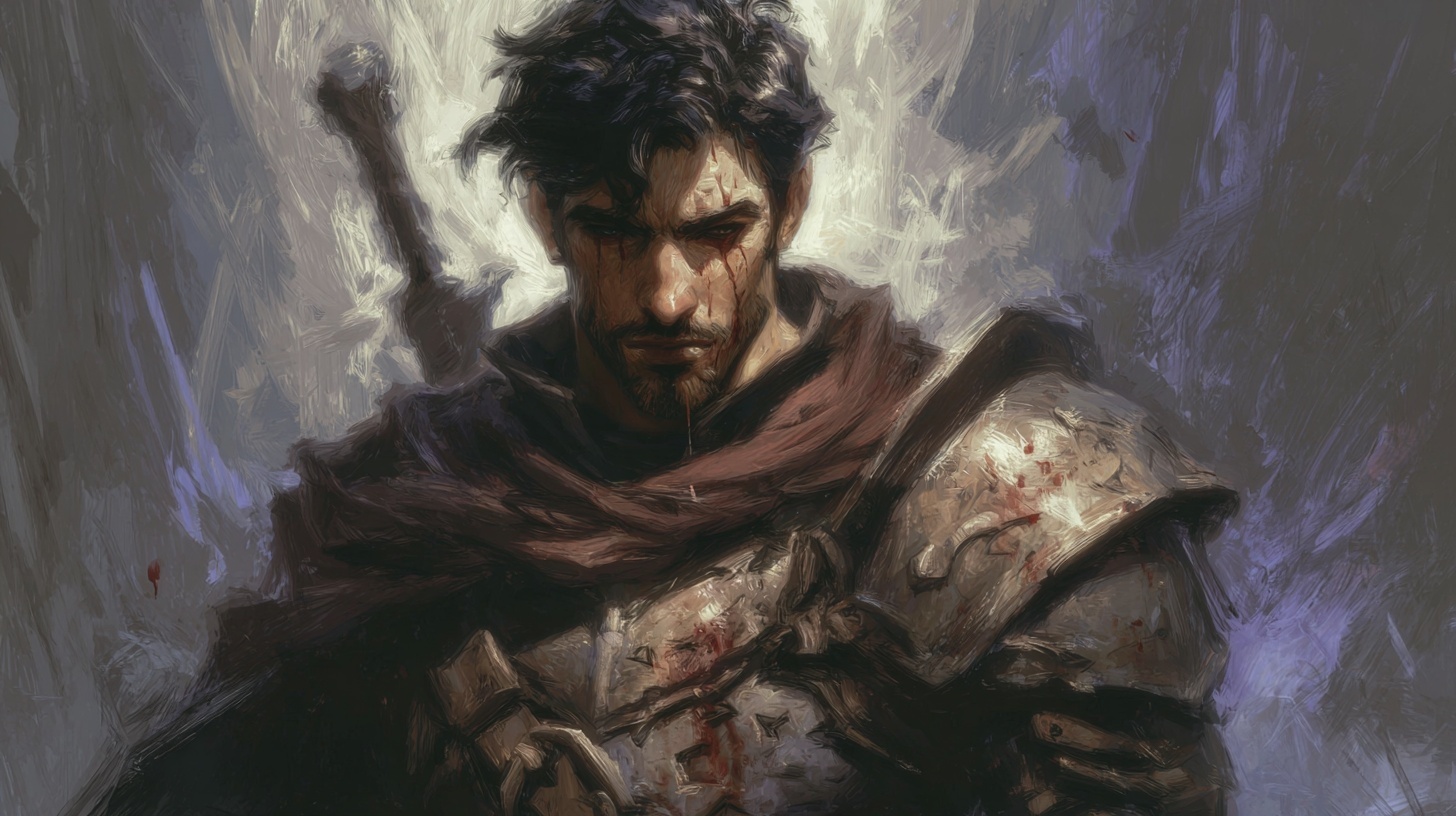
Disguise Wound
It's Just A Scratch
“They’ll say we stood because we had no fear. Let them. The truth is we felt every wound, every breath like broken glass, and we stayed anyway. Not because we were unhurt, but because we chose not to fall.”
Disguise Wound is not a spell of healing. It does not mend flesh, ease pain, or restore what has been lost. What it offers instead is something far more situational and, in the right circumstances, far more valuable. It removes the visible truth.
In most situations, injury announces itself immediately. Blood, torn fabric, broken posture, all of it signals weakness, urgency, and vulnerability. Even before a word is spoken, the state of the body shapes how others react. This spell interrupts that process entirely, replacing what is seen with something far more controlled.
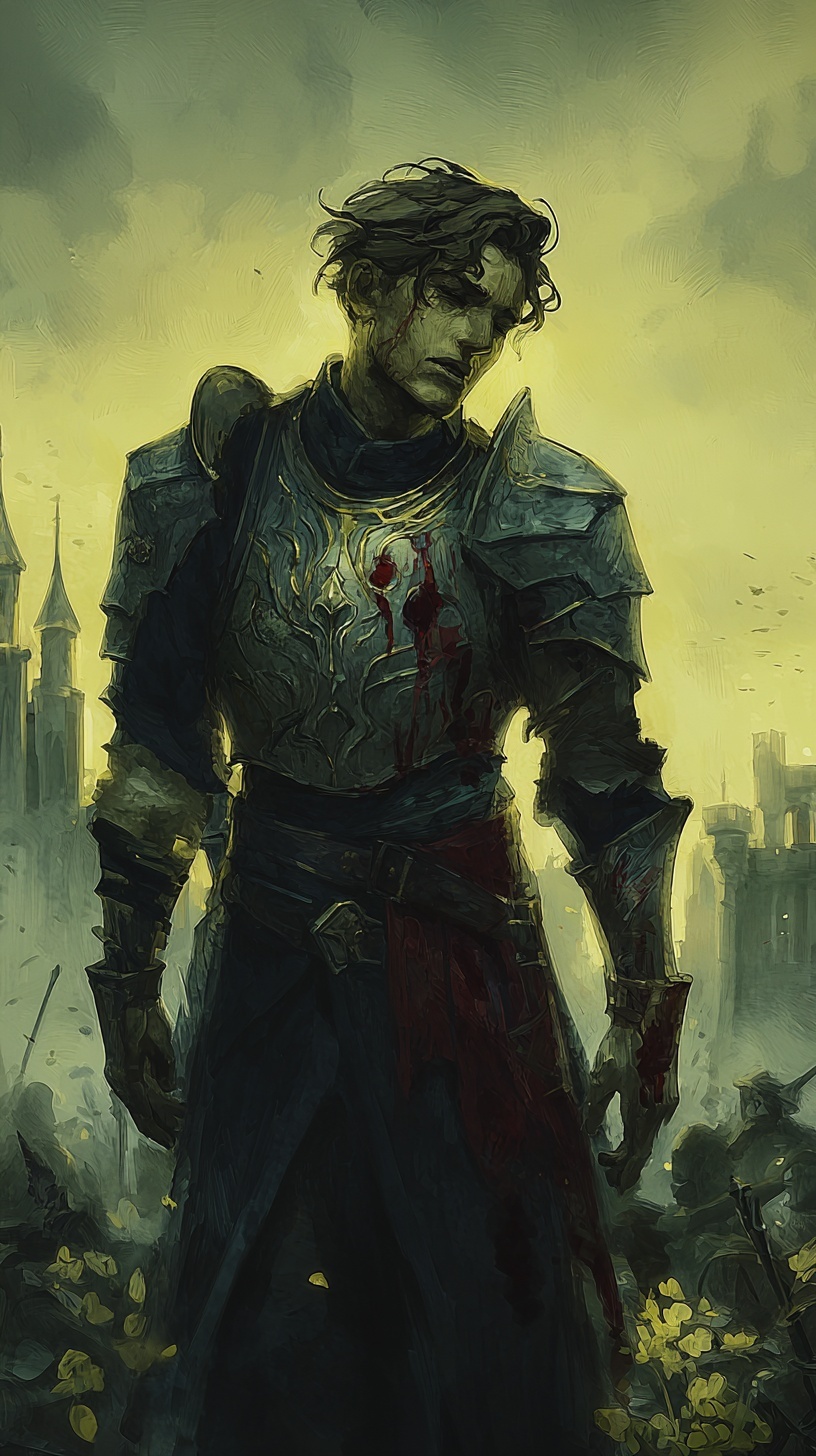
When the illusion takes hold, the change is seamless. Wounds vanish from sight. Blood is no longer present. The body appears whole, steady, and unaffected. There is no visible transition, no flicker or distortion that might suggest something has been altered. To a casual observer, nothing is wrong.
What remains beneath that illusion is unchanged.
The injury is still there. Pain still lingers. Movement may still be restricted, breath still uneven, strength still diminished. The spell does not grant the target any relief from the reality of their condition. It simply ensures that reality is not immediately apparent to others.
This creates a distinct separation between what is experienced and what is perceived.
In social or political environments, that separation can be critical. A wounded individual may still need to maintain composure, to present strength, or to avoid drawing attention to a moment of weakness. In such cases, the ability to appear unaffected can carry more weight than any immediate attempt at recovery.
The same is true in less formal settings.
Among criminals, spies, and others who operate under pressure, visible injury can be a liability. Blood attracts attention. A stagger invites pursuit. Disguise Wound allows the injured to move through a space without announcing their condition, buying time that might otherwise be lost to scrutiny or interference.
There is also a psychological aspect that should not be overlooked.
Those interacting with the target respond to what they see. If they see no injury, they are less likely to act with urgency or suspicion. This can delay assistance, reduce caution, or create opportunities that would not exist if the truth were visible. The spell does not alter minds, but it shapes the assumptions those minds are built on.
Its limitations ensure that it cannot be relied upon indefinitely.
A closer examination can reveal the truth. The illusion holds against casual observation, but not against deliberate scrutiny. Those who take the time to look more closely, to question what they are seeing, may notice inconsistencies. A movement that does not match the appearance of a healthy body. A reaction that suggests pain where none should exist. These details can give the illusion away.
The effect is also fragile in the face of further harm.
If the target takes additional damage, the illusion collapses immediately. The reality it was concealing returns all at once, often at the worst possible moment. This reinforces the spell’s nature as a temporary measure, something used to manage perception rather than solve a problem.
Disguise Wound exists in that narrow space between truth and presentation.
It does not change what is real. It changes what is seen, and for a short time, that can be enough.



Comments