

Detect Conflagration
Something's Burning
“They keep a man on watch for sparks. The wise ones keep a spell for the fires that slip past him.”
Fire has always been both servant and threat. It warms, it cooks, it shapes metal and clears land, yet the line between use and destruction is thinner than most are willing to admit. Detect Conflagration was not created to admire flame. It was created to find the moment that line is crossed.
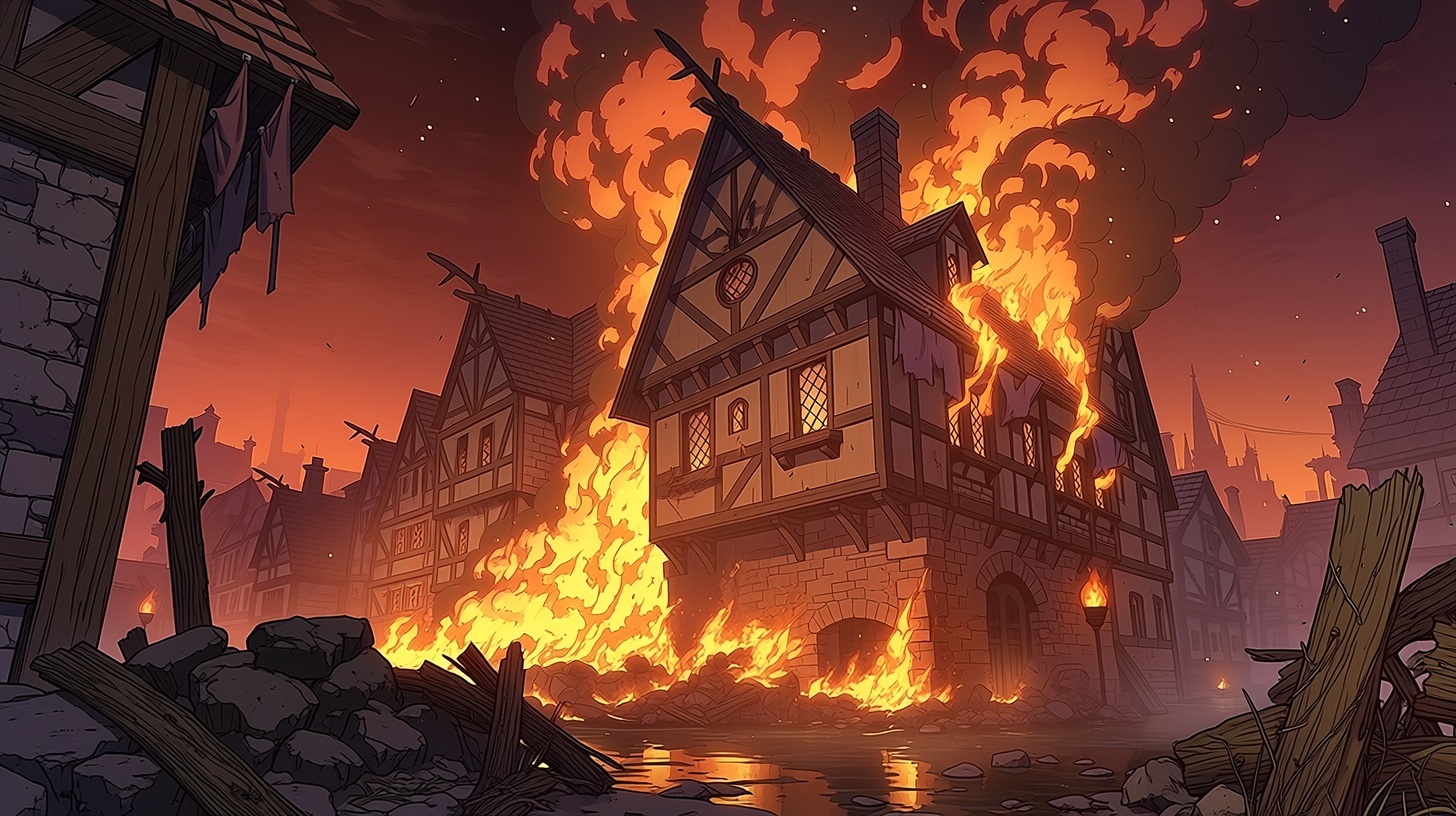
The spell does not concern itself with every spark or steady light. It ignores the ordered burn of a forge, the steady glow of a lantern, the contained hearth at the center of a home. These are understood, controlled, and expected. What the magic seeks instead are fires that have escaped intention, flames that no longer answer to the structures meant to contain them.
When the spell takes hold, the caster becomes aware of these breaches in control. Not as images, nor as precise locations, but as directional impressions that press into the mind with quiet urgency. A distant blaze might register as a steady pull in one direction. A smaller fire, newly kindled and not yet grown, might flicker faintly at the edge of perception. Each is distinct, but never detailed. The spell informs without overwhelming.
Scale is the only measure it offers with clarity. A smoldering patch of brush is not the same as a burning structure, and both differ from a fire that has begun to spread beyond anything that might easily be contained. Those who rely on the spell learn quickly to judge response by that sense alone. Distance can deceive. Direction can mislead. Size rarely does.
Its uses are practical and often unremarkable, which is precisely why it endures. City watch patrols employ it during dry seasons when a single spark can take a district. Caravan leaders use it to monitor the horizon while traveling through open grassland. Mariners rely on it to detect fires aboard distant vessels before smoke can be seen against the sky. In each case, the spell serves not as a solution, but as an early warning.
There is a discipline to interpreting what it reveals.
A controlled fire can become uncontrolled in moments, and the spell will not distinguish how or why that change occurred. A lantern knocked to the floor and a deliberate act of arson appear the same once the flame is free. The magic does not judge cause. It only marks the presence of danger. Those who seek answers beyond that must look elsewhere.
For all its utility, the spell is not without limitation. Barriers can dull or block its reach, and the impressions it provides are only as useful as the caster’s ability to act on them. Knowing that a fire exists is not the same as being able to stop it. Many who have relied on the spell have arrived too late, guided by certainty that came without the means to change the outcome.
Even so, it remains one of the more quietly respected forms of divination.
Not because it reveals something hidden, but because it reveals something already happening, often before anyone else is aware of it. In that brief window between ignition and disaster, the difference between knowing and not knowing can mean everything.
And this spell ensures that, at the very least, someone knows.
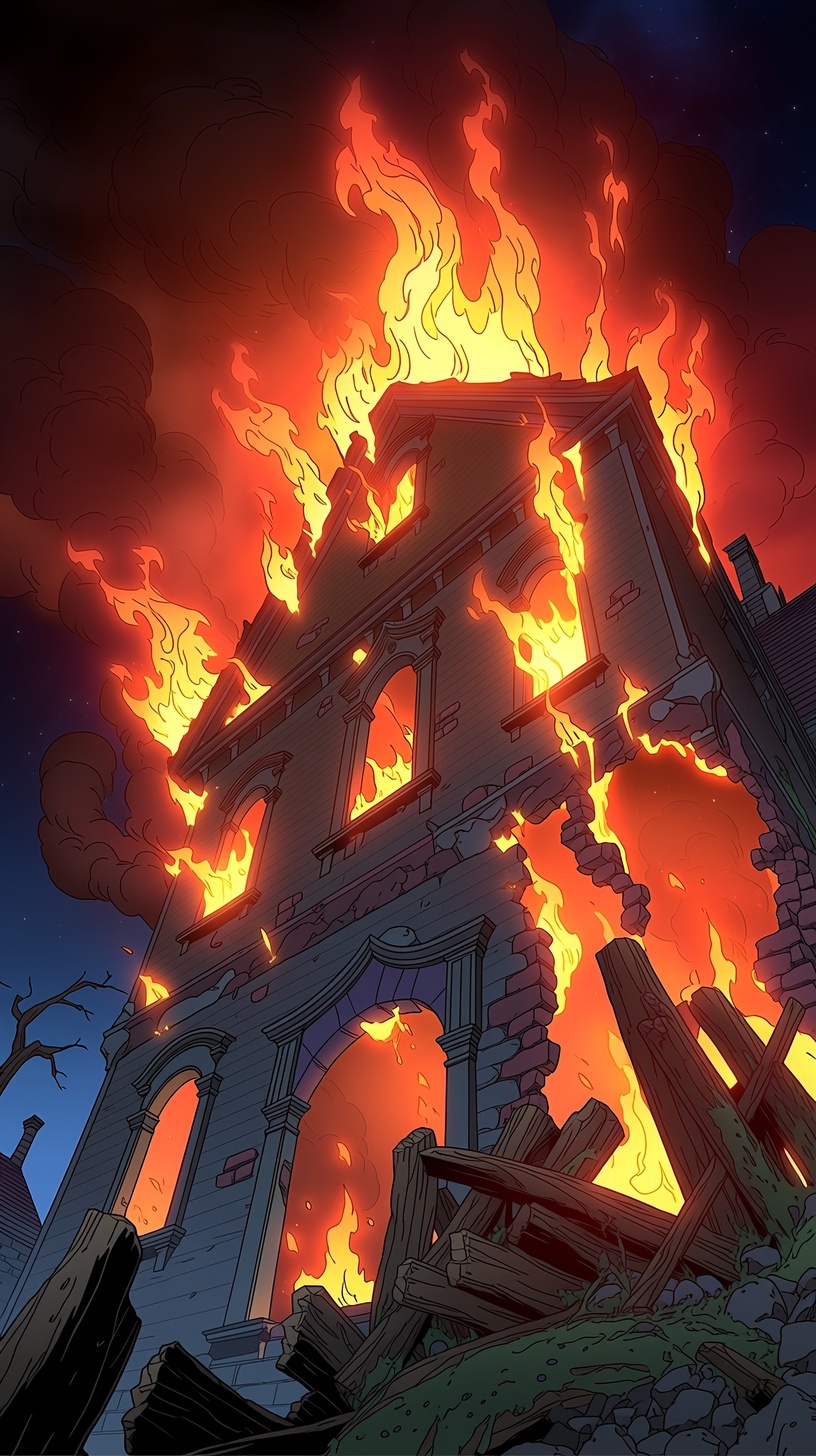
“We smelled nothing. Saw nothing. The spell turned my head before the smoke ever reached us. By the time we crested the hill, half the field was already gone.”



Comments