


Cushion Object
Please Don't Drop... That
“People think magic is about making things happen. Most days, it’s about stopping what was already going to happen from going wrong.”
There are spells designed to destroy, and there are spells designed to prevent destruction. Cushion Object belongs firmly to the latter, though its applications have proven far broader than its simple premise might suggest.
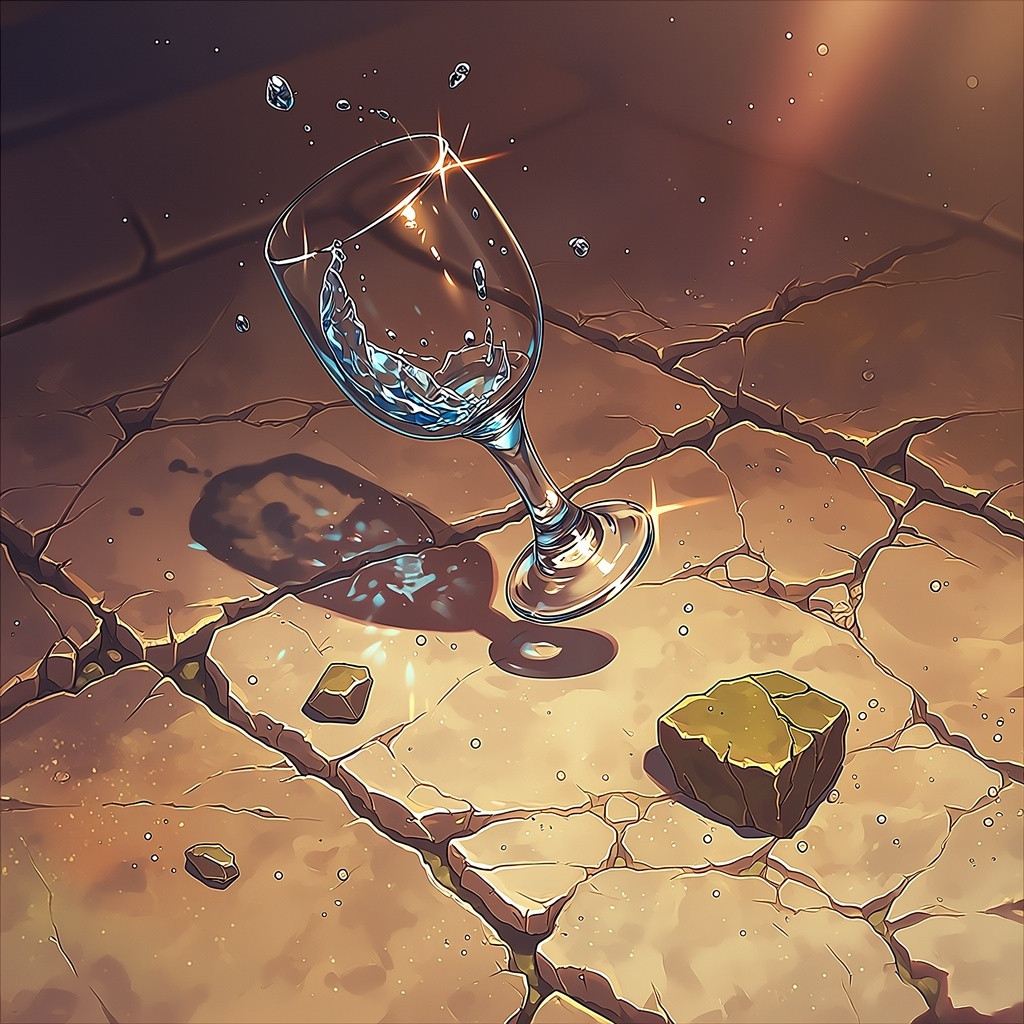
At its core, the spell alters the physical response of matter to force. When cast, a targeted object does not become weightless, nor does it lose cohesion. Instead, it yields. The rigid structure of the material softens into something flexible and elastic, absorbing energy that would otherwise fracture, splinter, or shatter it. Wood bends without cracking. Stone depresses without breaking. Glass flexes where it should fail.
This transformation is localized and controlled. A reinforced door may soften at the point of contact without compromising the wall around it. A section of flooring may give underfoot without collapsing the structure beneath it. This precision has made the spell especially valuable among craftsmen, engineers, and those who routinely work with fragile or heavy materials.
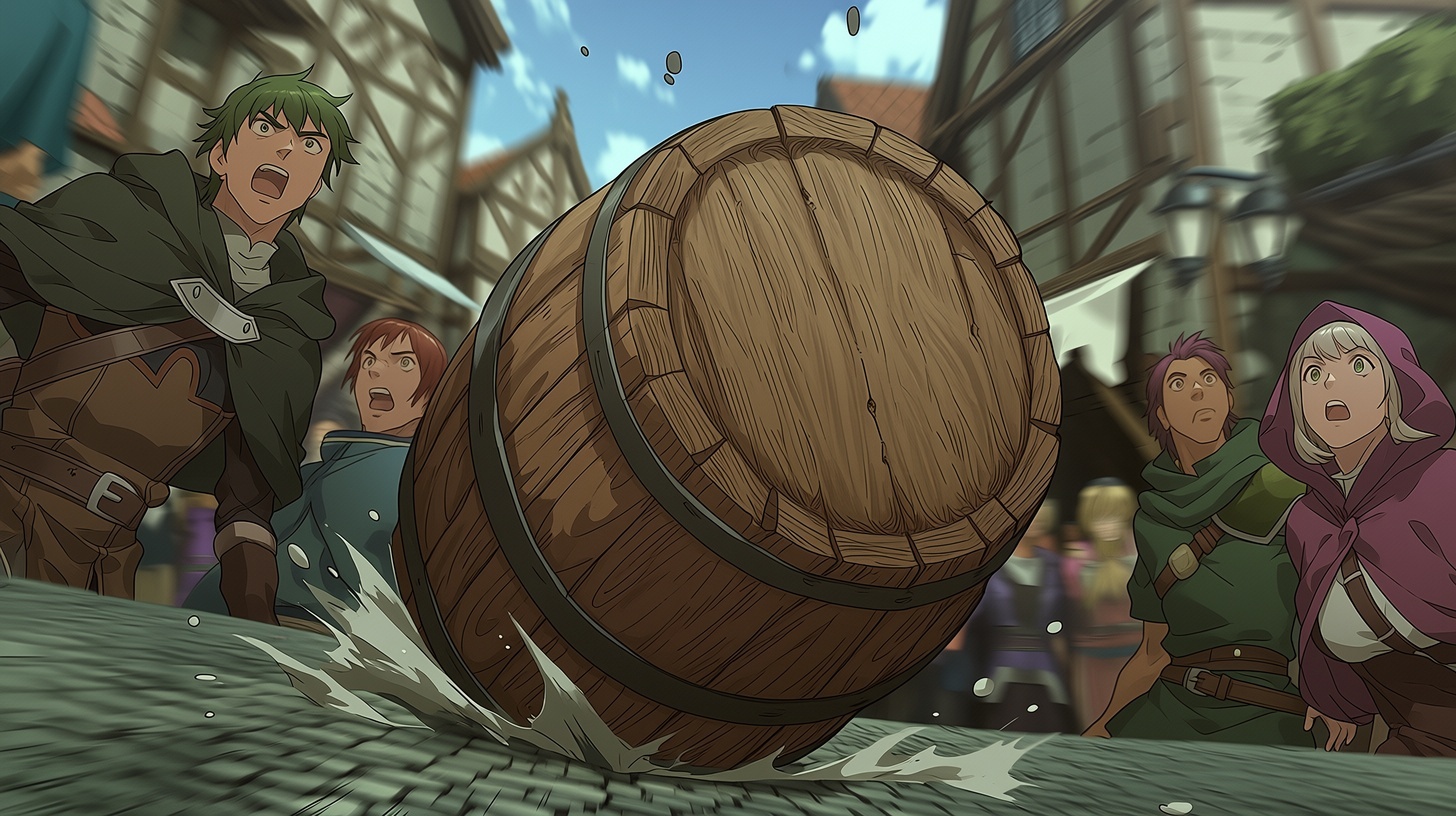
In practical use, Cushion Object is most often employed to prevent damage during transport, construction, or handling. Crates dropped from height bounce rather than break. Delicate instruments survive falls that would normally destroy them. In more specialized fields, the spell has been adapted into safety measures for workshops, warehouses, and even certain urban environments where accidents are frequent and costly.
However, the same qualities that make the spell useful also impose strict limitations. A softened object cannot reliably bear weight or maintain structural rigidity. Surfaces become unstable, tools lose their effectiveness, and weapons rendered under its influence are nearly useless. The spell does not weaken the material in the traditional sense, but it removes the very properties that make it dependable under stress.
This has led to occasional tactical use. Floors may be softened to disrupt footing. Barriers can be rendered ineffective without being destroyed. Weapons can be neutralized without disarming their wielder. Even so, such applications require timing and positioning, as the effect is temporary and highly specific.
Since the return of magic following the Shattering, spells like Cushion Object have become increasingly common. They reflect a shift in arcane practice away from raw destructive power and toward controlled, functional manipulation of the physical world. In a landscape where magic is no longer fully understood and often unpredictable, reliability has become as valuable as strength.
Among archaeomancers and modern arcane scholars, the spell is sometimes cited as an example of post Shattering innovation. It does not attempt to replicate the grand, reality bending feats of the old world. Instead, it works within the limits of what can be consistently controlled, producing results that are simple, repeatable, and dependable.
In that sense, Cushion Object represents a broader truth about the current age of magic. Power is no longer measured by how much force can be unleashed, but by how precisely that force can be managed.
“You can tell a good caster by what they choose not to break. Anyone can shatter stone. It takes restraint to leave it standing and still make it useless.”



Comments