


Cheat
How Many Aces Are In That Deck?
“The difference between a professional gambler and a professional cheat is that one hopes for a good hand. The other already knows what's coming.”
Every game has rules.
Every game also has people looking for ways around them.
Most gamblers convince themselves that chance is fair. They speak fondly about luck, probability, destiny, and fortune. They tell stories about miraculous victories and catastrophic losses. They celebrate improbable wins and curse impossible defeats. Entire industries thrive upon the belief that outcomes are determined by fate.
Professional cheats know better.
Not every game is fixed.
Enough of them are.
The Cheat occupies a peculiar place within gambling culture. They are neither ordinary player nor straightforward criminal. They exist in the gray space between skill and deception, where victory depends not merely upon understanding the game but understanding the people playing it. Cards, dice, wheels, tiles, and wagers are merely tools. The real contest occurs between observation and suspicion.
Most Cheats begin as gamblers.
Some start honestly. Others never intended to play fairly from the beginning. Regardless of origin, they quickly discover a simple truth. The easiest mark is not the foolish player. It is the confident one. People who believe they understand a game rarely expect someone else to be manipulating it. Pride creates opportunity.
The profession demands a surprisingly broad collection of talents.
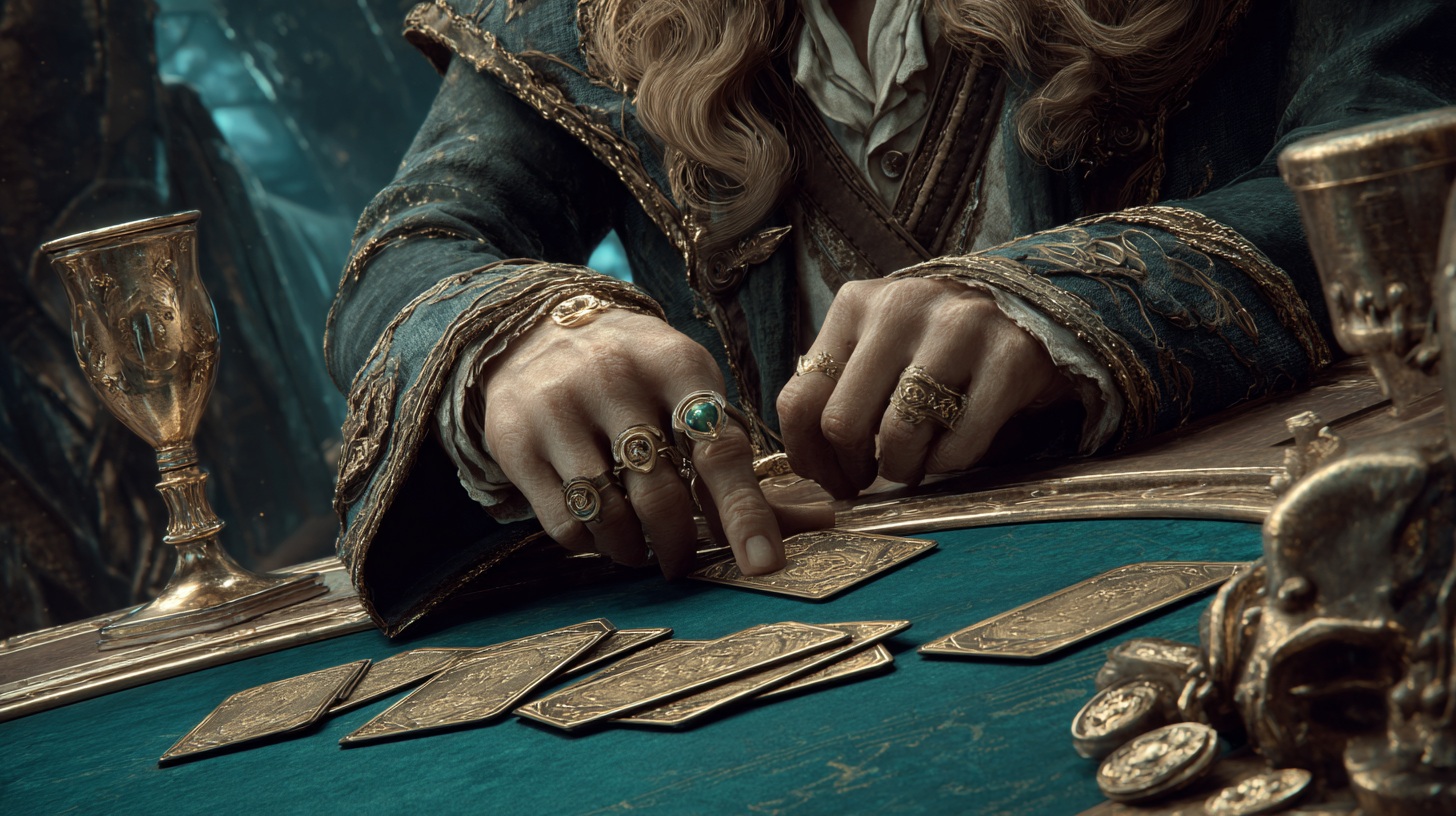
Sleight of hand is the most obvious. False shuffles, hidden cards, controlled dice, subtle signals, and countless other techniques require practice bordering on obsession. Yet manual dexterity alone is insufficient. A successful Cheat must also understand probability, psychology, timing, and social dynamics. Knowing how to manipulate a deck matters little if everyone is already watching your hands.
The greatest cheats are performers.
They cultivate reputations carefully. Some present themselves as harmless fools. Others become charming regulars who seem incapable of dishonesty. A few deliberately lose money for weeks before making a significant play. The goal is never simply to win. The goal is to avoid becoming memorable for the wrong reasons.
This requires patience.
The profession teaches its practitioners to study people as carefully as they study games. Every table develops patterns. Every gambler possesses habits. Some players become reckless after a victory. Others grow predictable when angry. Many reveal information through unconscious behavior. The Cheat learns to identify such weaknesses because exploiting human nature is often easier than manipulating the game itself.
Ironically, this expertise makes Cheats exceptionally good at recognizing one another.
A legitimate gambler may never notice a false shuffle. Another Cheat notices immediately. The subtle hesitation before a deal, the unnatural confidence, the slightly worn corner on a marked card, the impossible run of favorable outcomes. Years spent deceiving others create a deep appreciation for how deception actually works.
As a result, gambling establishments maintain complicated relationships with known Cheats.
On one hand, they represent a threat. On the other, they often help identify less skilled competitors. Many casinos, gaming halls, card rooms, and gambling dens quietly employ former cheats for exactly this reason. It takes one predator to recognize another.
The profession carries significant risks.
Most societies tolerate gambling more readily than fraud. Losing honestly is considered unfortunate. Losing to a cheat is considered insulting. People who discover they have been deceived rarely respond with philosophical detachment. Arguments begin. Fights follow. In particularly dangerous establishments, exposure can lead to consequences far more serious than embarrassment.
Experienced Cheats therefore cultivate escape plans with the same care they devote to cheating itself.
The profession also creates unusual perspectives regarding luck. Ordinary gamblers tend to believe fortune governs outcomes. Cheats become skeptical. They have seen too many supposedly miraculous victories created through preparation and technique. They understand how easily appearances can be manipulated. Consequently, many develop a habit of questioning events that others accept without examination.
Was it luck?
Was it skill?
Or was someone influencing the outcome?
Such questions become instinctive.
Despite the reputation attached to the profession, not all Cheats are motivated solely by greed. Some view the activity as a contest of skill. Others see it as performance art. A few genuinely enjoy proving that systems people trust are far more vulnerable than they appear. The best practitioners often care as much about getting away with it as they do about the money itself.
Perhaps that is what truly defines the Cheat.
Winning matters.
Profit matters.
But neither compares to the satisfaction of watching an entire table congratulate itself on a fair game while never realizing the outcome was decided long before the first card was dealt.
After all, anyone can win a game.
A Cheat wins the players.
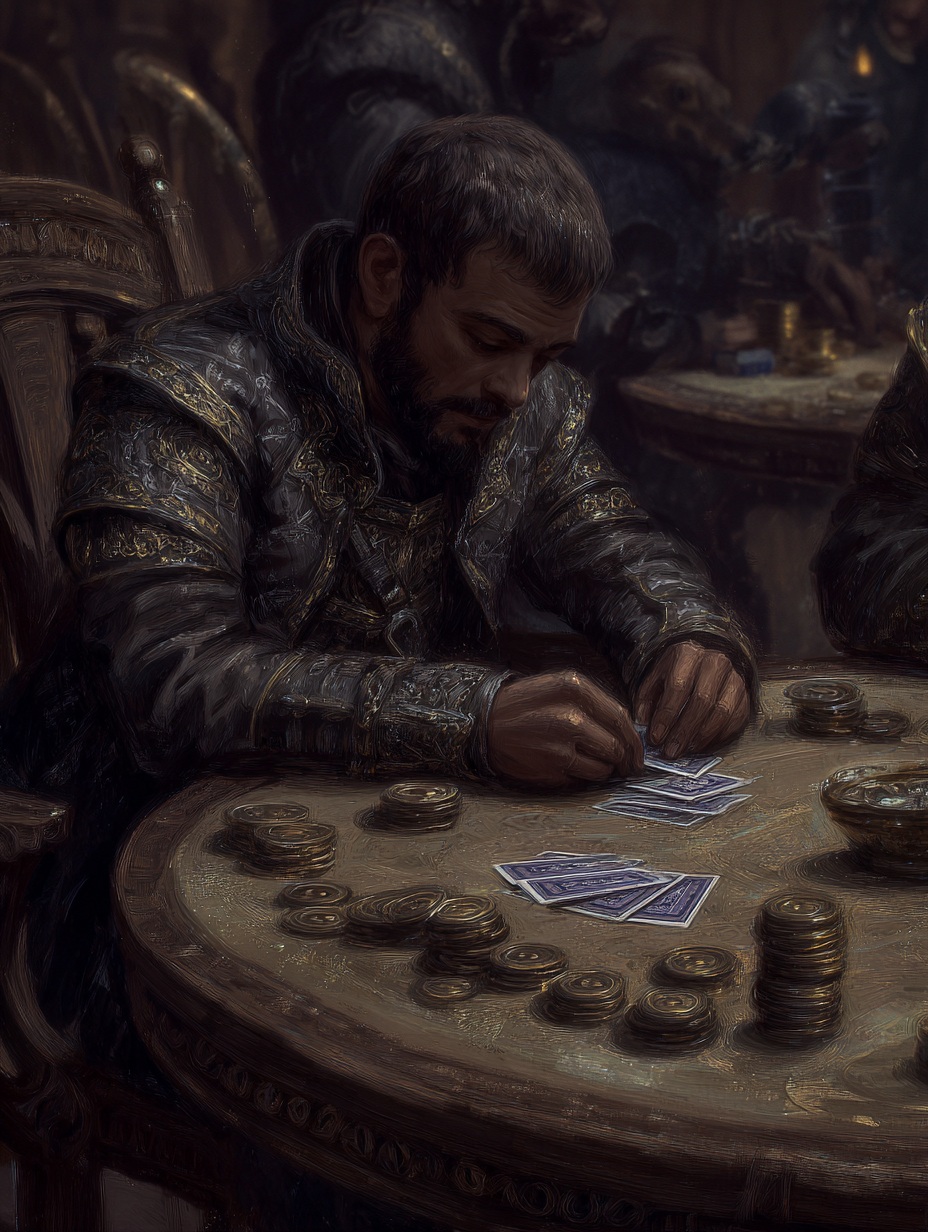
“If a man loses honestly, he blames luck. If he loses to a cheat, he blames the cheat. If he never realizes he was cheated, he comes back tomorrow with more money. That's what we call a repeat customer.”



I liked the connection you drew between being a cheat and being a skeptic of luck. I think is speaks of the way that people view life from the lens of their lived experience. Well balanced feat.
<3