


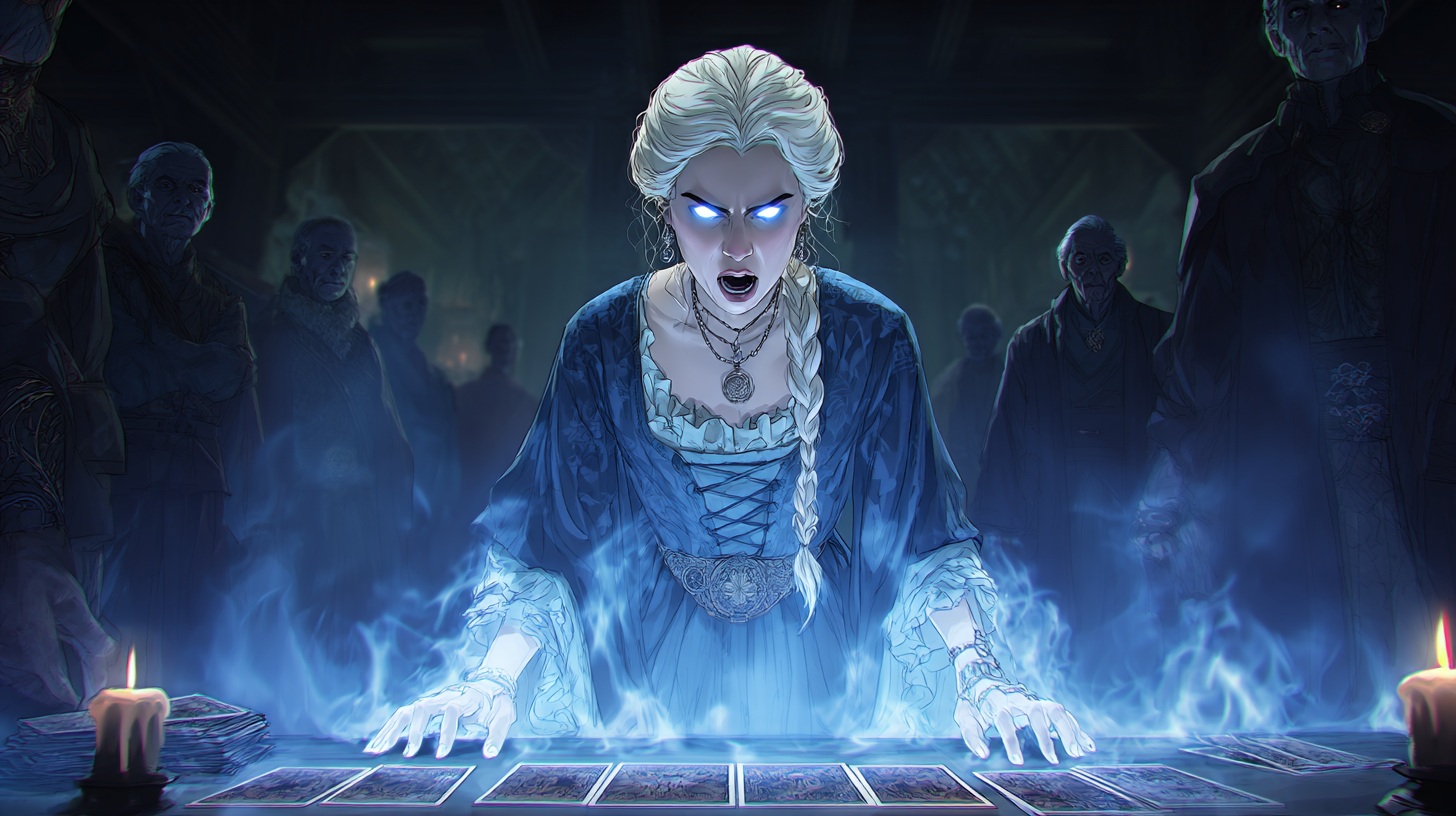
Charm Spirit
Tell Me Your Name!
“The spirit smiled through her mother’s face and asked why we feared it now, after all the nights we had begged it to stay.”
The living often misunderstand spirits.
Most imagine ghosts as simple monsters driven by rage or unfinished business, creatures to be banished, destroyed, or feared. Experienced occultists learn something more uncomfortable very quickly.
Many spirits are still people.
Confused people. Dead people. Broken people. Fragmented minds trapped between memory and instinct. But people nonetheless.
Charm Spirit was developed from this understanding.
Rather than forcing obedience through domination or pain, the spell temporarily calms and beguiles incorporeal undead and disembodied intelligences, convincing them the caster is trustworthy, familiar, and nonthreatening. The spirit remains fully aware and retains its personality, motives, and emotional state, but hostility softens beneath supernatural reassurance.
For many investigators, exorcists, and mediums, this distinction matters enormously.
A charmed spirit can still speak.
And frightened dead things often know important truths.
The spell functions only upon genuinely disembodied spiritual entities. Ghosts, lingering souls, possessing intelligences, hauntings, revenant consciousnesses, and similar incorporeal beings respond to the enchantment because they still possess emotional and psychological identity separate from natural spiritual ecosystems.
Nature spirits, guardian entities, elementals, and intrinsically bound supernatural intelligences remain unaffected.
Scholars believe this limitation reflects the spell’s emotional foundation. Charm Spirit manipulates personality, trust, and memory. Spirits that function more as natural forces than individual minds simply lack the psychological structure required for the enchantment to take hold.
The spell became especially important in haunted regions where direct confrontation often worsened manifestations catastrophically. Aggressive exorcism can provoke panic, rage, or violent retaliation from confused spirits already trapped in cycles of fear and obsession.
A calm conversation sometimes accomplishes far more than holy fire.
Bards often use the spell gently, particularly mediums, funeral singers, and wandering storytellers tasked with easing restless dead into peace. Certain mourning traditions even incorporate softened ritual versions during funerals to soothe distressed spirits lingering near their own deaths.
Warlocks, naturally, found darker uses quickly.
Occult conspirators discovered charmed possessing entities could become valuable informants. Bound ghosts guarding hidden vaults might reveal passwords. Haunting intelligences could be manipulated into overlooking trespassers. Some criminal groups reportedly maintain relationships with cooperative spirits charmed repeatedly over long periods.
This practice remains deeply controversial among ethical necromancers.
Many consider it exploitative bordering on abusive.
Importantly, the spell does not end possession already underway. A possessing spirit remains inside its host while charmed, creating situations simultaneously useful and deeply disturbing. Exorcists have held calm conversations with entities speaking through living mouths. Some possessions become temporarily peaceful enough for negotiation. Others simply become emotionally stranger.
Witnesses frequently describe possessed hosts smiling gently while apologizing for murders committed moments earlier.
The material component reflects ancient funerary traditions surrounding respect for the dead. Silver bells, burial coins, memorial tokens, and similar objects symbolize invitation rather than command. The spell works best when the caster approaches the spirit as consciousness deserving acknowledgment rather than infestation requiring destruction.
Several religions approve of the enchantment specifically because of this restraint.
Others condemn it entirely.
Certain priesthoods argue magically charming the dead violates sacred boundaries between mortal and spiritual existence regardless of intent. Some cultures believe spirits compelled into false trust experience profound betrayal once the spell ends and awareness returns.
They may not be wrong.
When the enchantment fades, the spirit understands fully that its emotions were influenced unnaturally. Reactions vary dramatically afterward. Some become furious. Others mournful. A few remain strangely grateful despite recognizing the manipulation.
Those responses often reveal more about the spirit’s humanity than the haunting itself ever did.
Among occult investigators, an old warning accompanies the spell consistently.
The dead are easier to calm than to deceive.
And they tend to remember both for a very long time.
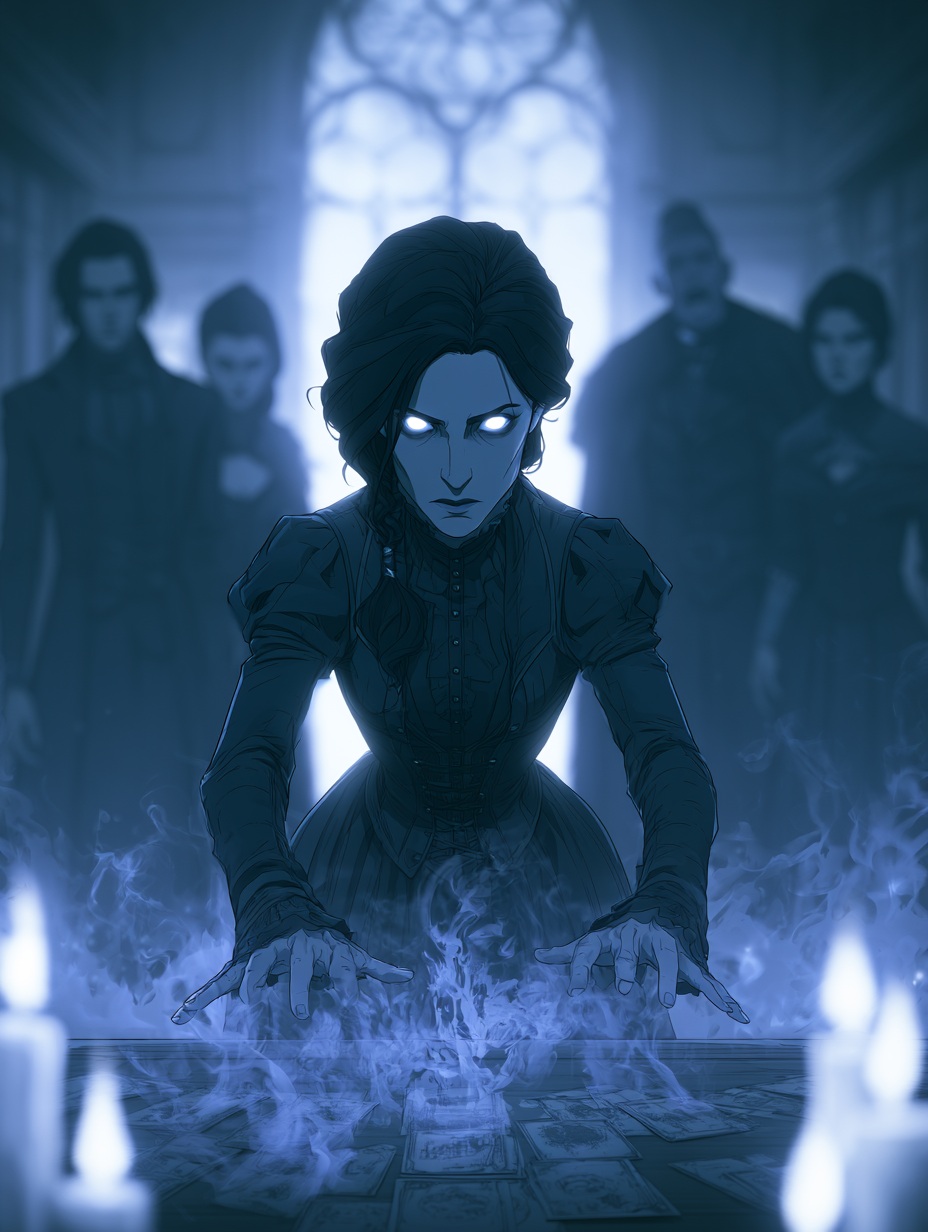
“It thanked us for speaking kindly to it, and only then did we understand the thing inside the child had been lonely all these years.”
Related Discipline
Level



Comments