


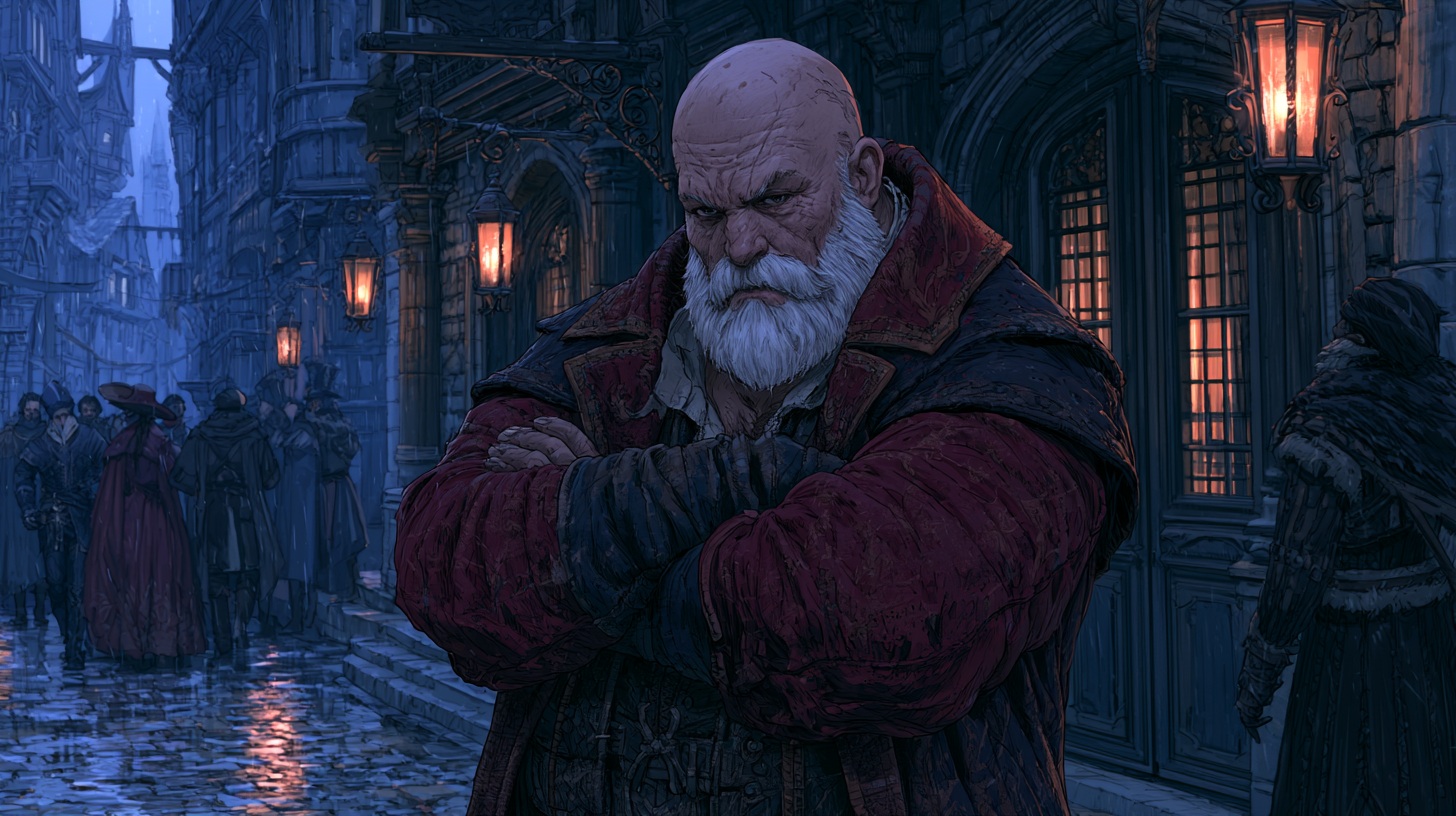
Bouncer

Sorry, Not On The List

“The loud ones never worried me. It was the fellow who spent ten minutes studying the room before he ever touched the door handle that kept my attention.”
— Mali Kussan, doorman of the Copper Crown
Most people think a bouncer's job is throwing people out.   Experienced bouncers know their real job is deciding who should never have been allowed in.   Every establishment has a purpose. Taverns exist to bring people together. Gambling halls exist to separate people from their money. Noble clubs exist to separate important people from unimportant ones. Guildhalls protect professional interests. Theaters gather crowds. Sanctuaries offer refuge. Private meeting places conceal conversations.   The details vary.   The challenge remains the same.   Someone must stand at the threshold and decide who belongs.   Years spent working doors teach lessons that few other professions provide. A bouncer develops the habit of evaluating people quickly. Clothing, posture, confidence, eye contact, companions, mannerisms, and countless other details combine to create impressions that must often be judged within seconds.   Most visitors are exactly what they appear to be.   The memorable ones rarely are.   Experience teaches that obvious trouble is usually manageable. Loud drunks announce themselves. Angry patrons advertise their intentions. Boastful troublemakers generally provide ample warning before causing problems. The individuals who concern experienced bouncers are often far more subtle.   The nervous courier carrying information meant for the wrong ears.   The jealous lover searching for a rival.   The criminal looking for an opportunity.   The investigator pretending not to investigate.   The assassin studying exits instead of conversation.   The most dangerous people often work hardest to appear ordinary.   This constant exposure to strangers creates an unusual understanding of communities. Bouncers learn quickly that every settlement contains layers of access and influence invisible to outsiders. Public authority matters, but private influence often matters more. Official invitations open some doors. Personal introductions open others. Reputation, trust, favors, family connections, and mutual obligations frequently determine who gains access to important people and places.   A door rarely belongs to the person standing beside it.   The real gatekeeper is usually someone else.   Because of this, many bouncers become skilled observers of social networks. They notice who arrives together. They notice who is welcomed warmly and who receives only polite tolerance. They learn which patrons carry influence despite lacking titles and which supposedly important individuals are treated with quiet contempt once they leave the room.   These observations often grant insights unavailable through official channels.   In lands scarred by the Shattering, such knowledge becomes especially valuable. Old institutions have fractured. New organizations have emerged. Communities frequently depend upon informal networks of trust more than formal systems of authority. Information moves through taverns, guildhalls, shrines, markets, and private gatherings long before it reaches official records.   Bouncers stand where those worlds meet.   They see merchants speaking with smugglers, nobles meeting adventurers, priests welcoming refugees, and criminals pretending to be respectable citizens. They witness connections that most people never notice because they are too busy looking at what happens inside.   The bouncer is watching the doorway.   Many eventually leave the profession behind, but few lose the habits it creates. Former bouncers continue to study rooms when they enter them. They notice exits automatically. They pay attention to unfamiliar faces. They develop strong instincts about who belongs, who does not, and who is pretending otherwise.   Those instincts are not always correct.   They are correct often enough to keep listening to them.   Most people remember the events that happen inside a building.   A bouncer remembers who walked through the door before they began.
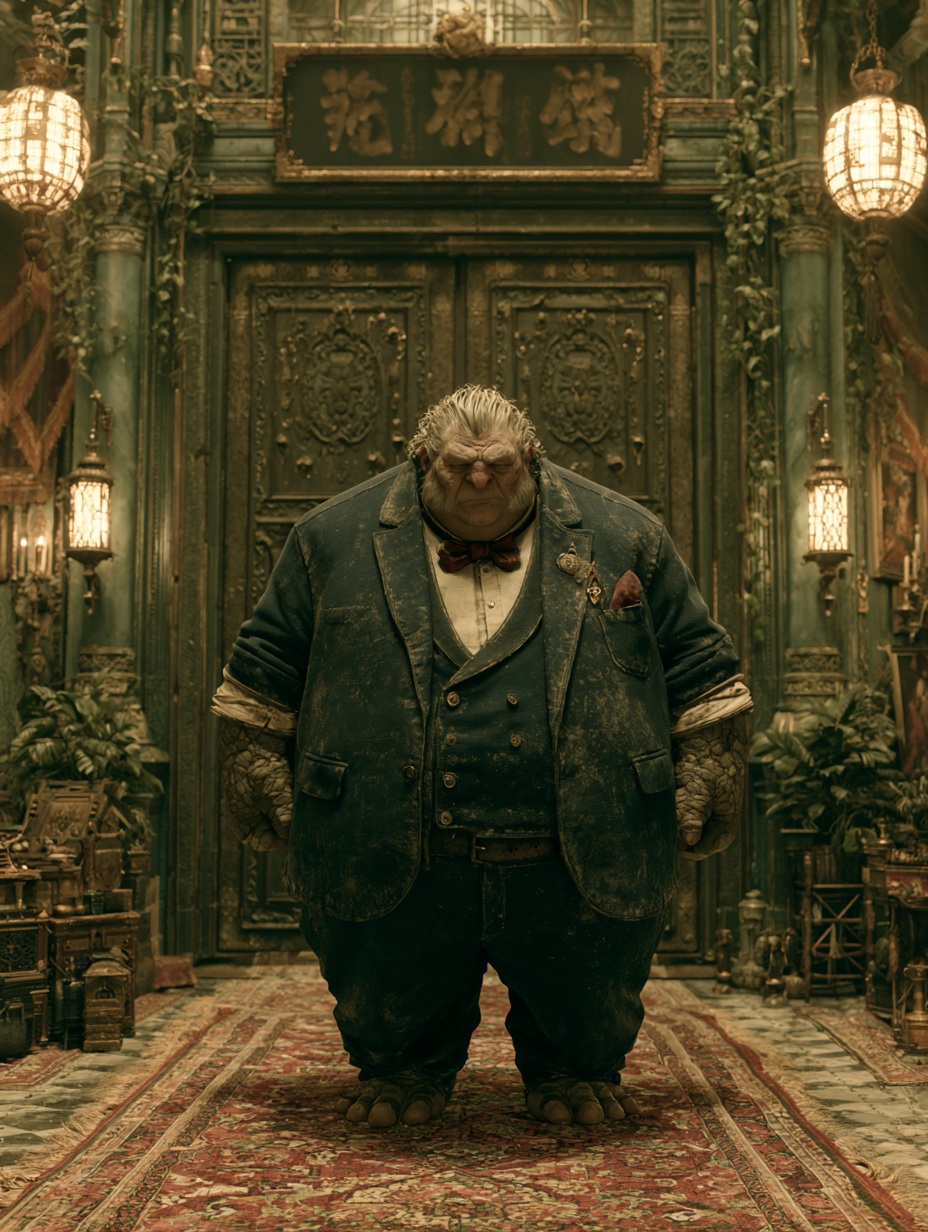
“A good bouncer learns three things. Who belongs. Who doesn't. And who is trying very hard to convince you they do.”
— Ardor Lockvale, former gatekeeper of the Velvet Hall
Type
Illicit

Bouncer

Overview:
Most people only notice trouble once it starts. You learned to spot it before it reaches the door. Taverns. Gambling halls. Fight pits. Guildhouses. Noble estates. Private clubs. Smuggler dens. The sorts of places where people gathered because they wanted something—and sometimes because they wanted something they weren't supposed to have. Your job was simple.   Decide who gets in.   Decide who stays out.   You learned that trouble rarely announces itself. The loud drunk and angry thug are easy enough to recognize. The dangerous ones are quieter. The nervous courier carrying a message he shouldn't. The jealous lover looking for a confrontation. The gang scout checking exits. The investigator pretending to be a customer. The assassin who already knows where everyone is sitting. Years spent guarding doors taught you that every place has rules, whether written or unspoken. Every establishment has regulars, outsiders, and people pretending to be one when they're really the other.   Most people watch what happens inside.   You learned to watch who is trying to enter.
Skill Proficiencies: Insight, Intimidation
Tool Proficiencies: Choose one: Gaming Set or Thieves' Tools
Languages: One of your choice
Equipment:
A sturdy cudgel, sap, or baton kept from your working days, a collection of tokens, invitations, passes, and markers from places you've protected, a small notebook containing names and observations, a set of sturdy clothes, and a pouch containing 10 gp.
Features:

Gatekeeper

Years spent controlling access to places have taught you how communities, organizations, and establishments regulate who belongs and who does not.   In most settlements, you can usually identify who controls access to important locations, organizations, events, social circles, or restricted areas, whether openly or through unofficial channels.   You can often determine the most likely way to gain entry to a restricted location, obtain an introduction to influential people, secure an invitation to a private gathering, or learn who must be persuaded, impressed, bribed, sponsored, trusted, or vouched for before access is granted.   You can also usually recognize individuals who appear out of place, are concealing their true purpose, are attempting to gain access under false pretenses, or seem uncertain whether they truly belong.   The DM determines what information is available and how it may be discovered.
Suggested Characteristics: Bouncers spend their lives evaluating strangers. Some become fiercely protective of the places under their care. Others become cynical after seeing what people are willing to do to get through certain doors.   Most develop strong instincts about belonging, access, and intent.

What Kind of Door Did You Guard?

d8Establishment
1A famous tavern frequented by adventurers, mercenaries, and fortune seekers.
2An exclusive noble club where secrets were traded as often as coin.
3A gambling hall connected to powerful criminal interests.
4A guildhall whose members protected their privileges fiercely.
5A fighting pit where tempers were as dangerous as weapons.
6A theater, festival ground, or entertainment venue that drew enormous crowds.
7A religious sanctuary visited by pilgrims, refugees, and supplicants.
8A place that officially did not exist, but everyone important knew where to find it.
Personality Trait:
d8Trait
1I instinctively size up every stranger I meet.
2I pay close attention to entrances, exits, and escape routes.
3I rarely forget a face.
4I trust my instincts about people more than their words.
5I remain calm when tempers rise around me.
6I enjoy learning who knows whom in any community.
7I prefer stopping problems before they become fights.
8I always want to know why someone is really here.
Ideal:
d6Ideal
1Order. Every place needs rules if people are to coexist peacefully. (Lawful)
2Responsibility. If I am protecting something, I take that duty seriously. (Good)
3Pragmatism. The rules matter less than keeping people safe. (Neutral)
4Loyalty. Places and people that trust me deserve my protection. (Any)
5Opportunity. Every door can open if you know the right person. (Chaotic)
6Judgment. A person's character is revealed by the doors they seek to enter. (Any)
Bond:
d6Bond
1I once allowed someone inside who caused a tragedy.
2Someone I barred from entry has never forgiven me.
3I know a dangerous secret because I saw who met behind closed doors.
4A former employer still calls upon me when matters become difficult.
5An establishment I protected was destroyed, and I intend to learn why.
6There is one place in the world whose doors I would defend with my life.
Flaw:
d6Flaw
1I am often suspicious of strangers without good reason.
2I can be overly protective of people and places under my care.
3I sometimes judge people too quickly.
4I find it difficult to trust authority figures who have never earned my respect.
5I believe my instincts are usually correct, even when they are not.
6I have a hard time ignoring trouble, even when it is not my responsibility.

Comments

Please Login in order to comment!
Powered by World Anvil