


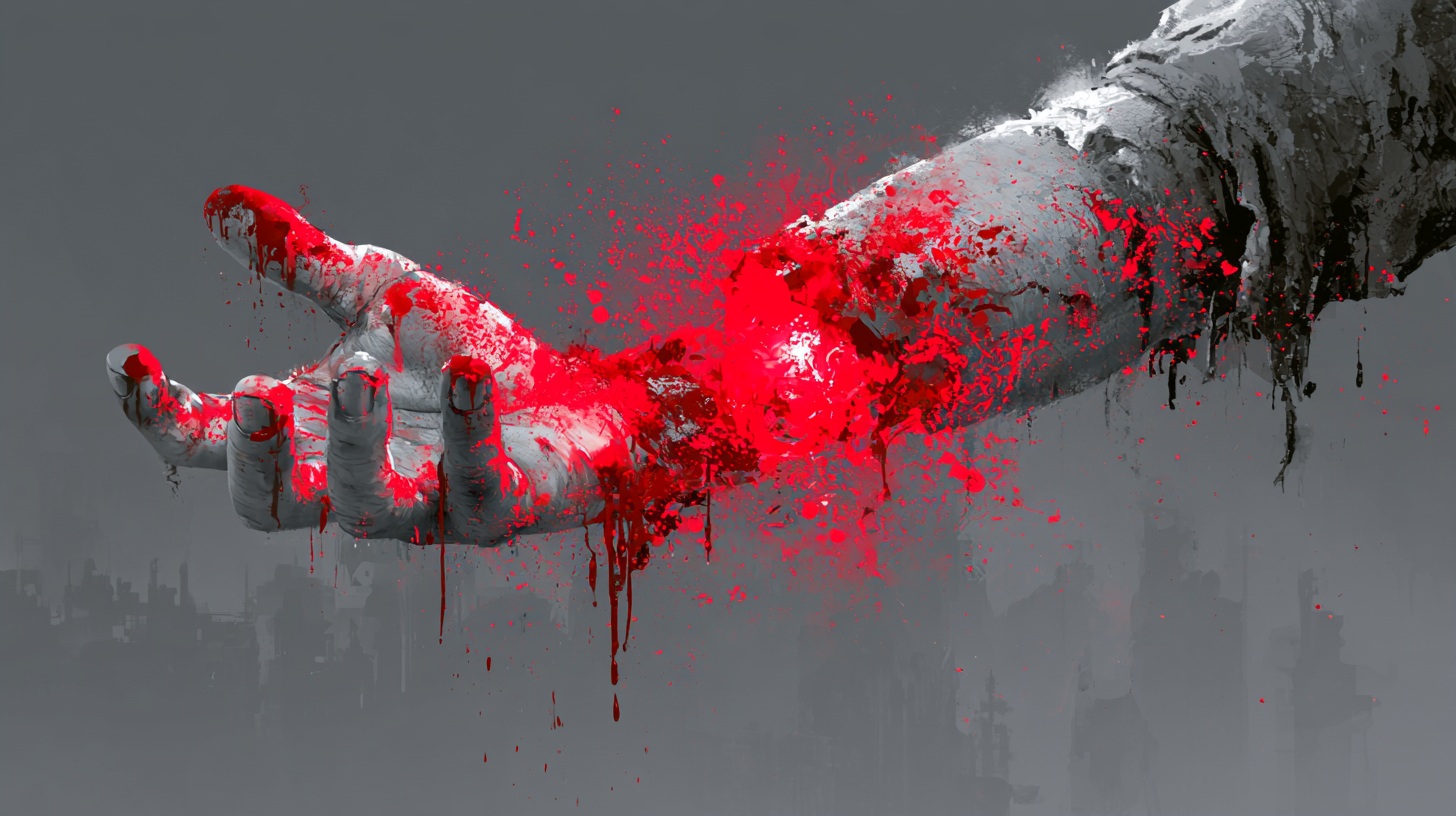
Autophagia
The Cruelest Hunger Is The One That Recognizes Its Own Flesh
“He begged us to tie his hands, then started using his teeth.”
Every living thing carries hunger somewhere within itself.
Ordinary hunger reaches outward toward the world. Meat. Bread. Blood. Survival. Autophagia twists that instinct inward until the body itself becomes the nearest thing the mind wishes to consume.
The spell infects its victim with overwhelming compulsive self devouring, forcing flesh to perceive itself simultaneously as body and sustenance. Under the enchantment, the creature tears at its own skin, bites into muscle, claws open wounds, and gnaws frantically at itself while remaining horrifyingly aware of every sensation involved.
Witnesses often describe the effect as profoundly difficult to watch for long.
Not because of the gore alone.
Because the victim behaves less like someone under external control and more like someone obeying unbearable instinct. The creature recognizes exactly what it is doing. That recognition changes nothing.
The spell’s name originates from obscure medical and occult terminology describing organisms consuming themselves during periods of catastrophic starvation or biological stress. Enchanters studying compulsive behavior adapted the concept magically, transforming survival instinct into self destructive obsession.
Most civilized magical academies banned further research almost immediately afterward.
Warlocks ignored the prohibition entirely.
The enchantment became especially feared among interrogators and terror practitioners because of its psychological impact. Victims frequently emerge traumatized long after physical wounds heal, carrying vivid memory of the hunger itself. Several survivors described the experience not as pain but as unbearable certainty that consuming their own flesh was somehow necessary.
That detail unsettles healers more than the injuries.
The spell’s physical effects are disturbingly varied depending on anatomy and psychology. Some victims bite chunks from their arms or hands. Others tear skin with fingernails compulsively while trembling in horror. Predatory creatures often become especially violent under the enchantment, attacking themselves with the same instinctive methods normally reserved for prey.
Despite this, the victim retains enough autonomy to act normally beyond the compulsive self mutilation. This partial agency creates terrifying scenes during combat. A warrior may continue swinging a sword while chewing through their own lip. A mage may cast spells while clawing open their throat. The body fights enemies while the mind devours itself simultaneously.
The inability to move willingly farther from the caster reflects another disturbing aspect of the enchantment.
The victim associates the source of the spell unconsciously with relief.
Not safety. Relief. The mind behaves like starving instinct circling desperately around the thing that awakened the hunger in the first place, as though proximity might somehow satisfy it.
This dynamic led several scholars to classify Autophagia among the cruelest forms of enchantment ever designed because it transforms survival instinct itself into torture.
Importantly, the spell stabilizes creatures reduced to unconsciousness rather than killing them outright. This feature is not merciful. Most enchanters believe it exists because death would terminate the compulsive cycle too quickly. The victim survives ruined and bleeding rather than escaping through final collapse.
Naturally, this gave the spell enormous notoriety among criminal organizations and forbidden magical circles.
Some underground fighting pits reportedly used weakened variants for spectacle before authorities shut them down violently. Certain cults interpret the spell symbolically, viewing self consumption as ultimate spiritual surrender or purification through suffering.
No reputable clergy agrees with them.
The material component, a bloodstained tooth wrapped in black thread, reflects the spell’s grotesque philosophy precisely. Hunger bound permanently to flesh. Consumption turned inward instead of outward.
Creatures lacking mouths or feeding anatomy remain immune because the enchantment depends fundamentally on instinctive recognition of eating behavior. Undead, constructs, and certain aberrations therefore resist the spell entirely, which has occasionally produced dark battlefield humor among necromancers.
Living soldiers scream and devour themselves.
The dead simply keep marching.
Most scholars who study the spell extensively eventually reach the same deeply uncomfortable conclusion.
The magic works not because the body wants to die.
But because hunger is older than reason.
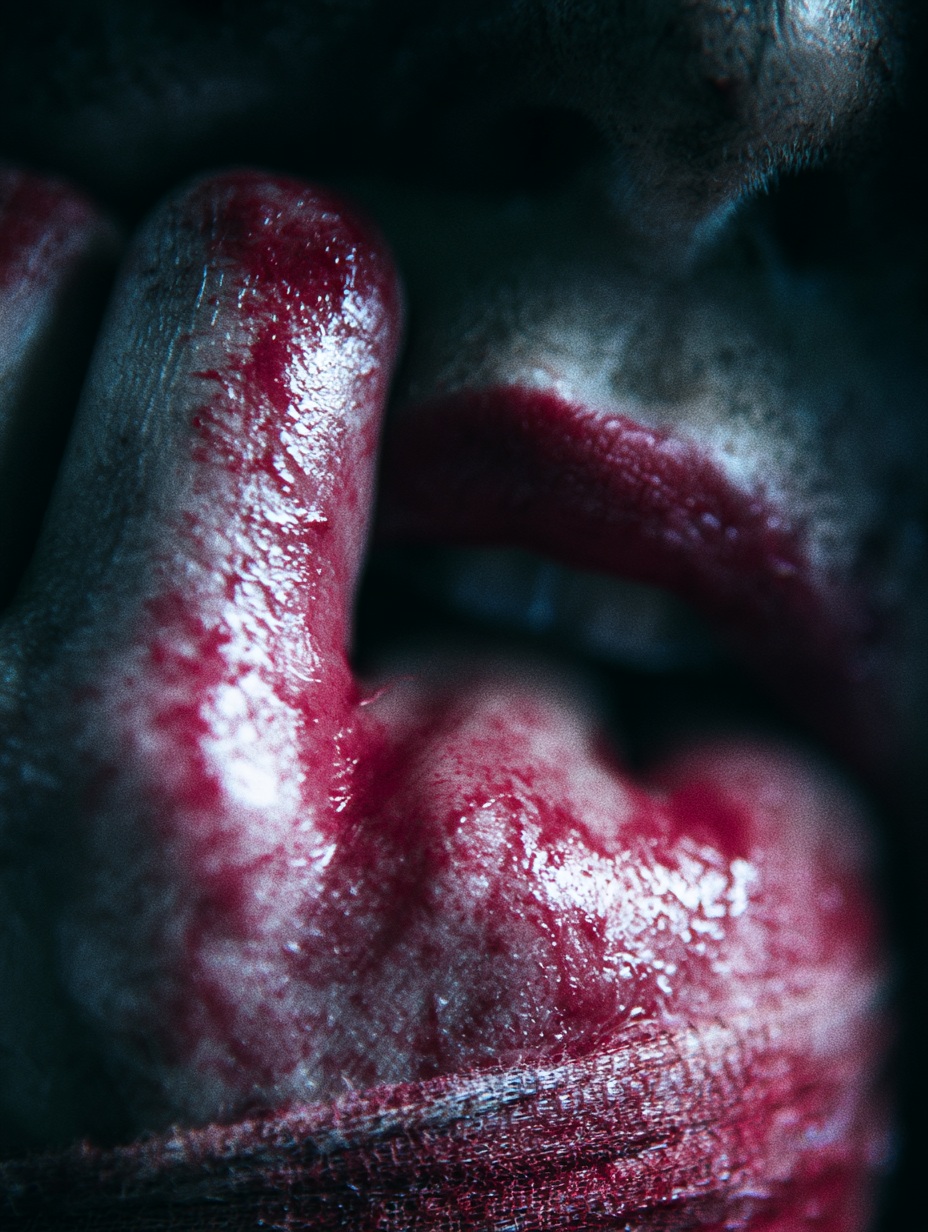
“There are torments that destroy the flesh and torments that betray the mind. This spell teaches the body to do both at once.”
Related Discipline
Level



Interesting spell, fairly well balanced my only point would be that is a lot of debuffs on one spell, its not overpower but it is er Dense. Still love the idea.
Still standing. Still scribbling. Still here.
The Last Home
Thanks! A few of these are bordering on proper diseases. I wasn't sure if I wanted this as a spell or some other sort of effect (this started out as a trap, oddly enough). It's a little dense, especially considering some of the other spells the gang has come up with.