


Adhesion
It's Stuck!
“Whoever enchanted the duke’s boots to the ballroom floor possessed either a wicked sense of humor or a profound understanding of politics.”
The spell was probably invented for construction.
That is no longer what most people use it for.
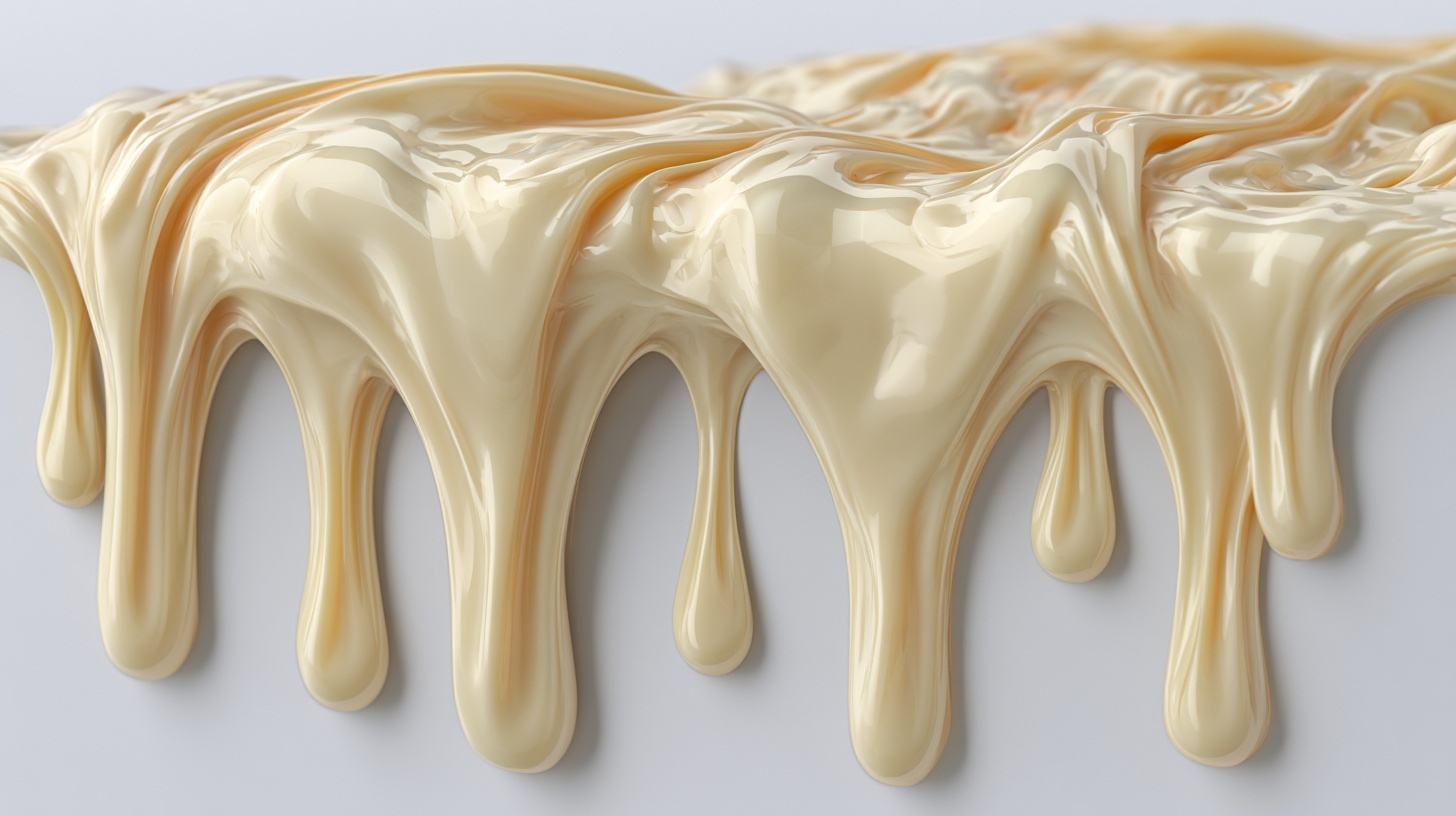
Adhesion temporarily binds two adjacent nonmagical objects together with supernatural force strong enough to resist pulling, twisting, prying, and ordinary separation. The magic itself remains invisible, though surfaces touched by the spell often develop faint glossy sheens or subtle tackiness noticeable only upon close inspection.
Once joined, the objects behave as though they genuinely belong together.
A door refuses to open because its frame has become one solid piece. A sword remains attached stubbornly to a table. Shackles fuse to stone flooring. A ladder stays fixed against a wall no matter how violently it shifts beneath climbing weight.
The enchantment’s simplicity made it one of the most widely adopted utility spells among artificers and practical mages almost immediately after its development. Unlike spectacular evocations or dangerous conjurations, Adhesion solves ordinary problems quietly and efficiently.
Carpenters use it during difficult assembly work. Sailors secure cargo during storms. Laborers stabilize dangerous structures temporarily. Explorers patch broken equipment in emergencies. Entire bridges have reportedly remained standing long enough for evacuation solely because someone kept crucial supports adhered together through panic and luck.
Naturally, criminals discovered the spell’s usefulness within days.
Locks jam shut permanently. Windows refuse to open during fires. Coins stick inside pockets. Boots attach to floorboards. One infamous thief adhered every sword inside a guard barracks to their scabbards before robbing an entire noble estate uninterrupted.
The guards reportedly found this experience humiliating.
Because the spell affects nonmagical objects directly rather than creatures, many people underestimate it initially. That usually changes the first time they discover something important suddenly refusing to move at all.
A sealed chest becomes functionally immovable if adhered properly to stone.
A wagon wheel fused briefly to pavement can cause catastrophic accidents.
A chair attached subtly to flooring during formal dinners has ruined careers.
Bards adore the spell for exactly this reason.
Practical jokes involving Adhesion became so common in certain universities and courts that several institutions eventually outlawed unsupervised casting entirely. Entire rivalries developed around increasingly elaborate adhesive sabotage involving wigs, silverware, chamber pots, doors, and occasionally livestock.
One academy reportedly lost an entire library staircase for three days.
Artificers remain the spell’s most creative practitioners. Combined with engineering knowledge, Adhesion becomes remarkably versatile. Temporary braces, emergency repairs, climbing aids, field fortifications, traps, and improvised restraints all become possible with sufficient imagination.
Sorcerers generally use the spell less elegantly.
Witness accounts involving panicked spontaneous castings often include phrases like “everything in the room became attached to everything else.”
The enchantment’s vulnerability to fire and complete submersion reflects the unstable transmutative lattice binding the objects together. Heat weakens the altered molecular tension rapidly while full water immersion disrupts the sympathetic surface bond sustaining the magic.
Wizards explain this at exhausting length whenever permitted.
Everyone else simply learns to carry oil or buckets.
The spell’s weight limitation prevents truly absurd applications, though ambitious mages consistently test the boundaries anyway. Stories circulate constantly regarding failed attempts to adhere ships to docks, prison gates to walls, or enemy armor directly to surrounding structures during battle.
Some attempts even succeeded briefly.
Architects and locksmiths quietly hate the spell because it bypasses many traditional assumptions regarding movement and mechanical function. A perfectly designed lock means very little if the door itself has been mystically glued shut instead.
Among adventurers, one truth regarding Adhesion has become nearly universal.
The spell is rarely impressive right before someone casts it.
Five minutes later it becomes everybody’s problem.
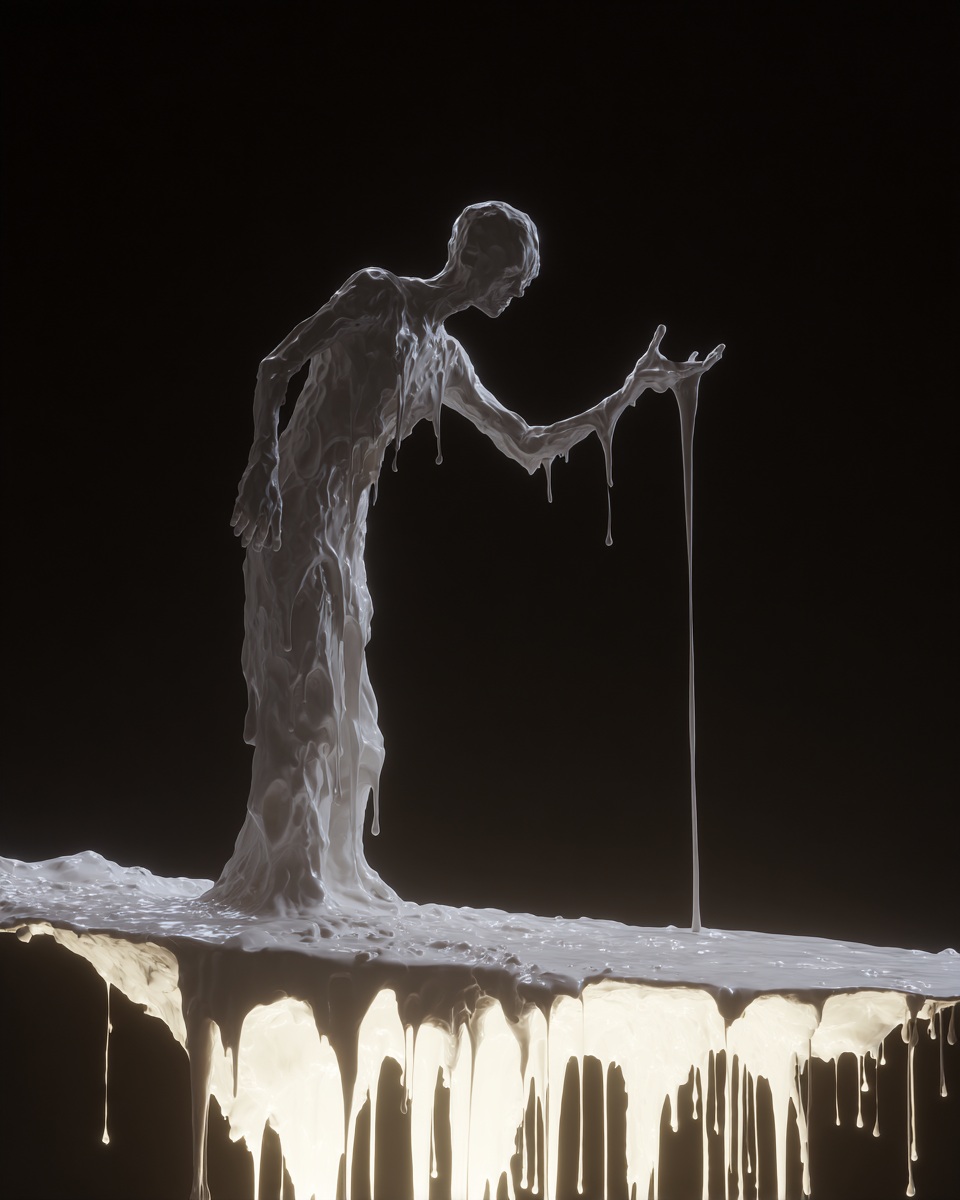
“The prisoner laughed when first the chains held fast. By dawn he had torn the skin from his wrists trying to persuade iron to remember mercy.”
Related Discipline
Level



Comments