
Ennean Archipelago
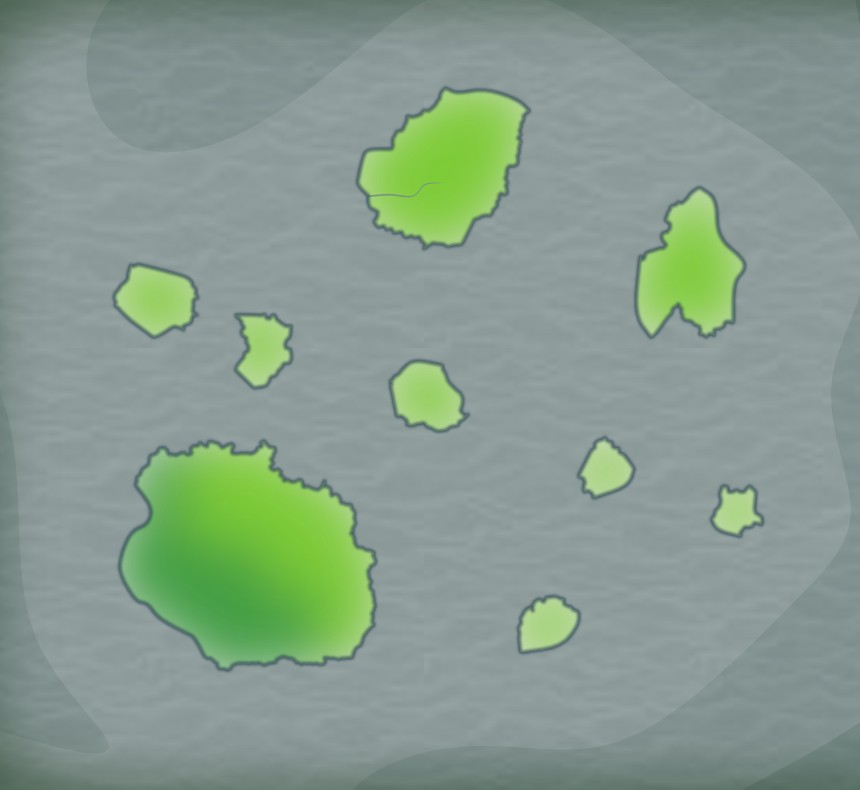
Nine sister islands make up the Ennean Archipelago. The united tribes of each island are known as the Isles of Ennea.
Geography
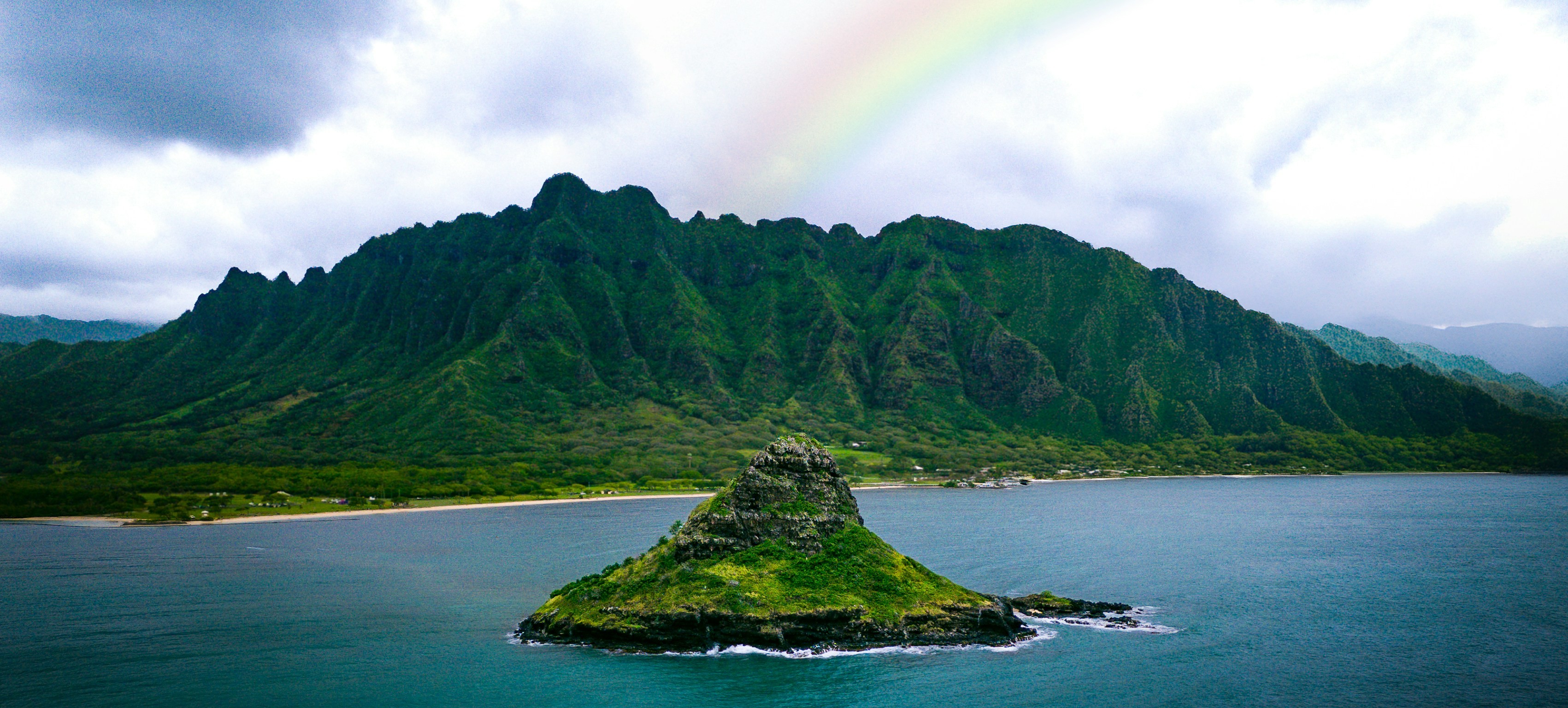
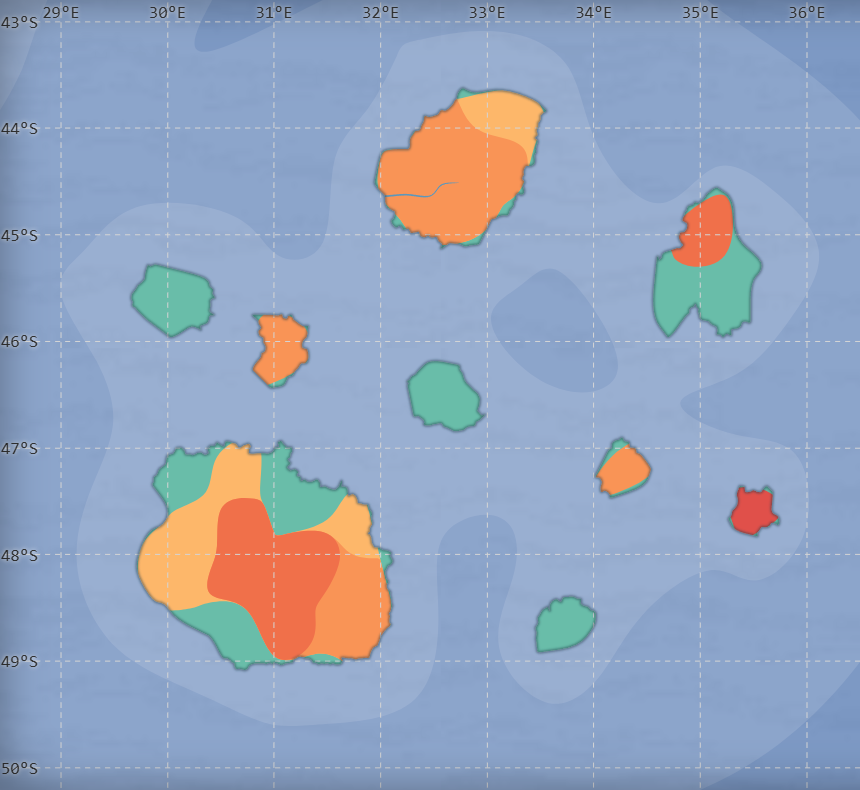
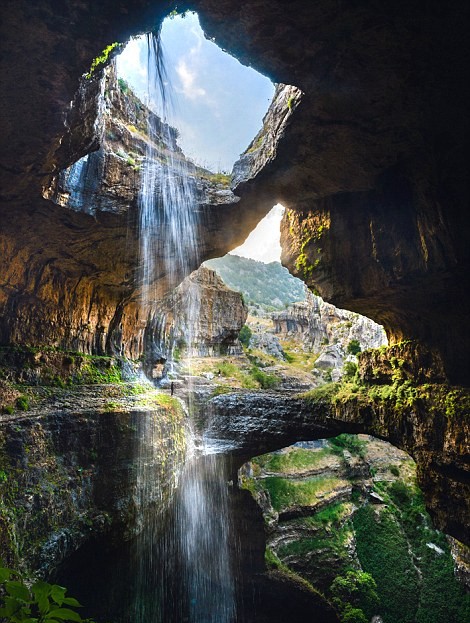
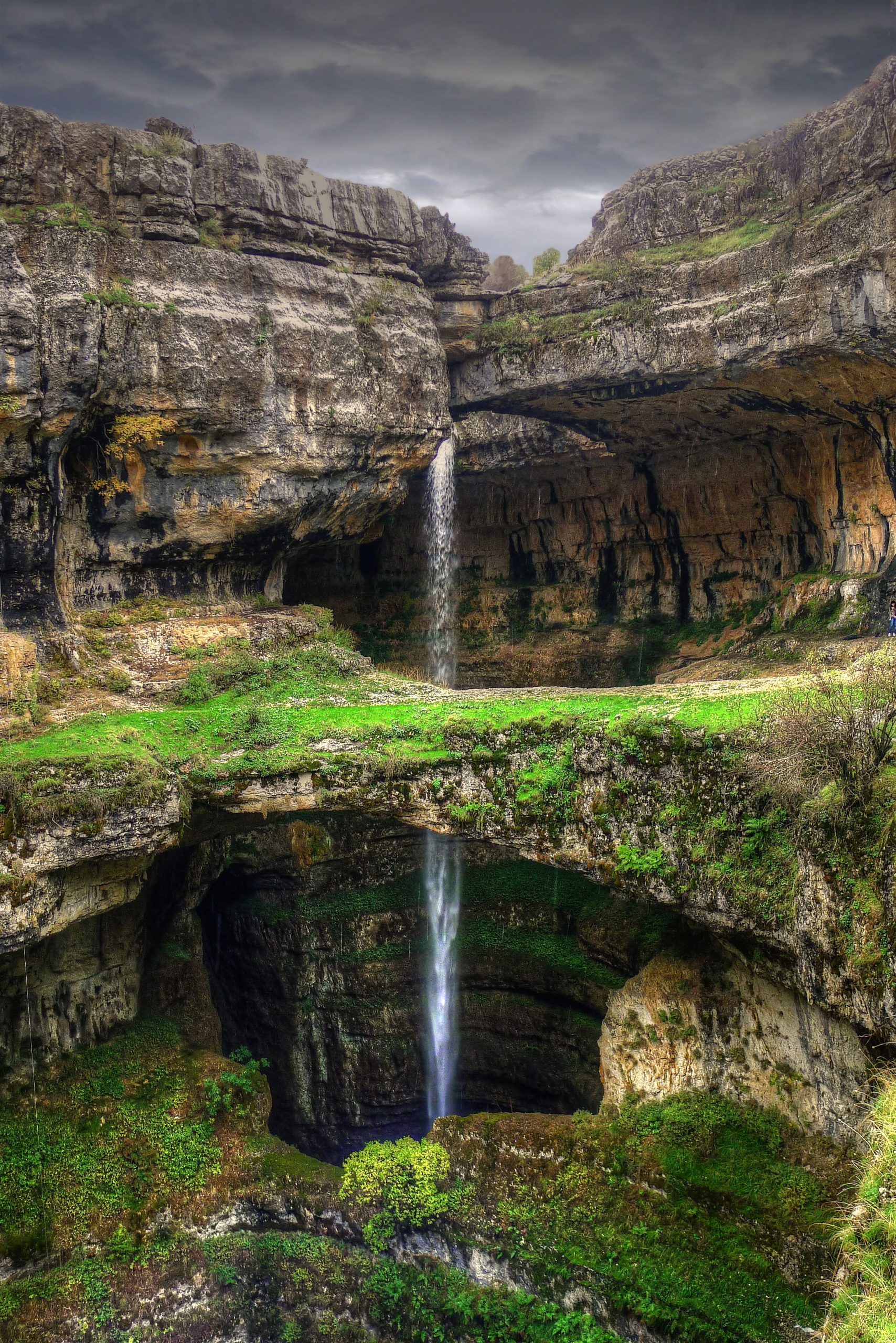
This archipelago is made of nine small islands in the middle of the eastern ocean. The islands soar above the ocean with tall mountainous peaks. Each island is covered in tall cliffs and littered with ever-flowing waterfalls.
While the islands are surrounded by the saltwater sea, native Enneans have access to plenty of fresh water from the waterfalls, streams, and natural springs on the land.
Ennea biomes map
Ennnea heightmap
Ecosystem
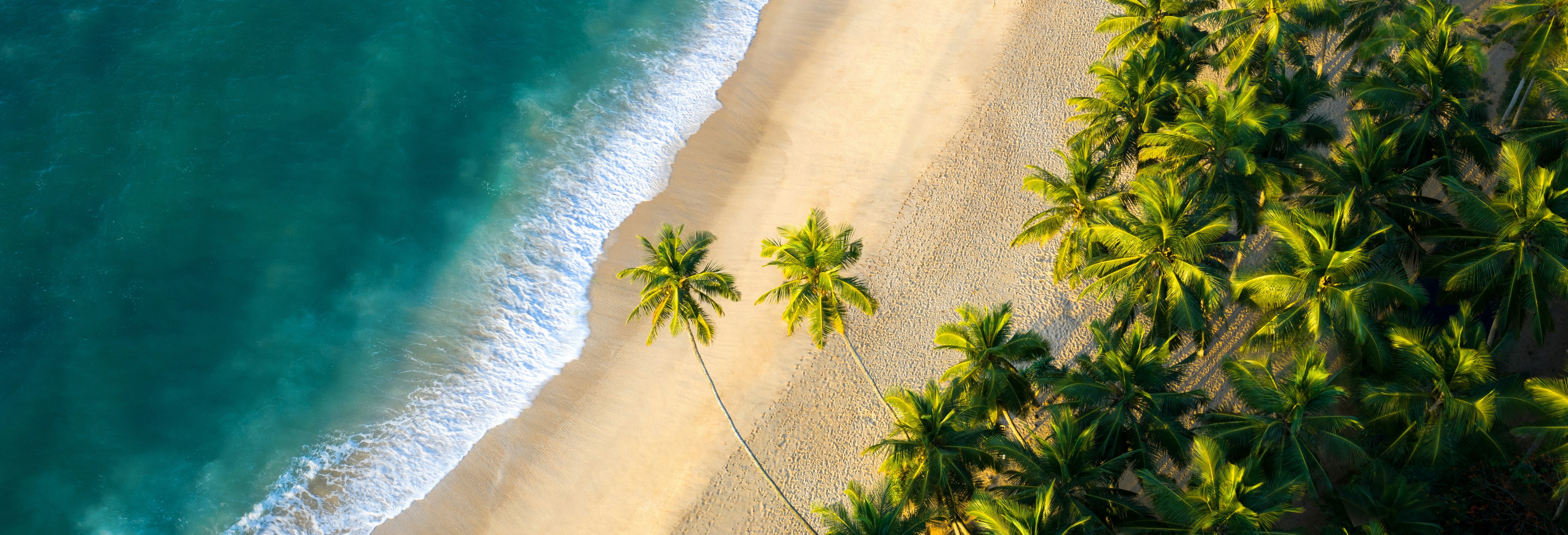
The lands of the islands are lush and full of tropical vegetation. Warm winds from the east and warm waters make the archipelago a beautiful home for a wide variety of plants, animals, and humans.
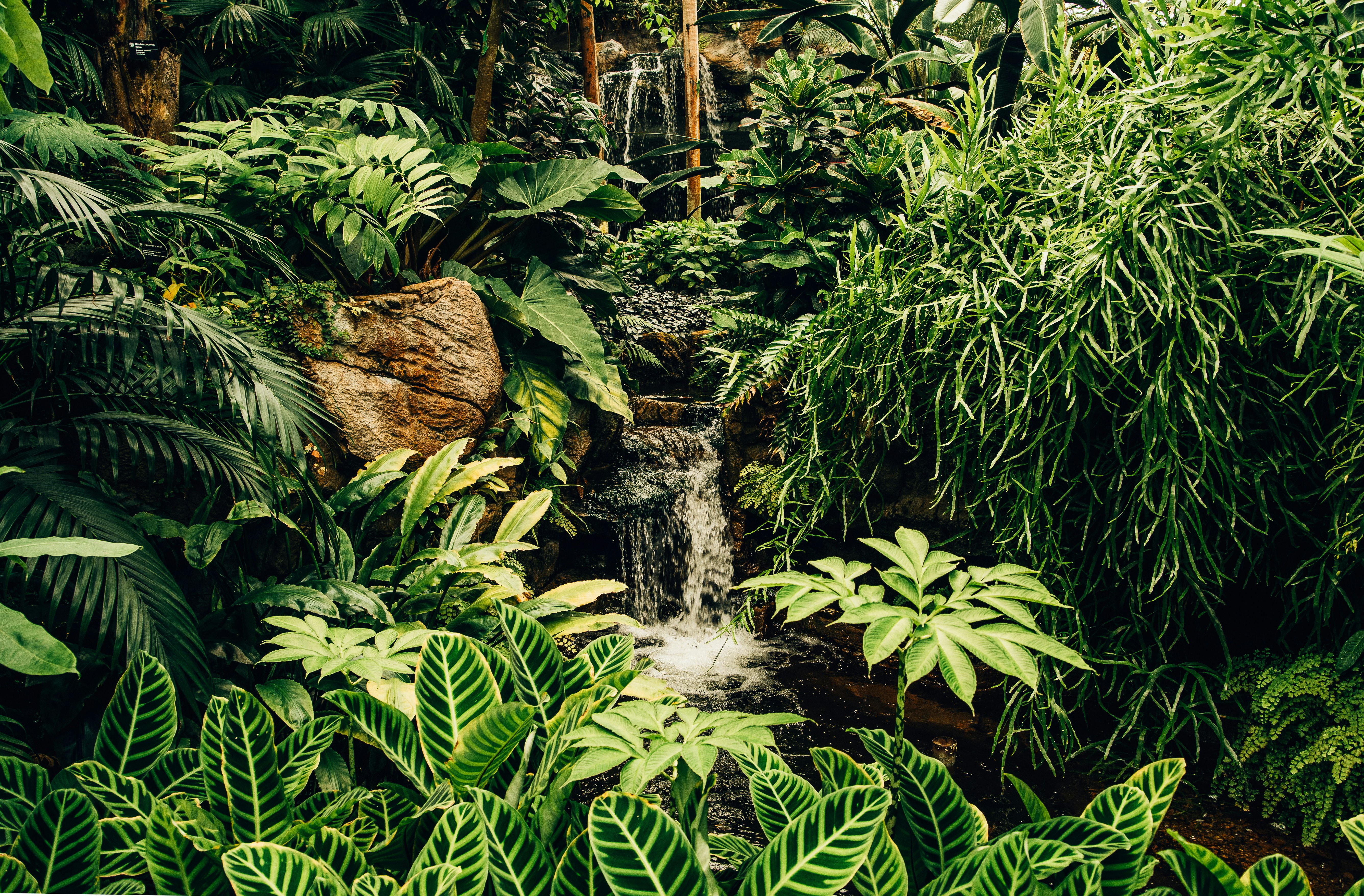
Ecosystem Cycles
The unique geography of the archipelago gives way to interesting seasonal changes unlike the nearby continents.
While other lands of Terra experience changing seasons with vast temperature changes throughout the year, the islands of Ennea keep a fairly consistent temperature, allowing plants and animals to thrive in a stable environment.
There are, however, differences in rainfall patterns. Spring and summer are known as the “rain seasons” bringing light showers nearly daily with occasional thunderstorms and at least one powerful tropical storm annually. Flora and fauna native to the region are well suited to the tropical climate and seasonal storms. Tree dwelling birds and animals instinctively reinforce their nests prior to the seasonal rains and larger land animals migrate to the western sides of the island to avoid eastern wind storms. Some aquatic species thrive best during the rainy season. Ennean natives often visit the wetlands and creeks during or soon after a shower to see the gorgeous Thunder blossoms in bloom.
Fauna & Flora
Due to the warm tropical climate, the islands host species not observed elsewhere in Terra.
Flora
Land-faring plants
- Towering pink palms - Ten-foot-tall palm trees with fanning pink palm leaves. The bark is tough and can be used to construct buildings and tools.
- Mirror algae - Reflective algae that grows on moist cave walls and cliff walls behind waterfalls. The algae grows thick and smooth, reflecting its surroundings like still water.
- Cliffthorns - Woody shrubs that solely grow on the clifftops and mountain peaks of Ennean islands. These shrubs are covered in large, thorny berries. The berries have a tough and thorny outer peel but are incredibly tender and sweet inner layers.
Water-faring plants
- Thunder blossom - Freshwater ferns that react to electric activity during thunderstorms. Their flowers only bloom during and directly after lightning strikes. Their blossoms close again about two hours after the last nearby lightning strike.
- Goldweeds - Long, flowing seaweed that grows on the sea floor in saltwater. When sunlight reaches the seafloor, the weeds glow and glitter like gold.
- Stone lilies - Large, doming lily pads that float on the surface of slow-moving streams. The lily pads are dull in color and resemble large river rocks. Stone lilies are very durable and can withstand the weight of small to medium-sized animals and human children, so they can be walked on like river rocks, allowing the animals to safely cross the stream.
- Moonglow specks - Bioluminescent algae that only grows on the eastern sides of the islands on rocks in salt water. The algae glows at night, making the eastern beaches and waters appear speckled in the moonlight.
Fauna
Sky-faring animals
- Mountain peak hawks - Large bird of prey with a large wingspan and unique fanned tail feathers. They nest at unusually high altitudes on mountain peaks and cliffsides. Mountain peak hawks can often be observed soaring high above the mountains, flying into the air currents, seemingly playing in the wind.
- Stitchersongs - Small brown songbirds with long, needle-like beaks. Stitchersongs sing a large variety of songs, their long beaks producing flute-like melodies. They also use their long beaks like needles to stitch leaves and vines together to create their nests in the tropical treetops.
- Midnight moths - Nocturnal flying insects with large black wings and the ability to create light in their abdomen. As they fly, they emit short bursts of light to attract mates. To humans, viewing the moths from below, they appear like flickering starlights.
Land-faring animals
- Masked tree cat - Small, semi-domesticated cats. Very friendly to humans, but still self-sufficient. Masked tree cats' coats can vary in pattern and color, but all have a mask-like pattern over their eyes and forehead. These cats will often perch and nap on tree branches.
- Green-eyed skink - Small brown lizards with a skinny cylindrical body, short legs, and a long flexible tail. They have distinct large bright green eyes.
- Shrieking shrub shrews - Small, light-brown shrews that build their burrows at the bases of bushes and shrubs. When the shrews are threatened, they emit loud, high-pitched shrieks as a defense mechanism.
Water-faring animals
- Blue dwarf turtles - Small sea turtles with blue shells and blue-green fins. Adult Blue dwarf turtles are only about 14 inches (35 cm) long from beak to tail. They live most of their lives in shallow coastal waters but migrate to deeper waters during rainy seasons to avoid damage from stronger storms.
- Bubble-blowing oysters - These freshwater shellfish live in shallow riverbeds and natural springs. They bury themselves in the sand or sediment, stirring the water and creating bubbles.
- Jumping rainbow dolphins - These dolphins are often seen jumping in the riptides and wakes between the islands in the archipelago. This species has unique patterns on its skin and can inherit unique colors and color combinations from its parents. Jumping rainbow dolphins come in as many colors as the setting sun.
Tourism
Since the 9100s, the Ennean people have had limited contact with the outside world, apart from a few strong alliances. When they choose to interact with people from the mainland, Enneans will travel to specific, trusted ports where they already have a rapport with the local merchants.
Scientific Tourism and Education
Enneans do have an agreement with scientists from esteemed universities to allow for limited and monitored scientific tourism. Botanists and marine biologists have a special interest in the unique species that exist in and around the archipelago and have a deep respect for the people and their islands. So long as the scientists are respectful of the people, the nature, and the land itself, they are welcomed and appreciated by the locals.
Enneans provide education for visiting scientists and students, as they are experts in sailing, cartography, biology, and other scientific fields.
- Enneans are skilled surveyors and mapmakers. They shared techniques with Louise Estealla during her first tour as she was creating the Louise Projection .
- Enneans draw incredibly detailed botanical drawings and teach botany students formulas for the best natural pigments and charcoals. They are known for their vibrant paints and pigments.
- One of the most important inventions to come from the region includes their advanced water filtration systems. Over generations, Enneans have perfected methods to filter water from various aquatic sources such as bogs, swamps, streams, and even saltwater oceans by neutralizing the salinity.
Human Settlements
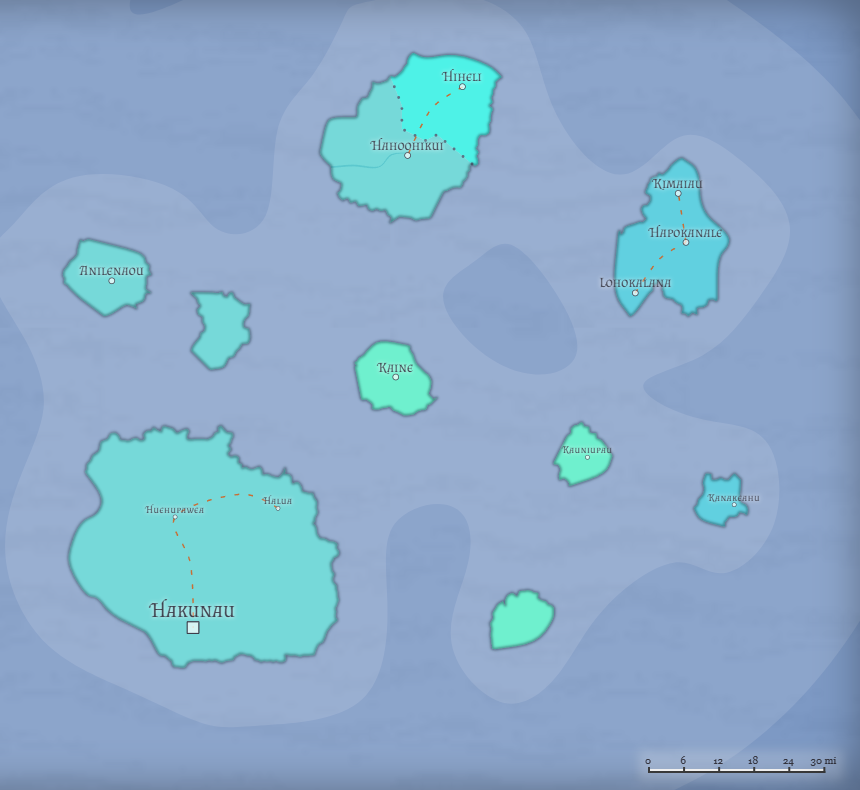
Ennea with Major cities and provinces

Comments