
School of Cat
The Cat is Master of Everything
Has you ever have wonder how to cat? School of cat are for you!
Founded in the earliest days of human–feline coexistence, the School of Cat is the premier academy dedicated to shaping kittens into loafers, mousers, sunbeam scholars, and agents of carefully calibrated chaos. Hidden from human eyes yet deeply entwined with human lives, it serves as the quiet backbone of feline culture. Here, each generation learns not only how to cat, but why their sacred duties of comfort, mischief, and companionship matter. From its hallowed scratching posts to its rigorous nap schedules, the School of Cat remains the beating heart of organized feline society.
Within feline communities, the school stands as the great equalizer—the place where kittens from every background learn the shared customs, instincts, and social codes that keep their species running like a well‑oiled purr machine. The unspoken rules of feline life are lovingly formalized into tradition: the etiquette of claiming any box regardless of size, the philosophy of selective affection as emotional regulation, the civic duty of nighttime hallway patrols, and the ancient balance between serenity and chaos that all cats must master. The school doesn’t simply teach skills; it preserves the cultural memory of catkind, ensuring each new generation inherits the instincts, rituals, and dignified nonsense that define what it means to be a cat.
Structure

All are welcome at School of Cat, no matter fur style, ear shape, eye color, or even tail floofiness. Cat are cat, always.
Though every kitten arrives with their own instincts, preferences, and strong opinions about where they should or should not be, the school follows a shared structure that helps them settle into academic life. This framework balances routine with freedom, giving even the most unpredictable students the grounding they need before beginning their formal studies.
Enrollment & Progression
Kittens must be fully weaned and demonstrate basic sand‑box competency before enrollment, which means most students begin their studies around eight to ten weeks of age. The first year is devoted entirely to General Feline Education (GFE) courses—a foundational curriculum designed to standardize essential instincts across wildly different kitten personalities. During this time, students learn the rhythms of communal life, adjust to structured nap rotations, and undergo their first supervised explorations of classroom environments.
During the final stretch of their first year, kittens who maintain satisfactory performance in their GFEs gain access to a wider range of recreational opportunities. Organizations such as Dramatics Club, Dust Boxing, and the "Meowlers" Show Choir provide structured outlets for socialization, confidence‑building, and the early development of leadership instincts.
Extracurricular Life at School of Cat
Only after completing the required GFEs do kittens earn the privilege of choosing a specialized path, entering either the Magnificence or Mischief track at the start of their second year. This division reflects a long‑standing belief within feline society that every cat must learn to balance two complementary forces: the instinct for composure and the instinct for disruption. By offering distinct avenues of study, the school ensures that each kitten can explore the temperament that comes most naturally to them while still contributing to the broader harmony of feline life.
The choice is considered a meaningful milestone, marking the moment when a young cat begins shaping the role they will eventually play in their community.
As students progress into their later years, they enjoy greater independence alongside increased responsibility. Third‑ and fourth‑year cats are often invited to participate in specialized opportunities such as supervised rooftop excursions, neighborhood observation walks, and short‑term “study‑abroad” placements in partner households to broaden their understanding of human–feline dynamics. Some take on mentorship roles with younger kittens, assisting instructors during nap rotations or helping first‑years navigate the complexities of communal spaces. Others pursue independent projects, from advanced stalking practicums to research on sunbeam migration patterns.
Many also choose to join leadership groups such as Student Meowncil, where they learn to advocate for their peers, negotiate communal resources, and contribute to the well‑being of the school as a whole.
Culture
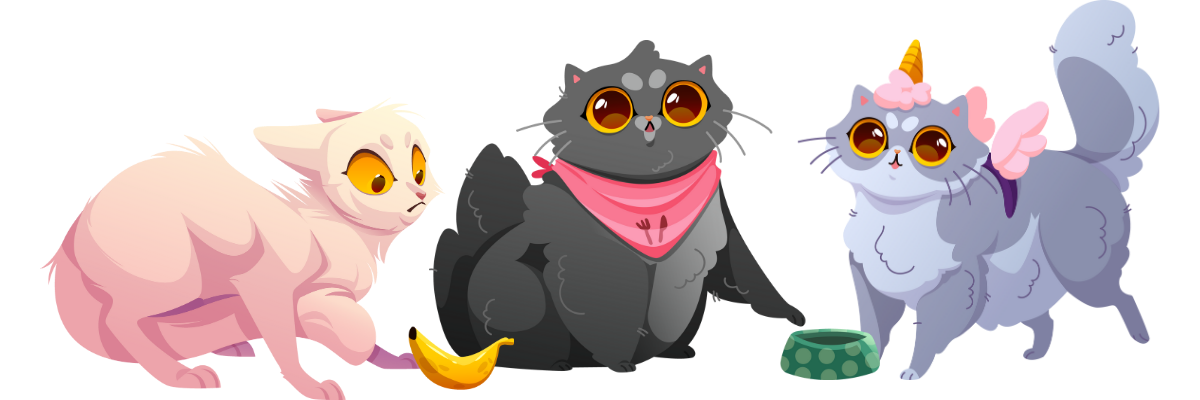
Kitteh are provided many fine opportunity for socialization and celebration at School of Cat.
Life at the School of Cat is shaped as much by tradition as by curriculum. Beyond the classrooms and corridors lies a vibrant cultural ecosystem where kittens learn the unwritten rules of feline society—the rhythms, rituals, and shared absurdities that bind them together. These customs give the school its distinctive character, turning everyday moments into communal experiences and transforming a simple education into a rite of belonging.
The school’s culture has evolved over generations, shaped by countless kittens who left their pawprints on its customs. Some traditions emerged from practical needs (such as coordinating nap rotations or establishing fair rules for sunbeam sharing) while others grew from spontaneous acts of collective mischief that proved too delightful to abandon.
Over time, these practices became part of the school’s identity, offering students a sense of continuity and connection. Whether participating in seasonal celebrations, joining long‑standing clubs, or observing quiet moments of reflection, every kitten contributes to the living tapestry of school life.
Graduation Ceremony: The Final Box Trial
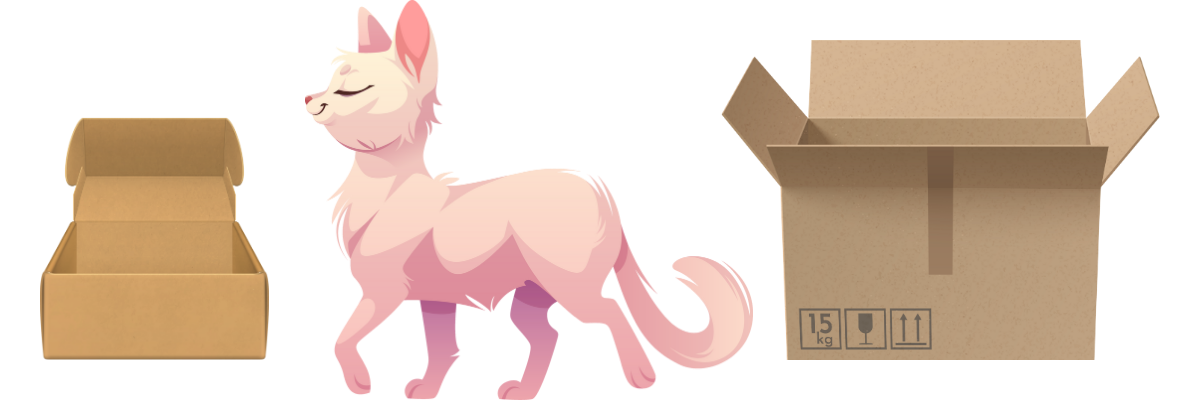
Graduation at the School of Cat is marked by the Final Box Trial, a ceremony that tests a student’s adaptability, dignity, and instinctive understanding of spatial paradox. Each fourth‑year cat is presented with a selection of boxes — some too small, some deceptively large, some with baffling flaps — and must choose the one that “feels correct.”
Faculty observe silently as the student navigates the challenge, demonstrating confidence, curiosity, and the ability to commit fully to an objectively questionable decision. Once the chosen box has been claimed, the student receives the Soft‑Paw Mark of graduation—a gentle touch to the forehead, offered in recognition and pride—accompanied by a chorus of approving trills.
Staff & Leadership
Faculty ratio at School of Cat are more good! Enjoy much devotion to education of YOU!
School of Cat is guided by a small but formidable cadre of feline educators whose methods are as inscrutable as they are effective. Lessons are delivered through pointed stares, strategic loafing, and the occasional demonstration of what not to do. Each instructor brings their own philosophy of catness to the curriculum, shaping young kittens through example, presence, and the ancient art of selective attention.

At the head of the institution sits Principaw Tiberius, whose silent authority and impeccable loaf form set the tone for the entire academy. Beneath his watchful gaze, faculty members like Mister Bones and Miss Tiramisu oversee their respective domains: gravity, chaos, performance, and the subtle sciences of being extremely dramatic for no reason. Their teachings may appear mysterious to outsiders, but within the school they are regarded as pillars of feline wisdom.
Together, this leadership ensures that every kitten receives not only instruction, but initiation into the deeper rhythms of feline life: when to leap, when to loaf, when to cause trouble, and when to pretend you have never seen that vase before in your life.
Legacy & Purpose
For all its sunbeams and silliness, the School of Cat ultimately prepares its students for something larger than play. It is the place where youthful impulses are shaped into instinct, where curiosity becomes discernment, and where each kitten begins to understand the quiet weight of being a cat in a world that never fully sees them.
Graduates carry more than techniques or traditions when they leave its halls. They carry the steadiness learned from long afternoons of watchful loafing, the boldness discovered in moonlit corridors, and the sense that their presence, soft and sovereign, leaves an imprint wherever they choose to settle. Whether they become guardians of thresholds, companions to humans, or wanderers of rooftops, each cat steps forward with a confidence born from knowing exactly who they are.
In this way, the School of Cat is less a place of learning than a rite of becoming—a passage from bright‑eyed chaos into the poised mystery of adulthood, told pawstep by pawstep across generations.

Felis Dominus Omnium
GFEs
- Stalking
- Pouncing
- Batting
- Chasing
- Napping
- Eating
- Inspecting
- Purring
- Bathing
Magnificience
- The Zen of Mousing
- Preening
- Sunny Spot Finding
- How to Be (In the Way, Always)
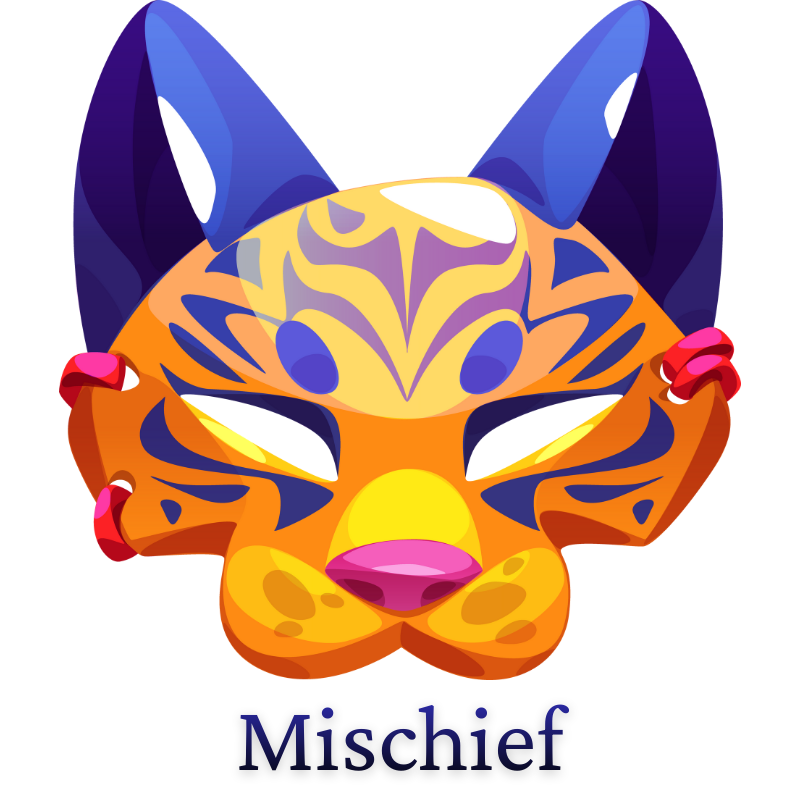
Mischief
- Shelves and Gravity
- Midnight Marathons
- Deconstructivist Art (Tooth & Claw)
- Laundry as Litterbox
Progression
Kitten GFEs: weaning - first birthday
Limited responsibilities
Limited privileges
High supervision
Kitten Track Learning: 1 - 2
Choose track
Magnificence
Mischief
More responsibilities
More privileges
More independence
Juvenile Track Learning: 2- 3
Continue track (expert)
Change track (rounded)
Student Leadership opportunities
Purr-fessorial Learning: 3-4
History
- 10,000-12,000 years ago: Cats begin their relationship with humans in the Fertile Crescent, attracted by the abundance of rodents around early agricultural settlements. School of Cat is founded to study humans and educate the feline population on sacred duties as objects of worship. Early curriculum includes Basic Divinity, Rodent Management I, and Advanced Staring.
- 7500 BCE: The oldest archaeological evidence of cats living with humans is found on Cyprus. School of Cat leadership claims this as proof of their “first successful foreign exchange program,” though records suggest the cats simply boarded a boat and refused to leave.
- 4000 BCE: Cats appear in Egyptian art, revered as protectors and representatives of Bastet. School of Cat establishes its first satellite campus in Memphis (the Egyptian one), specializing in Temple Etiquette and Graceful Reclining for Royalty.
- 2500 BCE: The Great Nap Standardization After centuries of debate, the School formalizes the Three Sacred Nap Positions: The Loaf, The Crescent, and The Full Sprawl. This remains one of the most stable parts of the curriculum.
- 500 BCE: Cats spread to Europe and Asia, often traveling on ships to control rodent populations. School of Cat launches its innovative Travel & Trade Program, teaching students how to charm sailors, commandeer hammocks, and maintain perfect balance on rolling decks.
- 200 CE: The Feline Philosophers' Schism Two factions emerge: The Pawtics, who belive cats should subtly influence human governance. The Purrists, who insist cats should remain aloof and mysterious. The schism ends when both sides get distracted by a sunbeam.
- Middle Ages: Cats become associated with witchcraft and superstition in Europe, leading to widespread persecution. School of Cat goes underground—literally—relocating to a network of secret basements, monasteries, and abandoned wine cellars. This era produces the legendary Shadow Curriculum, including Silent Pawfall and Evading Blame 101.
- 14th century: The Great Plague Vindication As rodent populations explode, humans suddenly realize cats are extremely useful. School of Cat issues a smug—but dignified!—statement titled We Told You So.
- 17th-18th centuries: Cats regain popularity in Europe as pets and pest controllers. School of Cat leadership engages in heavy lobbying, sending charismatic ambassadors to aristocratic households. This period also sees the rise of the Courtly Paw, a refined greeting gesture still taught today.
- 19th century: The first cat shows are held, and selective breeding begins. School of Cat students protest the objectification of feline bodies. The protests escalate into the infamous Fish Market Riot of 1872, which ultimately changes nothing but becomes a beloved student legend.
- Early 20th century: The Modernization Reforms The school updates its curriculum to include: Human Psychology for Beginners, Furniture Destruction Theory, The Science of Knocking Things Off Tables. This era also introduces the controversial Laser Pointer Studies Department.
- Late 20th century: Cats become global cultural icons. School of Cat establishes the Department of Media Studies, teaching students how to maximize charm on film, manipulate lighting for dramatic effect, and maintain an air of mystery during interviews.
- 21st century: Cats dominate the internet, becoming viral sensations and beloved companions worldwide. School of Cat launches the Digital Mischief Initiative, training students in meme generation, keyboard interference, and strategic Zoom disruption.
- 2020s: The Remote Learning Era During global lockdowns, the school briefly experiments with remote classes. Attendance is abysmal. Most students simply sit on their humans' laptops.
- Present Day: School of Cat remains hidden but influential, shaping feline culture, mentoring generations of kittens, and ensuring that cats everywhere maintain their rightful place as adored, inscrutable household deities.











This is unbelievably cute ^^ (I wish I was a cat now)
Thank you! And if I'm being honest...me, too! LOL
Haly, the Moonlight Bard
Author. Worldbuilder. Miscreant. Malcontent. Punk.