
Ice Drops
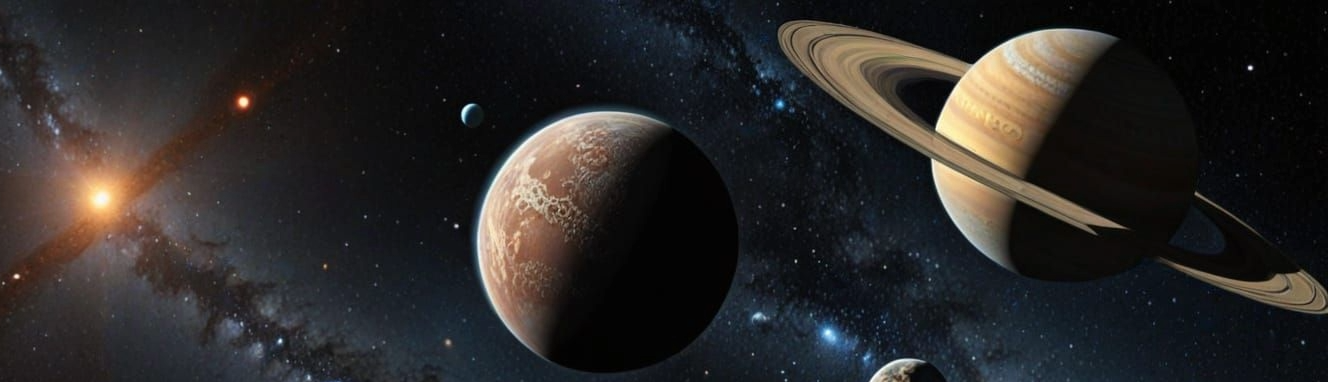
Within the binary Pavat system, orbiting the smaller red dwarf B, the eyeball world designated C was found to have life within it's terminator zone. At a distance of 0.13 astronomical units with a year of a mere 28 days it was remarkable that a complex plant would be found that bore edible fruit. The day side of B-c has temperatures which soar to over 80C, while the night side plunges well below freezing. The average global temperature resides at 12C due to the high velocity winds which carry the super heated air from the sun side to the cold night side allowing for the ice and snow to melt and run towards the bright side only to evaporate and continue the cycle of endless wind.
The ice drops grow in a band of the terminal zone, closer to the sun side, that is perpetual clouded with fog and mist under a pale ruddy sky lit by a sliver of sun on the horizon. Ice drops survive and thrive by having wide jet black leaves to absorb almost a hundred percent of the red and infra-red light of the star. A deep expansive taproot system which spreads out to hold the plant down against the persistant high winds. The ice drop grows close to the ground like an earthly kudzu vine always moving towards the limited light of it's sun.
An ice drop is about the same size of a large terrestrial grapefruit. Removing and peeling back the outer skin reveals a cluster of tightly packed, gelatinous black pearls which are the edible part. The fruit is extremely sweet with a sharp metalic aftertaste from the high mineral content washed from the glaciated regions. An unanticiapated aspect of the ice drops is that it contains a high amount of natural alcohols and sugars. The first spacers landing on the planet surface, instead of conducting proper tests to ensure there were no toxins or allergens skipped straight to seeing if the ice drops could be fremented and a potable alcoholic beverage produced.
The spacers would open the fruit to harvest in insides. Then crush the fruit which produced a think neon purple syrup. The natural alcohols allowed for frementation at relatively low temperatures. Various experiments yielded differing alcohol content depending on how close the ice drops were growing towards the sun side. The resulting vintages have a taste ranging from a spiced plum to a sour cherry. The alcohol content ranges from a low six percent to a so far brewed forty seven percent alcohol.
The ice drops and beverages derived are a staple export for the handful of colonists that live on Pavat B-c.

Comments