
Vohdelon
Bitter are the nights, but bright are the sparks we weave to stay warm.The vohdelon is a carved tool, usually crafted from stone or treated wood, that is used in the traditional dwarven hobby of vohdelin - known more frequently in international circles as "flame engraving". Common across the southern reaches of Iskaldhal where wood is plentiful, vohdeling has a history spanning generations, and the forms that vohdelon have taken are many.
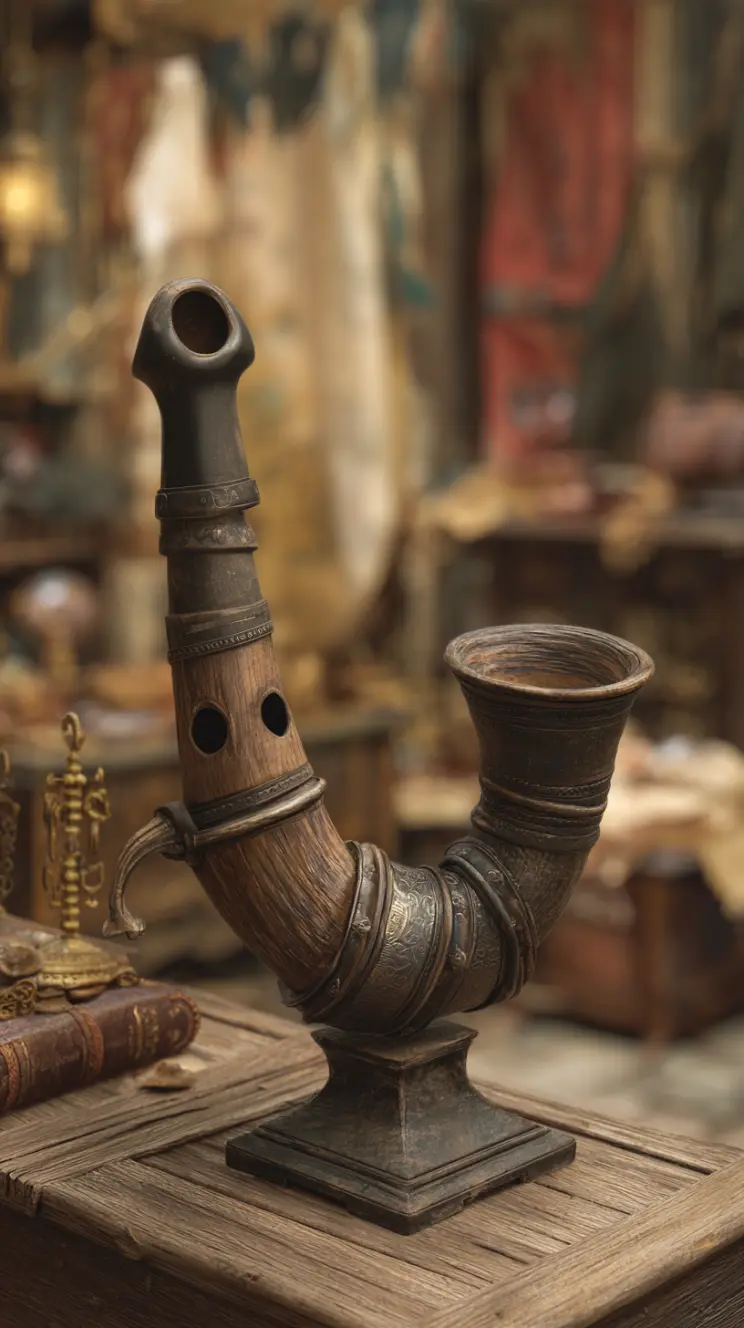
Instrument of Flame by Hanhula (via Midjourney)
Though currently popular in Gildómar due to a current rise in the use of traditional art forms, vohdelons require more precision to carve into the exact shapes necessary for finely-tuned vohdeling, and as such, are fairly scarce.
Tool makers have traditionally focused on broader appeal or easier construction: chisels are easy for a metalworker to craft by comparison, and stonemasons typically profit more from commissioned statuework or traditional masonry. Woodworkers, too, are usually far too busy with more regular tooling and weaponry, especially in times of war when their swift precision is needed for military machinery.
This lands the vohdelon in an interesting place in the market, wherein few have the talent to supply vohdelon of appropriate quality to those interested in practicing this traditional art. While whittling a basic vohdelon out of wood and then treating it to prevent accidents is an easy enough task, these simple productions will only serve for simple art pieces.
In Fyrneistur, the famed jeweller Emgeir Belthauroz - whose flagship store in the Gildbridge district of Gildómar is renowned for causing significant traffic issues during the unveiling of new collections - has begun an official collaboration with the nearby Dhorikhaz Memorial Club to create a limited number of vohdelin pieces using vohdelons crafted by the veterans supported by the organisation. These pieces will commemorate losses during the recent Gildón conflicts, and proceeds will be donated in majority to the further support of veterans.
There are still plenty of uses for the quickly-made vohdelons carved by beginners, however. A favourite of rebellious teen dwarves is to practice vohdeling while smoking, inflicting tobacco-scented "art pieces" across stone walls and often incriminating themselves by crudely scrawling their names across landscapes. It isn't uncommon to see the less-travelled streets of Bukhgirin faintly smoking with the lingering remnants of a new piece of vohdelin - often found next to an abandoned vohdelon dropped in haste.
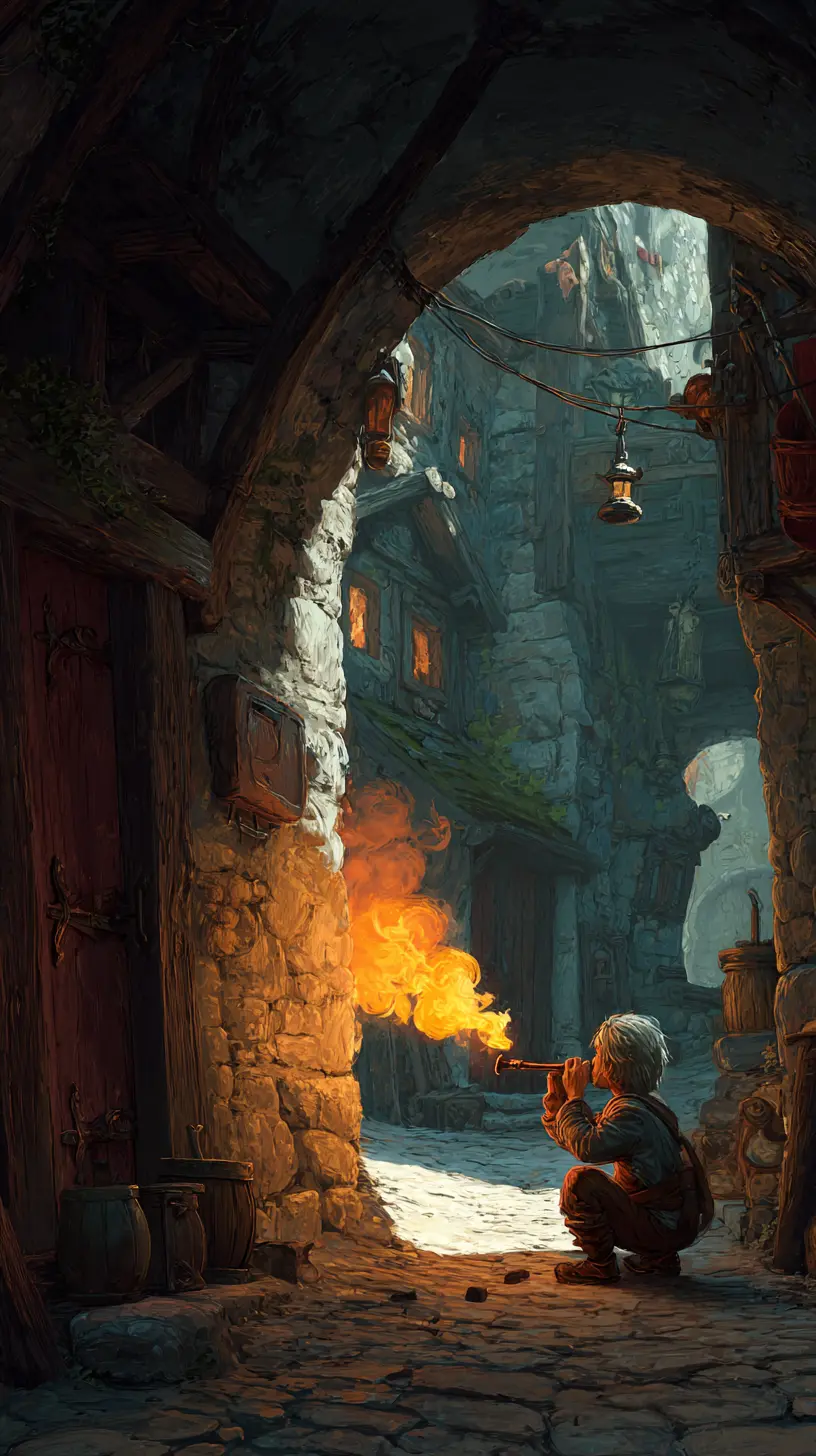
Vandal by Hanhula (via Midjourney)
Mechanics & Inner Workings
It's like a flute, lad. You aim it carefully, make sure the right holes are covered, and blow the flame through it.A vohdelon is typically made in a curved, flutelike shape with holes that may be closed (by wearing thick leather gloves) to shape the direction of the flame. Partway down the vessel, a small hollow chamber holds fuel, which is to be lit through the same holes that one may close.
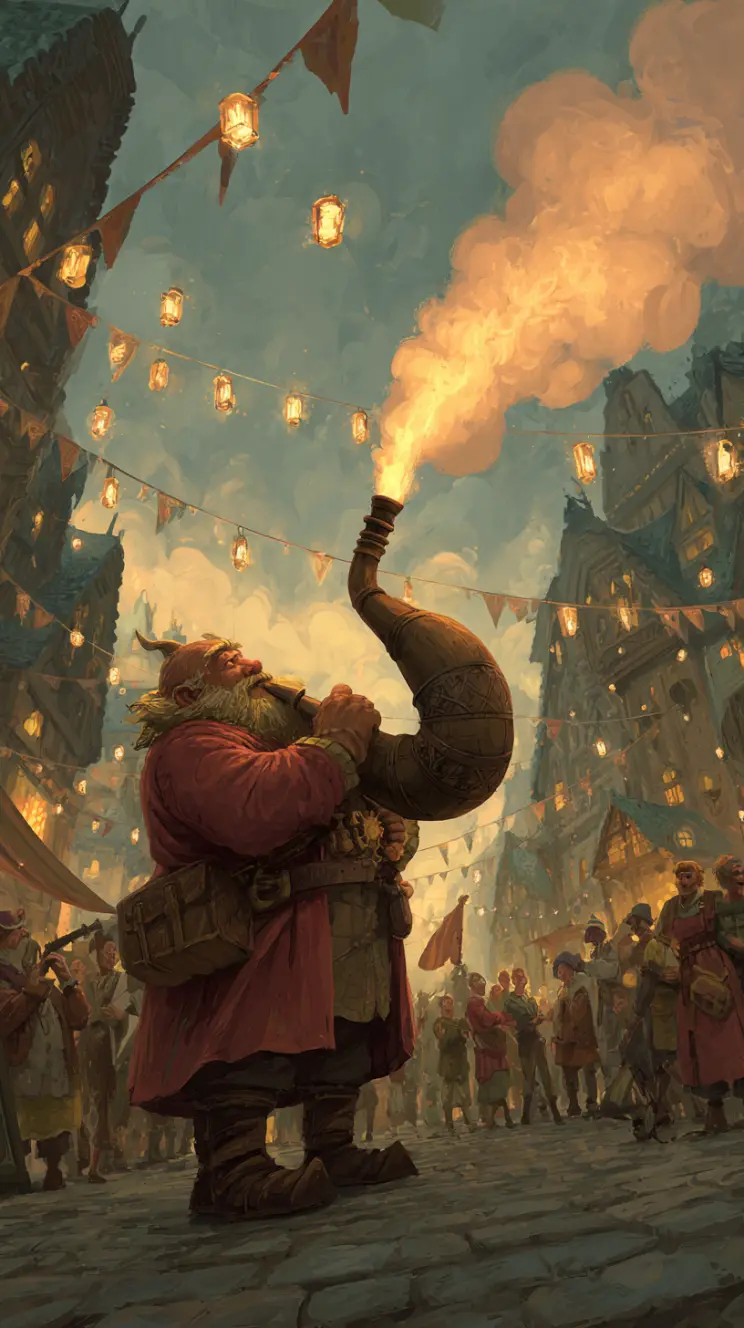
Vohdelon Blast by Hanhula (via Midjourney)
Fuel is usually inserted either through the wider end at the bottom of the vohdelon, if it is designed to produce large flame, or is inserted through a slotted gap that must be stoppered to use the tool. Novices are prone to loading fuel through the mouthpiece by mistake, leading to many singed beards when they light the damn thing.
When a vohdelon has been fuelled, typically with dry tinder instead of explosive powders, it can be lit by briefly passing it through a flame or by poking a flame more carefully through one of the holes. Given the short lifespan of most fuel, art must be performed in short bursts.
One blows through the instrument's end and dictates the shape of the flame through careful movement and hand coverings of the holes, using the force of their own breath and the shape of the tool to drive the flame into a sharp shape that burns far hotter than it would be expected to. This is how flame-painting takes form: the artist's lifebreath and control, and the delicate skill that produced their brush.
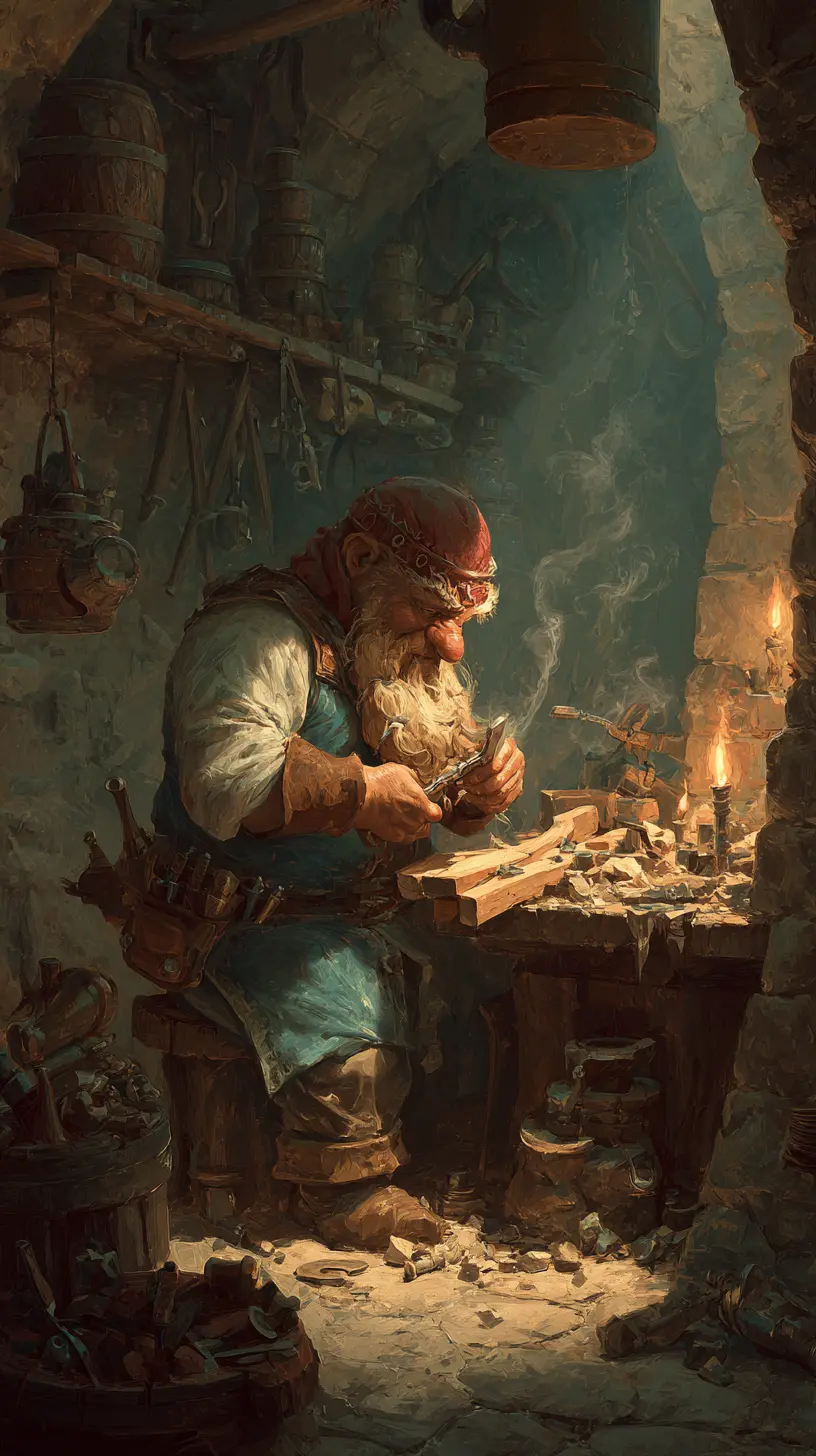
Vohdel by Hanhula (via Midjourney)
Item type
Tool
Related ethnicities
Base Price
Varies; basic wooden models from 2cp
Use throughout History
Vohdelons and their art have been found throughout dwarven history. Early signs of dwarven settlement have been found throughout Iskaldhal: long-forgotten vohdelin paintings have been found throughout the Hands of the First and as far north as the southern reaches of Kylmävikk Desert, and vohdelons themselves are common in architectural sites dating back to the Era of the Divine. The most significant vohdelon in history was dredged up from a frozen lake in Myrkalla and returned to Gildómar as part of peace talks between the two nations. It is an immense vohdelon created from dragonfang, with a mouthpiece crafted from an unknown metal. This vohdelon is usually part of the royal vaults, but is brought out every year for the people to witness as part of King Mórekr Kolrûnduir's aims of connecting his people with their past heritage. Outside of Iskaldhal, vohdelons and vohdelin paintings are rare to find. While Eivanfalr and other dwarven settlements carried many dwarven traditions forth to their new lands, the creation of vohdelons required specific skill and knowledge to shape the flame and prevent accidents. Traces of them remain, especially in periods where trade between continents was more stable, but much of the knowledge seems to have been lost due to the distance and availability of other crafts.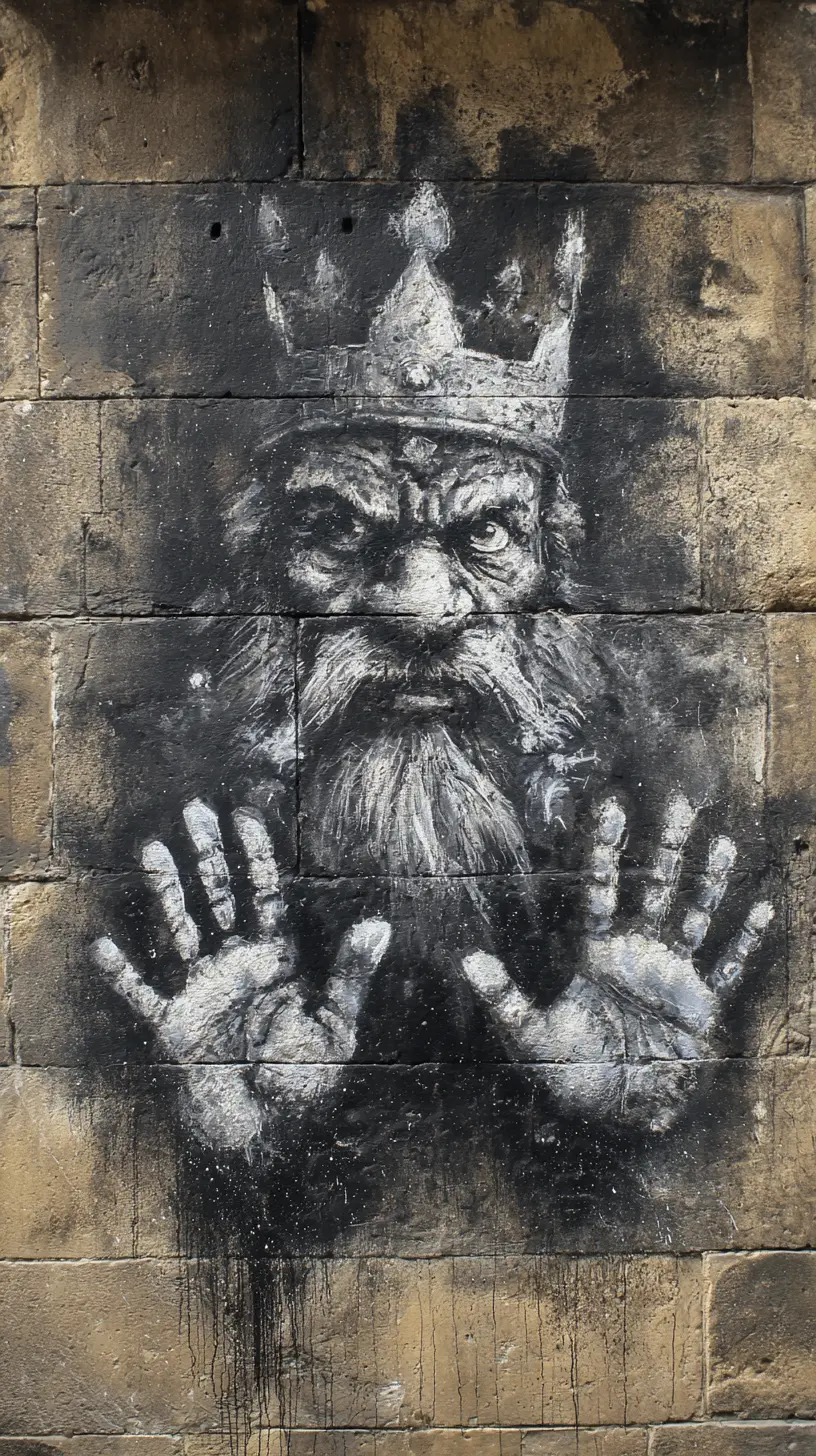
Vohdelin by Hanhula (via Midjourney)




Do not inhale! I assume glass blowing is much the same in that regard. This is such a cool idea. I bet some really beautiful art can be made with this method, and I love that you have created a tool for it. I am very curious about the one dredged from the lake.
Explore Etrea | Summer Camp 2026