

Yilan
The Yilan were an ethnic group predating the Dawn Imperium within the lands now known as Trandrafia. They inhabited several regions of southern Lithria's tropical forests, each centralized around city-states that competed for territory and resources, but shared the many religious, spiritual, and cultural sites that their shared culture revered.
The full history and extent of the culture of the Yilan people is not entirely known due to the conquest and subsequent deconstruction of their culture by the Red Queen. Those few who have learned of the Yilan have done so through interpretation of their ruins, artifacts, and what few writings can be found to have survived their fall.
The full history and extent of the culture of the Yilan people is not entirely known due to the conquest and subsequent deconstruction of their culture by the Red Queen. Those few who have learned of the Yilan have done so through interpretation of their ruins, artifacts, and what few writings can be found to have survived their fall.
History
It is believed that the Yilan predated the elves by millennia in southern Lithria, but evidence also points to the possibility that they had fallen from a former height, only stabilizing after the elves established themselves as their neighbors. Despite the elves stabilizing presence, they did not immediately intervene when the Red Queen began her conquest of the elven lands. Nor did they step in during the Scouring of Eldermyst and its fey inhabitance. It was only after several decades of war during the third major campaign against the elves, pushing them further west, that the Yilan sought to confront the future Trandrafians in a surprise attack on their eastern borders. This, however, proved to be the beginning of their downfall. Turning to the east, the Red Queen's forces and her seraphs struck back at the Yilan with fury, dismantling their supposed alliance between their city-states and killing their gods, the Serpents of Woe. It would take several decades of expansion to fully conquer the Yilan, but by that time they were a shadow of their former power, and many willingly surrendered to the might of Trandrafia.Architecture
The Yilan were exceptional builders, creating vast cities from the ample wood and stone that their lands provided. Some of these cities have survived even the thousand years since the Red Queen's rise in some shape or form as the foundation of cities within the duchies or as ruins in the deep forests.Floating Gardens
One of the structures that have been adapted from the Yilan by their conquerors are the "floating gardens" that allowed the Yilan to grow their crops in the lakes, ponds, and swamps of the oft-flooding land without the risk of drowning their food source in the rainy season. These gardens are still used by some of the communities of Trandrafia to keep stable crops in waterlogged areas.Culture
Major language groups and dialects
The major language used in writings by the Yilan is known as K'aanti'. Few know how to speak it, instead studying its written language, a complex and unique seriese of glyphic symbols.
Common Myths and Legends
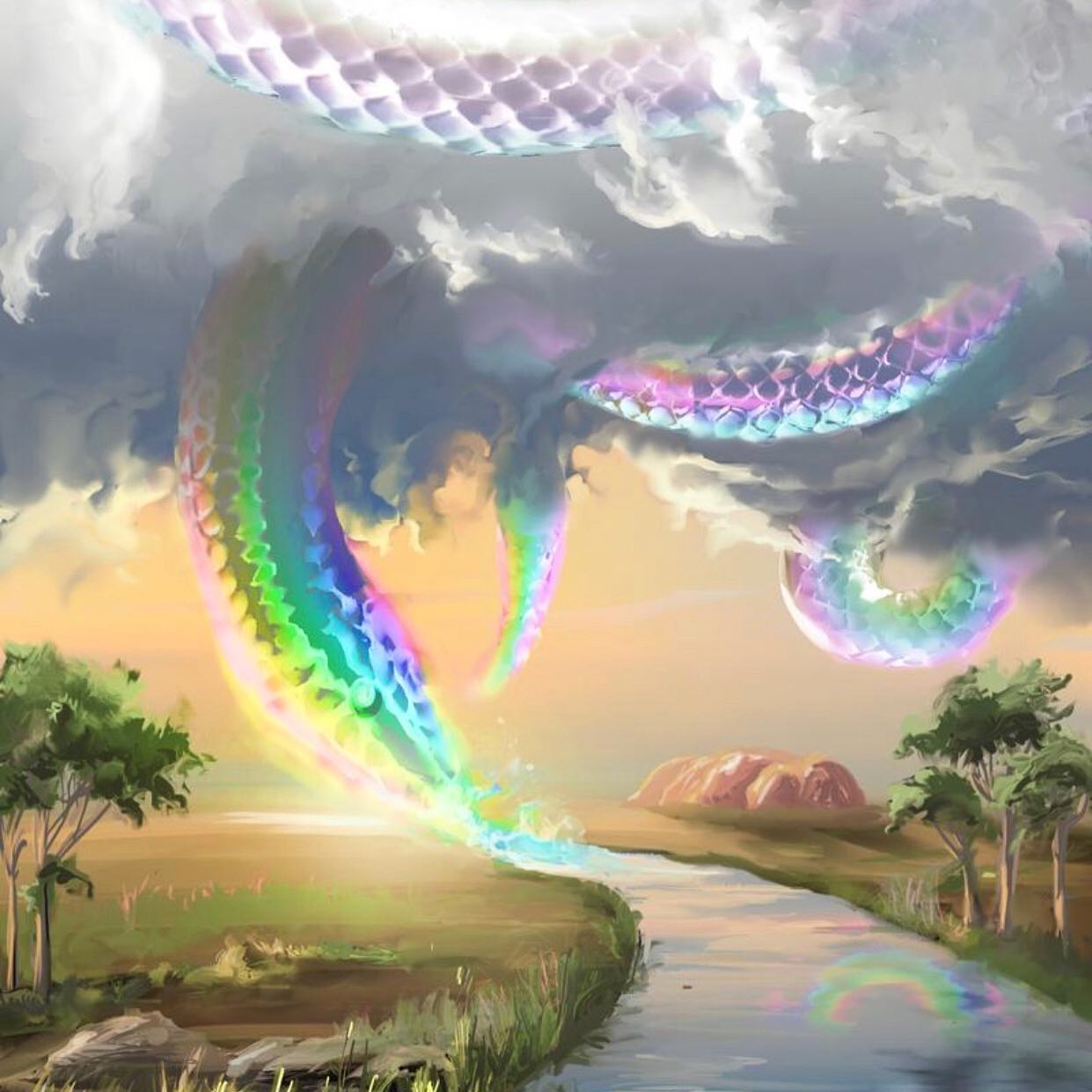
Historical record only mentions the triad of divine beasts known as the Serpents of Woe being present in Yilan tradition by the time of the Red Queen, with some evidence of conflict causing the loss of their other gods.