

Solar System

Digital Zilda
*Accessing Database... Uplink Established*
"...Really? There's a whole galaxy out there and you humans are curious about your own star system? Actual Galactic Records seem to indicate your system has no intelligent life on it, and I think I agree, based on my interactions with the four of you!""Just Joking! As I stated before, the record seems to indicate that you humans do not exist and that is how this data entry is presented. We know you four were taken from Earth to disprove that, but that's currently a work in progress! For now, let's just go over this entry on your star system as the rest of the Galaxy sees it! I will just annotate things that I think you might not understand."
The Sol System is a stable, low mass stellar system discovered by the Vusinor roughly 2500 years ago and cataloged for long-term resource assessment. No Sapient life was found in the System, and no claim was made on the system at the time, though the Sseterri later made a claim on the system in Galactic Standard Year B-157 ((500 years ago)).
Initial surveys identified multiple rocky and gaseous bodies suitable for resource harvesting and infrastructure deployment. Of particular interest were the outer planets and their moons, which offer stable gravity wells and favorable orbital spacing for large-scale industrial projects. The System’s star exhibits an unusually stable solar cycle, increasing its desirability for long-duration operations.
One terrestrial world within the System’s habitable zone supports a dense and highly diverse biosphere, making it a valuable target for biological exploitation. While no sapient civilization is recorded, the presence of complex life significantly increases the System’s long-term economic value.
Several additional worlds within the Sol System show varying degrees of suitability for future habitation and the System as a whole represents a balanced combination of extractable resources, and remains classified as a viable candidate for staged exploitation pending claimant priorities and galactic regulatory approval.
Location
In the The Fehia Sector, 444 light-years from the center.
Current Claimants -DISPUTED-
Sseterri
Vusinor
In the The Fehia Sector, 444 light-years from the center.
Current Claimants -DISPUTED-
Galactic Records indicate claim over this system is disputed. Any exploitation of this sytem is legally put on hold for now. An independent Research Team is expected to survey the system for Sapient Life in Galactic Year D-36 ((347 years from now.))
Sol
Mass: 1 M☉
Radius: 1 R☉
Rotational Period: 25 Edays
Surface Temperature: 5,770 K
Composition: 75% Hydrogen, 23% Helium, 2% Other Elements
Radius: 1 R☉
Rotational Period: 25 Edays
Surface Temperature: 5,770 K
Composition: 75% Hydrogen, 23% Helium, 2% Other Elements
sol01
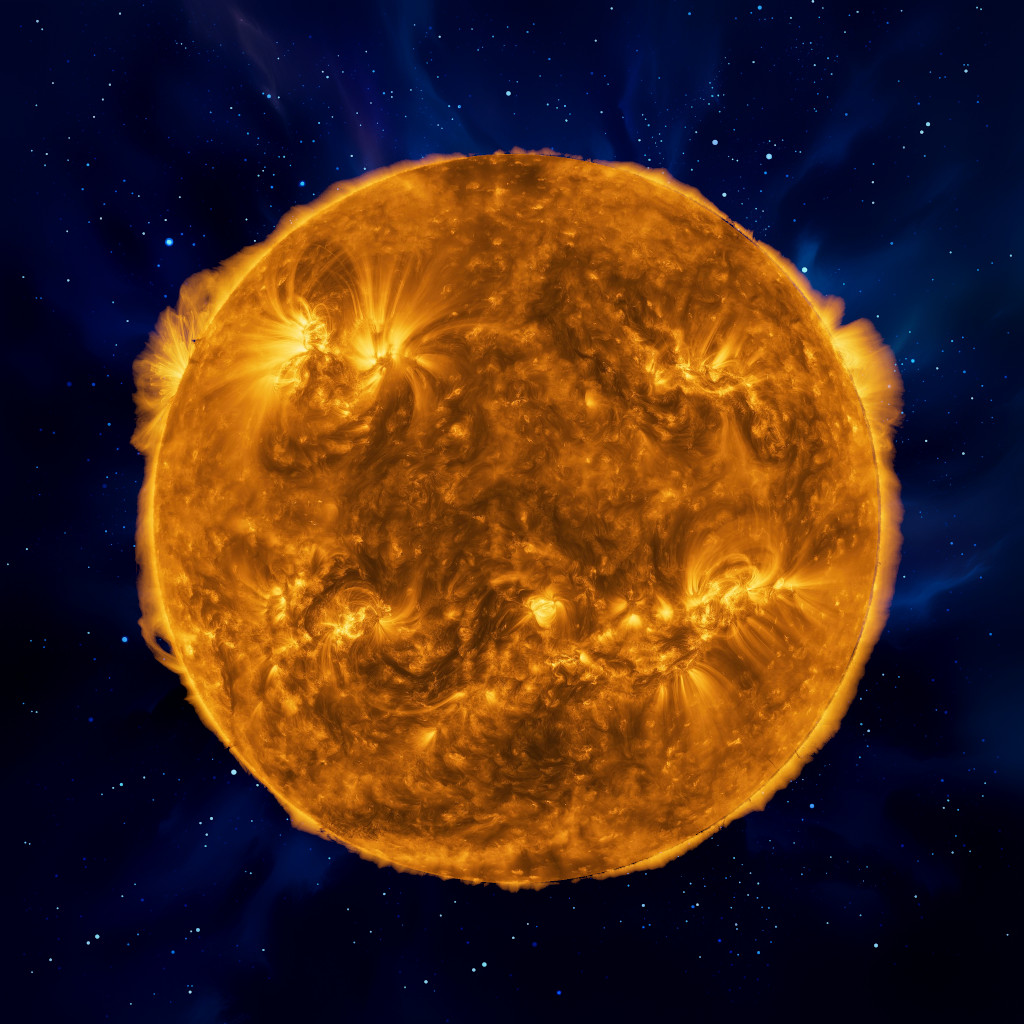
A rather typical yellow star with periodic and predictable flare activity. The 22 year solar cycle indicates that Sol is yet another star with a Xir'relak sleeping near the core. Xir'relak's are colossal silicon beings that have been dormant for many hundreds of millions of years. These beings are almost universal in the center of similar mass stars and they are so common they are usually not worth mentioning.
Fortunately for any civilization wanting to exploit this system in the future, Xir'relaks lay dormant in the center of a star until the star dies, so the system is safe for another five billion years or so. The creature then divides and its offspring find new stars to burrow into. Their biology isn't well understood and very few beings in the universe have bothered to try studying them. This star appears stable enough that an attempt could be made...
by NASA and ESA
Mercury
Mass: 0.055 ME
Radius: 2,439 km
Density: 5.43 g/cm3
Surface Temperature: 167°C
Surface Gravity: 0.38 earth
Escape Velocity: 4.25 km/s
Speed: 47.36 km/s
Distance: 0.39au (57,910,000 km)
Rotational Period: 58.65 Edays
Orbital Period: 88 Edays
Obliquity: 0.02 degrees
Composition: Iron (70%), Silicates (30%)
Radius: 2,439 km
Density: 5.43 g/cm3
Surface Temperature: 167°C
Surface Gravity: 0.38 earth
Escape Velocity: 4.25 km/s
Speed: 47.36 km/s
Distance: 0.39au (57,910,000 km)
Rotational Period: 58.65 Edays
Orbital Period: 88 Edays
Obliquity: 0.02 degrees
Composition: Iron (70%), Silicates (30%)
sol2
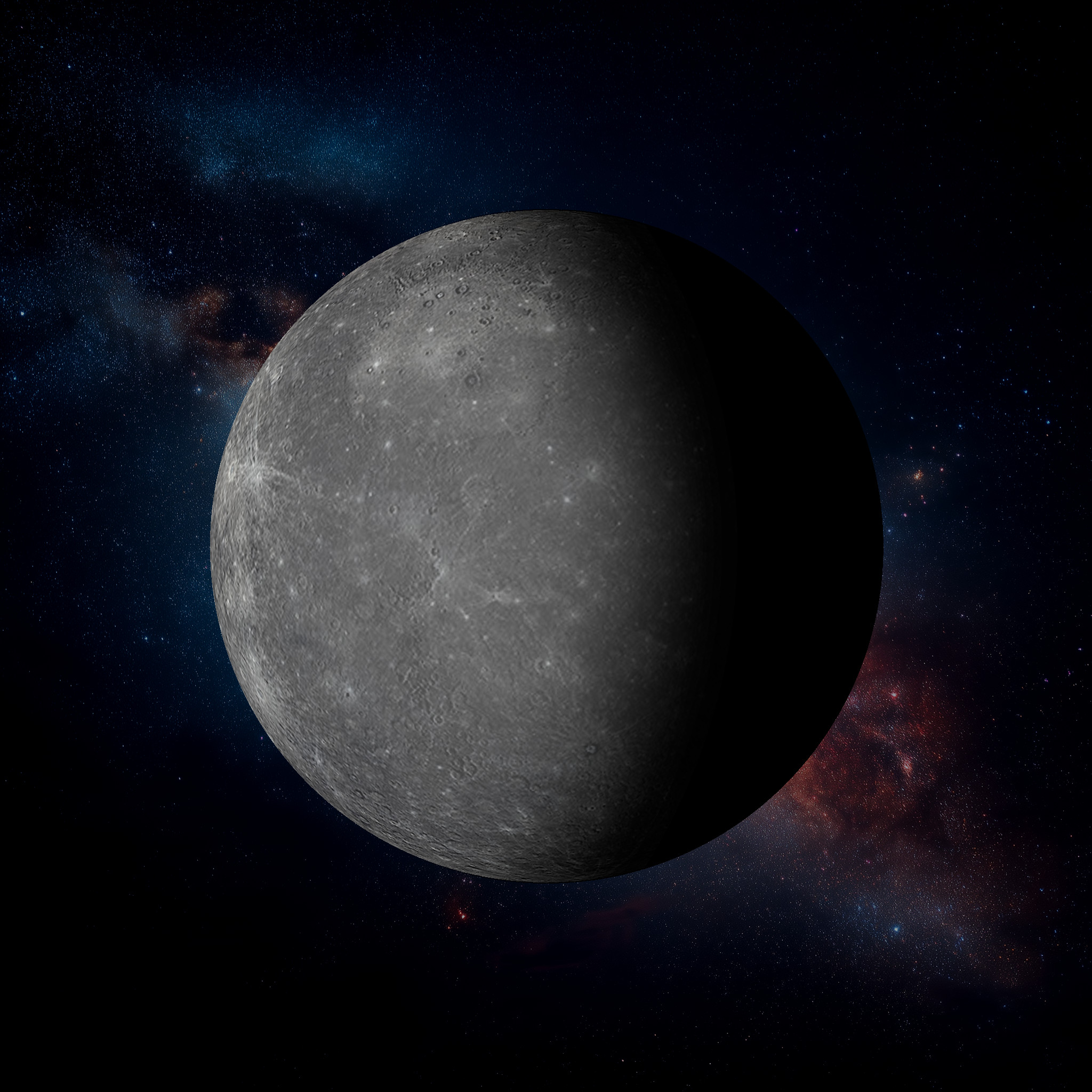
Mercury is a small, iron rich planet orbiting close to its parent star. It isn't very unique in the greater Galaxy as there are numerous planets out there composed almost entirely of iron and orbiting close to their parent stars. Vusinor scans indicated evidence of several mining operations on this world, conducted many thousands of years before the Vusinor's first visit to the system, indicating someone had planned to exploit this world's resources but never made a claim on the system.
Venus
Mass: 0.815 ME
Radius: 6,052 km
Density: 5.24 g/cm3
Surface Temperature: 464 °C
Surface Gravity: 0.90 earth
Escape Velocity: 10.36 km/s
Speed: 35.02 km/s
Distance: 0.72au (108,200,000 km)
Rotational Period: -243 Edays (retrograde rotation)
Orbital Period: 224.7 Edays
Obliquity: 177.4 degrees
Composition: Silicates (67%), Iron/Nickel Core (33%)
Radius: 6,052 km
Density: 5.24 g/cm3
Surface Temperature: 464 °C
Surface Gravity: 0.90 earth
Escape Velocity: 10.36 km/s
Speed: 35.02 km/s
Distance: 0.72au (108,200,000 km)
Rotational Period: -243 Edays (retrograde rotation)
Orbital Period: 224.7 Edays
Obliquity: 177.4 degrees
Composition: Silicates (67%), Iron/Nickel Core (33%)
sol3
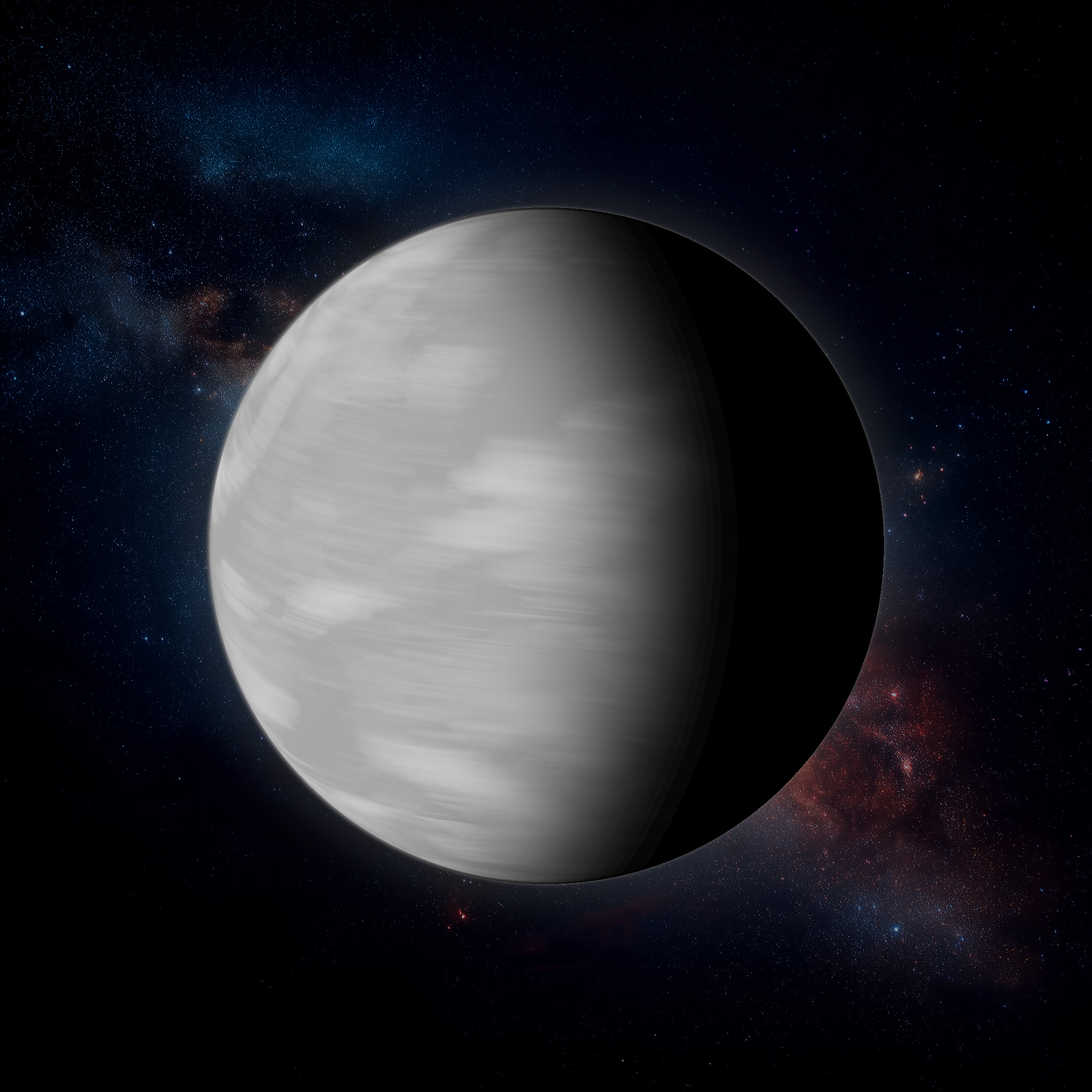
Even in the greater Galaxy, there aren't many planets that spin in retrograde motion, or as slowly as Venus does. Because the planet rotates so slowly, it lacks an internal dynamo from a spinning iron core. Despite this, the world still has a weak magnetic field, a result from Sol's relentless solar winds interacting with Venus's very thick atmosphere. Exploitation of this planet is possible, though automated machinery would need to be used to survive the crushing pressure at the surface of this world. Settlements could possible be suspended in the upper atmosphere where it is quite cool and comfortable.
by Chrispy_0
Earth
Mass: 1.00 ME
Radius: 6,371 km
Density: 5.51 g/cm3
Surface Temperature: 15 °C
Surface Gravity: 1.00 earth
Escape Velocity: 11.19 km/s
Speed: 29.78 km/s
Distance: 1.00 au (149,600,000 km)
Rotational Period: 1.00 Edays
Orbital Period: 365.25 Edays
Obliquity: 23.44 degrees
Composition: Iron (32%), Oxygen (30%), Silicon (15%), Magnesium (14%), Other (9%)
Radius: 6,371 km
Density: 5.51 g/cm3
Surface Temperature: 15 °C
Surface Gravity: 1.00 earth
Escape Velocity: 11.19 km/s
Speed: 29.78 km/s
Distance: 1.00 au (149,600,000 km)
Rotational Period: 1.00 Edays
Orbital Period: 365.25 Edays
Obliquity: 23.44 degrees
Composition: Iron (32%), Oxygen (30%), Silicon (15%), Magnesium (14%), Other (9%)
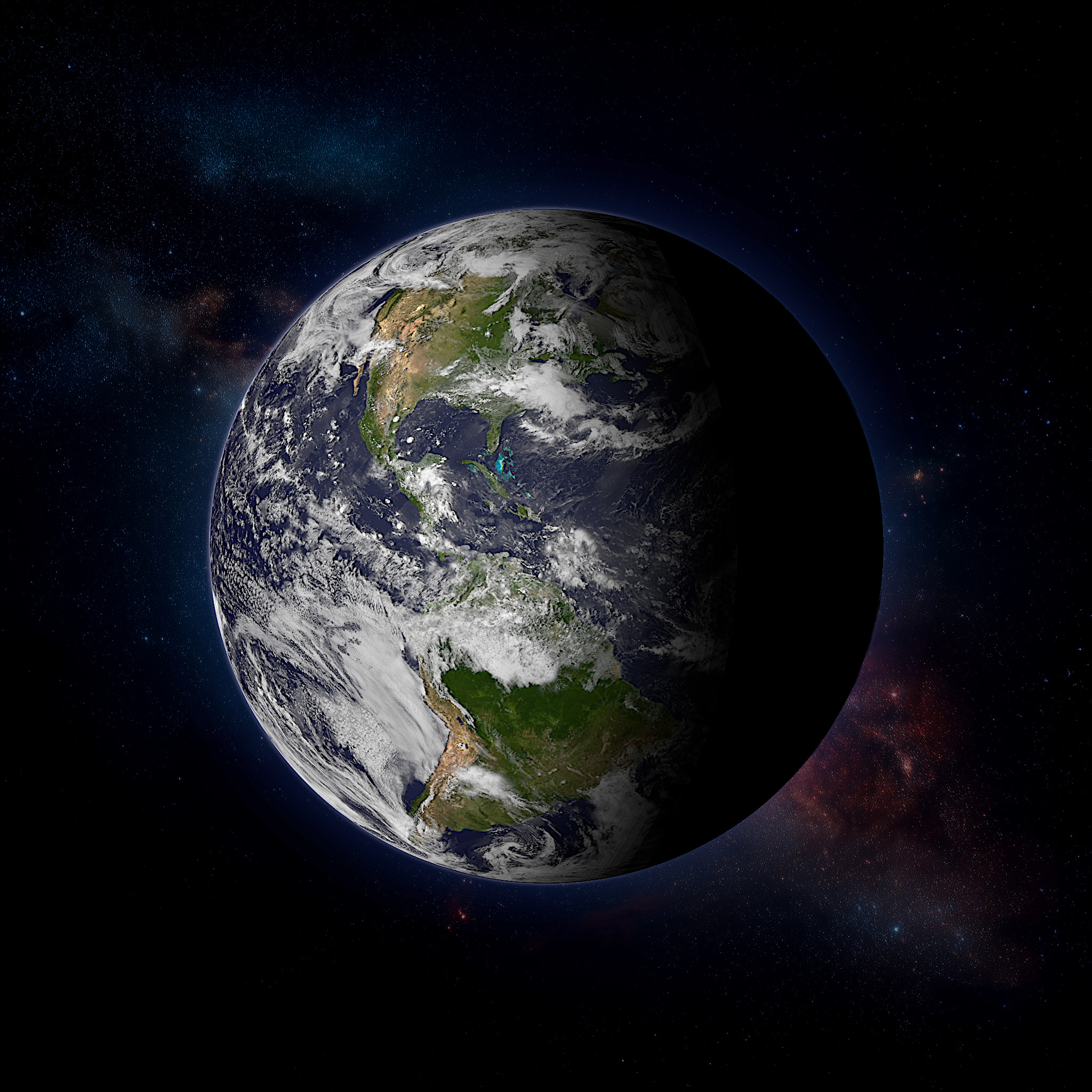
Earth is a large temperate world right in the middle of the star system's habitable zone. Combined with its plate tectonics and large magnetosphere, as well as large supplies of essential elements, life has been able to evolve here for many millions of years. The world's axial tilt allows for multiple distinct seasons and gives rise to dozens of different climates and biomes. Because of the wide variety of biomes and climates, there are an estimated nine million total species of various forms of life on this world, waiting to be exploited by an interested civilization.
This world is the most exploitable in the star system. Millions of different species of life means there are a nearly countless number of unique molecular compounds found nowhere else in the Galaxy. Thousands of Pharmaceutically relevant materials are very likely to be found here.
The world's active plate tectonics also means that heavy elements normally locked in a planet's mantle or core are easy to access on the surface, including various Lanthanides and Actinides, as well as a wide variety of crystals and gemstones that do not easily form on other worlds.
Pine trees
Earth is the only planet in the galaxy that has been found with a large propagation of conifers. Those plants with needle or scale-like leaves, a thick resin for immunity, and extreme environmental hardiness. These trees are spread across the Earth and are found in nearly every possible biome.
Sarah
Stop! Hold on a second! We have to talk about this...You're telling me that pine trees, Fucking Pine Trees, is the most unique thing that Earth has?
Digital Zilda
Okay, I'm done... Ryan, Juan, Asha, you three have fun listening to this little lunatic spout her bullshit. I'm... just no.
...Was it something I said? I'm just repeating the entries as they appear in the database!

Ryan
I don't think it's that. You just reminded her of home and she never wanted to be here, so... just keep going to the next planet. It's all good! She'll calm down eventually!Mars
Mass: 0.107 ME
Radius: 3,390 km
Density: 3.93 g/cm3
Surface Temperature: -63 °C
Surface Gravity: 0.38 earth
Escape Velocity: 5.03 km/s
Speed: 24.07 km/s
Distance: 1.52 au (227,900,000 km)
Rotational Period: 1.03 Edays
Orbital Period: 687 Edays
Obliquity: 25.19 degrees
Composition: Iron (22%), Silicates (78%)
Radius: 3,390 km
Density: 3.93 g/cm3
Surface Temperature: -63 °C
Surface Gravity: 0.38 earth
Escape Velocity: 5.03 km/s
Speed: 24.07 km/s
Distance: 1.52 au (227,900,000 km)
Rotational Period: 1.03 Edays
Orbital Period: 687 Edays
Obliquity: 25.19 degrees
Composition: Iron (22%), Silicates (78%)
Despite being in colder region of the star system's habitable zone, Mars is a dead world on the surface. Unlike Venus that spins too slowly to create a magnetic field, Mars was too small and cooled quickly after formation. In the distant past, the world likely had oceans greater than that of Earth and given enough time would have been a vibrant world with equal or even greater biodiversity. However, without a magnetic field, the atmosphere was stripped away by solar winds and over the billions of years, the oceans would have evaporated away, frozen at the poles, or seeped deep in the spaces in the crust, forming a vast subsurface ocean.
sol4
This subsurface ocean is frozen near the surface and mixed with the dirt, but at depth there are large subterranean areas of liquid water, reaching tens of thousands of cubic kilometers in size. There is life here under the surface, though the vast majority of it is microscopic in size. The largest creatures are around ten centimeters long and have a similar appearance to an eyeless, jawless lamprey. Genetically the lifeforms on Mars are completely alien to those found on Earth.
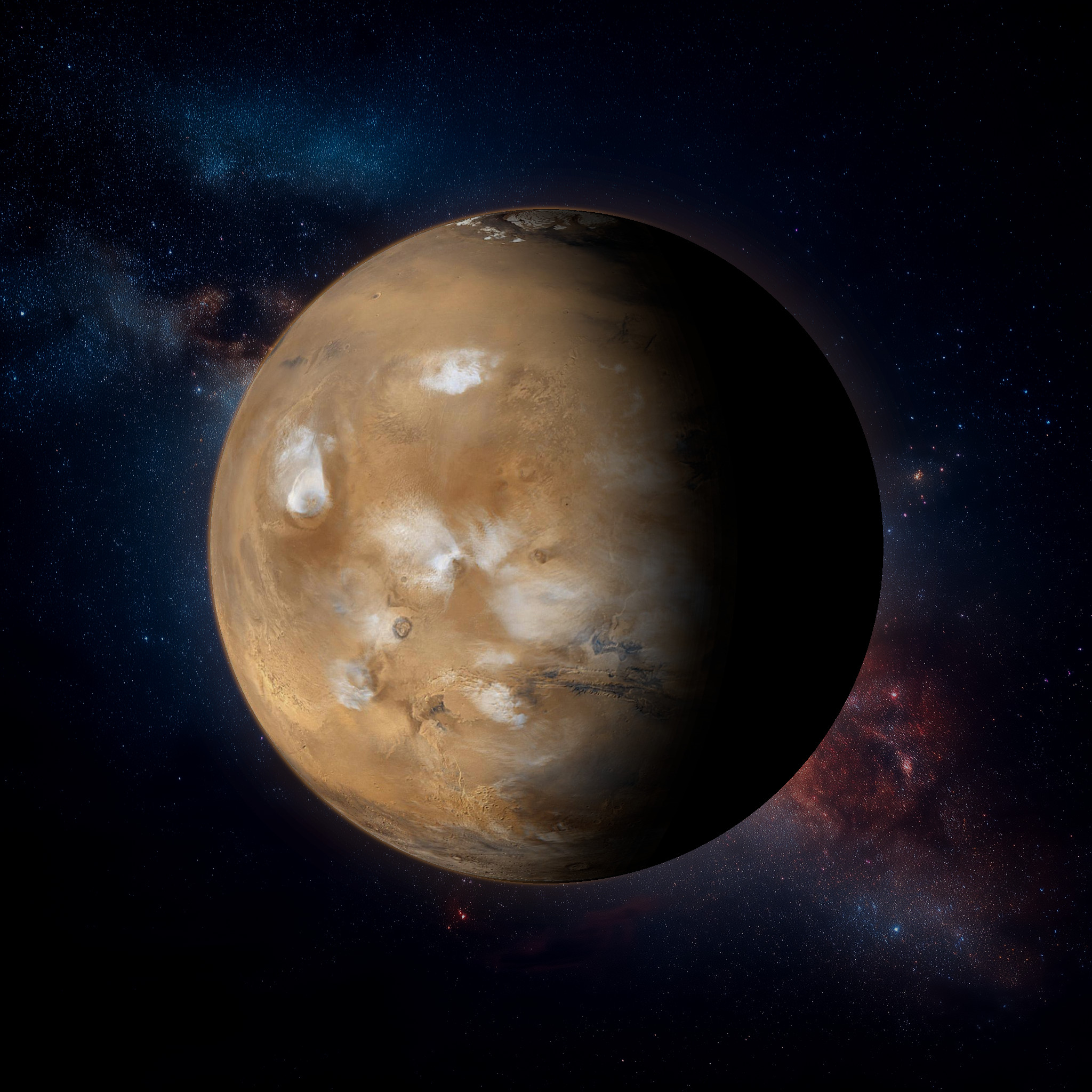
Vusinor Polar Base
Near the North Pole the Vusinor built a rather extensive research base as a base of operations to travel to other parts of the system for research. They also dug deep into Mars to study the subsurface ocean. This base was inhabited for roughly 250 years before it was locked up and buried, with the intention of reactivating the base at a later date...Jupiter
Mass: 317.8 ME
Radius: 69,911 km
Density: 1.33 g/cm3
Surface Temperature: -108 °C
Surface Gravity: 2.53 earth
Escape Velocity: 59.5 km/s
Speed: 13.07 km/s
Distance: 5.20 au (778,500,000 km)
Rotational Period: 0.41 Edays
Orbital Period: 11.86 Eyears
Obliquity: 3.13 degrees
Composition: Hydrogen (90%), Helium (10%), Trace heavier elements
Radius: 69,911 km
Density: 1.33 g/cm3
Surface Temperature: -108 °C
Surface Gravity: 2.53 earth
Escape Velocity: 59.5 km/s
Speed: 13.07 km/s
Distance: 5.20 au (778,500,000 km)
Rotational Period: 0.41 Edays
Orbital Period: 11.86 Eyears
Obliquity: 3.13 degrees
Composition: Hydrogen (90%), Helium (10%), Trace heavier elements
The planets Jupiter and Saturn both spin so fast that they have a very noticeable equatorial bulge. There are certainly similar planets in the Galaxy that spin faster, creating an even more dramatic appearance. Jupiter plays the role of a gravitational gatekeeper, similar to other large worlds across the galaxy. Comets, asteroids, and even rogue moons are usually redirected or captured by this world's gravity before they ever have a chance to reach the inner Solar System. This has protected Earth and Mars and allowed life to evolve there relatively uninterrupted.
sol5
The interaction between the hellish moon Io and the planet Jupiter creates a very large number of charged particles, which in turn creates a deadly radiation shield around the whole planet, and contributes to the world's very frequent aurora events. Nothing is able to approach the planet without sufficient protection, which the local Cetalari living there would quite prefer. The Cetalari here are mainly concentrated in the world's great Red Storm and treat it like a City.
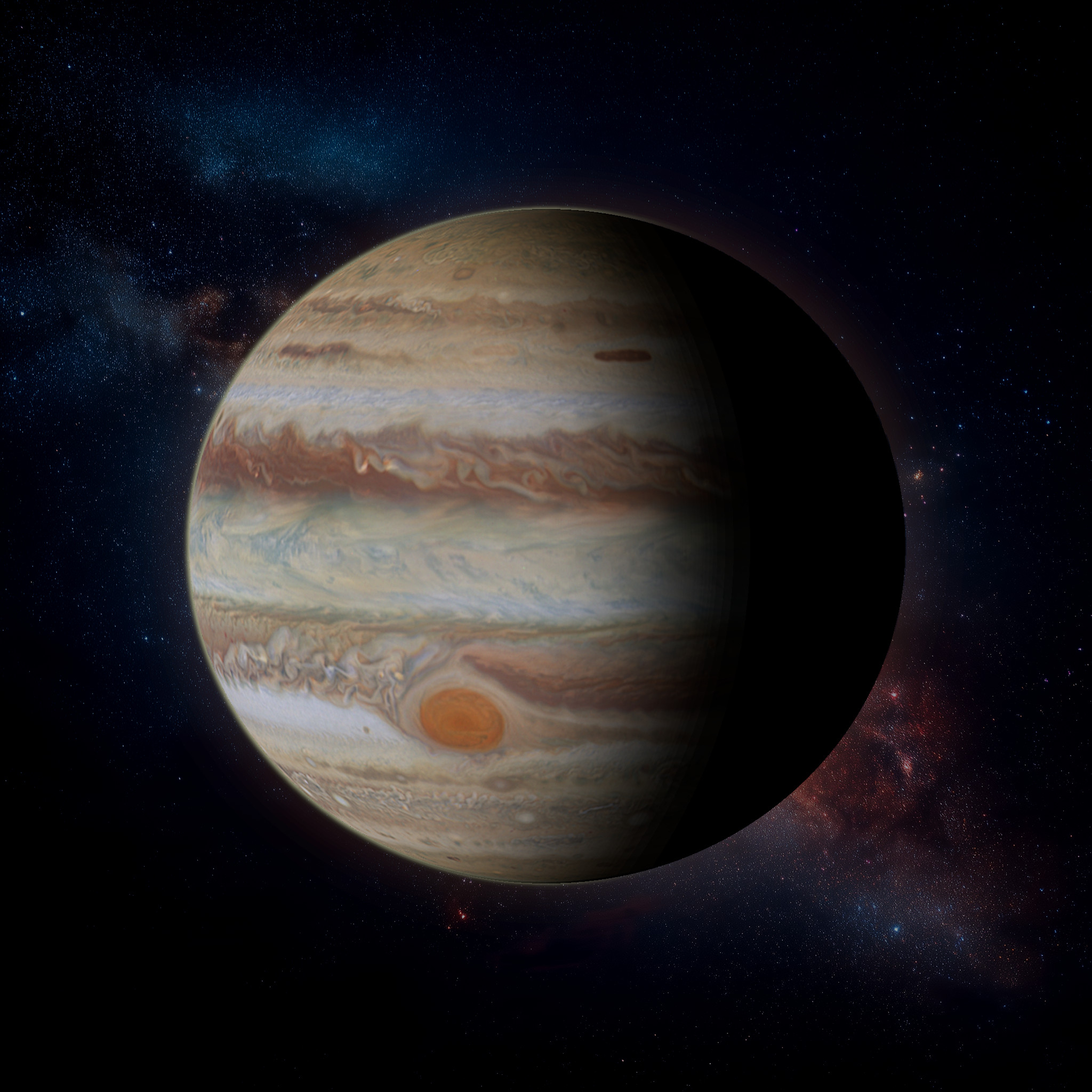
by NASA/JPL

Juan
Hah! This is crazy! Humans aren't alone in the universe and we aren't even alone in our own system! Seeing society collapse over this when we get back to Earth is gonna be so good!Jupiter's Major Moons
Name |
Description |
|---|---|
Io |
Even though this moon has a rather unstable crust due to tidal forces between Jupiter and its other moons, and its raw materials are easy to access, Io is not a favorable world for exploitation. The entire moon is covered in such high radiation levels that most living things will perish in roughly 2 hours without sufficient radiation protection. Exploitation is recommended only with unmanned vehicles sent from a great distance. |
Europa |
The Vusinor were curious if there was life under the icy crust of this moon, and built a base in the moon's South Pole. They drilled through the 5 kilometer thick ice sheet and found a dense ocean with salty water. There was no detection of life from where they explored but the possibility remains open near the bottom of the ocean near deep sea vents. |
Ganymede |
This world has a substantial magnetic field, making it a little safer for exploitation with less radiation shielding, and it has a rather large subsurface ocean. The Vusinor never explored this ocean, but the possibility for life and exploitation is as likely as that of Europa. Otherwise, Callisto is a better world for exploration and exploitation. |
Callisto |
While yet another world with a subsurface ocean, the frozen crust of Callisto is substantially thicker than that of Ganymede or Europa, making it difficult to access. The radiation levels hare are almost nonexistent by comparison to Jupiter's other moons, making this world an excellent choice not just for exploitation, but permanent settlement. |
Saturn
Mass: 95.2 ME
Radius: 58,232 km
Density: 0.69 g/cm3
Surface Temperature: -139 °C
Surface Gravity: 1.07 earth
Escape Velocity: 35.5 km/s
Speed: 9.69 km/s
Distance: 9.58 au (1,434,000,000 km)
Rotational Period: 0.44 Edays
Orbital Period: 29.46 Eyears
Obliquity: 26.73 degrees
Composition: Hydrogen (96%), Helium (3%), Trace heavier elements
Radius: 58,232 km
Density: 0.69 g/cm3
Surface Temperature: -139 °C
Surface Gravity: 1.07 earth
Escape Velocity: 35.5 km/s
Speed: 9.69 km/s
Distance: 9.58 au (1,434,000,000 km)
Rotational Period: 0.44 Edays
Orbital Period: 29.46 Eyears
Obliquity: 26.73 degrees
Composition: Hydrogen (96%), Helium (3%), Trace heavier elements
sol6
Among planets with large ring systems, Saturn's is particularly complex and long lived, having been around for half a billion years. Half a dozen "Shepherd Moons" sculpt the shape of the rings, creating the many irregular gaps between the main rings, and contributes to its long term stability.This world also has one of the most impressive moons in the system orbiting it, Titan. This moon has enough raw resources to supply any civilizations local energy and material needs for thousands of years. Surveys were conducted on this hydrocarbon heavy moon for signs of life, but there were none.
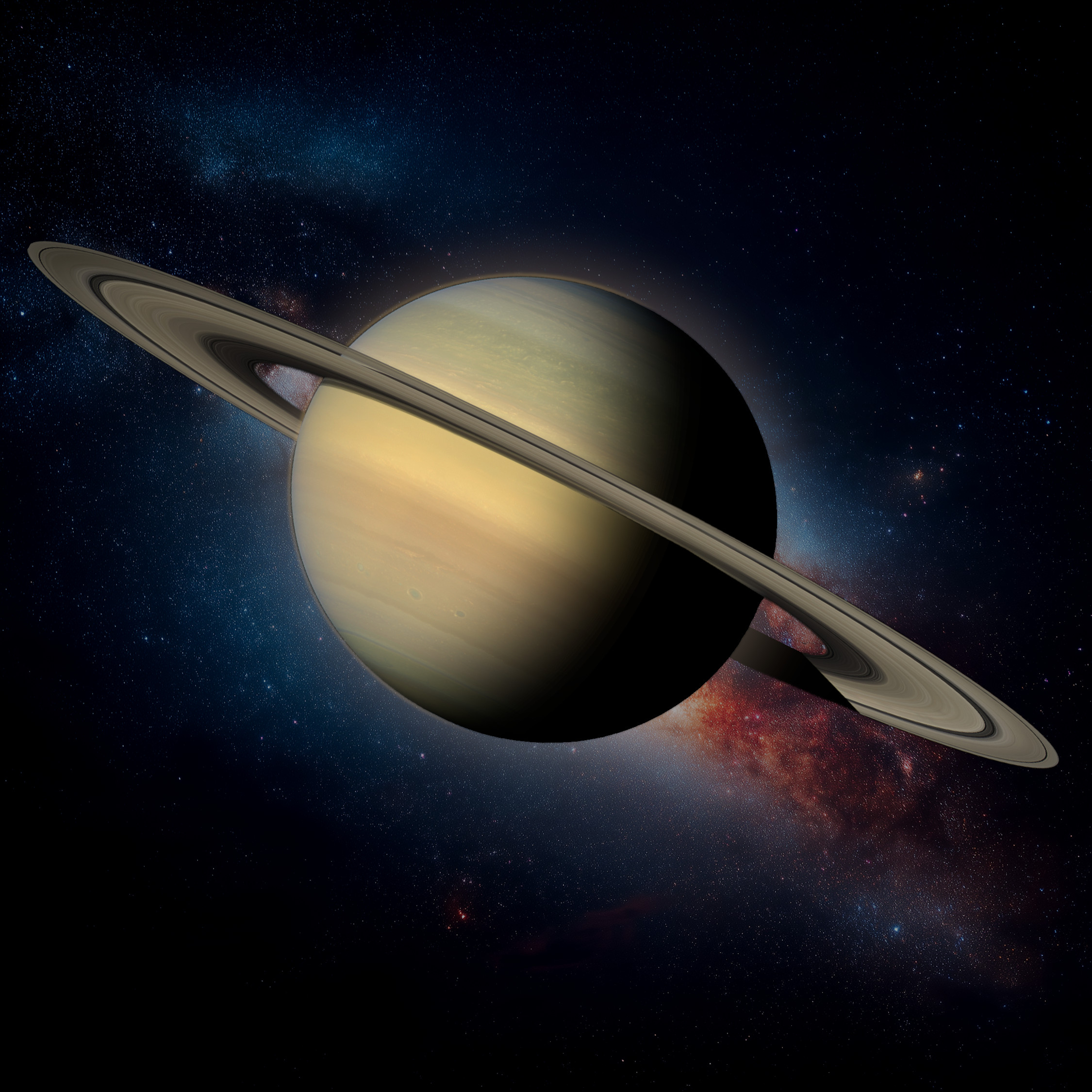
by NASA/JPL
Uranus
Mass: 14.5 ME
Radius: 25,362 km
Density: 1.27 g/cm3
Surface Temperature: -224 °C
Surface Gravity: 0.89 earth
Escape Velocity: 21.3 km/s
Speed: 6.80 km/s
Distance: 19.2 au (2,871,000,000 km)
Rotational Period: -0.72 Edays
Orbital Period: 84.0 Eyears
Obliquity: 97.77 degrees
Composition: Hydrogen & Helium (~15%), Water/Ammonia/Methane Volatiles (~60%), Silicate & Metallic Rock (~25%)
Radius: 25,362 km
Density: 1.27 g/cm3
Surface Temperature: -224 °C
Surface Gravity: 0.89 earth
Escape Velocity: 21.3 km/s
Speed: 6.80 km/s
Distance: 19.2 au (2,871,000,000 km)
Rotational Period: -0.72 Edays
Orbital Period: 84.0 Eyears
Obliquity: 97.77 degrees
Composition: Hydrogen & Helium (~15%), Water/Ammonia/Methane Volatiles (~60%), Silicate & Metallic Rock (~25%)
sol7
The first of two candidates the Vusinor considered for a Switchboard World. The planet is cold enough and has enough materials that an efficient network could be built in the upper atmosphere. The planet's sideways tilt would present a small problem as more polar reaching arrays would spend much longer in the sun for half of the year, keeping these sections a few degrees warmer than optimal operating temperatures. This means that as a Switchboard World, as much as 40% of its network capacity could be brought offline roughly every 40 years or so.
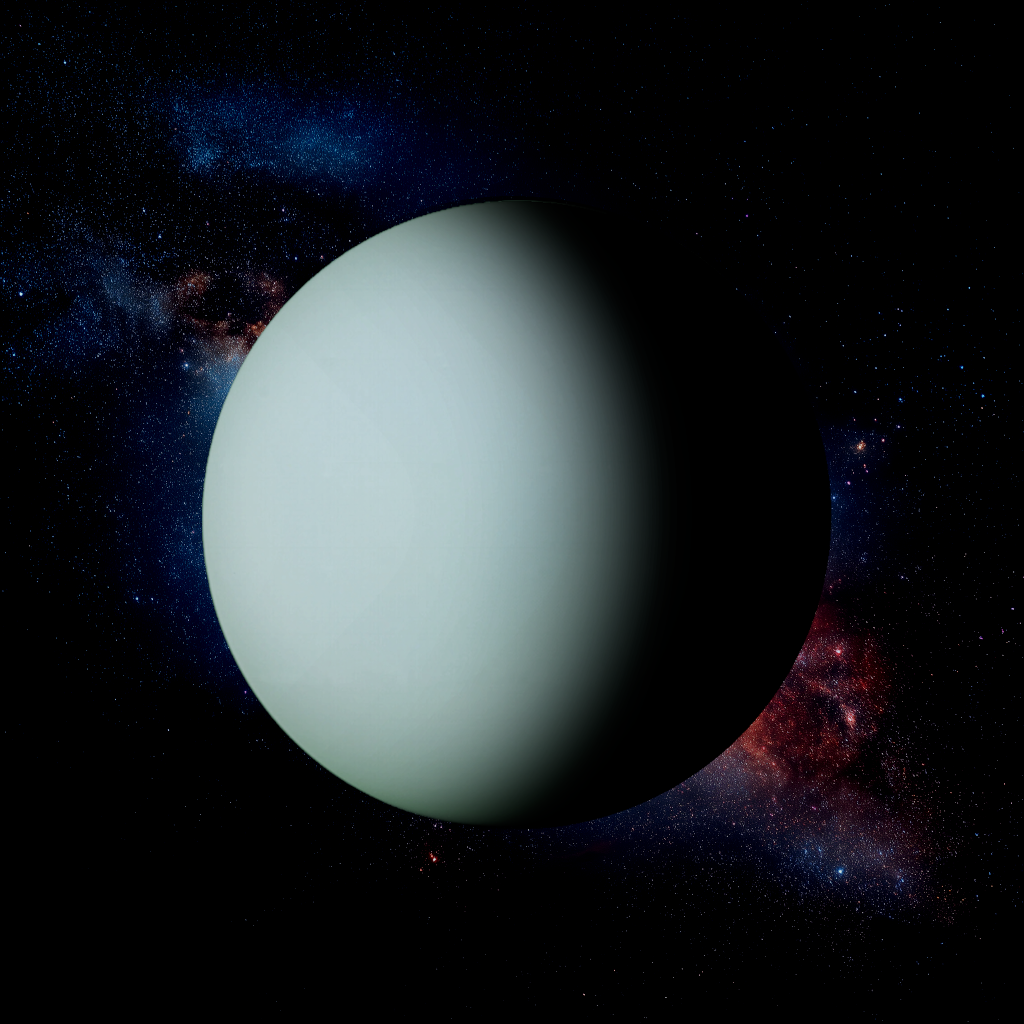
Neptune
Mass: 17.1 ME
Radius: 24,622 km
Density: 1.64 g/cm3
Surface Temperature: -214 °C
Surface Gravity: 1.14 earth
Escape Velocity: 23.5 km/s
Speed: 5.43 km/s
Distance: 30.1 au (4,495,000,000 km)
Rotational Period: 0.67 Edays
Orbital Period: 164.8 Eyears
Obliquity: 28.32 degrees
Composition: Hydrogen & Helium (~15%), Water/Ammonia/Methane Volatiles (~55%), Silicate & Metallic Rock (~30%)
Radius: 24,622 km
Density: 1.64 g/cm3
Surface Temperature: -214 °C
Surface Gravity: 1.14 earth
Escape Velocity: 23.5 km/s
Speed: 5.43 km/s
Distance: 30.1 au (4,495,000,000 km)
Rotational Period: 0.67 Edays
Orbital Period: 164.8 Eyears
Obliquity: 28.32 degrees
Composition: Hydrogen & Helium (~15%), Water/Ammonia/Methane Volatiles (~55%), Silicate & Metallic Rock (~30%)
Neptune however is the perfect candidate for a Switchboard world. Since the world has a more upright tilt, the entire network will have time to sufficiently cool at night, meaning an almost perfect 100% uptime. The Vusinor parked dozens of unmanned construction ships in orbit around the planet's moon Triton, waiting to receive the order. But the order never came and the ships have laid dormant for thousands of years.
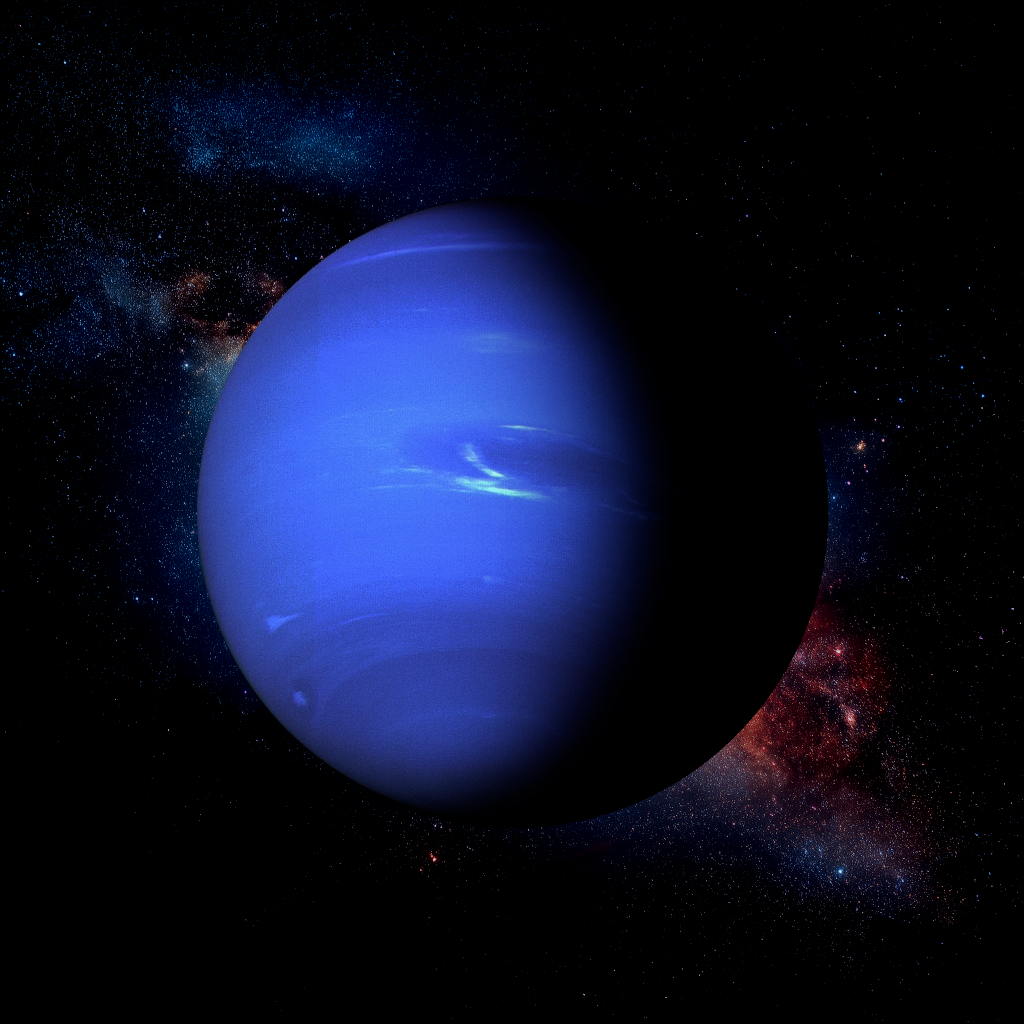
by NASA/JPL
Asha
So there you have it humans! Your system as the galaxy sees it! It's not very special, but I'm sure you figured that out already!
Asha
Because it isn't a planet! It--
yes it is!
No, it isn't. The world doesn't meet the galactic definitions of what constitutes a planet!

Ryan
You humans are impossible! ...Very well, I'll talk about this Pluto.
Pluto
Mass: 0.00218 ME
Radius: 1,188 km
Density: 1.86 g/cm3
Surface Temperature: -229 °C
Surface Gravity: 0.06 earth
Escape Velocity: 1.21 km/s
Speed: 4.74 km/s
Distance: 39.5 au (5,906,000,000 km)
Rotational Period: -6.39 Edays
Orbital Period: 248 Eyears
Obliquity: 119.6 degrees
Composition: Rock (70%), Water Ice (30%), Nitrogen/Methane surface ices
Radius: 1,188 km
Density: 1.86 g/cm3
Surface Temperature: -229 °C
Surface Gravity: 0.06 earth
Escape Velocity: 1.21 km/s
Speed: 4.74 km/s
Distance: 39.5 au (5,906,000,000 km)
Rotational Period: -6.39 Edays
Orbital Period: 248 Eyears
Obliquity: 119.6 degrees
Composition: Rock (70%), Water Ice (30%), Nitrogen/Methane surface ices
The "Ninth Planet" in the Solar System.... Pluto is a small ice ball and is part of a Double "Planet" system with an even smaller ice ball. Ice worlds like these live in unstable orbits and often cross the paths of larger actual planets in their systems. Occasionally they are slingshotted out into space never to be seen again, or are flung into the inner system where it can crash into a potentially habitable world and end all life there Fortunately for the Solar System, Neptune isn't large enough to have that kind of influence on objects that cross its path in this way, and any world headed to the inner Solar System will likely be checked by Jupiter long before it has a chance to reach Earth.
In other systems, these little icy worlds are also home to a terrifying creature known as Void Wasps, but not enough research was ever done to confirm their existence in the Solar System, though their almost universal presence in the darkness of space elsewhere suggests they might be here as well.
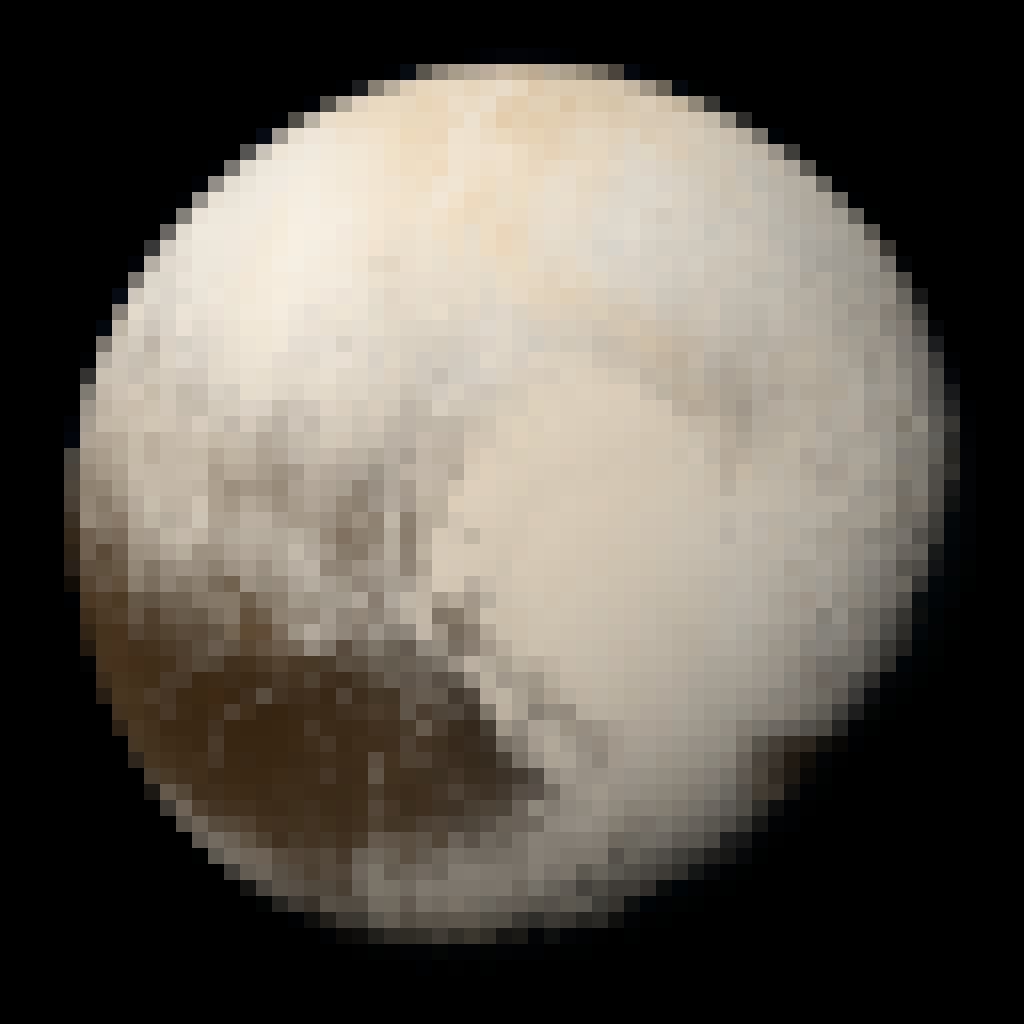
by Nasa
"Since we don't consider it to be a planet, we never bothered to take a higher resolution photo of it, but I bet it's a much better photo than you humans and your primitive technology could ever come up with!"
"Happy now?"
"Happy now?"

Awesome. And I like all the dialogs and mouseover texts on Digital Zilda. :D