
Inundation
Manifestation
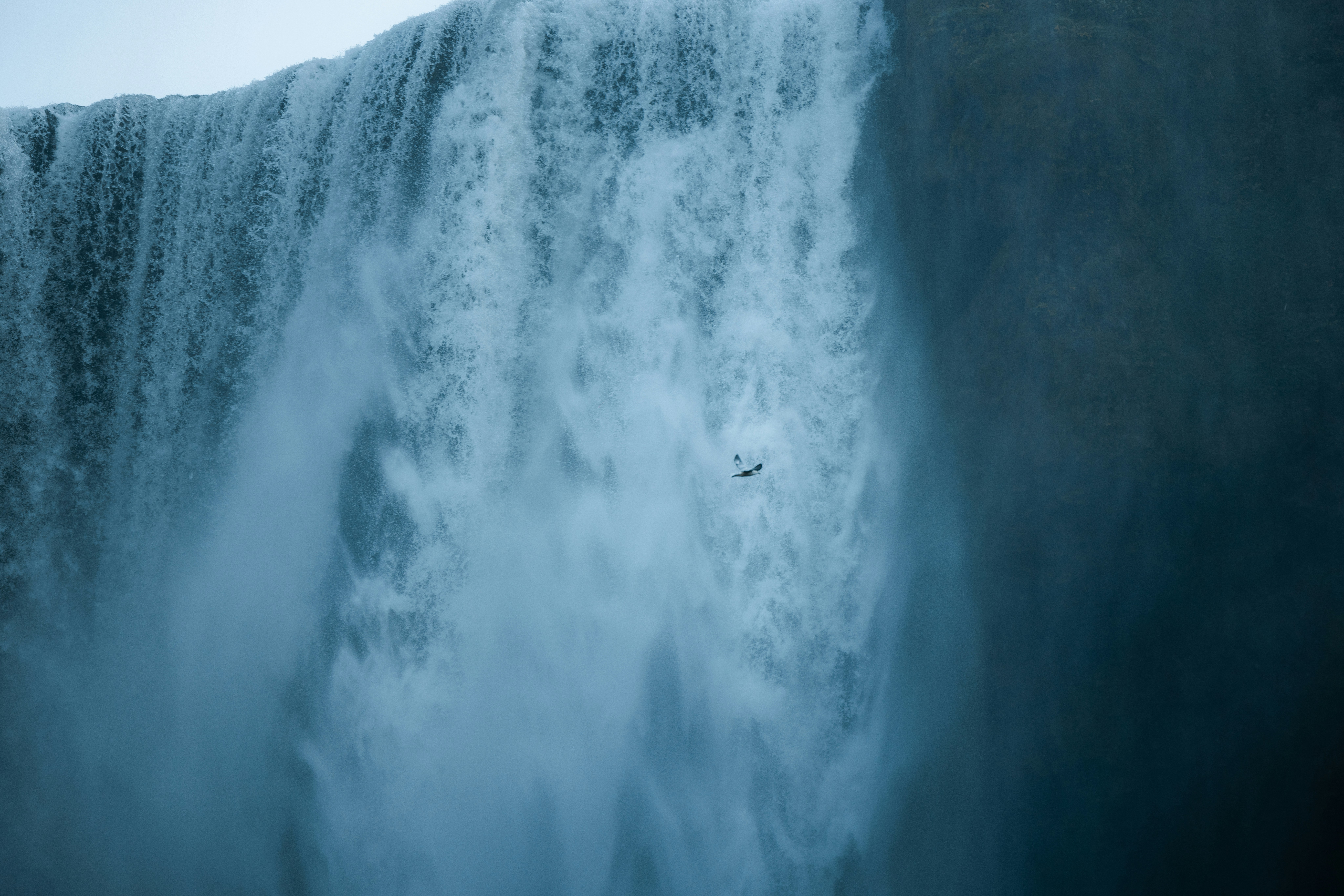
For inhabitants of Amin Duum's High City, the most obvious feature of the Inundation is the waterfall spreading out across the head of the canyon. During the dry season, the waterfall is limited to a narrow midpoint, and the various terraces and lookout points accessed from the three tunnels behind (High, Mid, and Low Spine) are exposed. During Inundation, the terraces are blocked off behind the fall.
Further down the canyon to the north, water levels rise steadily. During this time, Agrarians and Zurasim water management specialists, ensure that the banks on both sides are adequately irrigated without affecting the salt levels in the soil. At the end of Inundation, when the river levels fall, sowing season commences.
Localization
Inundation is localised to Amin Duum Exclusion Zone, its effects creating a highly fertile area along the course of the Great River. The furthest extent is Tir Daala at the opening of the Delta. Inundation has been associated with the Harvest of the Souls festival in Amin Duum specifically, but further down-zone, it is connected to many small, local fertility rituals that predate the foundation of the Amnari Alliance. The Ishwari and Bushu, who have the longest presence in the area, paint their faces with a paste made from the mud and silt for midnight fertility dances, such as the traditional form of the Bashi Muyo. The red-brown silt is treated as sacred, a gift from the God of Creation, Sankanthara. Having skin a similar colour is considered to be especially beautiful.


Comments