
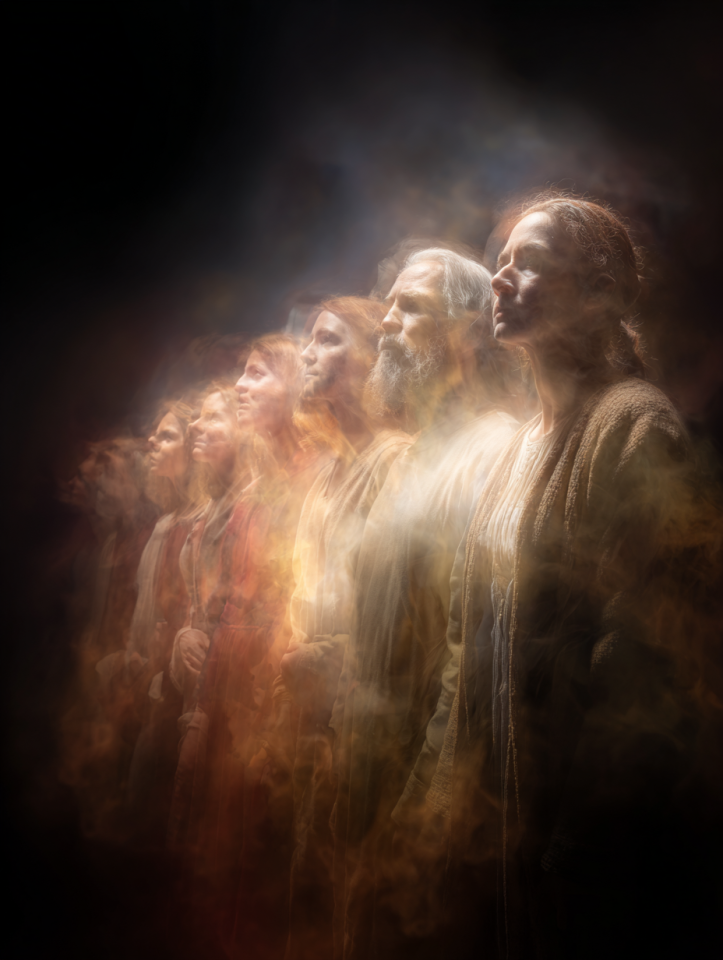




Aman
Why Aman?
Transliteration: aman
Root Origin: ʾ-M-N (early Northwest Semitic linguistic root)
Part of Speech Noun: (adopted name conceptual term
Root Origin: ʾ-M-N (early Northwest Semitic linguistic root)
Part of Speech Noun: (adopted name conceptual term
Definition
That which is upheld, made firm, or sustained.By extension: a place that endures not by nature, but because it is continuously supported, maintained, or preserved against collapse.
Core Meaning
Aman does not describe eternity. It describes continuance under pressure. Something that remains because it is held together.Etymological Origin
Derived from the early Semitic root **ʾ-M-N**, attested among Canaanite and related cultures, carrying meanings of:Cross-Cultural Resonance
Although rooted in early Near Eastern language, the sound and meaning of aman converged naturally with concepts found across multiple cultures. These parallels are not direct linguistic descendants, but they allowed the term to be recognized, adopted, and reinterpreted by diverse peoples entering the realm.Near Eastern & Mediterranean Cultures
(Achaemenid, Canaanite, Carthaginian, Phoenician, Hittite)Classical & European Cultures
(Greek, Roman, Celtic, Etruscan, Norse, Scythian, Yamnaya) Conceptual parallels center on:African Traditions
(Kerma, Yoruba, broader Nile and Sub-Saharan groups)South & Central Asian Traditions
(Indus Valley, Suvarnabhumi)East Asian Traditions
(Chinese, Japanese)Indigenous Americas Traditions
(Atsilv Aniyvwiya, Mexica, Muisca, Taíno, Inca-related cultures) -Conceptual parallels:Oceanic Traditions
(Kamilaroi and broader Indigenous Australian cultures)Cultural Adoption (In-World Usage)
The realm was originally known as: Tír na nÓg — a land defined by its origin, nature, and mythic condition.As its purpose changed—becoming a gathering place for select beings beyond the collapse of worlds—the name Aman emerged organically among its inhabitants.
This was not a formal renaming, but a convergent adoption:
Different cultures, encountering the same reality, arrived at the same conclusion:
This place endures because it is upheld
Usage Notes
“Aman” refers both to the place and its conditionIt implies **maintenance, not inevitability**
It carries no single cultural ownership despite its linguistic origin
Interpretive Summary
Aman is not the eternal land.It is:
> the place that remains
> because something ensures that it does



